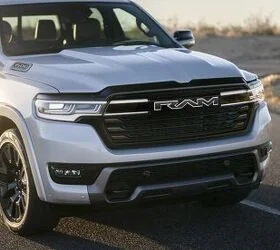
Stellantis is reportedly once again adjusting the production timelines for two of its highly anticipated electrified models: the Jeep Grand Wagoneer Hybrid and the Ram 1500 REV. The Jeep Grand Wagoneer Hybrid, initially slated for assembly last spring, is now expected to commence production in November. Meanwhile, the Ram 1500 REV, previously referred to as the Ramcharger, faces a more significant delay, with its production now targeted for April 2027, placing it approximately a year behind its initial schedule. While spokespeople from both Jeep and Ram have confirmed that both models remain on track for production, they have refrained from characterizing these adjustments as delays.
Behind the Revised Timelines: A Focus on Supplier Integration
According to a report by Automotive News, the rationale behind these revised schedules centers on Stellantis’ commitment to meticulous supplier integration for its new hybrid systems. The automaker aims to ensure a seamless and robust rollout of these advanced powertrains, emphasizing a desire to avoid the pitfalls that have plagued other manufacturers introducing electrified vehicles. This approach suggests a strategic prioritization of product quality and reliability over aggressive market entry timelines.
The automotive industry has been grappling with the complexities of launching a wave of electrified vehicles, with numerous models experiencing production hiccups and delays. These setbacks have not only frustrated consumers but have also raised concerns within the industry about their potential impact on overall electric vehicle adoption rates and the sales performance of plug-in hybrid (PHEV) models. However, the challenges are not solely confined to electrified powertrains; the broader automotive landscape has seen a general increase in launch complexities.
The Promise of Range-Extended Models: Addressing Range Anxiety
Stellantis’ commitment to these range-extended models, which combine electric propulsion with a gasoline engine acting as a generator, is particularly notable given the persistent issue of charging infrastructure in many regions. These vehicles are designed to offer the benefits of electric driving without the inherent "range anxiety" often associated with battery-electric vehicles (BEVs). By allowing drivers to charge via an outlet or rely on their onboard gasoline engines, Stellantis aims to provide a flexible and convenient ownership experience, circumventing the need for extensive public charging networks.
The underlying theory is that these range-extended vehicles will provide a compelling solution for consumers who are hesitant to fully embrace BEVs due to charging concerns. However, the success of this strategy hinges on flawless execution and sufficient market demand for the specific vehicle architectures.
Market Dynamics and Consumer Demand: A Mixed Outlook
The Ram 1500 pickup truck line, despite a decline from recent record highs, continues to be a significant volume seller for Stellantis, with over 350,000 units sold annually. The full-size pickup market has demonstrated remarkable resilience, even with rising MSRPs, suggesting a potentially receptive audience for the Ram 1500 REV. Buyers in this segment, while often not utilizing their trucks for heavy-duty work, still place a premium on perceived capability, making the REV’s potential performance metrics crucial.
The outlook for the Jeep Grand Wagoneer, however, is more nuanced. While Jeep experienced a notable sales decline in 2025, the brand has shown signs of recovery in 2026. This recovery is partly attributed to Stellantis’ strategic decision to consolidate all Wagoneer models under a single branding umbrella, a move that has somewhat complicated direct year-over-year sales comparisons.
Rebranding and Market Positioning: The Wagoneer Evolution
The consolidation of Wagoneer models reflects a broader industry trend towards simplifying and clarifying product lineups. Historically, the "Grand" prefix in automotive nomenclature often denoted an extended wheelbase variant. Jeep itself employed this strategy with the Cherokee and Grand Cherokee for years. In the case of the Wagoneer, however, the "Grand" designation evolved to signify a more premium trim level with enhanced standard features, effectively positioning it as a distinct, upscale model, with the Grand Wagoneer L serving as the long-wheelbase option.
Historically, the broader Wagoneer lineup, being less expensive, naturally outpaced Grand Wagoneer sales. With the Grand Wagoneer experiencing a significant drop in demand (nearly 60% in 2025), Jeep’s decision to integrate it under the unified Wagoneer banner earlier this year has led to reports of a surge in "Grand Wagoneer" sales. This apparent boom is largely a consequence of incorporating models that would have previously been classified as standard Wagoneers into the Grand Wagoneer’s sales figures.
Electrified Variants: A Challenging Path Forward
The lukewarm reception to purely electric versions of the Wagoneer line further complicates the market entry for the Grand Wagoneer Hybrid. Demand for the all-electric Wagoneer S was reportedly so weak that Jeep opted to delay its production, allowing dealers to clear existing 2025 model year inventory, likely at substantial discounts. This precedent casts a shadow of uncertainty over the Grand Wagoneer Hybrid’s prospects.
The Grand Wagoneer Hybrid, while retaining a 3.6-liter Pentastar V6 engine, will utilize it exclusively as a generator. This innovative approach, blending robust all-electric propulsion with the ability to generate power via gasoline, represents a departure from traditional hybrid systems. The public’s reception to this specific configuration, especially given the brand’s recent struggles with electrified models, remains to be seen. The Ram 1500 REV will employ the same powertrain technology.
Range-Extended Models: A Niche Market in North America
Range-extended electric vehicles (REVs), also known as series hybrids, have seen growing popularity in markets like China. However, they have historically been a rare sight and have struggled to gain traction in North America. When Jeep and Ram introduce their respective models, they will be the sole offerings in this specific category within the North American market.
The core proposition of these vehicles is to eliminate range anxiety by enabling EVs to replenish their energy reserves using gasoline. However, this solution introduces significant weight and complexity, aiming to achieve what parallel hybrids and PHEVs arguably already accomplish.
Understanding Hybrid Technologies: Parallel, Plug-in, and Range-Extended
To fully appreciate the positioning of the Ram 1500 REV and Grand Wagoneer Hybrid, it’s essential to differentiate them from other hybrid technologies:
-
Parallel Hybrids: These are the most common type of hybrid vehicle in North America, exemplified by the Toyota Prius. In a parallel hybrid, both the internal combustion engine and the electric motor can independently or collaboratively power the vehicle. A relatively small battery pack contributes to improved fuel efficiency and enhanced performance.
-
Plug-in Hybrid Electric Vehicles (PHEVs): PHEVs operate on a similar principle to parallel hybrids but feature larger battery packs and an external charging port. This allows them to operate as all-electric vehicles for modest distances. Like parallel hybrids, they can also recapture energy through regenerative braking and utilize the gasoline engine as a generator.
-
Range-Extended Electric Vehicles (REVs): REVs can be conceptually understood as full-electric vehicles equipped with an onboard generator. They rely on a substantial battery pack for primary propulsion, supplemented by a gasoline engine and generator that can replenish the battery when needed. This configuration necessitates carrying both a large battery and a conventional fuel system.
Execution is Key: Navigating Consumer Expectations
The ultimate success of Stellantis’ range-extended models will likely depend on the execution of the powertrain and overall vehicle integration. The convenience of refueling with gasoline to alleviate range concerns is a significant selling point. However, the system must function seamlessly to justify its complexity and cost. A jarring or noisy generator engagement, particularly at low speeds when drivers expect a quiet, electric driving experience, could prove detrimental to consumer acceptance.
For the Ram 1500 REV, maintaining its core identity as a capable full-size truck will be paramount. While many pickup owners do not extensively use their vehicles for work, reductions in towing or payload capacity compared to conventional Ram 1500 models could still deter potential buyers. Capability remains a significant factor in purchasing decisions within the truck segment, even if the full extent of that capability is not always utilized.
Facing an Uphill Battle: Competitive Landscape and Pricing
Stellantis appears to be acutely aware of these challenges as both models approach production. The company is likely investing heavily to ensure they are competitive in their respective segments. Given that parallel hybrids generally enjoy stronger market acceptance than PHEVs and BEVs, range-extended models face a considerable uphill battle. They share characteristics with both BEVs and PHEVs, potentially confusing consumers or failing to clearly differentiate themselves.
The pricing for both the Ram 1500 REV and the Jeep Grand Wagoneer Hybrid is expected to be substantial. The body-on-frame Ram 1500 REV is projected to start well above $65,000, with higher trims potentially reaching six-figure price points. Stellantis estimates that the REV, with its electric motors providing all-wheel drive, 647 horsepower, and 610 lb-ft of torque, will achieve approximately 150 miles of electric range before the 3.6-liter generator is required. The Jeep Grand Wagoneer Hybrid is anticipated to commence in the vicinity of $80,000, with fully equipped models potentially nearing $100,000. These premium price points underscore the significant investment Stellantis is making in these new electrified offerings and the high expectations for their performance and market reception.
The ongoing adjustments to production schedules for the Jeep Grand Wagoneer Hybrid and Ram 1500 REV highlight the intricate and evolving landscape of automotive electrification. Stellantis’ strategic approach, emphasizing supplier integration and a focus on overcoming range anxiety, signals a deliberate effort to navigate these complexities. The success of these innovative range-extended models will ultimately hinge on their ability to deliver a compelling and seamless ownership experience that resonates with a discerning consumer base, particularly in a market segment where established preferences and emerging technologies intersect.