Trade fairs remain a cornerstone of commerce across numerous industries, with the world of watches and fashion being particularly reliant on these vibrant marketplaces. However, not all exhibitions are created equal; each possesses a unique character, often mirroring the local economic and cultural ecosystem. While events like Geneva Watch Days can feel akin to a solemn ritual, characterized by hushed tones and meticulous presentation, the Hong Kong Watch & Clock Fair presents a markedly different, high-octane experience. It’s a dynamic gathering that evokes the bustling energy of a grand open-air market, a lively convergence of commerce and creativity.
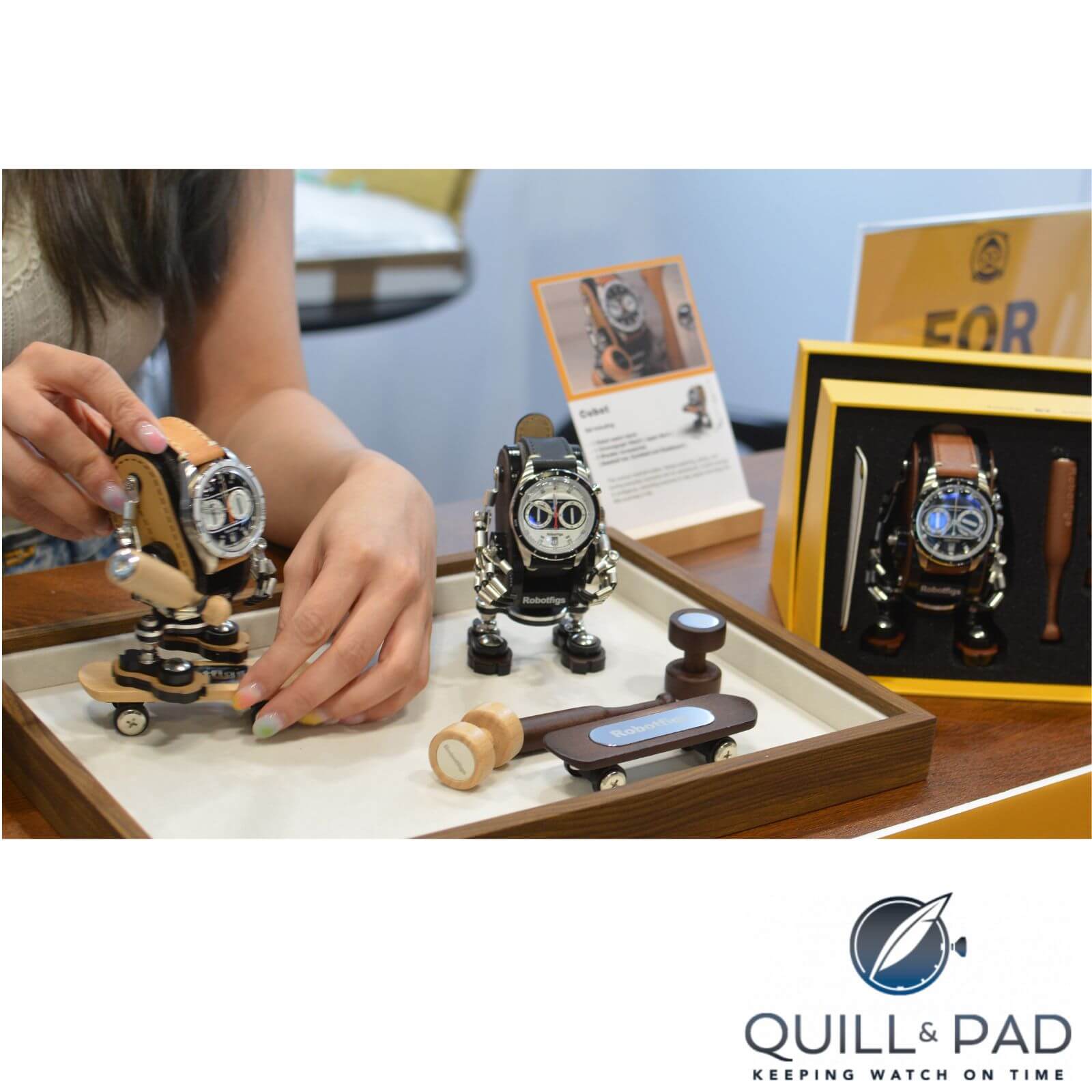
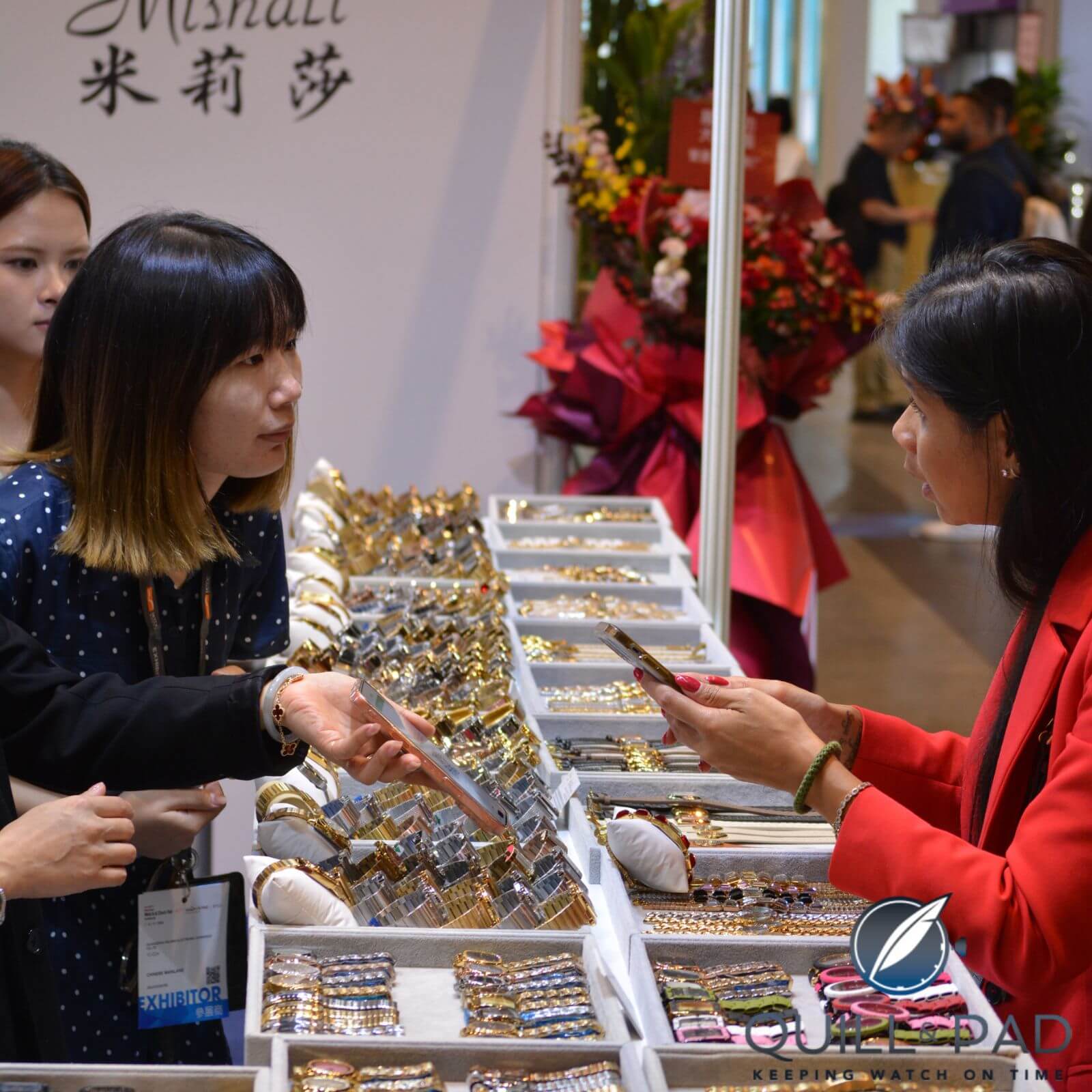
Established as a significant platform for the horological industry, the Hong Kong Watch & Clock Fair (HKWCF) has evolved considerably since its inception. It serves not merely as a showcase for finished timepieces but as a comprehensive exhibition of the entire value chain, offering a profound insight into the consumer experience itself. This multifaceted approach is evident on the first floor of the Hong Kong Convention and Exhibition Centre, where hundreds of enterprises are densely packed. This section of the fair is a microcosm of the watchmaking ecosystem, featuring small businesses specializing in watch peripherals such as straps, winders, and display cases, positioned alongside industrial powerhouses like Peacock, a renowned movement manufacturer. Attendees can discover tool-makers, bespoke strap artisans, specialists in sapphire crystal components, creators of innovative and sometimes whimsical packaging solutions, and, critically, numerous manufacturers focusing on OEM/ODM products. These Original Equipment Manufacturer (OEM) and Original Design Manufacturer (ODM) companies offer customizable watches, produced efficiently and in volume, catering to a wide array of market demands.
A Shifting Focus: From OEM Dominance to Brand Emergence
For years, the narrative at the HKWCF was largely dominated by OEM/ODM services. This model, often referred to as white-label manufacturing, has historically been a significant strength for Hong Kong and mainland China, contributing to their reputation as global manufacturing hubs. However, this association also, at times, led to perceptions of producing low-cost, mass-market goods. In recent years, a discernible shift has occurred. The spotlight has moved towards finished products and the Salon de Time, a dedicated section where brands, rather than just their manufacturing capabilities, take center stage. This evolution reflects a maturation of the Chinese watchmaking industry.
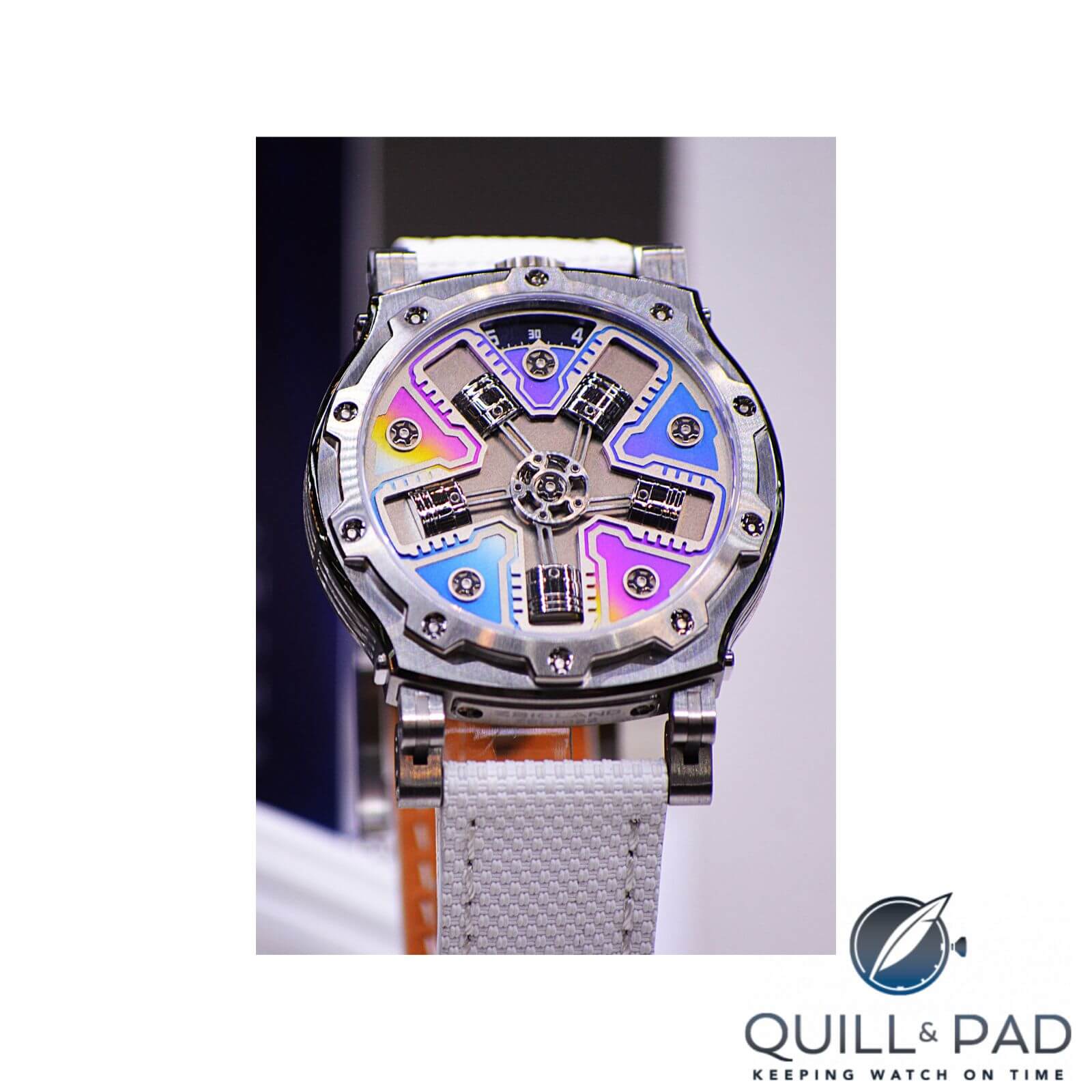
Martin Ko, a seasoned industry veteran and wholesale distributor of small Swiss brands like Berney and ZRC, with over three decades of experience, observes this transformation deeply. "I’ve been in business for more than 30 years," Ko stated, "and there is a trend and a fact that they are really improving, be that the movement, the design, and the production quality." He highlights that Hong Kong and China have long been instrumental in supplying high-quality components—cases, bracelets, dials, and crowns—to many top luxury watch labels globally. However, the landscape is changing, with medium-tier brands increasingly sourcing from Chinese factories. More significantly, Chinese enterprises are moving beyond their role as contract manufacturers. "They will start their own brand," Ko observes. "And I really see that they’re improving in design, creativity, and quality. That’s why they have the confidence to believe that this is the role for them to move on like this. It’s not only about doing production for the clients; this is more long-term for their own brand. They start to have their own distribution channel because the domestic market is very strong." This burgeoning domestic demand, coupled with a growing global recognition of Chinese horological prowess, is fueling this strategic pivot.
Innovation and Cultural Resonance: The Rise of Chinese Watch Brands
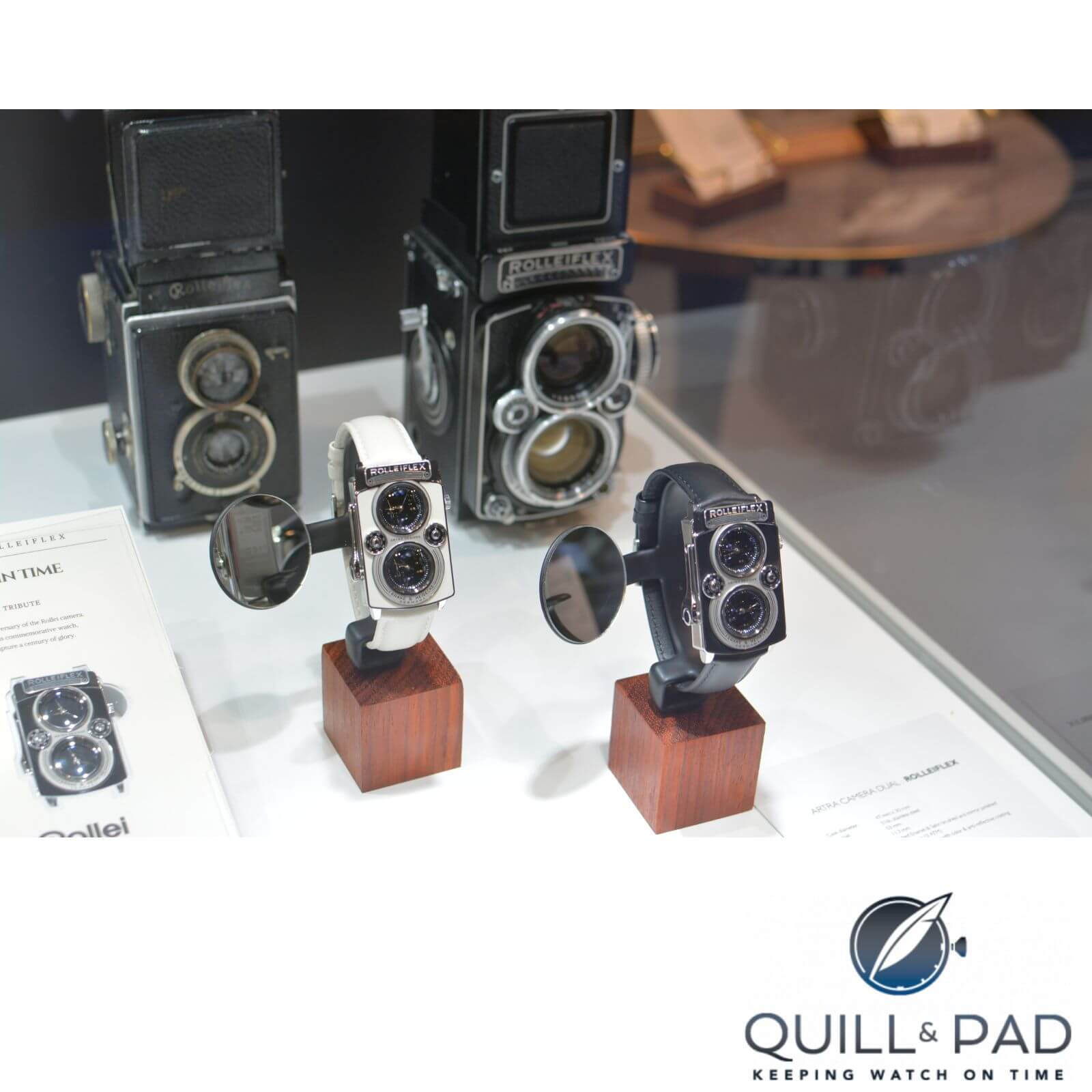
Two key factors are driving the ascent of Chinese watchmaking, beyond mere manufacturing enhancements, and these were prominently visible at the fair. Firstly, there is a surge of creativity from young entrepreneurs with a strong focus on design. Artra Designers, founded in 2018 by a collective of photographers, architects, and product designers in Hong Kong, exemplifies this trend. Their "Camera One" watch features a unique animation: a shutter that can be opened with a crown at 11 o’clock. The bezel and flange cleverly display ISO values, shutter speeds, and f-stops, respectively, mirroring the functionality of a camera. Their recent collaboration with Rolleiflex, commemorating the camera manufacturer’s 100th anniversary, is particularly ingenious. The design strategically utilizes the iconic dual lenses of the Rolleiflex camera to represent two distinct time-telling functions, a testament to creative problem-solving.
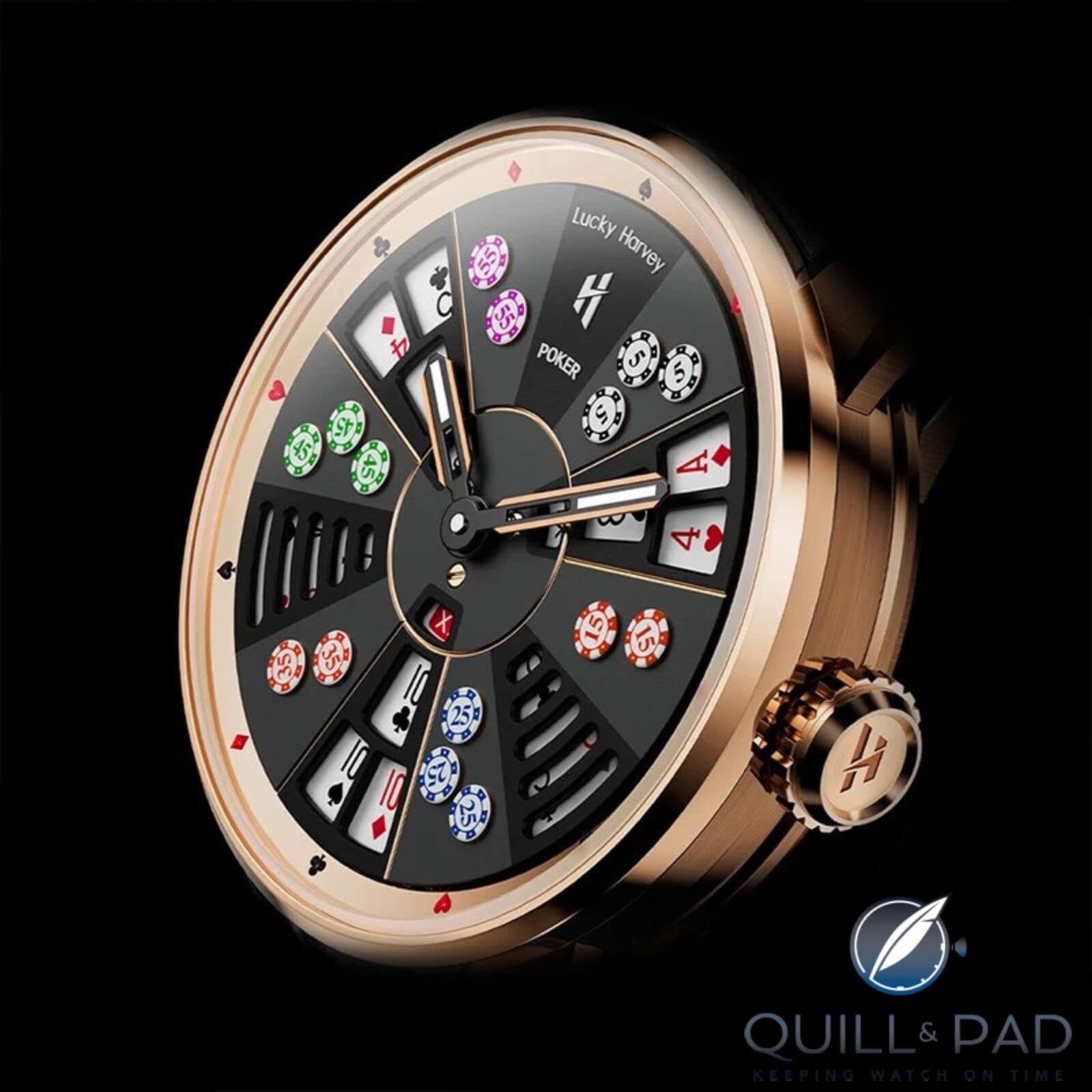
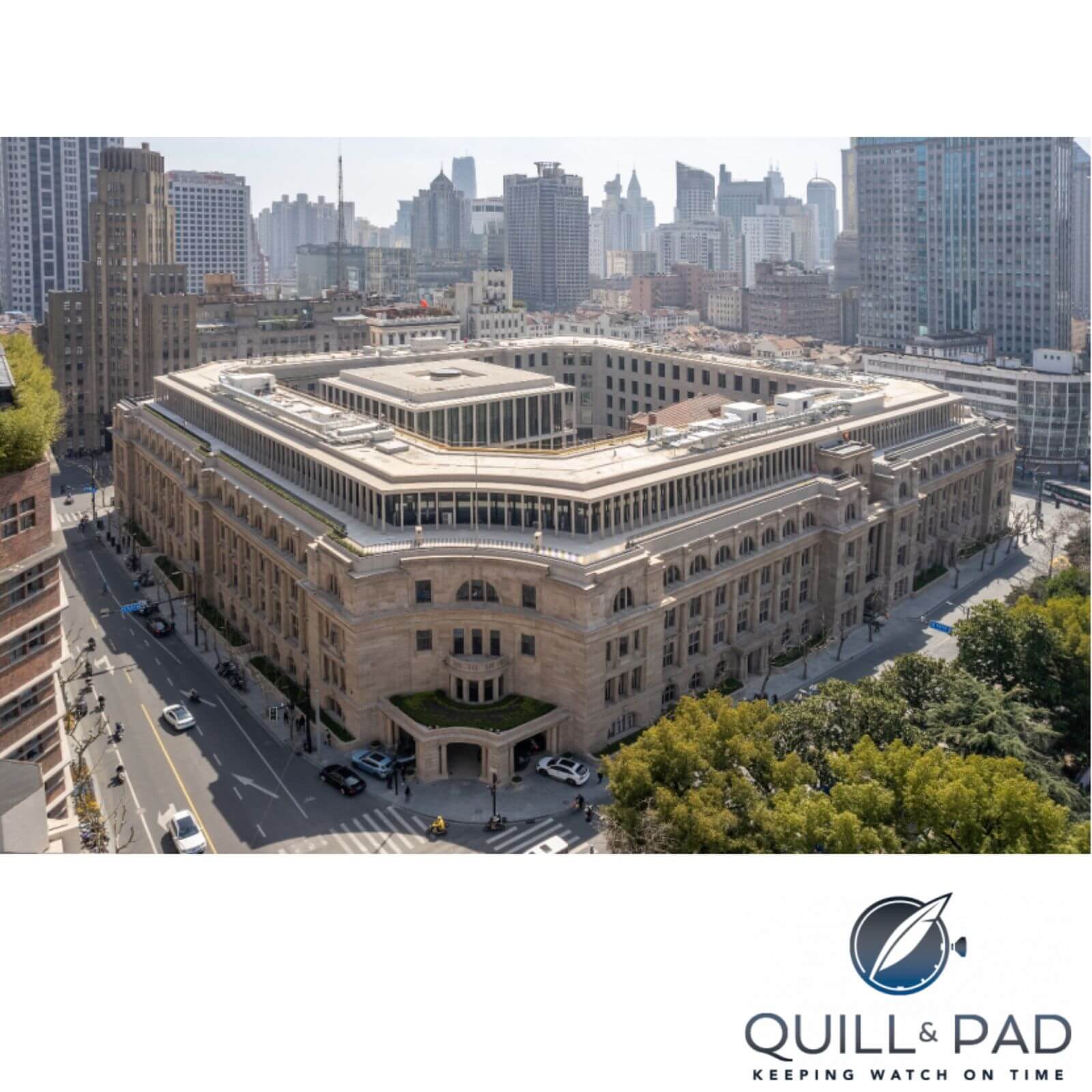
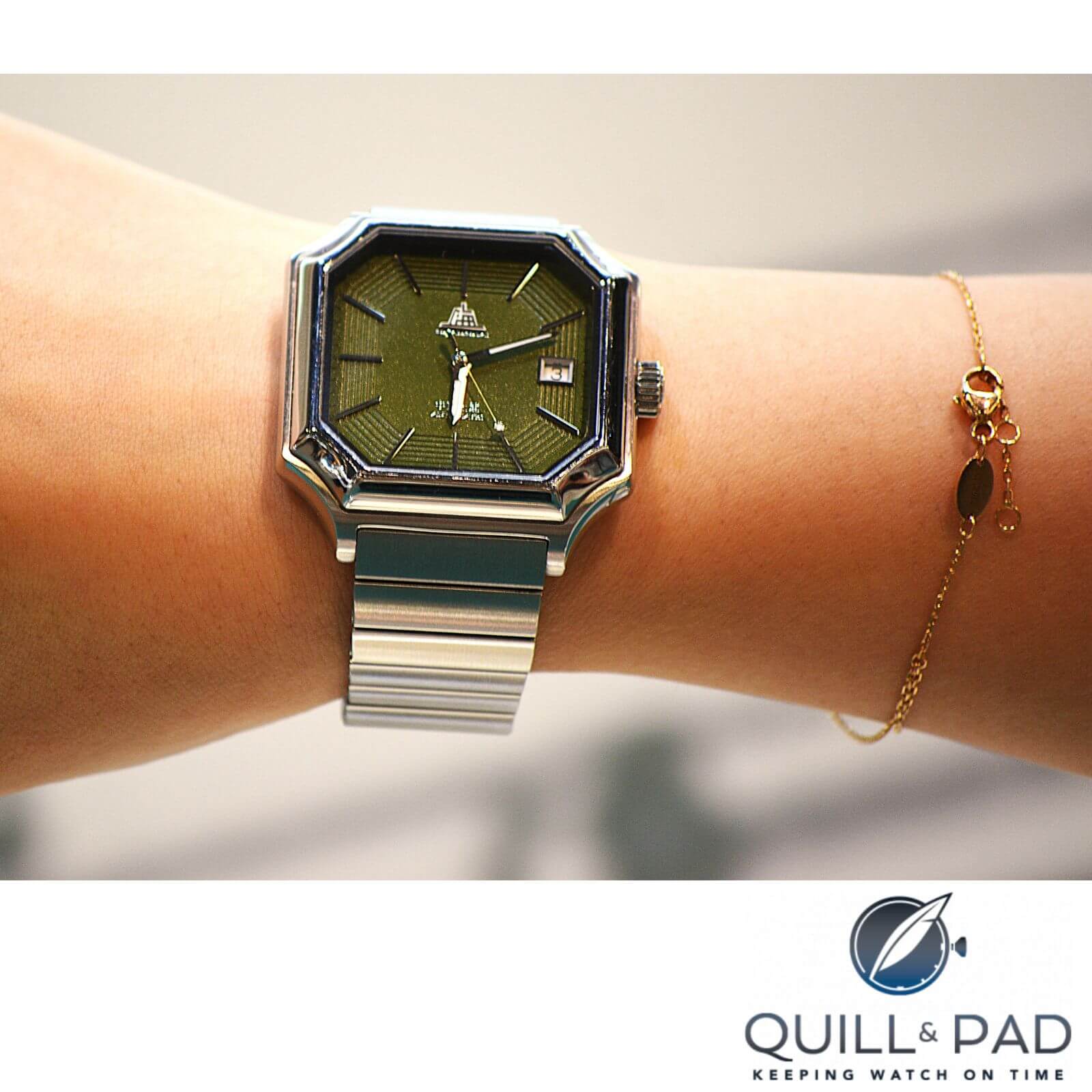
Beyond such specific design narratives, a broader cultural movement is shaping the industry. This is encapsulated by the concept of guochao, translated as "national wave" or "China chic." While often discussed in broader consumer goods markets, its influence is increasingly evident in watchmaking. It represents a natural evolution in design as a country gains greater confidence in its own cultural heritage. This trend manifests in various brands, some with overtly China-specific themes. Shanghai Watch, the country’s oldest watch brand, established in 1955 following a competition to create the first truly Chinese watch, is a prime example. Historically known for artistic pieces featuring paintings, Shanghai Watch has recently introduced watches with métiers d’art techniques that celebrate the city. Their presentation included pieces commemorating a merger with Sea-Gull, a historic rival and movement maker, and the latest model in their "Originate" line, inspired by the recently restored Old City Hall building, characterized by its large square form and gently indented corners.
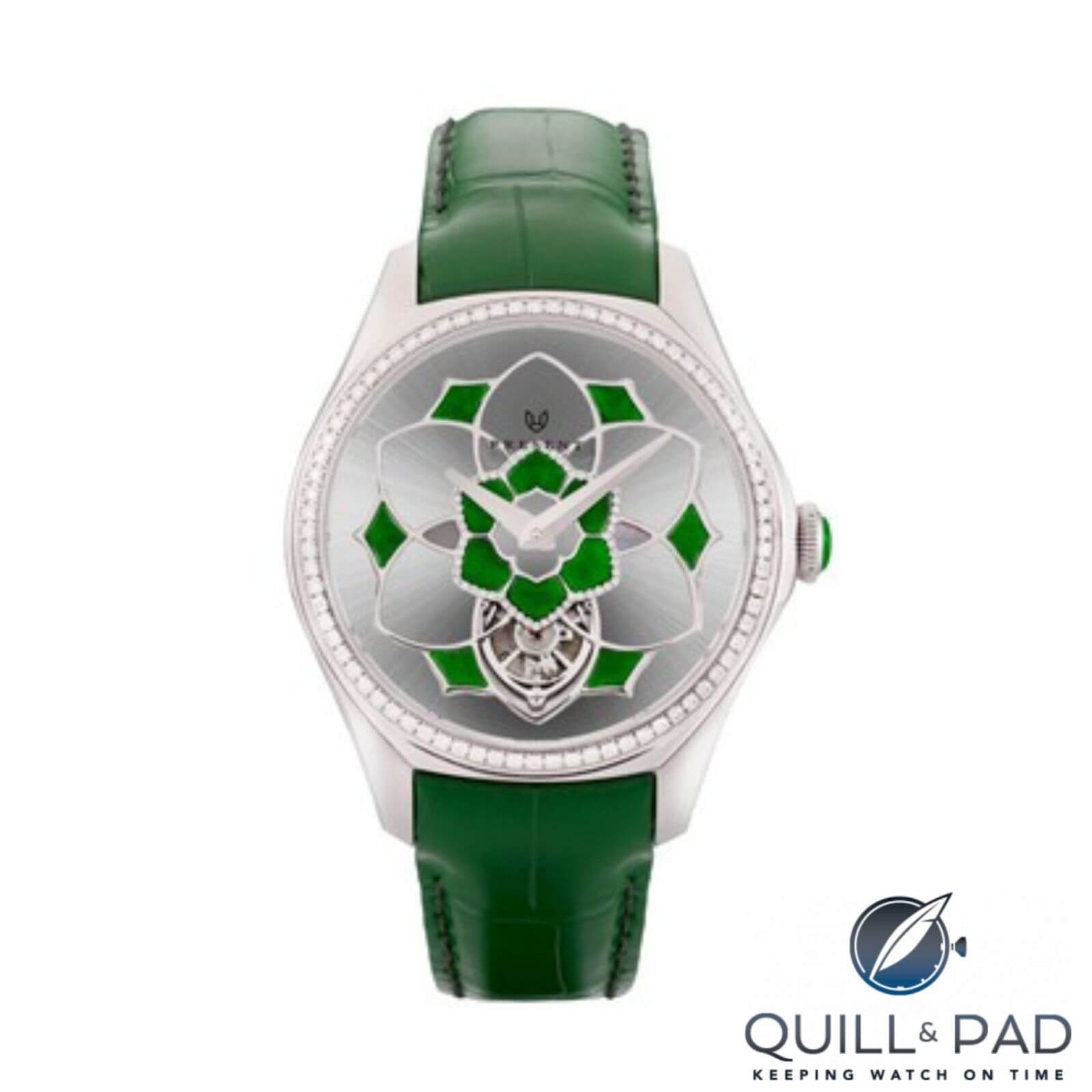
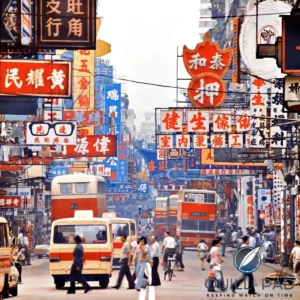
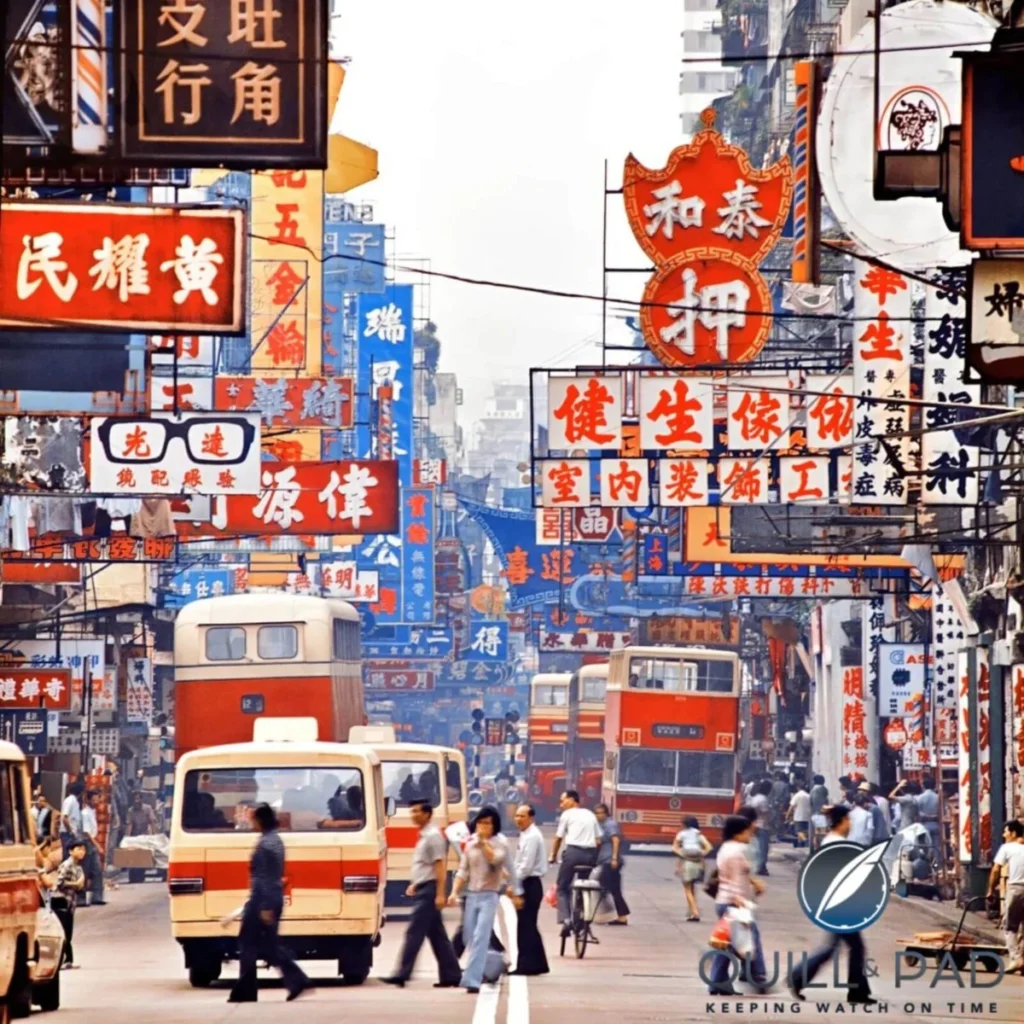
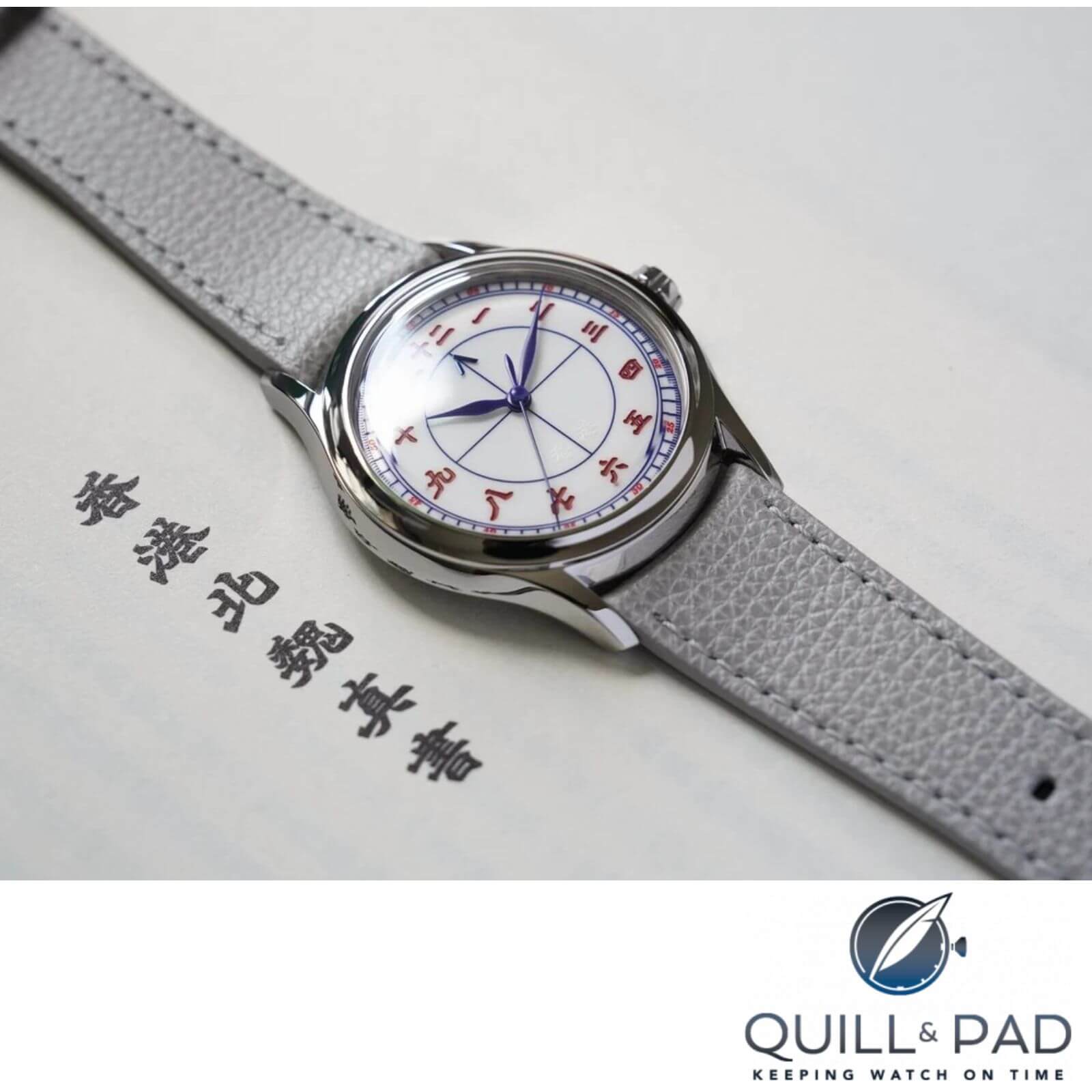
Other brands are subtly incorporating local cityscapes and heritage into their designs. Thomas Lee, the young founder of Aision, drew inspiration from the vibrant, colorful street signs of Hong Kong in the 1960s. His latest model features these distinctive fonts for its numerals, set against a sector dial. In a more concealed corner of the Salon de Time, Hipine showcased a watch that tells time using two lateral disks on a dial adorned with a replica of the Beijing Palace. These designs highlight a growing pride in Chinese identity and history, translated into contemporary horological expressions.
The Influence of Digital Culture and a Democratic Fair Atmosphere
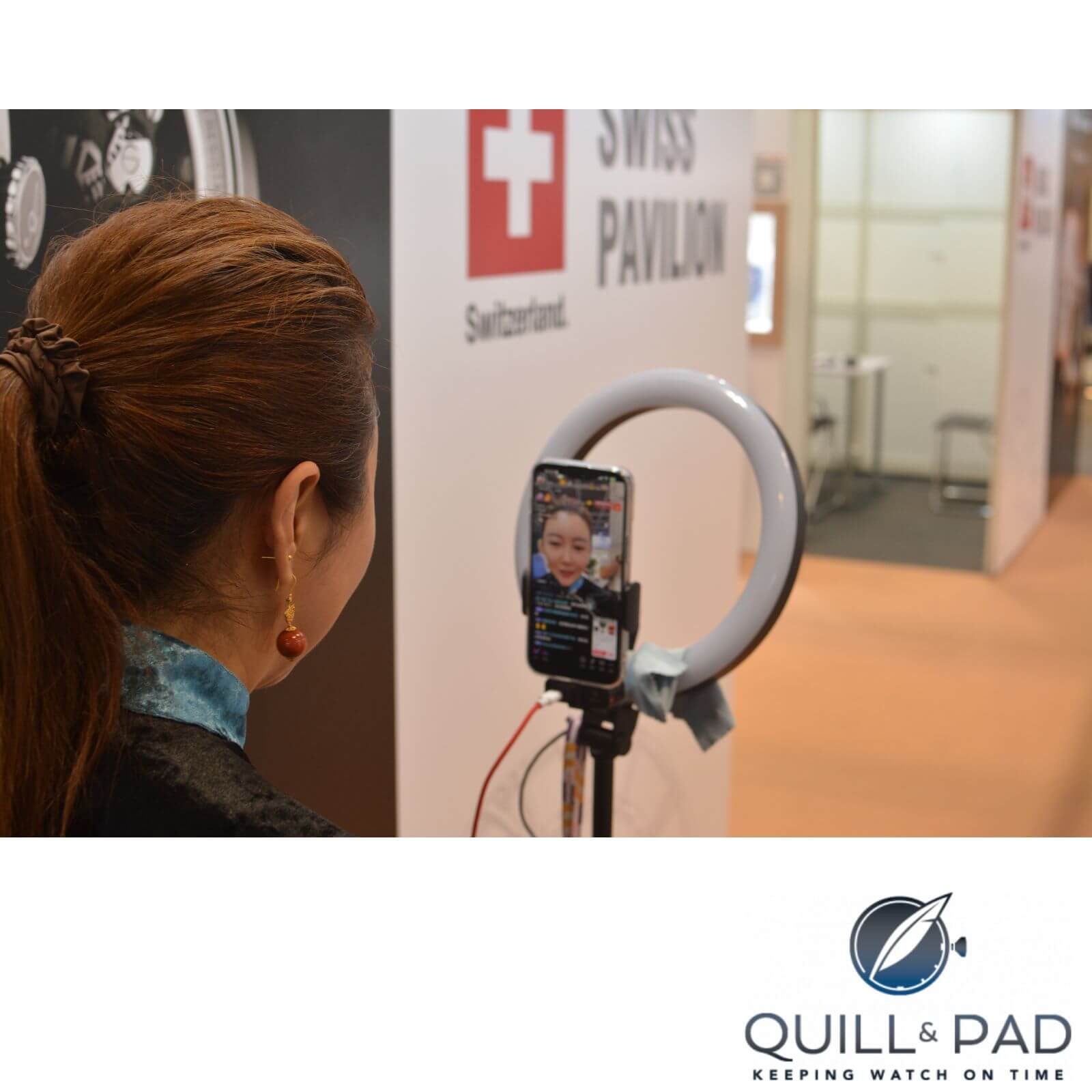
The Hong Kong Watch & Clock Fair also stands out for its embrace of contemporary digital culture and a decidedly democratic atmosphere. The fair has become a hub for the influencer economy, with content creators setting up compact stations equipped with ring lights and gimbals. These influencers engage in lively, often animated, presentations for their followers, a spectacle that can be reminiscent of high-energy broadcast media.
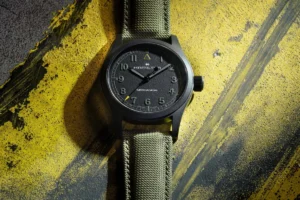
One such influencer, closely associated with the brand Boderry, founded by Gary, promotes affordable field watches. These timepieces feature unique "survival" straps equipped with a whistle, a tiny saw, and ropes. This approach diverges sharply from the polished luxury often associated with European watch fairs, aligning perfectly with the HKWCF’s inclusive, anything-goes spirit. This democratic ethos is further underscored by the fair’s accessibility, offering significantly more elbow room and fewer barriers compared to more exclusive European events. This contrast was particularly evident when juxtaposed with the Swiss Independent Watch Pavilion, which maintained a more traditional, sober, and focused presentation of fourteen brands, showcasing the pinnacle of detailed craftsmanship.
The fair’s vibrant energy was amplified by unexpected moments. One afternoon, the Salon erupted with cheers from a stage area where local singer Vic Teo was promoting the "FaLa La" tourbillon watch, a collaboration with the local brand Memorigin. The scene, with fans holding up phones and cheering, momentarily transformed the trade event into something akin to a rock concert. Whether this fusion of entertainment and horology represents the future of watch fairs or is a temporary phenomenon remains to be seen, but it undeniably contributes to the HKWCF’s reputation for never being dull.
Market Dynamics and Future Outlook
The appeal of Chinese watches is gradually increasing among local buyers. However, Tamdi Chonge Foster, owner of Epos, noted that a deep respect for the craftsmanship of mechanical watches continues to hold significant sway with Asian buyers. This indicates a persistent market for high-quality mechanical timepieces, even as new trends emerge. Data presented at the Asian Watch Forum by Prudence Lai, senior consultant for Euromonitor, suggests a growing global demand for watches. Despite prevailing economic uncertainties, rising prosperity in countries like India and the Philippines, in particular, points to continued market expansion for the horological industry.

The Hong Kong Watch & Clock Fair, therefore, continues to be a critical nexus for the industry. It is a place where deals are struck, components are sourced, vital connections are forged, and, fundamentally, watches are sold. The fair’s ability to adapt and its embrace of both traditional craftsmanship and modern trends, from OEM manufacturing to the burgeoning influence of domestic brands and digital marketing, positions it as a dynamic and forward-looking platform in the global watchmaking landscape. The energy that defines the HKWCF is not just a reflection of its bustling environment but also a potent indicator of the industry’s ongoing evolution and the increasing significance of the Asian market.