The future of the BMW M3 is shaping up to be a fascinating blend of tradition and technological advancement, with the next-generation model recently spotted undergoing rigorous testing at the iconic Nürburgring circuit. While the performance sedan is confirmed to be offered in both fully electric and hybrid powertrains, a significant development has emerged: the combustion-engined variant may continue to feature a manual gearbox, a prospect that will undoubtedly delight driving enthusiasts worldwide. This potential continuation of a manual transmission in a high-performance M car signals BMW M’s commitment to driver engagement, even as the automotive industry navigates an electrified future.
BMW M boss Frank van Meel, speaking at the recent Goodwood Festival of Speed, a renowned event that celebrates automotive heritage and innovation, indicated that the division intends to retain manual transmissions in its petrol-powered performance vehicles for "as long as possible." This statement comes at a pivotal moment, with many manufacturers phasing out manual gearboxes in favor of more efficient and technologically advanced automatic or dual-clutch systems. Van Meel’s remarks suggest a strategic decision by BMW M to cater to a segment of its loyal customer base that values the tactile connection and involvement offered by a three-pedal setup. The Goodwood Festival of Speed, held annually in West Sussex, England, serves as a prominent platform for automotive reveals and discussions, making it an opportune venue for such an announcement. The event attracts a global audience of enthusiasts, industry professionals, and media, underscoring the significance of BMW M’s stance on manual transmissions.
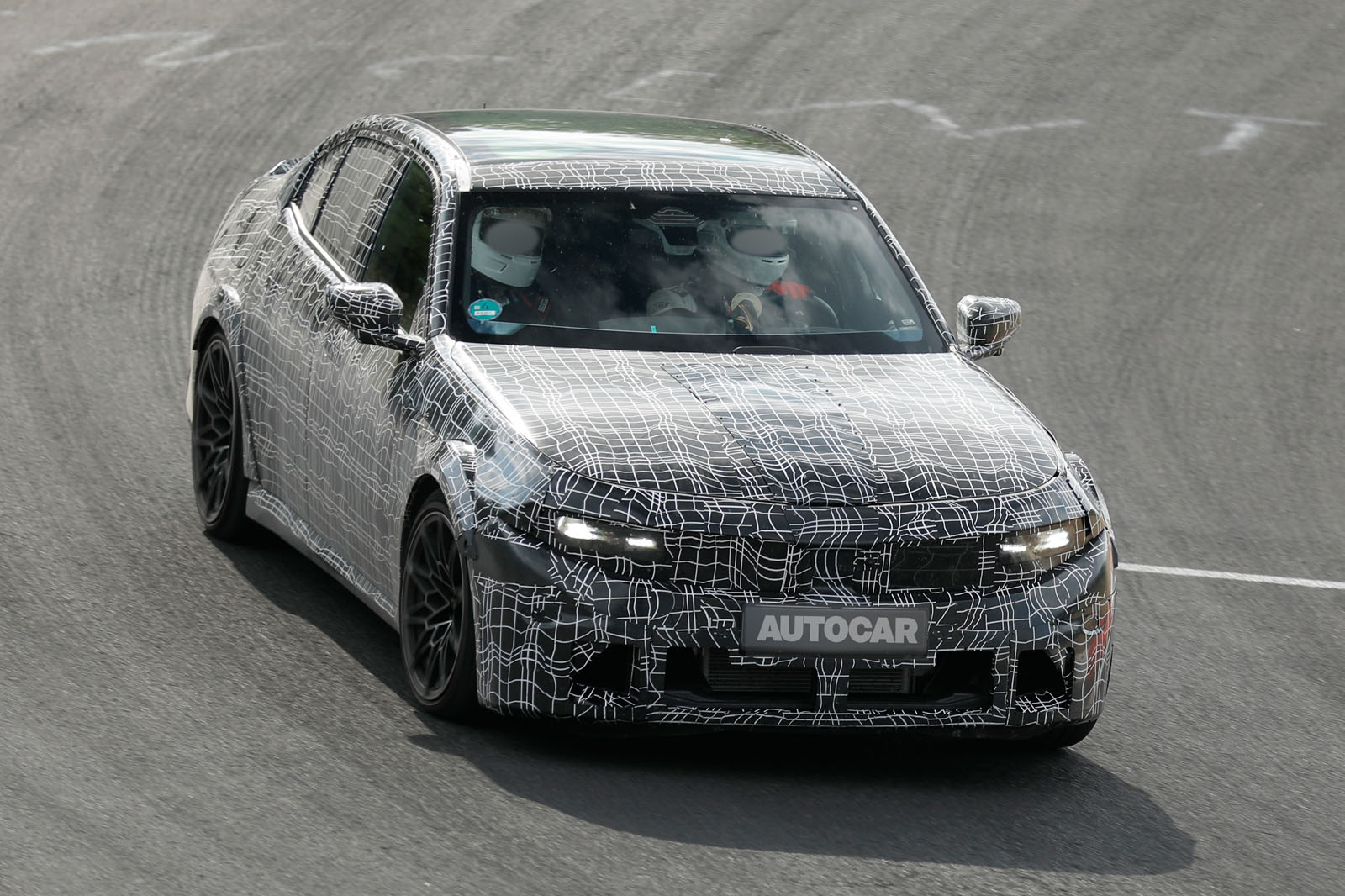
The spy shots and sightings of the next-generation M3 at the Nürburgring are not merely glimpses of a new model; they represent the culmination of extensive development and testing. The Nürburgring Nordschleife, often referred to as the "Green Hell," is one of the most demanding race tracks in the world, and its rigorous use by manufacturers is a testament to their pursuit of ultimate performance and durability. The fact that BMW M is subjecting its next-generation M3 to these extreme conditions signifies their unwavering dedication to refining every aspect of the vehicle’s dynamics, power delivery, and overall driving experience. This testing phase is crucial for validating the car’s engineering prowess, ensuring it meets the high standards expected of an M car.
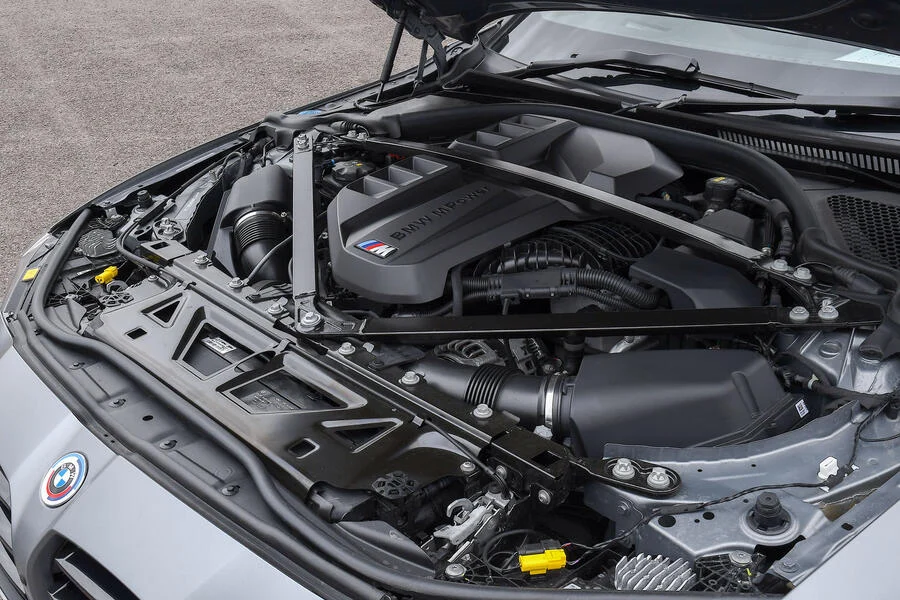
The forthcoming M3 is expected to be a technological tour de force, offering a multi-powertrain strategy that underscores BMW’s forward-thinking approach. Alongside the traditional internal combustion engine (ICE) variant, there will be a fully electric version, reflecting the industry-wide shift towards electrification. This dual approach allows BMW to cater to diverse market demands and regulatory landscapes, ensuring the M3 remains a relevant and desirable performance vehicle for years to come. The development of the electric M3 will undoubtedly leverage BMW’s expertise in electric vehicle technology, potentially drawing on advancements seen in models like the i4 M50 and the upcoming i5 M60.
For the petrol-powered M3, the continued availability of a manual gearbox presents a compelling argument for enthusiasts. While automatic and dual-clutch transmissions have become incredibly sophisticated, offering lightning-fast shifts and optimal efficiency, they can sometimes diminish the raw, visceral connection between driver and machine that a manual offers. The act of selecting gears, managing the clutch, and orchestrating the engine’s power delivery can be a deeply rewarding experience for many driving purists. The potential for a manual transmission in the new M3 could therefore be a significant differentiator in a market increasingly dominated by automated shifting.
The current generation of the M3, the G80, already offers a manual transmission in its base and Competition trims, a decision that was met with widespread approval by automotive journalists and enthusiasts. This move was seen as a deliberate effort by BMW M to acknowledge and preserve the heritage of the M3 as a driver-focused sports sedan. The success of this strategy in the current generation likely emboldened BMW M to consider its continuation for the next iteration. Data from the automotive market often indicates a dedicated, albeit smaller, segment of buyers who specifically seek out manual transmission vehicles, especially within the performance car segment. While precise sales figures for manual M3s are proprietary, anecdotal evidence and industry trends suggest a consistent demand.
The implications of BMW M’s commitment to manual transmissions extend beyond just the M3. It suggests a broader philosophy within the performance division that values driver involvement as a core tenet of the M brand. This could mean that other future M models, particularly those with a strong heritage of manual shifting, might also retain this option. This stance could also influence other performance car manufacturers, potentially encouraging them to reconsider their own strategies regarding manual transmissions. In an era where performance is often equated with outright speed and technological prowess, BMW M’s emphasis on the driving experience itself is a refreshing and significant development.
The development timeline for the next-generation BMW M3 is not yet fully disclosed, but typically, a new generation of a core model like the M3 emerges approximately every seven to eight years. Given the current G80 generation launched around 2020, it is reasonable to expect the next iteration to arrive in the mid-to-late 2020s. The testing observed at the Nürburgring is consistent with a development cycle that would lead to a production launch within this timeframe. The simultaneous development of ICE, hybrid, and electric variants adds complexity to this timeline, requiring extensive validation for each powertrain option.
The automotive landscape is undergoing a profound transformation, driven by emissions regulations, technological advancements, and evolving consumer preferences. For performance car manufacturers, the challenge lies in balancing the pursuit of exhilarating driving dynamics with the imperative to reduce their environmental footprint and embrace electrification. BMW M’s approach, with its proposed multi-powertrain strategy and the potential retention of manual transmissions, demonstrates a nuanced understanding of these competing demands. It suggests a commitment to innovation without abandoning the core values that have defined the M brand for decades.
The Nürburgring, beyond being a testing ground, also holds historical significance for BMW M. Many of its most iconic models have been honed on its unforgiving asphalt, etching their performance credentials into automotive lore. The sight of a camouflaged M3 prototype tackling the Nordschleife is a familiar one, representing the ongoing evolution of these legendary machines. Each lap on this circuit provides invaluable data, allowing engineers to fine-tune suspension settings, braking systems, engine performance, and aerodynamic elements to achieve the ultimate balance of speed, agility, and driver feedback.
The decision to offer a manual gearbox, even in a performance car that will also be available in electrified forms, can be seen as a strategic move to appeal to a wider range of performance car buyers. While the electric M3 will undoubtedly offer blistering acceleration and advanced technology, the manual ICE version will cater to those who cherish the traditional driving experience. This differentiation within the model lineup can help BMW M maintain its market share and appeal to diverse segments of the performance car enthusiast community.
Furthermore, the continued availability of a manual transmission in a car like the M3 has a symbolic significance. It represents a commitment to the art of driving, to the engagement and connection that many feel is diminishing in the modern automotive landscape. It’s a nod to the heritage of performance motoring, while simultaneously looking towards the future. The "as long as possible" qualifier from Frank van Meel is key; it suggests that while the industry is undeniably moving towards electrification, BMW M is determined to extract every last drop of driving enjoyment from its internal combustion engines before they are eventually phased out.
The implications for the used car market are also worth considering. Cars that offer a manual transmission, particularly performance models, often command a premium among enthusiasts who seek out these increasingly rare configurations. The next-generation M3, if it indeed offers a manual, could become a sought-after future classic for those who appreciate the combination of modern performance and traditional driver engagement.
In conclusion, the next-generation BMW M3 promises to be a groundbreaking vehicle, offering a diverse range of powertrains to meet the evolving demands of the automotive world. However, the most exciting news for driving purists is the strong possibility that the combustion-engined variant will continue to be available with a manual gearbox. This decision, articulated by BMW M boss Frank van Meel, underscores the division’s dedication to driver engagement and its commitment to preserving the essence of what makes an M car so special. As the automotive industry accelerates towards an electrified future, BMW M’s bold stance on the manual transmission serves as a powerful reminder that the thrill of driving remains a vital component of automotive passion. The rigorous testing at the Nürburgring signifies that the pursuit of ultimate performance, coupled with the joy of manual shifting, is very much alive and well within the M division.