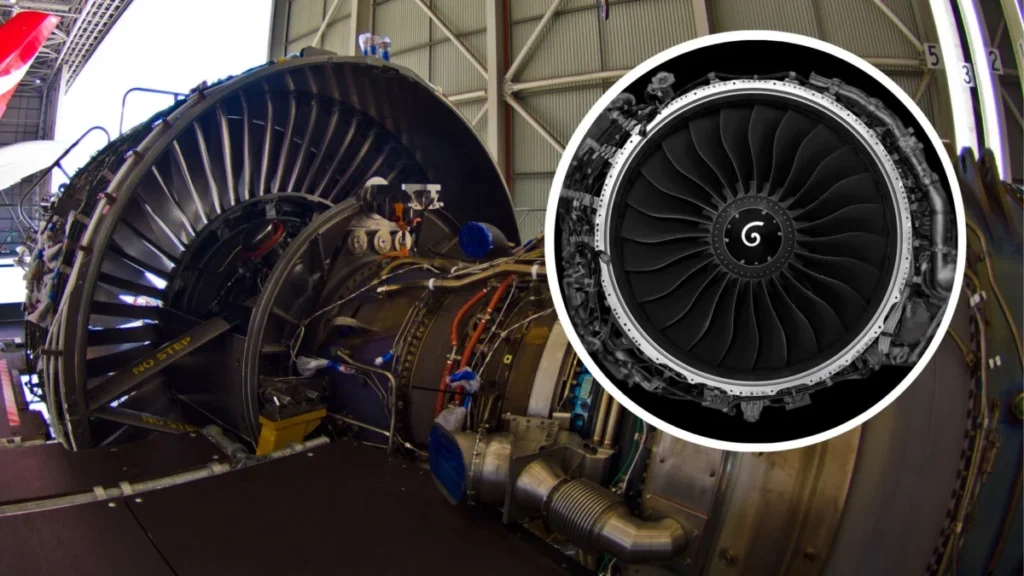
An Ohio-based titan of the aerospace industry, GE Aerospace, has announced a significant operational milestone, with its GEnx-1B aircraft engine officially surpassing 50 million flight hours. This remarkable achievement, reached in just over 14 years since its entry into service, marks the fastest accumulation of flight hours for any commercial widebody engine model in GE Aerospace’s storied history. The GEnx-1B is the exclusive power plant for the popular Boeing 787 Dreamliner family, a cornerstone of modern long-haul air travel, and is currently deployed across a global network by more than 50 airline operators. This fleet collectively averages an impressive 600,000 flight hours monthly, underscoring the engine’s integral role in facilitating global connectivity and commerce.
The GEnx Legacy: A Pillar of Modern Widebody Aviation
The GEnx engine family represents a crucial chapter in the evolution of commercial aviation propulsion, building upon decades of GE’s pioneering work in jet engine technology. Introduced to service in 2009 with the Boeing 787 Dreamliner, the GEnx-1B was designed from the outset to deliver superior fuel efficiency, reduced emissions, and lower noise levels compared to previous generation engines, aligning with the aviation industry’s growing emphasis on environmental responsibility and operational economics. Its rapid accumulation of 50 million flight hours is not merely a numerical achievement but a testament to its robust design, advanced engineering, and the rigorous maintenance protocols that ensure its sustained performance across diverse operational environments.
The GEnx, short for "General Electric Next-generation," was developed to succeed the CF6 engine family, a highly successful series that powered a vast array of widebody aircraft for decades. The transition to the GEnx marked a significant technological leap, incorporating composite materials, advanced aerodynamic designs, and sophisticated electronic controls. These innovations collectively contribute to the engine’s impressive performance metrics and its ability to meet the stringent demands of modern commercial flight. The engine’s architecture, including its large fan diameter and high bypass ratio, is optimized for long-distance cruising, making it an ideal choice for the Boeing 787 Dreamliner, an aircraft specifically designed for fuel-efficient, long-range operations. The Dreamliner itself, which began commercial service in late 2011, quickly became a game-changer for airlines, enabling new nonstop routes and offering enhanced passenger comfort, with the GEnx-1B playing a pivotal role in realizing its operational promises.
Unprecedented Reliability and On-Wing Performance
Central to the GEnx-1B’s success is its exceptional operational reliability. GE Aerospace proudly reports that the engine boasts an industry-leading 99.98% dispatch reliability rate. This metric is critical for airlines, directly impacting flight schedules, passenger satisfaction, and operational costs. A high dispatch reliability rate means fewer delays and cancellations attributable to engine issues, translating into significant economic benefits for carriers. For an engine operating in a global fleet, this percentage signifies that out of every 10,000 scheduled departures, only two would experience an engine-related delay or cancellation, a remarkable feat given the complexity of modern jet engines and the harsh environments they operate within. Furthermore, the company highlights that the GEnx-1B maintains an on-wing time — the duration an engine remains installed on an aircraft between removals for maintenance — at a rate three times higher than competing engines. This extended on-wing performance is a direct result of the engine’s inherent durability and the effectiveness of GE Aerospace’s maintenance programs and technological enhancements.
Mohamed Ali, President & CEO, GE Aerospace Commercial Engines & Services, emphasized the strategic importance of these attributes, stating, "Airlines need engines that deliver reliability, durability, predictability, and efficiency across some of the world’s most demanding routes, and the GEnx-1B continues to do exactly that." He added, "Reaching 50 million flight hours for the GEnx-1B in less than 15 years is a remarkable milestone, and it reflects the trust our customers place in GE Aerospace every day." These statements underscore GE Aerospace’s commitment to delivering engines that not only meet but exceed the rigorous demands of global commercial aviation, providing airlines with the operational confidence necessary to expand their networks and enhance profitability. The superior on-wing time translates directly into reduced maintenance expenses, fewer aircraft groundings, and greater asset utilization, all of which are paramount for an airline’s bottom line.
The extended on-wing time is particularly valuable for airlines operating long-haul routes, where the logistical challenges and costs associated with engine removal and replacement are magnified. By reducing the frequency of unscheduled maintenance events and extending the intervals between scheduled overhauls, the GEnx-1B directly contributes to lower maintenance costs, increased aircraft availability, and ultimately, a more efficient and profitable operation for airlines. This benefit is amplified by the fact that the GEnx engine powers flights that traverse some of Earth’s most challenging environments, from the extreme cold of polar routes to the intense heat and dust of desert regions, showcasing its robust design and adaptability under stress.
A Family of Powerhouses: GEnx-2B and Overall Fleet Performance
While the GEnx-1B exclusively powers the Boeing 787 Dreamliner, the broader GEnx engine family also includes the GEnx-2B variant, which entered service in 2011 on the Boeing 747-8. This variant has itself accumulated an impressive 24 million flight hours, contributing significantly to the family’s overall performance metrics. In total, the GEnx engine family, encompassing both the -1B and -2B models, has amassed nearly 75 million flight hours and approximately 12 million flight cycles. These figures, including spare engines, represent more than 2,700 GEnx engines currently in service worldwide. The sheer volume of operational data collected across this extensive fleet provides an unparalleled feedback loop for GE Aerospace’s engineering teams.
The comprehensive performance data from both GEnx variants provides GE Aerospace with a rich trove of operational intelligence, enabling continuous improvement and refinement of the engine’s design and maintenance strategies. Over the past decade, GE Aerospace has proactively implemented several key upgrades to the GEnx engine. These enhancements include advancements in high-pressure turbine blade technology and improved combustor coating technologies. Such innovations have demonstrably more than doubled the time on wing in harsh operating environments, further solidifying the GEnx’s reputation for durability and extended operational life. These continuous improvements are a testament to GE Aerospace’s dedication to lifelong product support and technological leadership, ensuring that the GEnx remains at the forefront of engine performance throughout its operational lifecycle.
Fuel Efficiency and Environmental Stewardship
One of the GEnx engine’s most compelling attributes is its superior fuel efficiency. Compared to the CF6 engines it largely replaced, the GEnx offers up to 15% better fuel efficiency. This translates directly into substantial cost savings for airlines, as fuel typically represents one of their largest operating expenses, often accounting for 20-30% of total operational costs. Beyond the economic benefits, enhanced fuel efficiency also means a corresponding reduction in carbon dioxide (CO2) emissions, aligning with the aviation industry’s global commitment to decarbonization. The GEnx also features a revolutionary twin-annular pre-swirl (TAPS) combustor, which significantly reduces NOx (nitrogen oxide) emissions and other regulated gases, making it one of the cleanest engines in its class and meeting stringent international environmental standards.
This commitment to environmental performance is particularly relevant as the industry faces increasing pressure to adopt more sustainable practices and achieve net-zero carbon emissions by 2050. The GEnx’s inherent design, coupled with ongoing technological refinements, positions it as a key enabler for airlines striving to meet their environmental targets while maintaining profitable operations. Its ability to power many of the longest 787 Dreamliner routes, including Qantas’s record-breaking nonstop flight from New York to Sydney, underscores its efficiency and reliability even under the most demanding conditions. Such flights demonstrate not only the engine’s endurance but also its capacity to facilitate new possibilities in global air travel, connecting distant city pairs with greater speed and fewer stops, thereby enhancing global commerce and cultural exchange.
Strategic Implications for Boeing and Global Air Travel
The GEnx-1B’s latest milestone holds significant implications for both GE Aerospace and its primary airframer partner, Boeing. It reinforces GE Aerospace’s commitment to supporting Boeing’s planned increase in 787 Dreamliner production. Boeing has been working to ramp up its manufacturing rates for the 787 following supply chain disruptions and regulatory hurdles, and reliable, high-performing engine supply is critical to achieving these targets. Company executives from GE Aerospace have affirmed that engine deliveries are being scaled up in direct alignment with Boeing’s production goals, ensuring a steady and sufficient supply as airlines worldwide continue to expand and modernize their long-haul fleets. This synergy between airframer and engine manufacturer is vital for the stability and growth of the commercial aviation ecosystem, allowing Boeing to deliver aircraft on schedule and airlines to capitalize on growing travel demand.
As international air travel continues its robust recovery and growth trajectory following recent global challenges, the increasing importance of engine reliability, durability, and operational efficiency cannot be overstated. For airlines operating demanding long-distance routes, the GEnx-1B’s proven record of performance provides a strong foundation for their next phase of global fleet expansion. The ability to minimize unscheduled maintenance and maximize aircraft utilization directly translates into competitive advantages for carriers, allowing them to offer more reliable services, optimize their route networks, and confidently invest in new long-haul aircraft.
The GEnx engine family’s status as the fastest-selling widebody jet engine in GE Aerospace history, with over 3,000 engines in service and on order, solidifies its market leadership. This robust order book reflects the confidence that airlines globally place in its performance and the comprehensive support infrastructure provided by GE Aerospace. The engine’s proven track record on both the Boeing 787 Dreamliner and the Boeing 747-8 makes it a versatile and trusted choice for a diverse range of widebody operations, from passenger transport to cargo hauling, further cementing its critical role in the global aviation landscape.
Advancements in Maintenance and Digital Solutions
Beyond the core engine technology, GE Aerospace is continuously investing in advanced maintenance technologies designed to further enhance operational efficiency for its airline customers. These innovations include the deployment of sophisticated digital inspection tools, which leverage artificial intelligence and advanced analytics to predict maintenance needs, reduce downtime, and optimize repair processes. Enhanced engine cleaning solutions are also being introduced, aimed at maintaining peak performance and extending the intervals between maintenance events. These tools are part of a broader strategy to transition from time-based maintenance to condition-based and predictive maintenance, maximizing the operational lifespan and efficiency of each engine.
The integration of digital twins and predictive analytics allows airlines and GE Aerospace to monitor engine health in real-time, identify potential issues before they escalate, and schedule maintenance proactively. This shift from reactive to predictive maintenance minimizes disruptions, improves safety, and reduces overall operational costs. Furthermore, data-driven insights enable GE Aerospace to tailor maintenance programs to specific operating conditions and airline requirements, ensuring optimal performance and longevity for the GEnx fleet. These digital advancements are transforming how engines are maintained, ensuring that the GEnx family continues to deliver optimal performance throughout its operational life cycle, even as the global fleet expands and ages.
Broader Industry Impact and Future Outlook
The GEnx-1B’s achievement of 50 million flight hours transcends a mere numerical milestone; it symbolizes the relentless pursuit of engineering excellence and the critical role of propulsion technology in shaping the future of air travel. It underscores the ongoing demand for highly efficient and reliable engines capable of supporting an increasingly interconnected world. As global trade, tourism, and personal travel continue to expand, the infrastructure that supports these movements – including advanced aircraft engines – becomes ever more vital. This milestone serves as a strong indicator of the sustained health and recovery of the long-haul aviation market, demonstrating airlines’ confidence in their future operational capacity.
This achievement reinforces GE Aerospace’s position as a global leader in aircraft propulsion and provides a strong foundation for its future research and development efforts. The insights gained from 50 million flight hours of real-world operation will undoubtedly feed into the next generation of engine designs, pushing the boundaries of efficiency, sustainability, and performance even further. The industry is on the cusp of significant transformations, with a strong focus on sustainable aviation fuels (SAFs), hybrid-electric propulsion, and eventually, hydrogen-powered aircraft. The GEnx, with its proven efficiency and adaptability, serves as a crucial bridge to these future technologies, demonstrating how continuous innovation can extend the life and relevance of existing platforms while paving the way for revolutionary advancements in clean aviation.
In conclusion, the GEnx-1B engine’s achievement of 50 million flight hours is a profound testament to its design, engineering, and the collaborative efforts between GE Aerospace, Boeing, and airline operators worldwide. It solidifies its reputation as a workhorse of long-haul aviation, underpinning global connectivity and setting a high bar for reliability and efficiency in the competitive widebody engine market. As the industry looks towards a future of sustained growth and greater environmental responsibility, the GEnx legacy will undoubtedly continue to inspire and propel the next generation of aerospace innovation.






