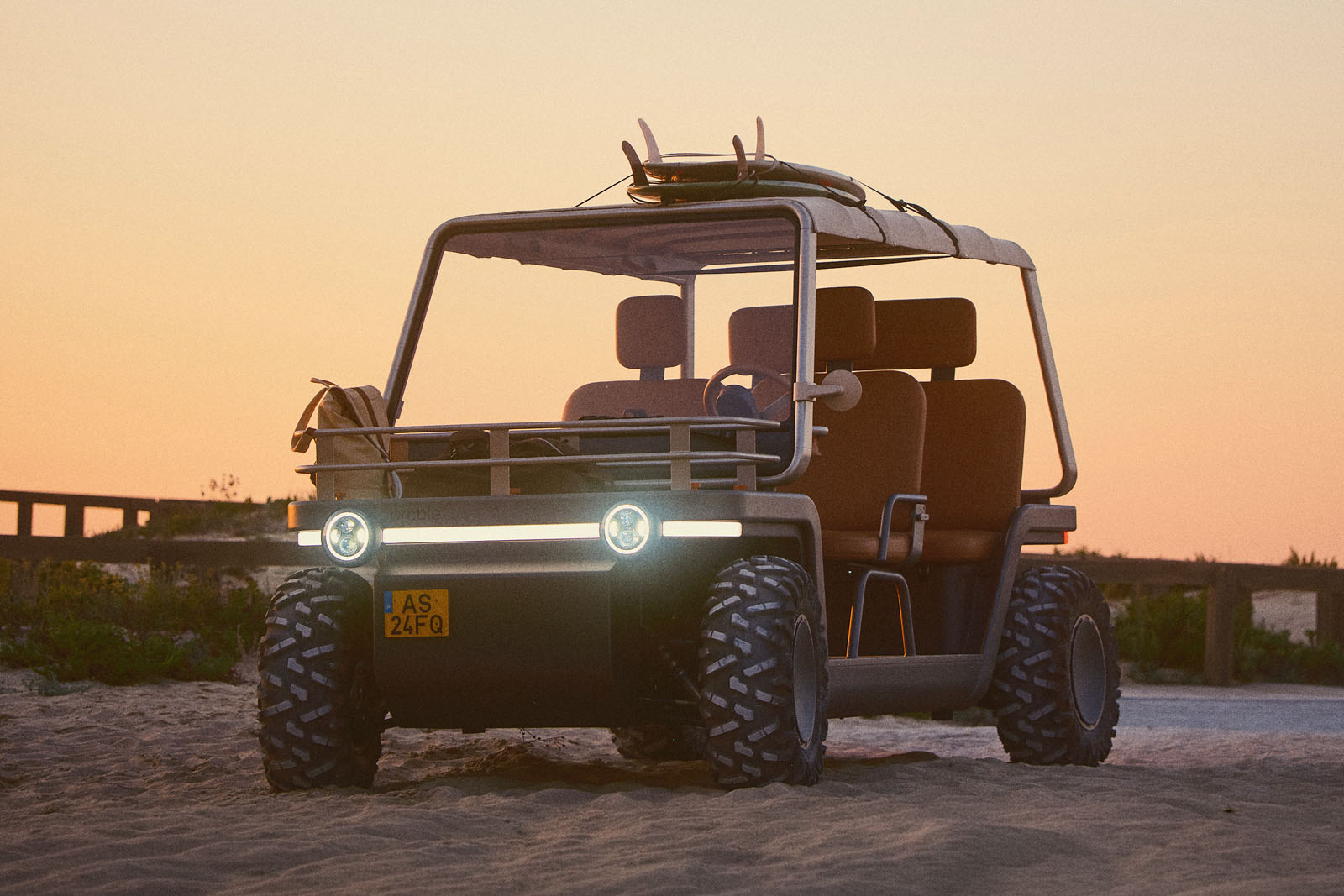
A Portuguese startup, Amble, is poised to revolutionize the microcar segment with its debut model, the One. This diminutive, sub-450kg vehicle is not just another city commuter; it’s an off-road-inspired quadricycle designed by Julian Hoenig, the creative mind behind iconic automotive designs like the Audi R8 and the highly influential Apple Watch. The One aims to blend rugged capability with urban practicality, a concept that diverges significantly from the typical paved-road-bound nature of most microcars.
From Concept to Road-Legal Explorer: The Genesis of Amble
The genesis of the Amble One can be traced back four years, to a specific need identified within the luxury hospitality sector. Julian Hoenig was approached by a friend operating hotels, seeking a golf buggy solution that could effectively transport guests around sprawling, high-end resorts. The existing offerings, however, proved inadequate, lacking the robustness and versatility required for such an environment.
"Nothing fit the bill," Hoenig recounted to Autocar, underscoring the gap in the market. This realization sparked the initial design phase, with Hoenig embarking on his own concept. It wasn’t long before he identified a broader potential for the vehicle. The prospect of homologating it for road use transformed the project from a niche resort solution into a genuine automotive endeavor. "At this point, we said, ‘this is a real project’," Hoenig stated, marking the pivotal moment that led to the founding of Amble.
Design Lineage: Influences from Space Exploration to Iconic Sports Cars
The aesthetic of the Amble One is a compelling fusion of disparate yet impactful design inspirations. At its core, the vehicle draws heavily from the utilitarian and pioneering spirit of NASA’s lunar rover of the 1960s. This connection speaks to a desire for capability, exploration, and a robust, no-nonsense approach to design.
However, Hoenig’s vision extends beyond lunar landscapes. He also cites the legendary Series I Land Rover and his personal 1972 Ford Bronco as significant influences. These automotive icons represent durability, off-road prowess, and a timeless appeal that Amble seeks to emulate in its own unique way. This blend of influences results in a vehicle that appears both purposeful and approachable, capable of handling diverse terrains without sacrificing its visual appeal on paved surfaces.
Hoenig articulated his design philosophy, emphasizing the importance of a well-balanced form: "It was clear we needed a good stance and proportion so it sits well on the street, but we didn’t want to overstyle it. We didn’t want to have something that tries too hard." This statement reflects a commitment to functional beauty, where form follows purpose, and unnecessary embellishments are avoided.
The L7e Standard: A Framework for Versatile Micro mobility
The Amble One is homologated to the L7e standard, a classification within the European Union for heavy quadricycles. This designation places it in the same regulatory category as other notable microcars like the Microlino, which draws inspiration from the classic BMW Isetta, and the innovative Renault Twizy.
Vehicles under the L7e category are typically characterized by a maximum unladen weight of 450 kg (excluding batteries for electric vehicles), a maximum continuous rated power of 15 kW, and a maximum speed of 90 km/h (approximately 56 mph). While the Amble One will be electronically limited to 40 mph, this regulatory framework provides a crucial foundation for its road legality and allows for a level of versatility not typically afforded to lighter L6e category vehicles. This standard enables Amble to position the One as a capable, multi-purpose vehicle that can navigate urban environments and venture onto secondary roads, all while adhering to stringent safety and emissions regulations.
Open-Air Experience and Weather Adaptability
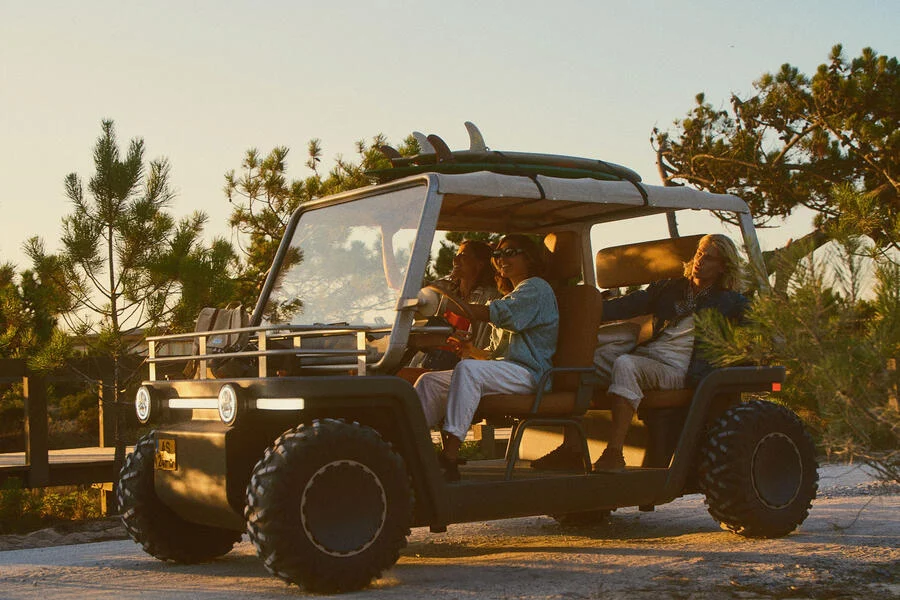
A distinctive feature of the Amble One, directly stemming from its golf cart origins, is its open-sided design. This intentional choice facilitates easy ingress and egress, allowing users to quickly hop in and out for short errands or leisurely explorations. Hoenig believes this design fosters a greater "connection to nature," enhancing the driving experience by immersing occupants in their surroundings.
Despite the open-air concept, Amble is not compromising on practicality for varied climates. The One will be offered with "full" weather protection options, including a canvas roof. This adaptability makes it suitable for use in diverse locations, such as European ski resorts, where it can provide a functional and engaging mode of transport.
Future Trajectory: Expanding the Amble Ecosystem
The vision for Amble extends beyond the One. Adrien Roose, a co-founder of the company, has revealed that development has already commenced on the next model. This upcoming vehicle is slated to be "slightly more weather-protected" and "more convenient for northern European weather," suggesting a potential evolution towards a more enclosed cabin design. This strategic move indicates Amble’s commitment to catering to a broader range of climatic conditions and user preferences, further solidifying its ambition to become a significant player in the microcar market.
Roose also expressed a strong belief in the social benefits of open-air driving. He posits that "removing the bubble [provided by a car] and having humans in the open next to each other will make friendlier ecosystems and communities." This philosophical stance underscores Amble’s aim to not only create practical vehicles but also to foster a more connected and communal mode of personal mobility.
Market Positioning and Potential Impact
The Amble One enters a microcar market that, while growing, is still largely defined by its urban-centric nature. Vehicles like the Microlino and Twizy excel in congested city environments, offering compact dimensions and efficient operation. However, their off-road capabilities are virtually non-existent.
Amble’s strategic differentiation lies in its off-road-inspired design and the promise of genuine versatility. By targeting a sub-450kg weight class and adhering to L7e regulations, the One positions itself as a unique proposition. Its ability to tackle varied terrain, coupled with its stylish and distinctive design, could appeal to a demographic seeking a vehicle that transcends the limitations of traditional microcars.
The implications for the broader automotive landscape are significant. Amble’s approach challenges the conventional understanding of what a microcar can be. If successful, it could inspire further innovation in this segment, pushing manufacturers to explore more versatile and lifestyle-oriented designs. The focus on connection to nature and community also taps into a growing consumer desire for experiences and sustainable living, potentially resonating with environmentally conscious individuals and those seeking a more engaging way to interact with their surroundings.
Furthermore, the involvement of Julian Hoenig, a designer with a proven track record of creating both critically acclaimed automotive designs and sought-after consumer electronics, lends considerable credibility to Amble’s ambitions. His ability to translate complex design principles into tangible, desirable products suggests that the Amble One is more than just a novel concept; it is a meticulously crafted vision for the future of personal mobility. The company’s proactive development of a second, more weather-proof model further signals a long-term commitment to refining and expanding its product line, aiming to establish a lasting presence in the evolving microcar market.