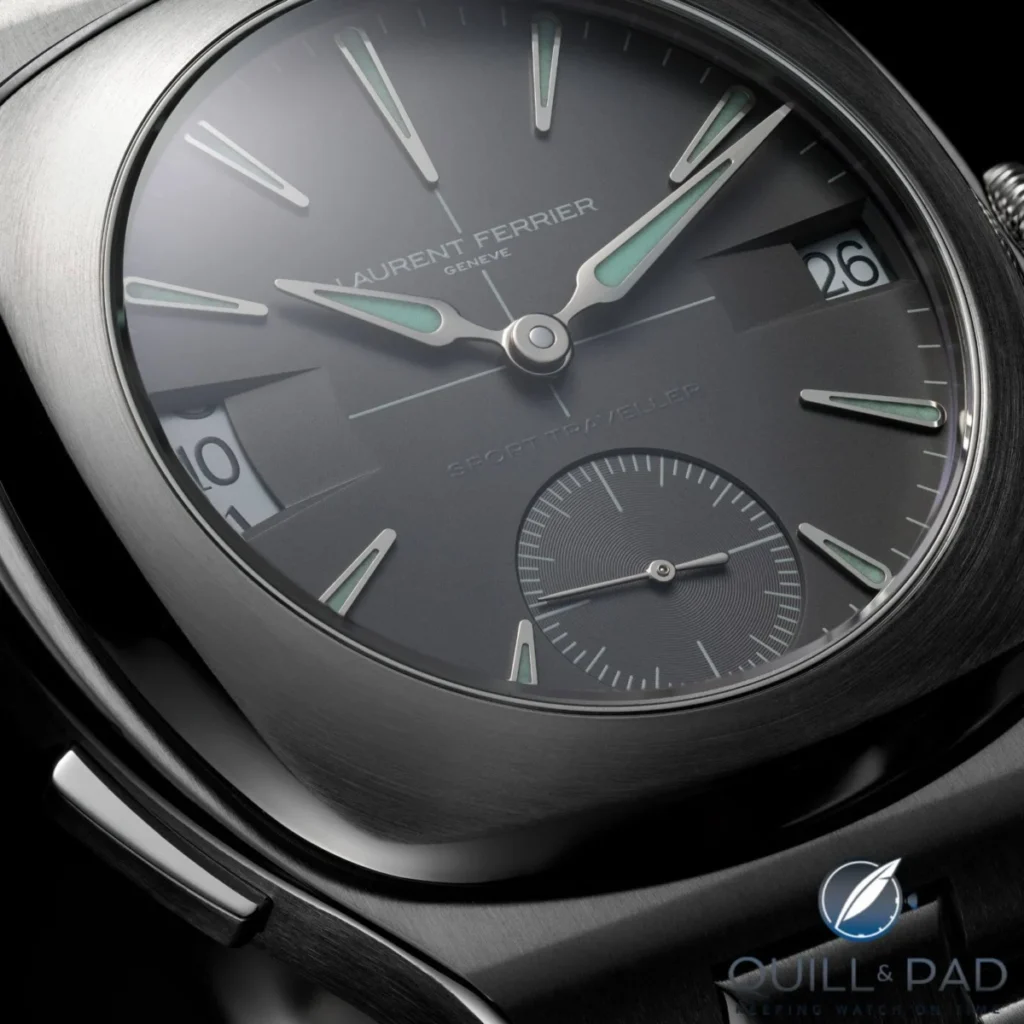
The highly anticipated Laurent Ferrier Sport Traveller Slate Grey has made its debut at this year’s Watches & Wonders exhibition, solidifying its position as arguably the most practical timepiece within the esteemed Swiss watchmaker’s collection. This latest offering seamlessly integrates the brand’s signature elegance with robust functionality, catering to the discerning traveler and watch enthusiast alike.
A New Era for the Sport Traveller: Functionality Meets Refined Design
At the heart of the Sport Traveller’s practicality lies its sophisticated dual-time complication, a feature Laurent Ferrier designates as the "Traveller." This complication is now thoughtfully incorporated into the brand’s Sport collection, which is characterized by its sporty aesthetic and the inclusion of an integrated bracelet. The new model showcases a mini-rotor automatic movement, a development welcomed by horological aficionados. While the author expresses a preference for a full-size rotor in a sports watch—a feature not currently offered by Laurent Ferrier—the precision and craftsmanship of the mini-rotor are undeniable.
A significant and highly appreciated aspect of the Sport Traveller is its construction. Both the case and the integrated three-piece bracelet are meticulously crafted from titanium. This choice of material not only contributes to the watch’s lightweight feel and durability, making it an ideal companion for active lifestyles, but also imbues it with a distinctly modern and technical character. The inherent properties of titanium offer superior resistance to corrosion and are hypoallergenic, further enhancing the wearability and appeal of this timepiece.
The Evolution of Dual-Time Complications: A Historical Perspective
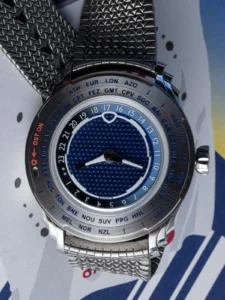
To fully appreciate the innovation within the Laurent Ferrier Sport Traveller, it is pertinent to delve into the rich history of the dual-time complication, often referred to as the GMT (Greenwich Mean Time) function. The concept of tracking time in multiple locations predates the modern, standardized 24-hour time zone system. Early dual-time pocket watches employed various ingenious methods to display different times simultaneously.
The modern iteration of the dual-time wristwatch gained significant traction with Rolex’s introduction of the GMT-Master in 1954. This iconic watch featured a 24-hour hand designed to track a second time zone. However, the true practicality and user-friendliness of the dual-time complication were masterfully refined by Louis Cottier, a Genevan watchmaker renowned for his collaborations with prestigious brands, most notably Patek Philippe.
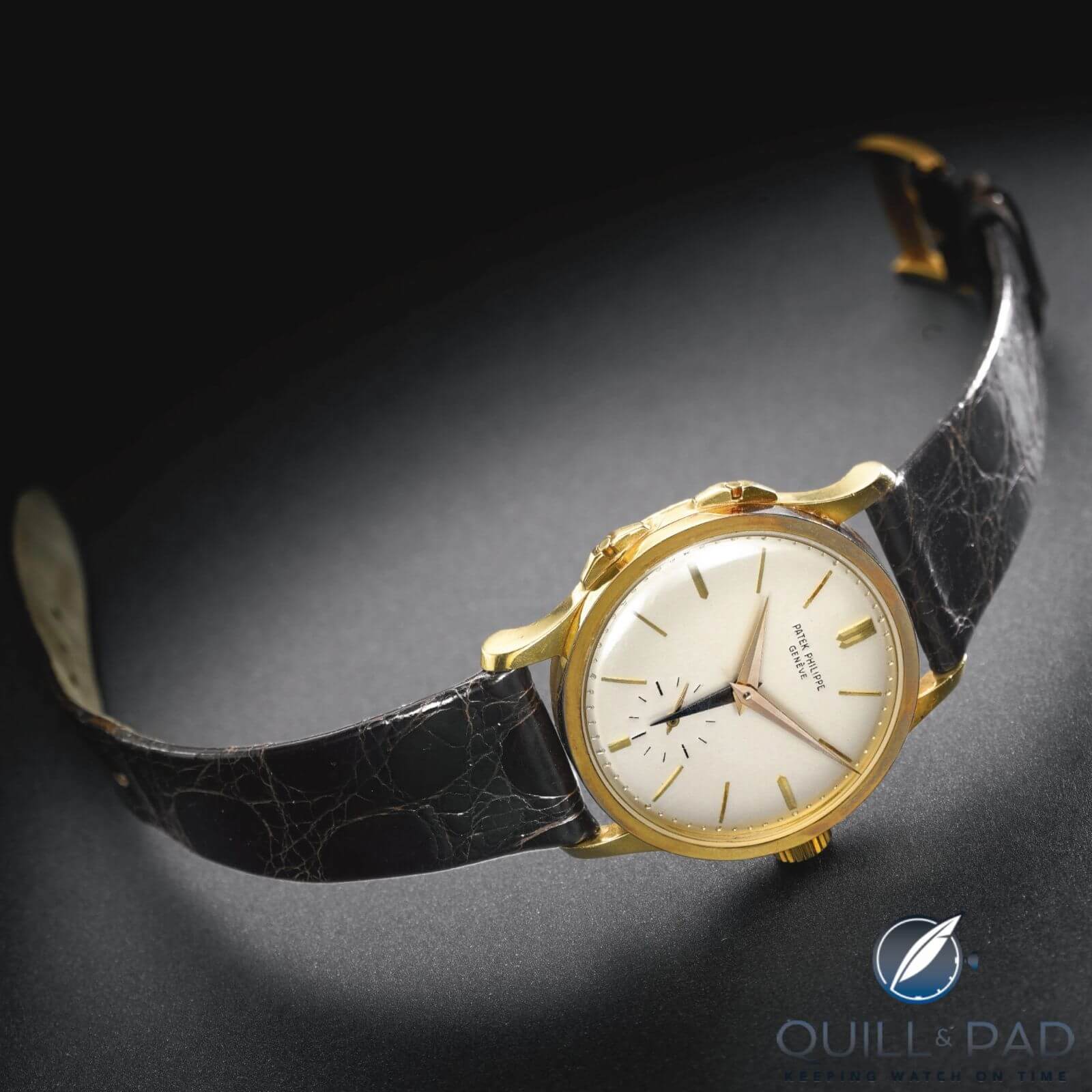
In the 1950s, Cottier developed a groundbreaking dual-time mechanism for Patek Philippe that utilized two hour hands. Crucially, one of these hands could be independently adjusted in one-hour increments via two pushers. This system, implemented in the Patek Philippe Reference 2597HU from 1958, allowed wearers to set a second time zone without affecting the accuracy of the main timekeeping function. This was a significant leap forward in horological engineering, offering unprecedented convenience for travelers. A key advantage of Cottier’s design was that adjusting the second hour hand did not interfere with the minute hand, ensuring the watch always maintained precise time.
Refining the Dual-Time Experience: Innovations and Advancements
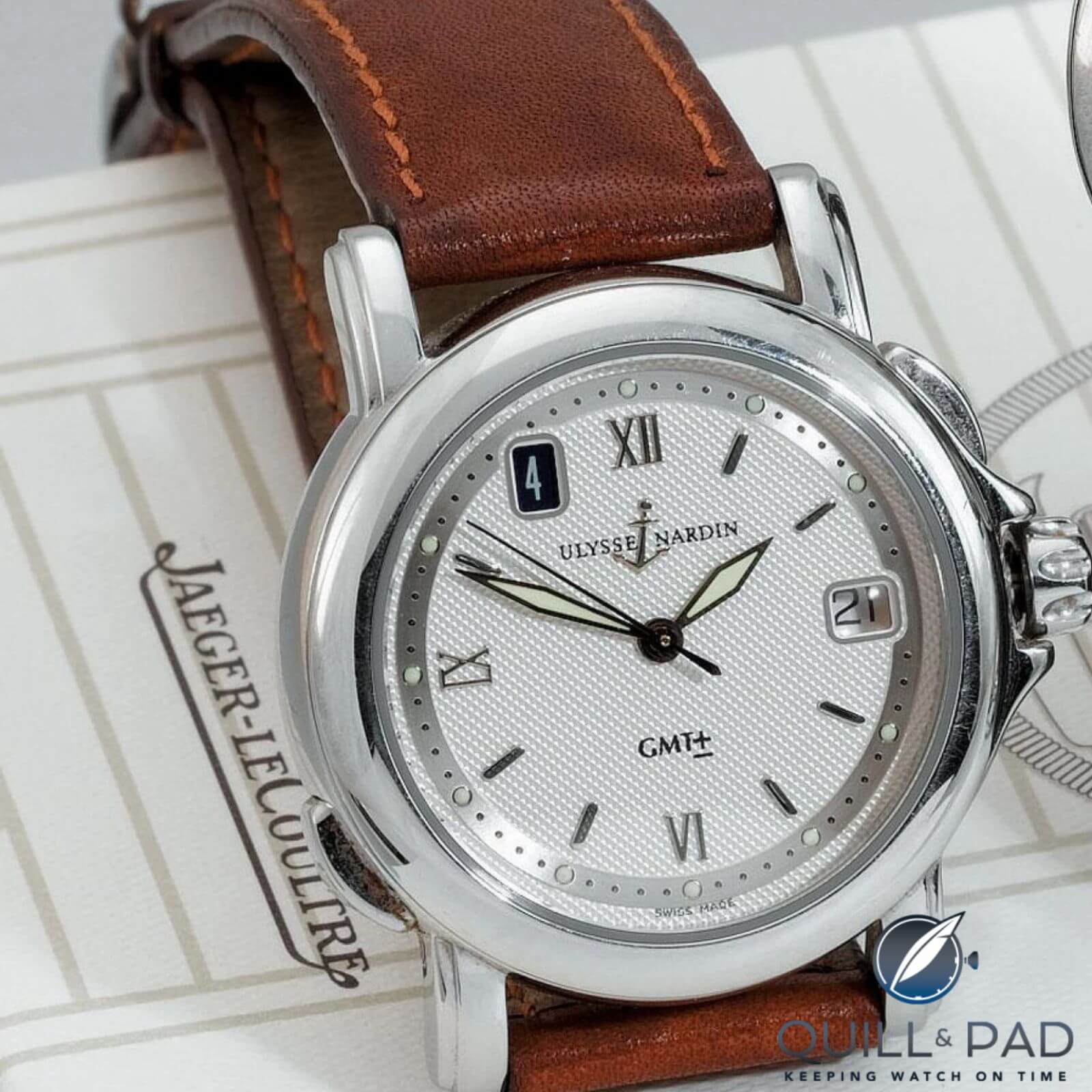
Despite the ingenuity of Cottier’s system, a minor limitation persisted: the second hour hand was a 12-hour indicator, necessitating the wearer to remember whether it was day or night in the home time zone. This challenge was elegantly addressed in 1994 by Ludwig Oechslin, a technical luminary at Ulysse Nardin. For the Ulysse Nardin GMT± model, Oechslin introduced two pivotal innovations that built upon Cottier’s foundation.
Firstly, he incorporated a digital 24-hour display for the home time zone, providing instant clarity on the day or night cycle. Secondly, and perhaps more remarkably, he synchronized the date display with the local time indicated by the central 12-hour hand. This meant that as the local time adjusted across midnight, the date would also correctly update, a significant enhancement for practical usability.
Laurent Ferrier’s Traveller Complication: A Legacy of Elegance and Precision
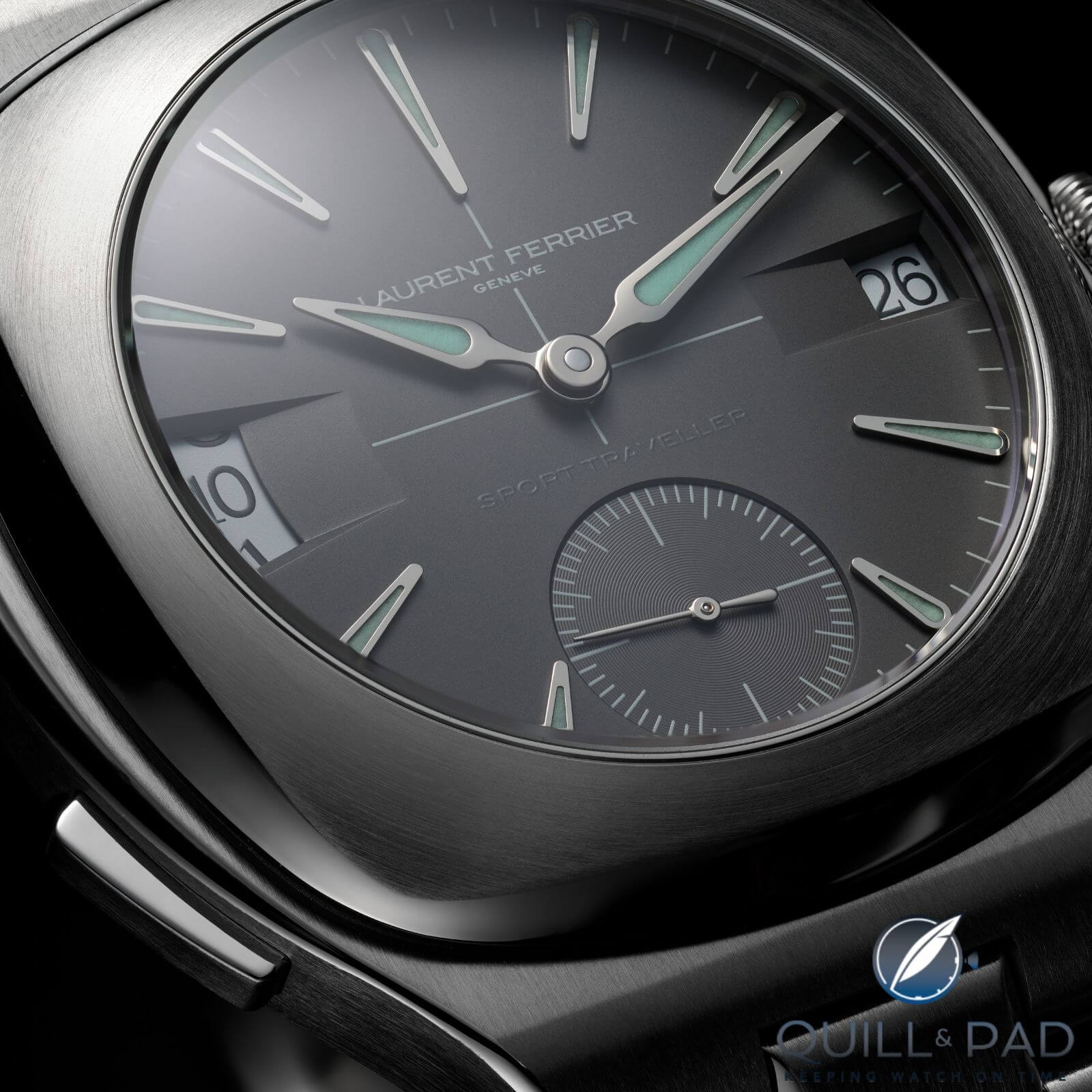
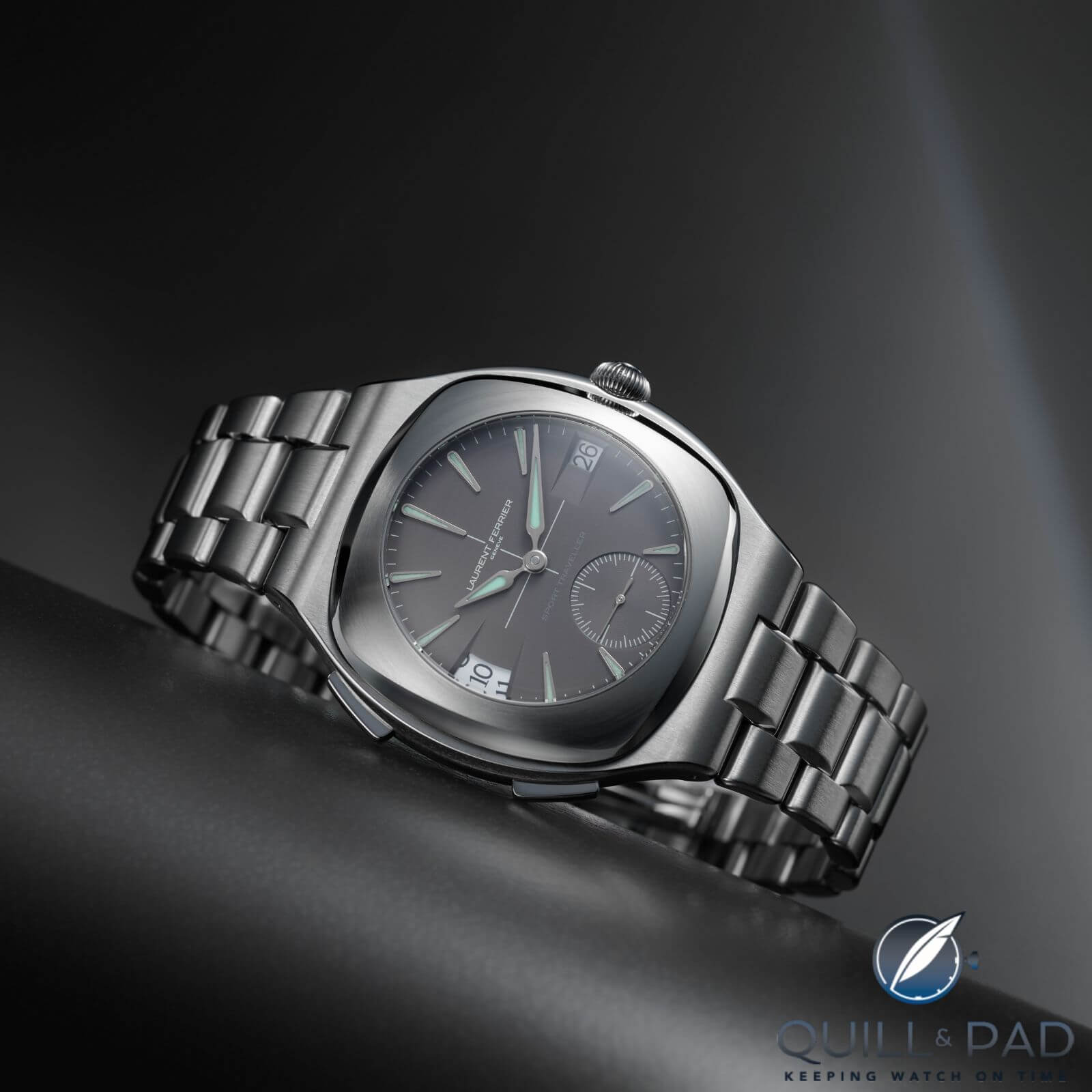
Laurent Ferrier’s own "Traveller" complication carries forward this esteemed lineage, maintaining an exceptional level of legibility on the dial. The dial of the Sport Traveller is characterized by its clean and uncluttered display, featuring only the essential hour, minute, and small seconds hands. Complementing these are two strategically placed windows: a date display at 3 o’clock and a 24-hour digital dual-time indicator at 9 o’clock. This layout ensures that critical information is readily accessible without overwhelming the wearer.
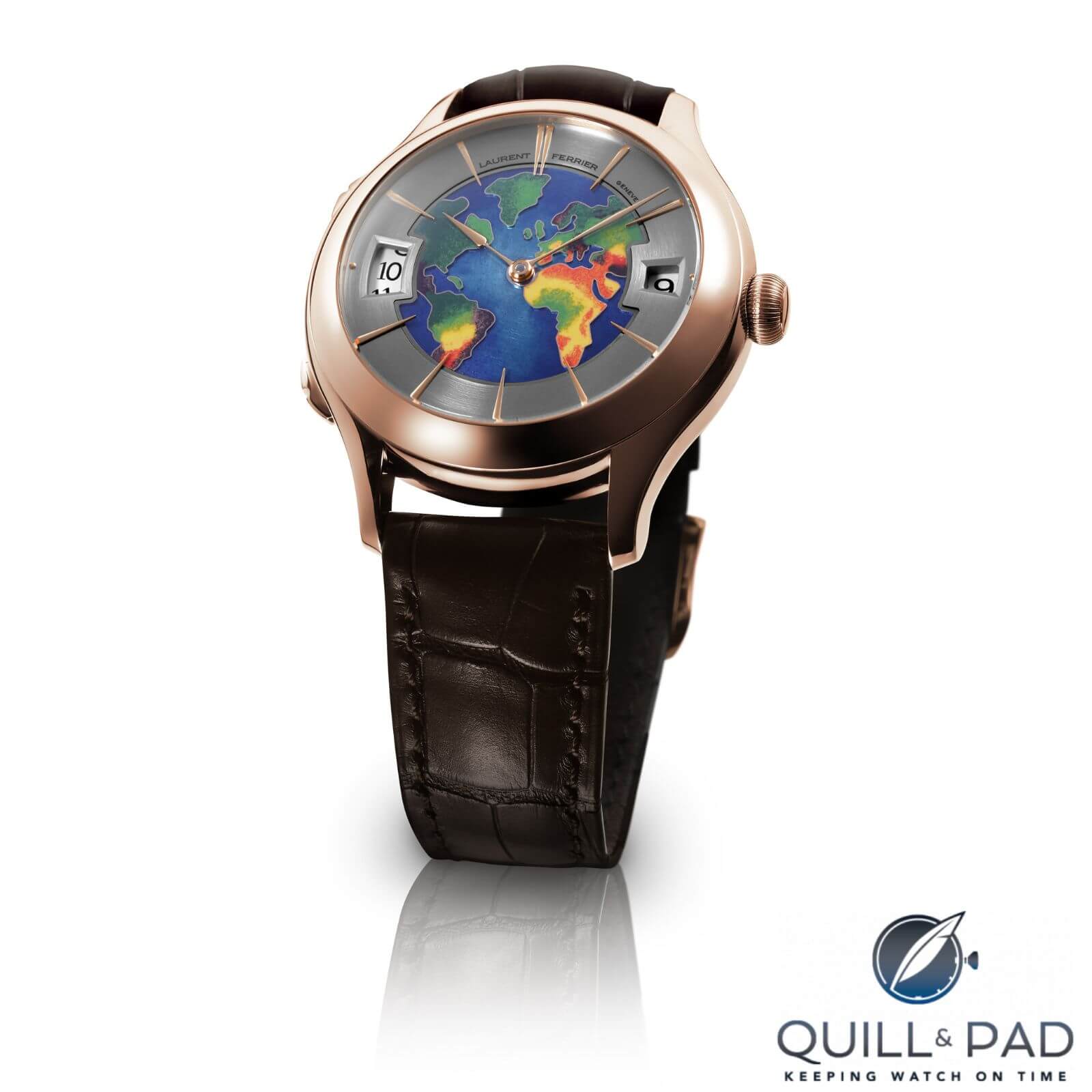
The practicality of adjusting the dual-time indicator is preserved through the use of two pushers, mirroring the historical advancement of allowing forward and backward adjustments. Previously, Laurent Ferrier’s dual-time complication was exclusively found in their Classic collection, known as Galet watches until 2019. The Galet Traveller, introduced in 2015, was initially presented as a limited series featuring exquisite multi-colored cloisonné enamel dials, showcasing a more decorative approach to the Traveller complication.
The movement underpinning the Galet Traveller, and indeed the Sport Traveller, is a micro-rotor automatic caliber. This movement’s development began in 2012 with the Galet Micro-Rotor. Initially, Laurent Ferrier collaborated with the complications atelier La Fabrique du Temps (now part of the LVMH group) for its development. It is widely believed that Laurent Ferrier has since refined these complex movements in-house. Up until the launch of the Sport Traveller, Laurent Ferrier consistently paired the Traveller complication with the FBN229 caliber, a movement featuring a natural escapement. This complication version of the caliber was designated LF230. Operating at a frequency of 21,600 vibrations per hour (3 Hz), it incorporated a two-wheeled natural escapement, inspired by Abraham-Louis Breguet’s groundbreaking designs.
A Shift in Escapement Technology: From Natural to Lever
The introduction of the Sport Traveller marks a significant evolution in Laurent Ferrier’s movement architecture. The brand has transitioned to a new series of mini-rotor calibers, designated LF270. For the Sport Traveller, this translates to the caliber LF275, a dual-time variant of the LF270. A notable change is the replacement of the natural escapement with a more traditional Swiss lever escapement.
While the precise reasons for this shift remain officially undisclosed by the brand, industry observations and technical considerations offer insights. Some publications, such as WatchesbySJX, suggest that the exceptionally tight tolerances required for a natural escapement might present challenges in the context of sports watches, which are often subjected to more vigorous use. Laurent Ferrier himself, through his design choices, appears to support a broader application of different escapements across his collections. For instance, the Classic Auto Horizon watch, a classic-style timepiece, is equipped with the new LF270 caliber featuring a lever escapement. This also reflects a change in nomenclature; models featuring the LF270 are now referred to as Classic Auto, distinguishing them from the Classic Micro-Rotor models that utilize the FBN229 caliber.
The choice of a lever escapement in the LF275, while differing from the previous natural escapement, is not without its own horological pedigree. Abraham-Louis Breguet, a pioneer in escapement design, also explored natural escapements extensively in his career but ultimately favored more robust and reliable alternatives like lever and cylinder escapements for many of his creations.
Performance and Power Reserve: Consistency in Excellence
The new caliber LF275, powering the Sport Traveller, operates at a higher frequency of 28,800 vibrations per hour (4 Hz) compared to the FBN229’s 21,600 vibrations per hour. Despite this increase in frequency, which generally leads to enhanced accuracy, the Sport Traveller impressively maintains a substantial 72-hour power reserve. This consistent power reserve, a hallmark of Laurent Ferrier’s meticulous engineering, ensures reliable timekeeping for extended periods, a crucial consideration for a travel-oriented timepiece. The enduring 72-hour power reserve across different escapement technologies speaks to the efficiency and thoughtful design of Laurent Ferrier’s movements.
Understated Sophistication: A Departure from Typical Sport Watch Aesthetics
In a market often dominated by overtly bold and brightly colored sports watches, the Laurent Ferrier Sport Traveller Slate Grey presents a refreshingly understated and refined aesthetic. Sports watches are typically characterized by striking designs, vibrant accents, and a generally assertive presence. The Sport Traveller, however, opts for a more discreet and monochrome visual language, embodying a sophisticated approach to sporty timekeeping.
The watch’s subdued character begins with its material: matte-finished titanium. This choice lends a technical and contemporary feel to both the 41mm cushion-shaped case and the integrated three-link bracelet. Subtle polished bevels on the bezel, caseband, and bracelet links introduce a touch of understated luxury, striking a delicate balance. This sophisticated finish ensures the watch is versatile enough to transition seamlessly from casual wear with jeans and a sweater to more formal attire with a suit, without appearing overly ostentatious.
The monochrome theme extends to the dial, which the brand describes as "slate grey with an opaline finish." This sophisticated gray hue creates a serene backdrop for the watch’s functions. The only subtle color accents are provided by the luminescent material applied to the indexes and hands, ensuring optimal legibility in low-light conditions. Even the "Sport Traveller" model name is printed in a slightly lighter shade of grey, a design choice that results in a discreet, almost subliminal inscription. This subtle detailing is a recognizable signature of the brand, reminiscent of the design philosophy seen in their inaugural 2010 Tourbillon Double Spiral watch, fostering a sense of design continuity that appeals to long-time admirers.
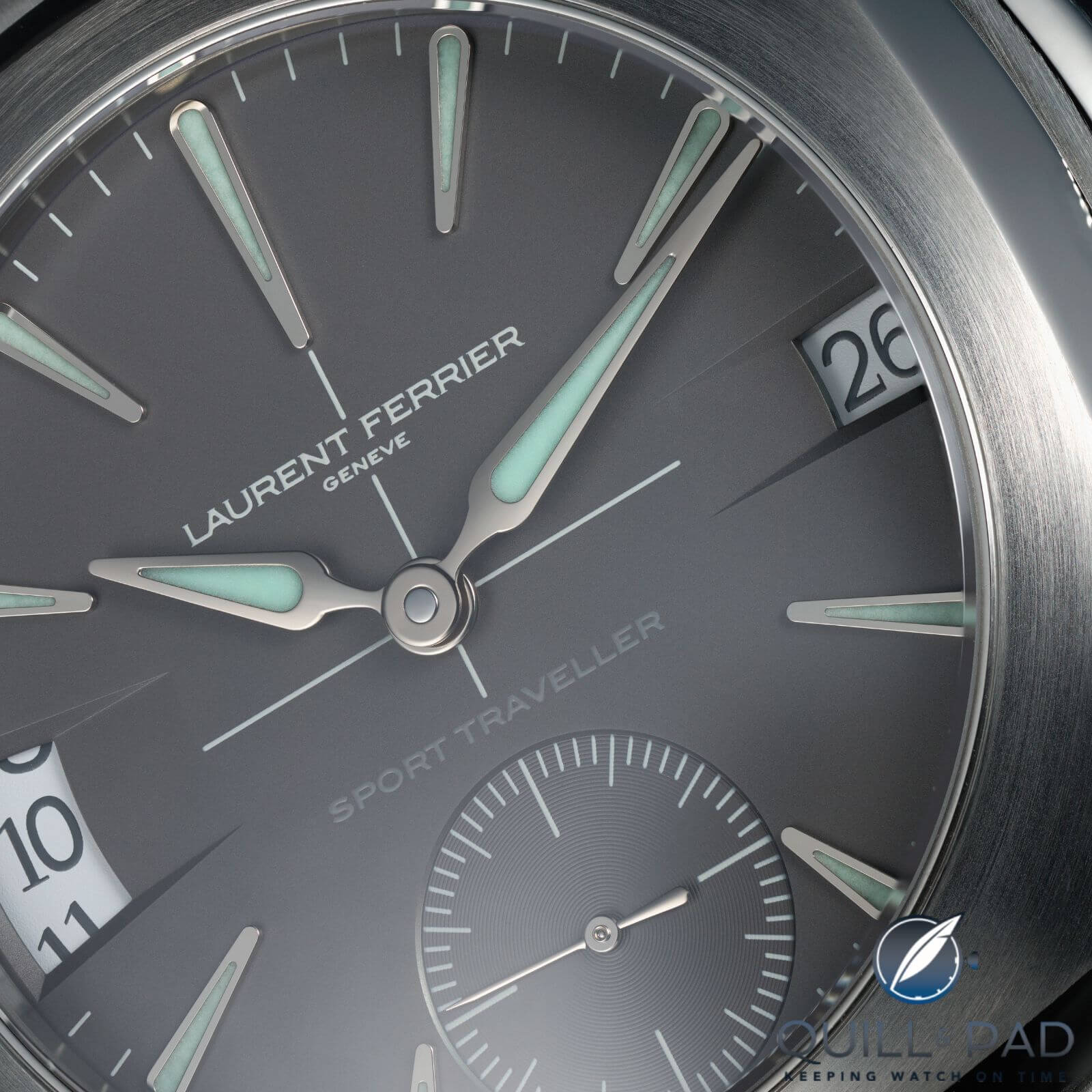
The iconic assegai-shaped hands, a stylized evolution of traditional spade and whip hands, have been notably widened for the Sport collection, including the Sport Traveller. This adjustment, while retaining their distinctive silhouette, moves them closer to a classic Alpha shape, sacrificing some of the delicate relief for enhanced presence. Both the hands and the teardrop-shaped indexes are fashioned from white gold and treated with a light green Super-LumiNova luminescent material. This meticulous application ensures exceptional readability, a fundamental requirement for any high-quality sports watch, allowing for effortless time-telling both day and night.
Broader Implications and Market Positioning
The introduction of the Laurent Ferrier Sport Traveller Slate Grey signifies an important strategic move for the brand. By integrating its renowned dual-time complication into a more rugged and utilitarian Sport collection, Laurent Ferrier is broadening its appeal to a wider segment of the luxury watch market. This timepiece caters to individuals who appreciate the brand’s signature blend of technical mastery and refined aesthetics but require a watch that can withstand the rigors of travel and active pursuits.
The choice of titanium, coupled with the understated design, positions the Sport Traveller as a sophisticated yet robust alternative to more overtly sporty chronographs or dive watches. It speaks to a discerning clientele who value understated luxury and functional elegance over ostentatious display. The historical context of the dual-time complication, artfully integrated with modern horological advancements, further enhances the desirability of this timepiece, offering a narrative rich in innovation and tradition. The success of this model will likely influence future developments within the Laurent Ferrier Sport collection, potentially paving the way for further explorations into functional complications within a sportier, more resilient framework.