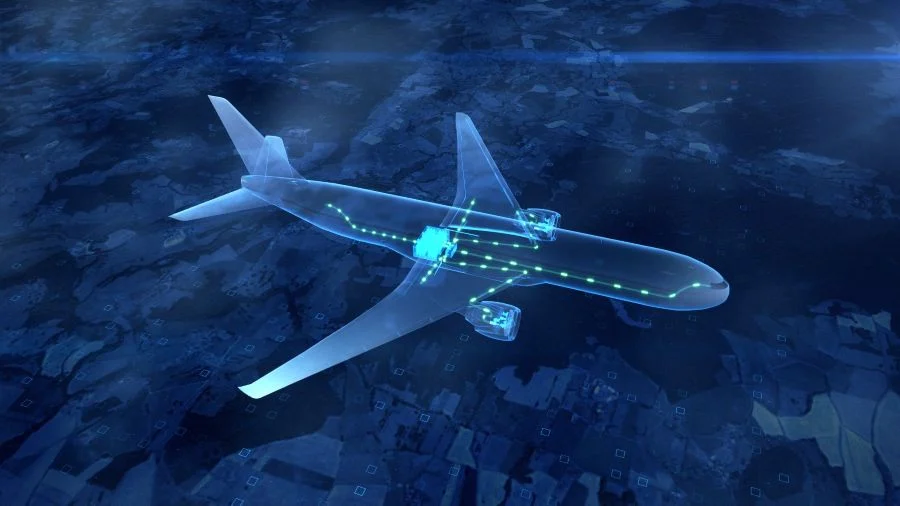
FARNBOROUGH, England – In a landmark initiative poised to redefine the future of sustainable air travel, engineers at Airbus are leading a joint effort to develop a groundbreaking next-generation electrical system for commercial aircraft. This ambitious undertaking, dubbed the LEIA (Large Scale Integration Demonstrator of Hybrid Electrical Architecture) project, unites a formidable consortium of aerospace industry giants, including key suppliers such as Collins Aerospace, GKN Aerospace, MTU Aero Engines, Pratt & Whitney, and Safran. The overarching objective of the LEIA project is to significantly advance the capabilities of high-voltage electrical power generation and distribution systems, specifically tailored for short-to-medium range hybrid-electric aircraft. This builds directly upon the foundational successes achieved through its precursor, the SWITCH project, which culminated in a critical milestone in July with the successful completion of integrated laboratory testing by Collins Aerospace.
The Imperative for Aviation Electrification
The global aviation industry stands at a critical juncture, facing immense pressure to drastically reduce its environmental footprint. Air travel, while vital for global connectivity and economic growth, currently accounts for approximately 2-3% of global carbon dioxide emissions. With passenger demand projected to continue its upward trajectory in the coming decades, albeit with temporary fluctuations, the need for disruptive, sustainable technologies has never been more urgent. International bodies like the International Civil Aviation Organization (ICAO) have set ambitious targets, such as the Carbon Offsetting and Reduction Scheme for International Aviation (CORSIA), while regional initiatives like the European Union’s "Fit for 55" package demand even more aggressive decarbonization across all sectors, including aviation.
Against this backdrop, hybrid-electric propulsion emerges as a crucial pathway toward achieving these challenging environmental goals. Unlike fully electric aircraft, which face significant hurdles related to battery energy density and weight for larger commercial applications, hybrid-electric systems combine traditional jet fuel combustion with electric power. This blend offers a pragmatic stepping stone, allowing for immediate reductions in fuel consumption and emissions while enabling the gradual integration of more advanced electrical components and eventually, fully electric flight for specific segments. Airbus has been a vocal proponent of this transition, outlining its "Zero-E" concepts that envision hydrogen-powered and hybrid-electric aircraft entering service by 2035. The LEIA project represents a tangible and critical step in transforming these visionary concepts into engineered realities.
LEIA’s Technical Mandate and Innovation
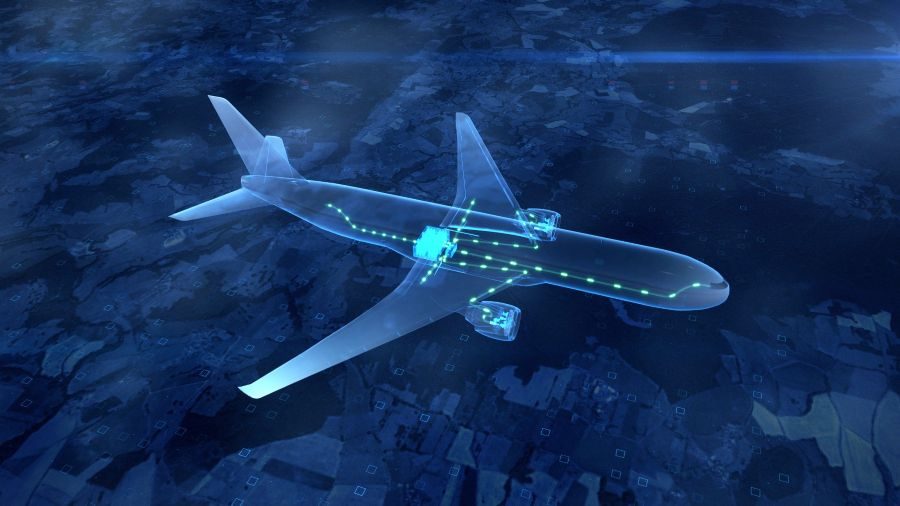
The LEIA project’s core focus lies in the sophisticated domain of high-voltage generation and distribution. Modern commercial aircraft already utilize complex electrical systems, but these are primarily designed for conventional architectures. Hybrid-electric aircraft demand a radical overhaul, requiring significantly higher power levels to support both propulsion and non-propulsive systems, alongside intelligent energy management. The project aims to develop the robust infrastructure necessary to handle electrical currents at voltage levels far exceeding those found in today’s commercial fleets, facilitating the efficient transfer of power from generators to electric motors and various other aircraft systems.
A key aspect highlighted by Karim Mokaddem, head of aircraft of tomorrow research and technology at Airbus, is the project’s ambition to "design and integrate nonpropulsive electrical systems to improve engine off-take efficiency and enable flexible energy management while minimizing overall system weight." Non-propulsive electrical systems encompass a wide array of functions crucial for aircraft operation, including avionics, environmental control systems (ECS), hydraulic pumps, landing gear actuation, and de-icing. In traditional aircraft, these systems often draw power directly from the engines through mechanical or pneumatic means, which can reduce engine efficiency. By electrifying these functions and integrating them into a centralized high-voltage network, LEIA aims to:
- Improve Engine Off-Take Efficiency: By reducing the mechanical load on the engines, they can operate closer to their optimal performance points, leading to lower fuel burn and emissions.
- Enable Flexible Energy Management: A sophisticated electrical network allows for dynamic power distribution, directing energy where and when it’s most needed. This includes intelligent load shedding, power regeneration during descent, and optimal battery utilization, all contributing to overall system efficiency.
- Minimize Overall System Weight: While the initial integration of new electrical components might add weight, the long-term goal is to achieve a net reduction by replacing heavier hydraulic or pneumatic systems with lighter electrical equivalents, optimizing component sizing, and leveraging advanced materials.
The research being conducted at the Airbus Sustainable Technology and Engineering Projects (STEP) laboratory in Ottobrunn, Germany, is central to this endeavor. Here, engineers are engaged in comprehensive aircraft-level integration testing. This involves not only the design and physical assembly of these advanced electrical systems but also crucial considerations for battery interfacing – how high-power batteries will seamlessly integrate into the aircraft’s power grid, managing charging, discharging, and thermal regulation – and sophisticated energy-management systems that act as the brain of the electrical architecture. They are meticulously testing electronic controllers, generators, motors, power distribution equipment, and a host of other critical aircraft systems to ensure their performance, reliability, and safety within a high-voltage, integrated environment.
Building on Precedent: The SWITCH Project Foundation
The LEIA project is not starting from a blank slate; it stands firmly on the shoulders of the successful SWITCH project. SWITCH, an acronym for "Sustainable Wing Integration and Thermal High-voltage," focused specifically on hybrid-electric powertrain subsystems. Its primary goal was to mature key technologies related to power generation, distribution, and thermal management at a component and subsystem level. This included developing and testing advanced electrical machines, power electronics, and high-voltage cabling necessary for hybrid-electric propulsion.
A significant milestone for SWITCH occurred in July when Collins Aerospace, a vital partner in both projects, completed integrated laboratory testing. This involved rigorously evaluating various hybrid-electric power train subsystems in a controlled environment, simulating operational conditions. The successful completion of these tests validated the performance and integration capabilities of individual components and smaller systems, proving their readiness for the next stage of development. This critical data and validated technologies from SWITCH directly inform the LEIA project, providing a robust foundation for moving from subsystem-level validation to full aircraft-level integration and testing. It represents a logical progression in the maturation of hybrid-electric aviation technology, demonstrating a systematic approach to tackling the complexities of aircraft electrification.
Collaborative Power: The Industry Consortium
The scale and complexity of developing next-generation electrical systems necessitate a collaborative approach, bringing together diverse expertise from across the aerospace supply chain. The LEIA consortium is a testament to this, pooling the knowledge and resources of industry leaders:
- Collins Aerospace: A major player in aerospace systems, Collins brings extensive experience in integrated systems, power generation, and control systems, directly leveraging their work from the SWITCH project. Their expertise in flight controls, avionics, and electric systems is invaluable for the high-voltage architecture.
- GKN Aerospace: Specializing in aerostructures and engine components, GKN’s involvement is critical for understanding how these new electrical systems integrate physically within the aircraft’s structure, addressing aspects like weight, thermal management, and structural integrity.
- MTU Aero Engines & Pratt & Whitney: As leading manufacturers of aircraft engines, their participation is paramount. Hybrid-electric systems inherently link the electrical architecture with the thermal engines. Their expertise ensures that the electrical systems are optimally integrated with the engine’s operational cycles, power off-take, and overall performance. They contribute crucial insights into the engine-generator interface and the impact on propulsion efficiency.
- Safran: A global leader in aerospace propulsion, equipment, and interiors, Safran’s broad portfolio allows them to contribute across multiple domains, from power distribution units to electric motors and auxiliary power systems.
This multi-stakeholder approach offers several advantages: it distributes the substantial research and development costs, shares risks, accelerates innovation through cross-pollination of ideas, and ensures that the developed technologies are compatible with a wide range of future aircraft platforms and operational requirements. Each partner brings specialized knowledge that is indispensable for the holistic design and validation of such an intricate system.
The Ottobrunn Hub: A Cradle of Innovation
The Airbus Sustainable Technology and Engineering Projects (STEP) laboratory in Ottobrunn, Germany, serves as the nerve center for the LEIA project’s integration efforts. This state-of-the-art facility is equipped with advanced testing rigs, simulation capabilities, and dedicated workspaces designed to facilitate complex system integration. The choice of Ottobrunn underscores Airbus’s commitment to investing in dedicated infrastructure for sustainable aviation research.
Within this lab, engineers are utilizing a combination of physical prototyping and sophisticated digital tools, including digital twins and advanced simulation models, to design, test, and refine the electrical architecture. The ability to simulate various operational scenarios – from takeoff and cruise to landing and emergency procedures – in a controlled environment is crucial for identifying potential issues early in the development cycle, optimizing performance, and ensuring safety standards are met before flight testing. This approach significantly reduces development time and costs compared to purely physical testing.
Quotes and Vision: Redefining Flight Architecture
Karim Mokaddem’s statements provide a profound insight into the strategic vision behind LEIA. His assertion that "Our progress in developing hybrid-electric technologies and our move into the LEIA demonstrator marks a pivotal shift in how we design the future of flight" encapsulates the transformative nature of this work. It signifies a departure from incremental improvements to a fundamental re-imagining of aircraft systems.
He emphasizes that by "moving to integrated, intelligent hybrid-electric architectures, we are actively laying the physical and digital foundation for the next generation of aircraft." This highlights the dual nature of the innovation: the physical components like high-voltage wiring, power electronics, and batteries, alongside the digital intelligence – the software, algorithms, and control systems – that manage the flow of energy across the aircraft. This holistic approach is crucial for optimizing efficiency, reliability, and safety.
Mokaddem further elaborates, claiming, "This evolution demonstrates that the future of aviation is about more than just new power sources. It is also about the new ecosystems that will manage them." This broader perspective is critical. It implies that simply replacing jet fuel with electricity or hydrogen isn’t enough; the entire operational and technical ecosystem surrounding these new power sources must evolve. This includes ground infrastructure for charging or hydrogen refueling, new maintenance procedures, updated air traffic management protocols, and revised certification standards. LEIA, by focusing on the integrated electrical architecture, is directly contributing to the development of this future ecosystem within the aircraft itself.
Timeline of Electrification in Aviation
The journey towards electric flight is not new, but it is accelerating. Early concepts for electric aircraft date back decades, with more serious experimental efforts gaining traction in the 21st century.
- Early 2000s – 2010s: Focus on small, proof-of-concept aircraft. Projects like the Airbus E-Fan (first flight 2014) demonstrated the feasibility of electric propulsion for light aircraft, highlighting challenges in battery weight and endurance. NASA’s X-57 Maxwell project also aimed to demonstrate distributed electric propulsion.
- Mid-2010s onwards: Increased industry investment in hybrid-electric and regional electric aircraft concepts. Major manufacturers and startups began exploring hybrid solutions for larger passenger capacities.
- Recent Past (SWITCH Project): The SWITCH project’s initiation marked a dedicated effort to mature specific hybrid-electric powertrain subsystems. Its successful integrated lab testing by Collins Aerospace in July provided crucial validation of individual component and system performance.
- Present (LEIA Project): The launch of LEIA signifies the progression to aircraft-level integration. This is a critical step, moving beyond component validation to understanding how all these advanced electrical systems work together in a complex, operational aircraft environment.
- Future Outlook: While LEIA is a demonstrator, the insights gained are intended to feed directly into the development of future commercial aircraft. Industry analysts generally project that hybrid-electric aircraft for short-to-medium range routes could enter commercial service in the late 2030s or early 2040s, with larger, long-haul aircraft following much later, potentially relying on hydrogen or advanced sustainable aviation fuels (SAFs). Projects like LEIA are fundamental to meeting these timelines.
Broader Implications and Future Outlook
The successful development and implementation of the LEIA project’s advanced electrical systems will have profound implications across several dimensions:
- Environmental Impact: By enabling more efficient hybrid-electric propulsion and optimizing non-propulsive systems, LEIA will contribute directly to significant reductions in aviation’s carbon footprint, noise pollution around airports, and local air quality improvements. This aligns with global and regional decarbonization targets, pushing the industry closer to net-zero emissions.
- Economic Impact: The transition to hybrid-electric aircraft will spur the creation of new market segments and technologies, fostering innovation within the aerospace supply chain. This includes advancements in power electronics, battery manufacturing, electric motor design, and sophisticated control software. It will also generate new job opportunities in research, development, manufacturing, and maintenance.
- Technological Advancements: LEIA will drive breakthroughs in several critical technology areas:
- Power Electronics: Development of more compact, efficient, and reliable power converters and inverters capable of handling high voltages and currents.
- Battery Technology: While not the primary focus of LEIA, the project’s battery interfacing requirements will push advancements in battery management systems, thermal control, and ultimately, higher energy density cells suitable for aviation.
- Thermal Management: Efficiently managing the heat generated by high-power electrical components is crucial for performance and safety. LEIA will advance liquid cooling systems and other thermal management strategies.
- Digital Integration: The concept of "new ecosystems" implies sophisticated software, AI-driven energy management, and potentially digital twins for predictive maintenance and operational optimization.
- Operational Shifts: The introduction of hybrid-electric aircraft will necessitate changes in ground infrastructure (e.g., charging points at gates), maintenance procedures (dealing with high-voltage systems), and potentially air traffic management to optimize flight paths for energy efficiency.
- Regulatory Framework: As these novel technologies mature, aviation authorities worldwide will need to develop and adapt certification standards to ensure the safety and airworthiness of hybrid-electric aircraft, a process that LEIA’s data will directly inform.
While the challenges remain substantial – particularly concerning the weight of electrical components, the integration complexity, and the certification process for entirely new architectures – projects like LEIA are indispensable for charting the course towards a greener future for air travel. By fostering collaboration and focusing on practical integration challenges, Airbus and its partners are not merely developing new systems; they are actively engineering the very fabric of tomorrow’s sustainable skies.