
Ford’s ambitious "skunkworks" project, aimed at developing a revolutionary electric vehicle platform, is drawing heavily on the elite engineering talent pool of Formula 1, a strategic move designed to deliver a compelling $30,000 EV that is both visually appealing and exhilarating to drive. The company acknowledges the inherent difficulty in finding individuals who possess both a passion for motorsport and the specific skills required to design such a product.
"It turns out that finding people who love motorsport who want to ‘build a buffet in Vegas’ – a $30,000 EV that’s nice-looking and fun to drive – is hard," stated a Ford executive, highlighting the challenge of bridging the gap between motorsport enthusiasm and mass-market automotive design. The executive further elaborated, "A lot of people want to stay in F1, and the challenge is picking people from motorsport who can actually design a breakthrough product."
The recruitment strategy pivots on the allure of groundbreaking engineering. Ford anticipates that the innovative approach taken by its skunkworks team will impress industry observers. "But when people see what we did with this skunkworks, they will say: ‘Wow, that’s cooler engineering than a hypercar.’ They will be shocked," the executive remarked, underscoring the project’s disruptive potential.
A key factor in attracting top-tier talent from Formula 1 has been the extreme aerodynamic sophistication inherent in modern F1 car design. Ford is leveraging this expertise to enhance the aerodynamic efficiency of its new EV platform. "Farley said the extreme aerodynamic focus of modern F1 cars was a key attraction in recruiting people for the skunkworks," the original report noted. This focus is not merely aesthetic; it has direct implications for vehicle performance and cost. "Every bit of aero we can improve will help us reduce the size of the battery, and F1 has the best aero people in the world," Farley explained, connecting aerodynamic advancements to battery size reduction.
The impact of this F1-inspired aerodynamic prowess is already quantifiable. Ford claims its Fathom platform boasts an aerodynamic efficiency that is 15% superior to any pickup truck currently available in the US market. This significant improvement has far-reaching implications for electric vehicle development.
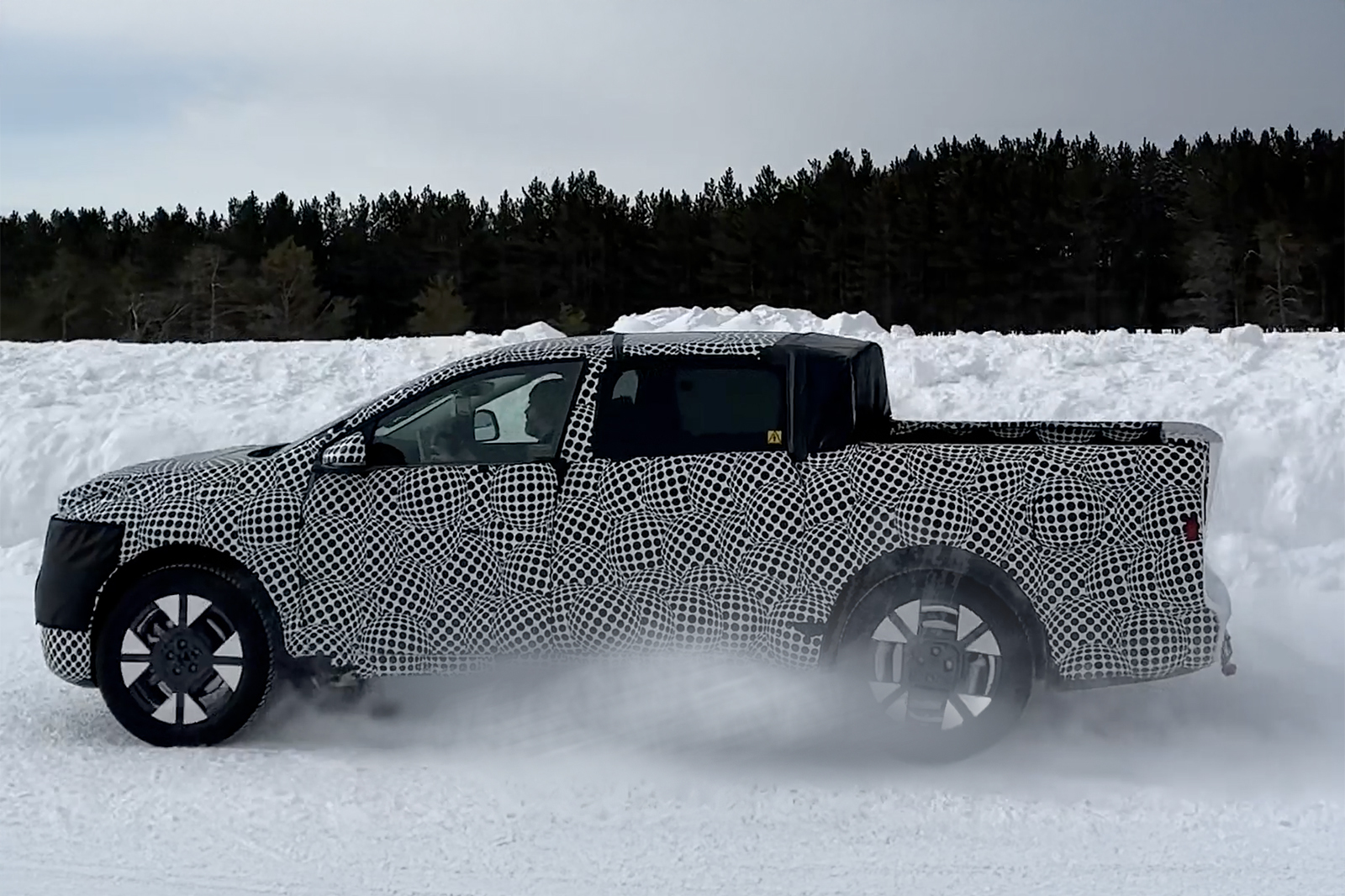
Aerodynamics: The Engine of Efficiency
The intense focus on aerodynamics and powertrain efficiency is central to Ford’s strategy for its Universal EV models. This approach is designed to enable the use of smaller batteries, which in turn helps to reduce overall vehicle weight and lower manufacturing costs. Furthermore, optimized packaging resulting from efficient design can lead to more spacious interiors.
"Farley said the intense focus on aerodynamics and powertrain efficiency would enable Universal EV models to use smaller batteries, in turn keeping weight and pricing down and improving packaging options," the article stated. This strategic advantage is particularly crucial in the competitive $30,000 EV segment, where cost-effectiveness and practicality are paramount for consumer adoption.
The benefits of this design philosophy are already evident in the Fathom platform’s cabin space. Ford asserts that the Fathom offers more passenger space than the popular Toyota RAV4 SUV, a benchmark in the compact SUV segment. This suggests that Ford is not only aiming for efficiency but also for a practical and comfortable user experience, challenging conventional perceptions of EV packaging limitations.
The Skunkworks Philosophy: Innovation Under the Radar
The term "skunkworks" itself evokes a history of secretive, fast-paced innovation within large corporations. These independent units are typically empowered to pursue radical ideas with minimal bureaucratic interference, fostering a culture of rapid prototyping and bold experimentation. Ford’s decision to employ this model for its EV platform development signals a commitment to breaking away from traditional R&D processes and embracing a more agile and forward-thinking approach.
The recruitment of F1 engineers, a field renowned for its cutting-edge technology and relentless pursuit of marginal gains, suggests that Ford is aiming for a technological leap rather than incremental improvement. The highly competitive nature of Formula 1 necessitates constant innovation in areas such as aerodynamics, lightweight materials, and powertrain efficiency – all critical components for the future of electric vehicles.
Addressing the $30,000 EV Challenge
The automotive industry has long viewed the $30,000 mark as a significant psychological and economic threshold for widespread EV adoption. Achieving this price point while delivering a desirable product – one that is "nice-looking and fun to drive" – presents a formidable challenge. Traditional EV development often involves larger, more expensive battery packs, which drive up the overall cost.
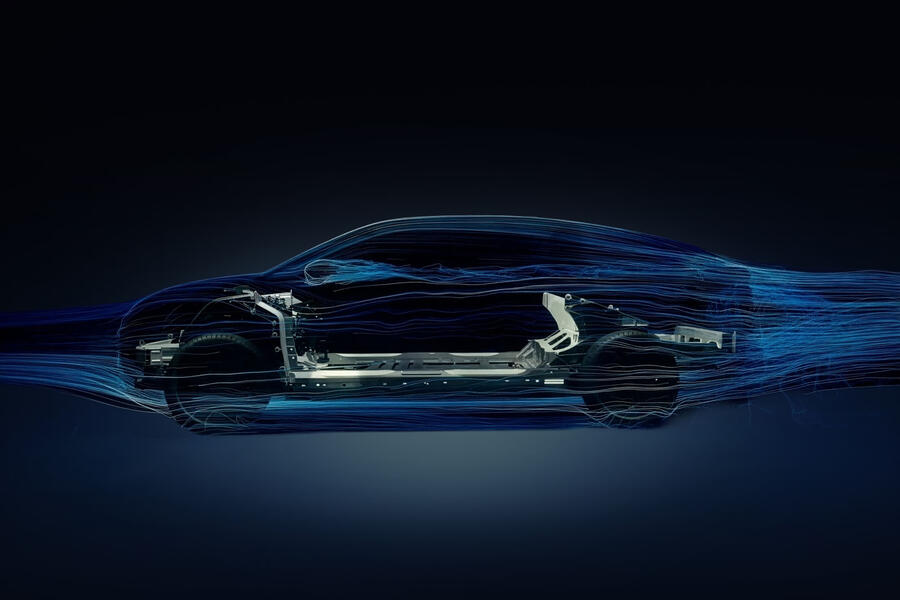
Ford’s strategy, by prioritizing aerodynamic efficiency and powertrain optimization, directly tackles this cost barrier. By reducing the reliance on massive battery packs, the company can potentially offer EVs that are more accessible to a broader consumer base without compromising on performance or aesthetics. This approach aligns with broader industry trends and government initiatives aimed at accelerating the transition to electric mobility.
The Broader Implications for the EV Market
Ford’s bold move has the potential to reshape the landscape of the affordable EV market. By successfully integrating F1-level engineering principles into a mass-market platform, the company could set a new benchmark for performance, efficiency, and desirability at a competitive price point. This could force competitors to re-evaluate their own development strategies and accelerate their efforts to produce more compelling and affordable EVs.
The emphasis on aerodynamic efficiency also speaks to a more holistic approach to EV design, where every component and design element is scrutinized for its contribution to overall performance and sustainability. This holistic view, honed in the data-driven and performance-obsessed world of Formula 1, could prove to be a significant differentiator for Ford.
Furthermore, the success of this skunkworks project could have a ripple effect on talent acquisition across the automotive industry. As more companies recognize the value of specialized expertise from fields like motorsport, the competition for top engineering talent is likely to intensify.
A Timeline of Innovation: From Concept to Production
While specific timelines for the Fathom platform’s production vehicle have not been publicly disclosed, the announcement of this strategic direction suggests a development phase that is well underway. The recruitment of F1 engineers, coupled with the claimed aerodynamic advancements, points to a project that has moved beyond the conceptual stage.
The "skunkworks" approach typically implies a compressed development cycle. If Ford can translate the aerodynamic gains into tangible production benefits within a reasonable timeframe, the introduction of these new EVs could be sooner than anticipated by industry analysts. The industry will be closely watching for the reveal of production vehicles based on this platform, which could represent a significant step forward in making desirable and high-performance EVs more accessible.

Industry Reactions and Analyst Perspectives
While direct statements from competing manufacturers are unlikely at this early stage, the news is expected to generate considerable interest and perhaps a degree of apprehension within the automotive sector. Analysts and industry observers will be keen to assess the real-world performance and cost-effectiveness of Ford’s F1-inspired EVs once they reach the market.
"The move to leverage F1 expertise is a smart one, but the true test will be in execution and market acceptance," commented one automotive industry analyst, who requested anonymity. "Ford is clearly aiming for a disruptive entry into the $30,000 EV space, and if they can deliver on their promises of performance and efficiency at that price, it will be a game-changer."
The success of Ford’s skunkworks project will ultimately be measured by its ability to translate cutting-edge engineering into vehicles that resonate with a broad consumer base, proving that high-performance electric mobility can be both attainable and exhilarating. The company’s gamble on F1 talent signals a serious commitment to pushing the boundaries of what is possible in the electric vehicle revolution.