The world of luxury watch collecting often operates within established narratives, and for steel sports Rolexes, this narrative is powerfully defined by the integrated bracelet. For decades, models like the Submariner, GMT-Master, and Datejust have been intrinsically linked in the public consciousness with their signature Oyster or Jubilee bracelets. This association is so strong that for many owners, the idea of outfitting these iconic timepieces with anything other than their factory-issue metal band is almost unthinkable. This pervasive perspective, however, raises a compelling question: is this adherence to the original bracelet driven by an objective assessment of its inherent superiority, or is it a consequence of ingrained habit and a perceived "correct" way to own a Rolex? This exploration delves into the latter, arguing that the bracelet, while exceptional, often overshadows the transformative potential that alternative straps can unlock for these celebrated watches, thereby altering their character and versatility.
The phenomenon of "bracelet tunnel vision" is deeply rooted in Rolex’s meticulous branding and product design. From the robust engineering of the Oyster bracelet, with its secure clasps and precise adjustability, to the elegant fluidity of the Jubilee, Rolex has undeniably created exceptional integrated metal bracelets. These are not merely functional components; they are integral to the aesthetic identity and perceived value of these watches. The Oyster bracelet, with its brushed surfaces and solid links, conveys a sense of unyielding durability and tool-like purpose. The Jubilee, with its smaller, polished links, offers a more refined and comfortable feel, lending a touch of sophistication to even the most rugged tool watches. This seamless integration has led to a widespread assumption that the bracelet is not just the default but the definitive way to experience a Rolex sports watch.
However, this deeply ingrained perception may be limiting the full potential of these timepieces. The argument here is not to diminish the quality or desirability of Rolex’s bracelets, which are, by all accounts, superb. Instead, it is to challenge the notion that they are the only way to appreciate these watches. By examining specific examples and the broader implications, this piece aims to illuminate how changing a strap can fundamentally alter a watch’s character, opening up new avenues for wearability and aesthetic appreciation.
Two Rolexes, Two Transformations: A Personal Perspective
To illustrate the profound impact of strap changes, it is instructive to consider two personal experiences with Rolex watches, each highlighting a distinct yet equally impactful transformation.
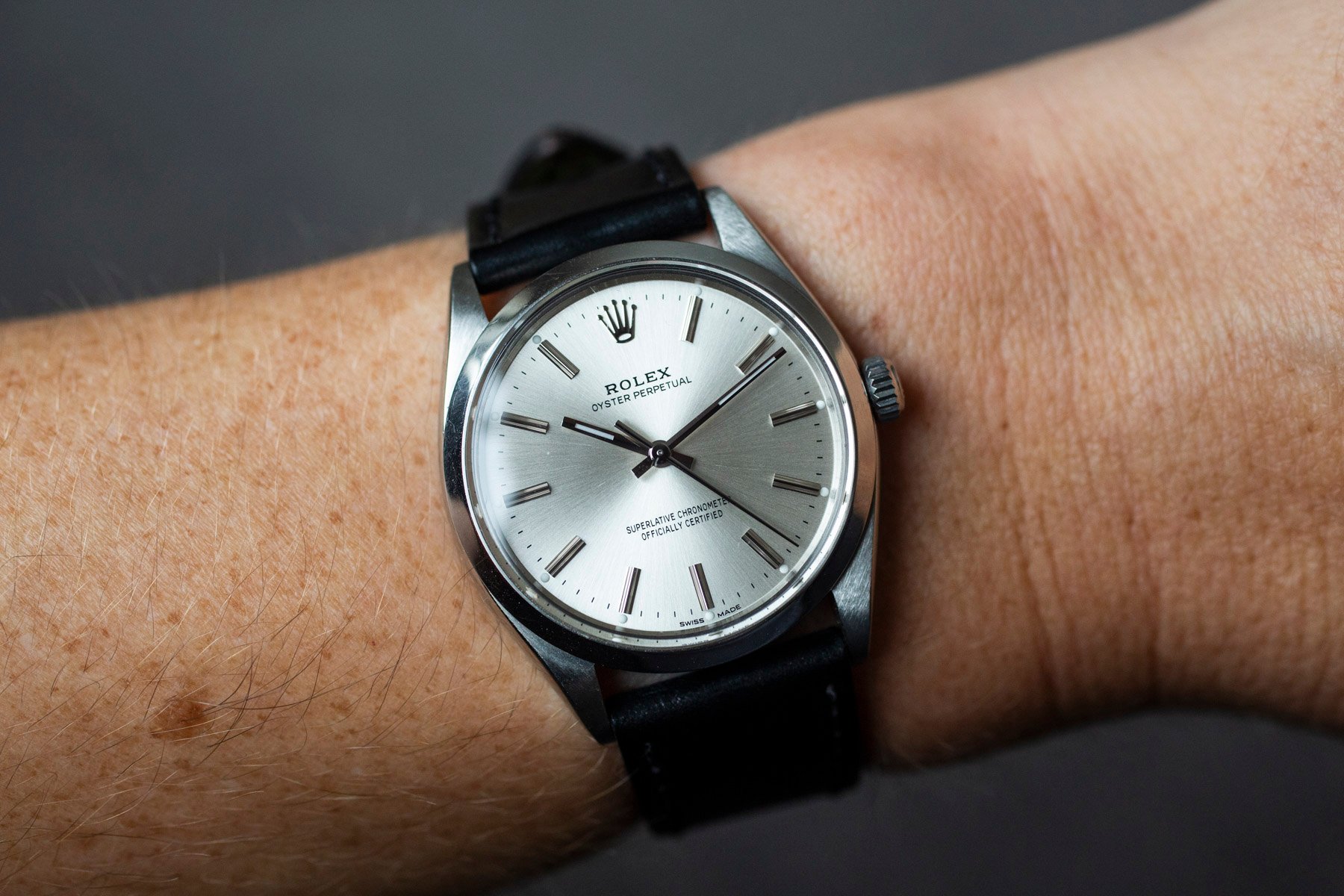
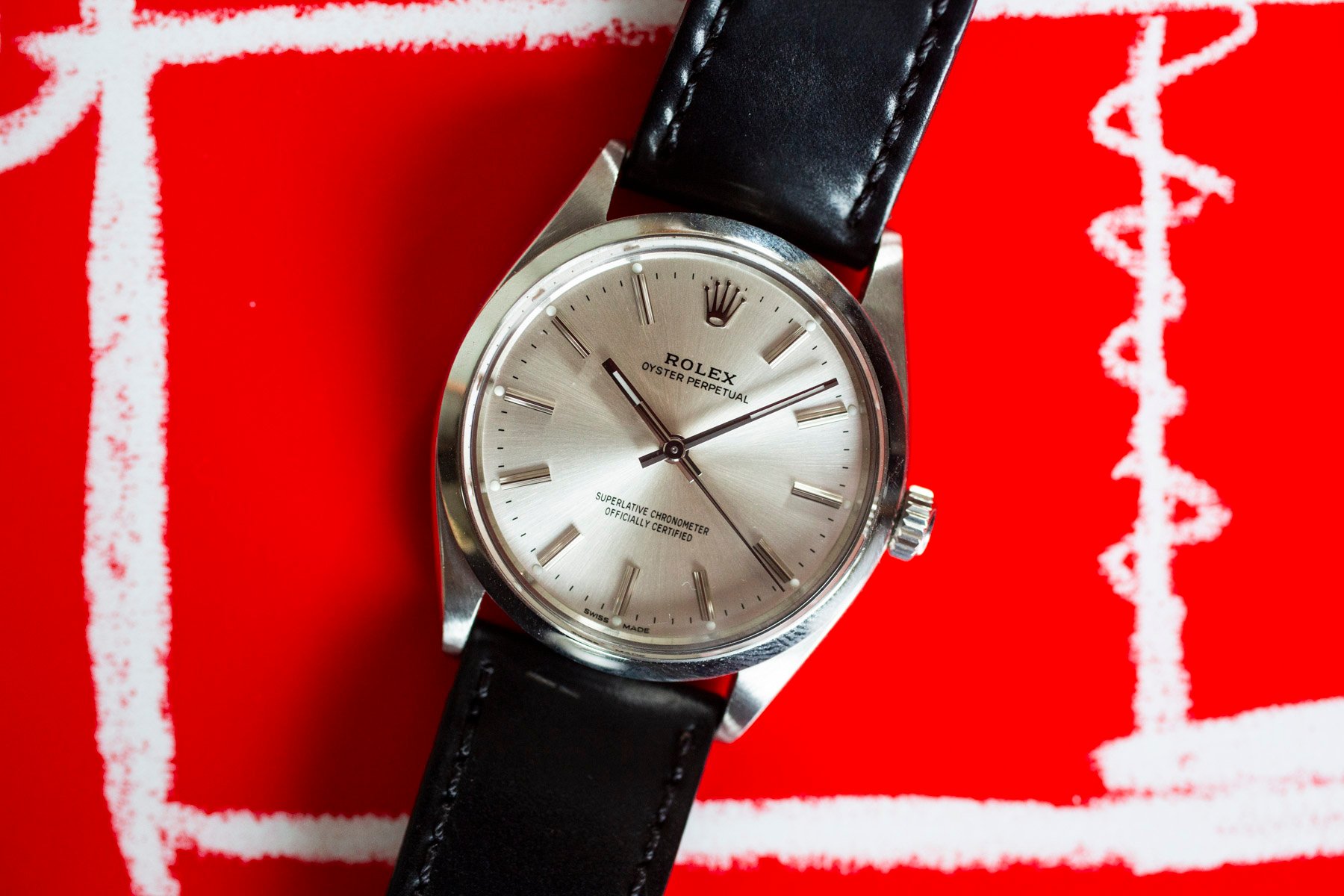
The first is a vintage Oyster Perpetual ref. 1002, a 34mm timepiece from the 1960s powered by the reliable Caliber 1560. This particular watch, inherited from the author’s mother, represents a distillation of Rolex’s core DNA: a no-frills Oyster case that embodies functional elegance. For years, it resided on its original Oyster bracelet, a testament to quality engineering in its own right. Yet, it was only after transitioning to a leather strap that the watch truly "clicked" into place. On the bracelet, the small vintage Oyster could appear somewhat utilitarian, a shrunken version of a tool watch. The switch to leather, however, introduced an immediate warmth and sophistication. The same case and dial, previously perceived as purely functional, now exuded a considered elegance, rendering the watch unmistakably dressier. This was not a compromise on the watch’s inherent qualities but a redefinition of its character through a simple strap change. The watch itself remained unchanged, but its perceived role and aesthetic shifted dramatically, from a daily workhorse to a refined companion for more formal occasions.
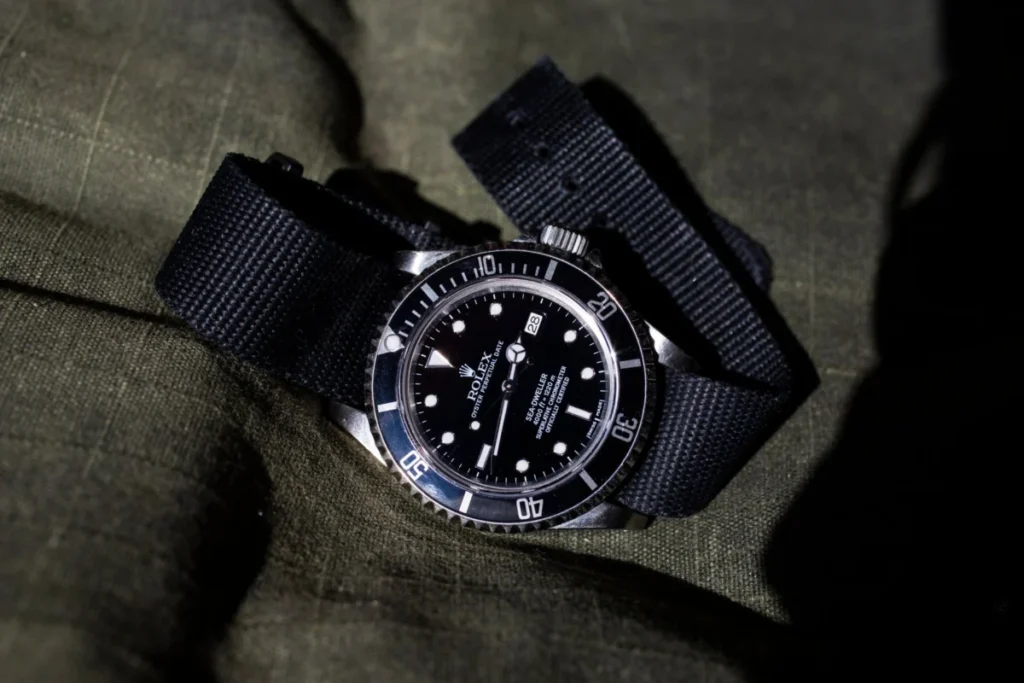
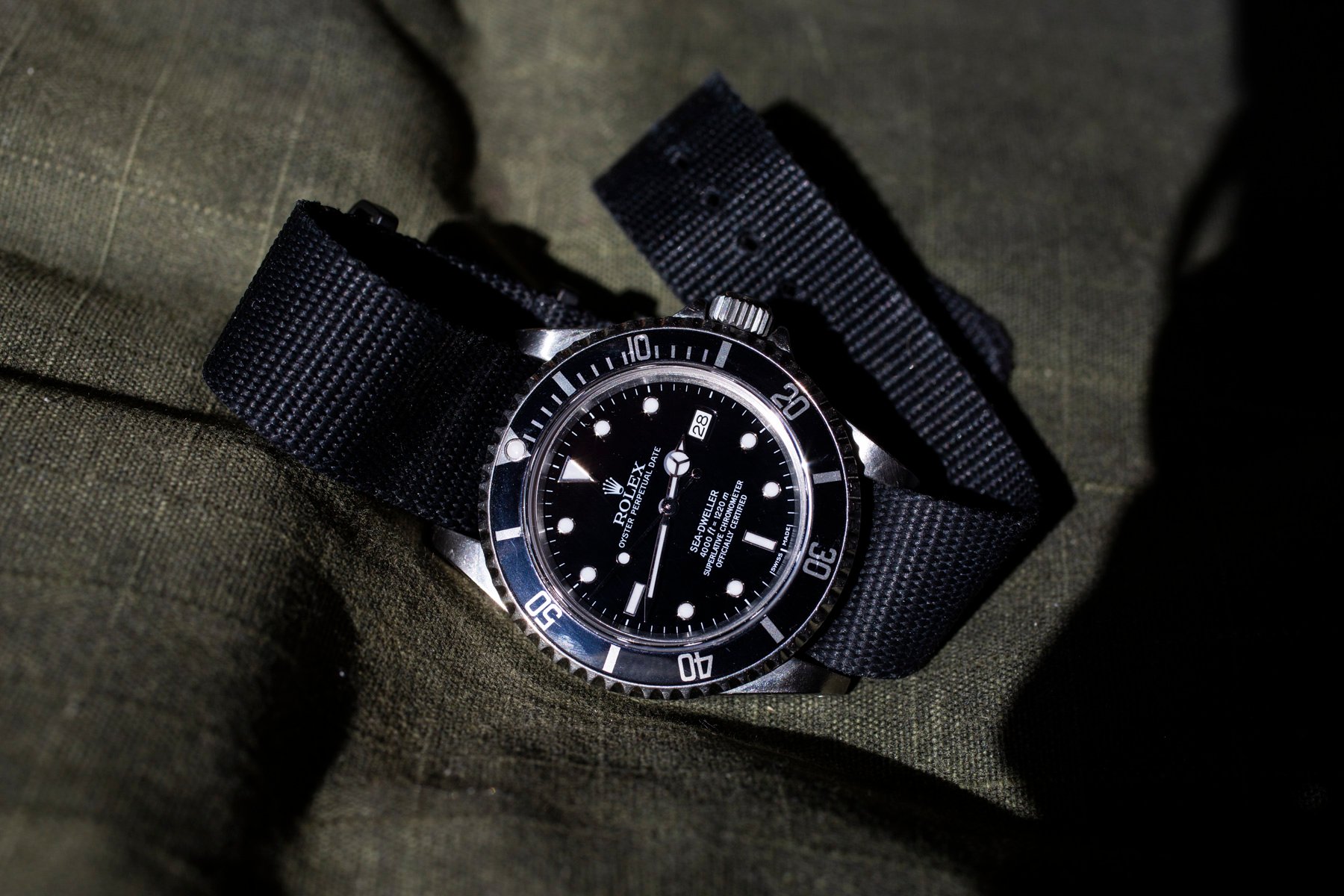
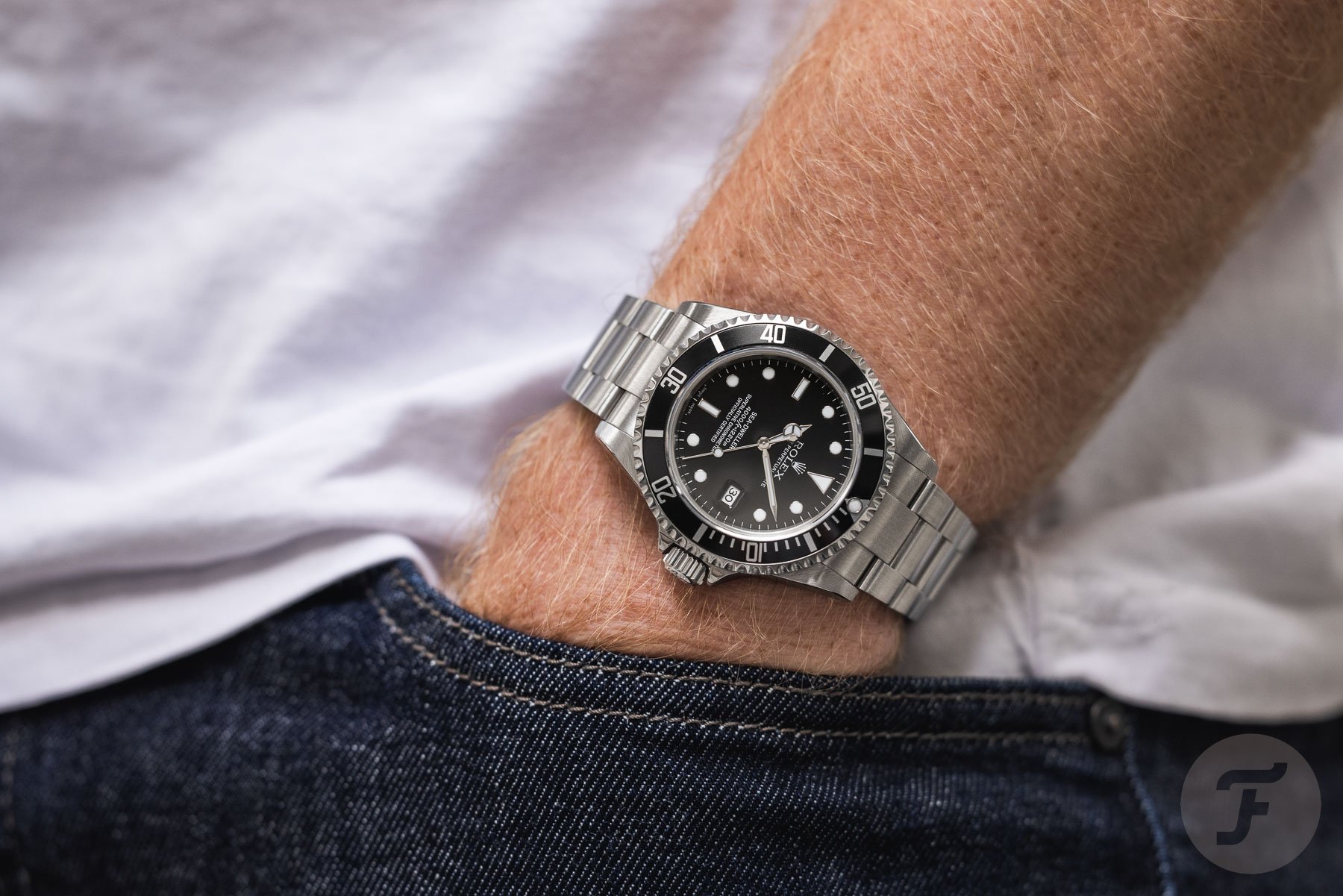
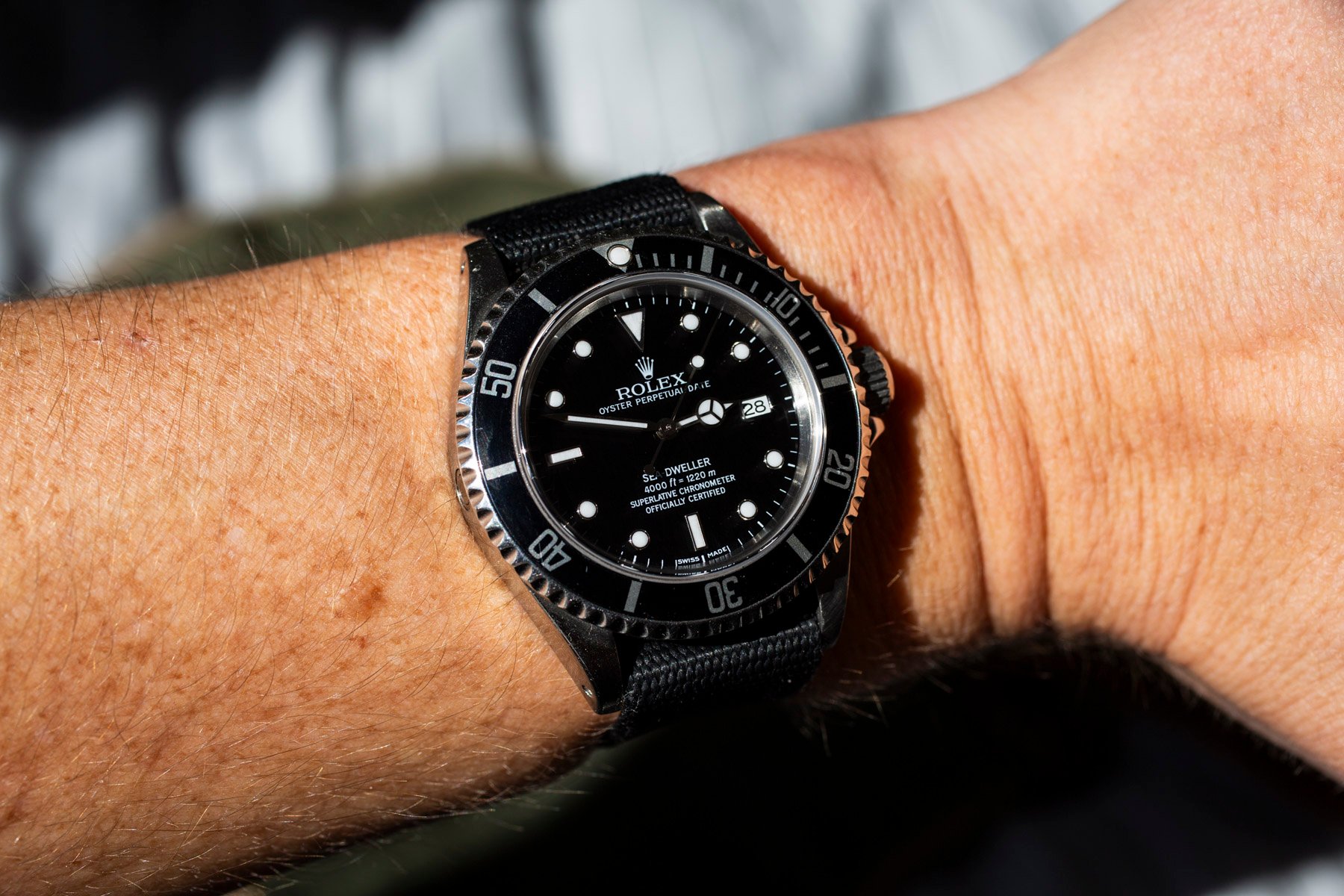
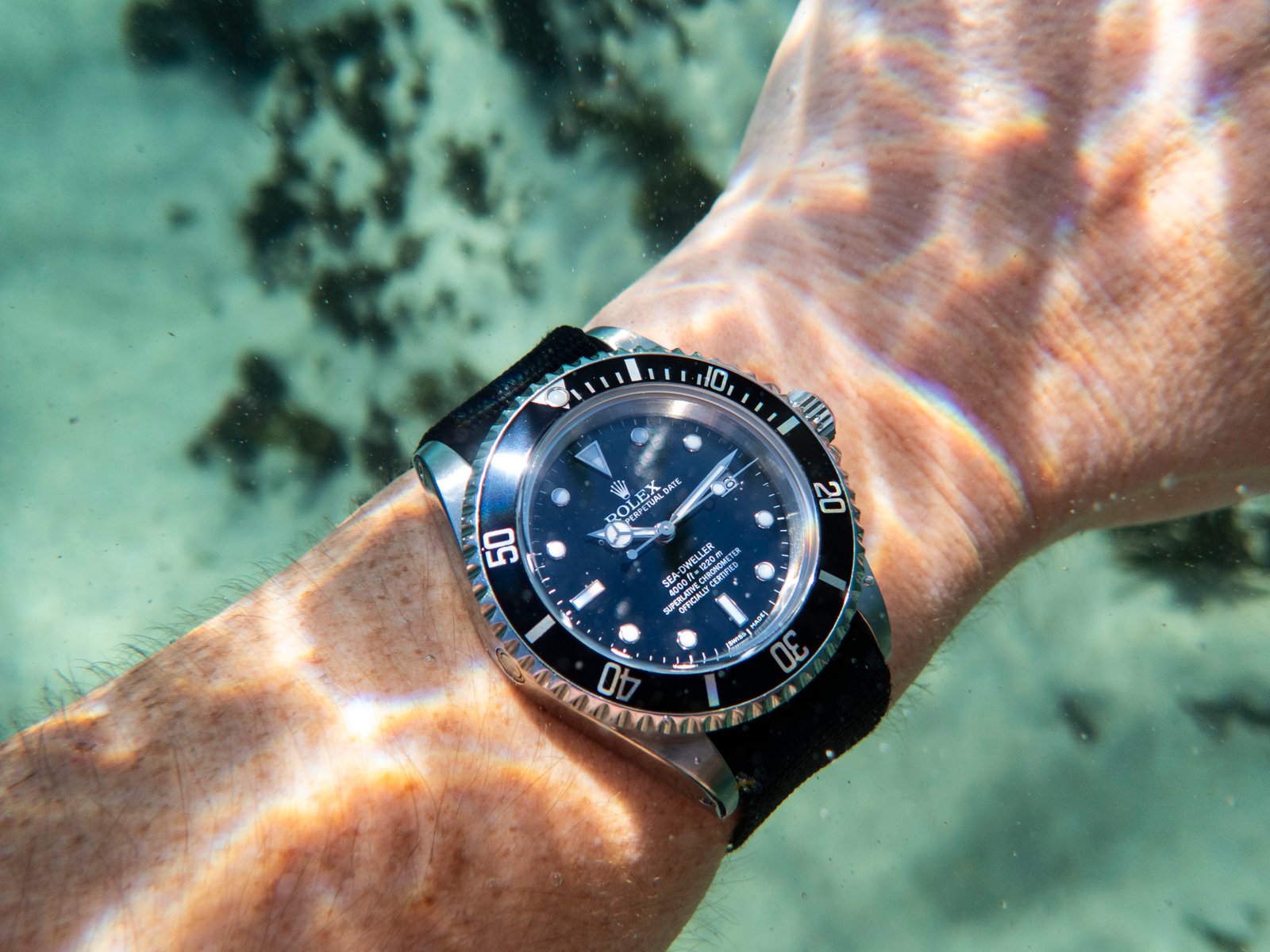
In contrast, the author’s more recent acquisition, a neo-vintage Rolex Sea-Dweller ref. 16600, offers a compelling counterpoint. Chosen for its classic aluminum bezel and its slightly more relaxed tool-watch persona compared to its ceramic-bezel successors, this dive watch carries the weight of its 1,220-meter water resistance rating. When purchased, it came on its factory Oyster bracelet, conveying an image of serious intent, an instrument built for extreme depths. This initial impression, while accurate to its design purpose, felt somewhat detached from everyday wear. The transformation occurred upon fitting a black NATO strap. This change stripped away the watch’s inherent formality, lightening its presence on the wrist and imbuing it with a more casual, rugged, and worn-in feel. The Sea-Dweller, still boasting its 40mm steel case and robust Caliber 3135 movement, shed its image of an over-engineered commercial diver’s tool and became a far more approachable, everyday watch, suitable for casual outings without a second thought. The shift was palpable: from a watch built for the abyss to one that felt at home on a hike.
The Bracelet: Excellent, Not Exclusive
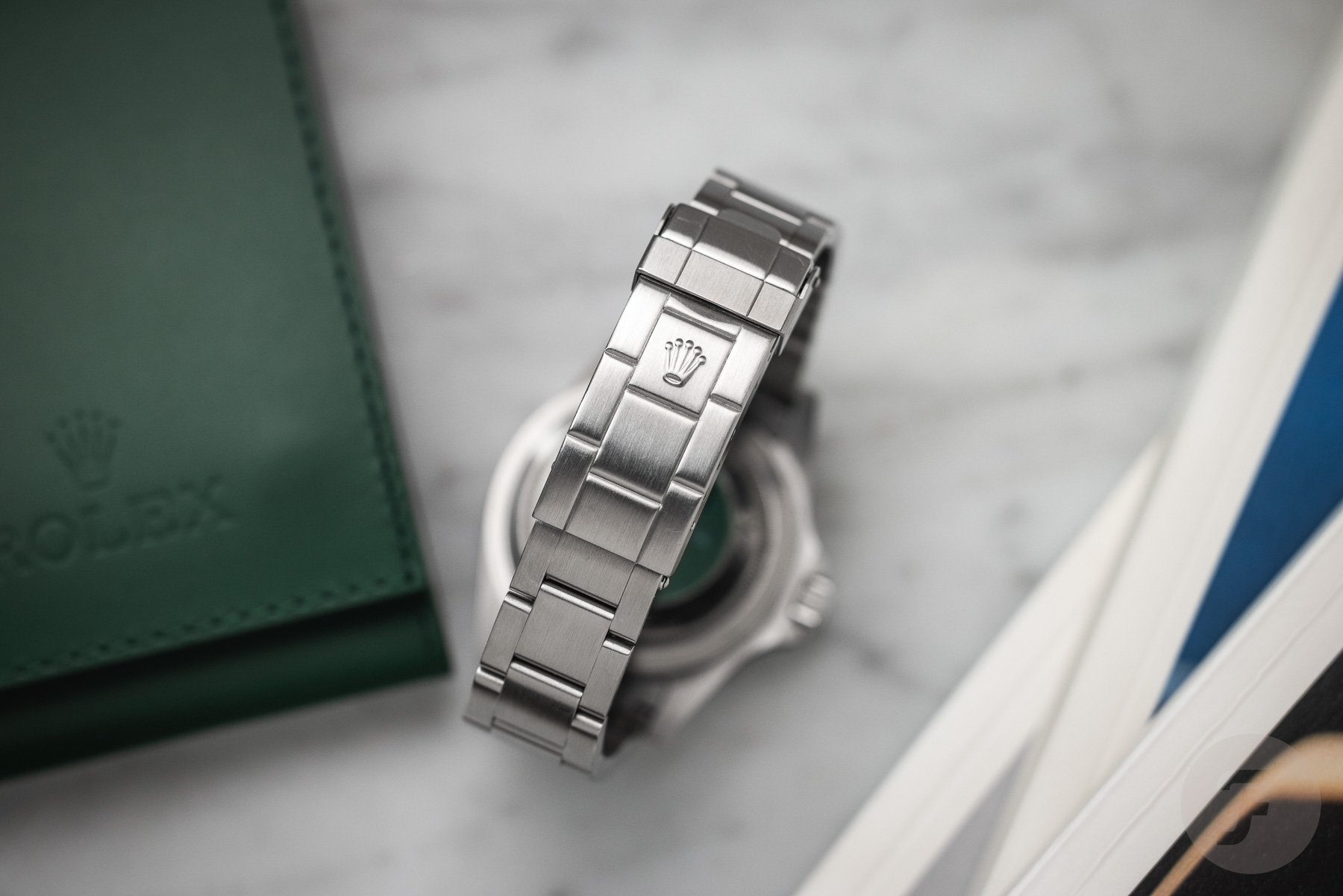
It is crucial to reiterate that the preceding examples are not intended as a critique of Rolex’s exceptional bracelets. The modern Oyster bracelet, with its Oysterlock clasp and Glidelock extension system, is a marvel of engineering. Even older iterations possess a fantastic build quality and functional simplicity. The Jubilee bracelet, with its intricate five-link design, is equally successful, offering a unique blend of elegance and comfort that complements a wide range of Rolex models, from the GMT-Master to the Datejust. These bracelets have rightfully earned their reputation for durability, comfort, and aesthetic integration. The Sea-Dweller 16600, for instance, was undoubtedly designed with the robustness of its Oyster bracelet in mind, a perfect marriage of form and function for its intended purpose.
However, the excellence of a component does not automatically preclude the exploration of alternatives. The prevalent tendency to keep steel sports Rolexes exclusively on their factory bracelets is, arguably, more a product of ingrained habit and powerful marketing than an objective limitation of the watches themselves. For many, the watch arrived on a bracelet, and so it remains, a silent adherence to an unwritten rule. There can also be a subconscious concern that deviating from the factory configuration might somehow disrespect the brand’s design integrity, as if swapping a strap were a violation of an unspoken covenant. Furthermore, Rolex has masterfully cultivated an image where its steel sports watches are almost exclusively depicted on their integrated bracelets. This decades-long visual association in catalogs, advertisements, and collector photography has created a powerful, almost inseparable link between the watch and its metal band in the collective imagination. This is a testament to Rolex’s marketing prowess as much as it is to the intrinsic appeal of their bracelet designs.
Unlocking New Personalities: Leather and NATO Straps
By momentarily setting aside the ubiquitous bracelet and considering the case for alternative straps, the argument for diversification becomes significantly stronger. A steel sports Rolex, when worn on its factory bracelet, often projects a singular persona: that of a robust, versatile, yet somewhat clinical tool watch. While endlessly adaptable for many situations, it inherently carries a subtle formality.
Introducing a leather strap, however, can subtly but effectively shift this perception. Depending on the type and color of the leather – a rich brown alligator for a dressier feel, a distressed tan for a vintage aesthetic, or a smooth calfskin for understated elegance – the watch can be steered towards a warmer, more refined, or decidedly more casual appearance. The inherent utilitarianism of the case and dial can be softened, allowing for greater stylistic flexibility. This allows the owner to tailor the watch’s presentation to a wider array of personal styles and social contexts, moving it beyond its default "tool watch" identity.
Conversely, fitting a NATO strap propels the watch in an entirely different direction. Known for their ruggedness and practicality, NATO straps (and their various cousins like the Zulu strap) transform a Rolex into a more overtly sporty, adventurous, and casual timepiece. The material itself, often nylon, evokes a sense of durability and readiness for outdoor activities. The way a NATO strap distributes the watch’s weight and sits on the wrist can also contribute to a lighter, more relaxed feel. This configuration moves the watch further away from any perceived formality, aligning it more closely with activities like hiking, travel, or simply a relaxed weekend. The core components – the case, the dial, the movement – remain unchanged, but the watch’s overall personality, its implied use, and its visual impact on the wearer are dramatically redefined.
The Unseen Impact: Why Straps Remain Underutilized
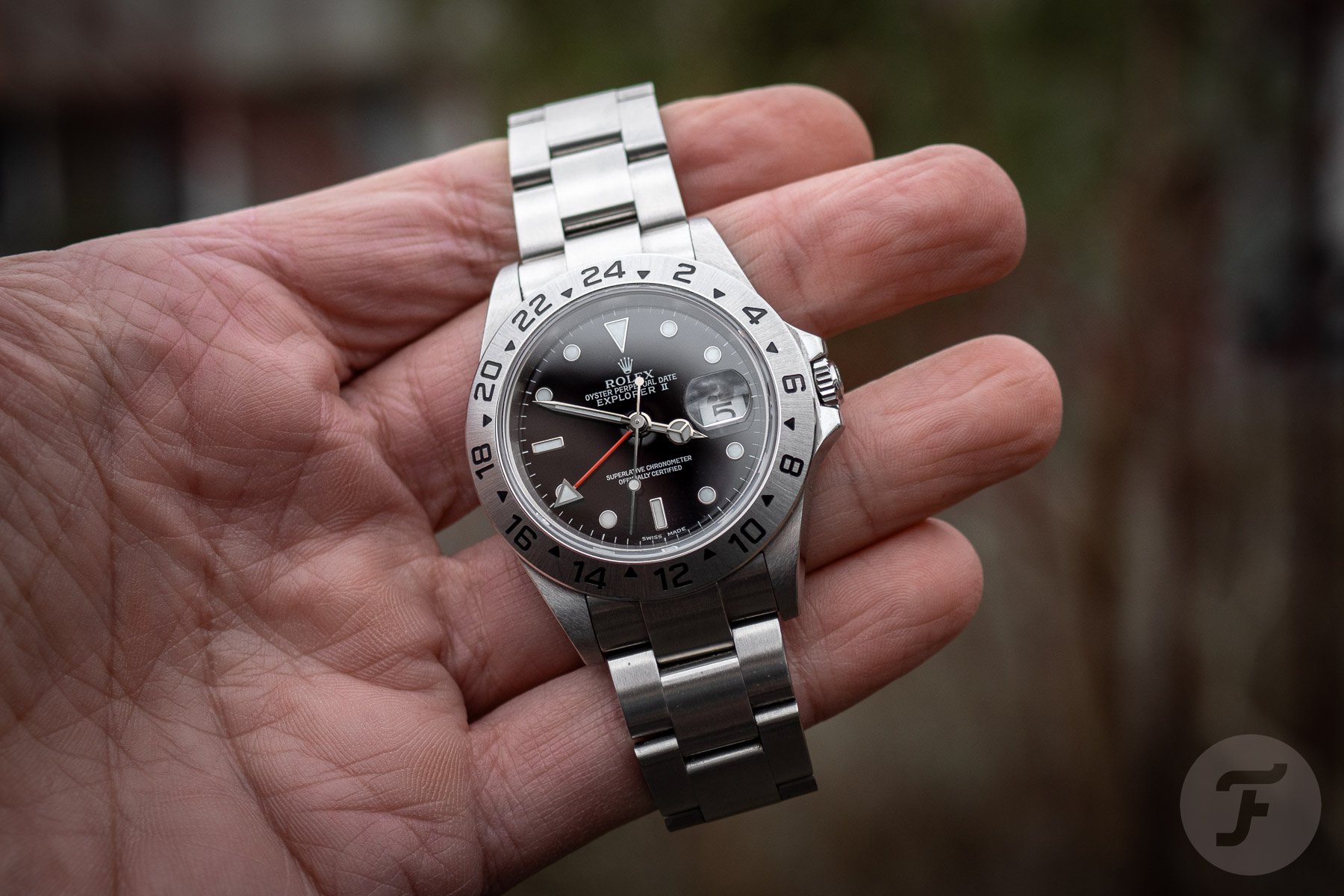
Given the relative ease with which many steel sports Rolexes can be fitted with alternative straps – NATO straps often require no tools, and leather strap changes are typically straightforward for most owners or competent watchmakers – it remains somewhat surprising how infrequently this practice is observed or discussed in mainstream watch culture. The overwhelming visual evidence in enthusiast forums, collector photography, and even official Rolex imagery reinforces the dominance of the bracelet. Submariners are perpetually pictured on Oyster bracelets, GMT-Masters on Jubilees, and Sea-Dwellers on their metal links. Straps and NATO straps, while present, are often relegated to vintage models or dressier references where a bracelet was never the primary design consideration.
This pattern suggests a confluence of factors: the sheer familiarity and comfort of the original bracelet, a hesitance to deviate from what is perceived as the "correct" presentation, and the powerful influence of consistent brand messaging. The result is a missed opportunity for many owners to experience the full spectrum of their Rolexes’ potential.
A Call for Re-evaluation: Beyond the Factory Standard
The author’s personal experiences with the Oyster Perpetual 1002 on leather and the Sea-Dweller 16600 on a NATO strap are not isolated incidents of novelty or compromise. Rather, they represent the watches finding a different, equally legitimate, and often more personal, register. These configurations do not dilute the watches’ intrinsic value or their connection to personal history – in both cases, the watches carry significant familial legacy. Instead, changing the straps has allowed each watch to achieve a more authentic fit with the owner’s daily life and personal style. It is about recognizing that a Rolex, particularly a steel sports model, is not a static object defined solely by its factory configuration but a dynamic instrument that can adapt and evolve with its wearer.
For those who own a steel sports Rolex that may be languishing in a drawer due to perceived discomfort on hot days or a feeling that the bracelet is "too obviously Rolex" for certain occasions, the solution may be simpler than imagined. Instead of viewing the watch as inherently limited, consider it as a versatile platform. Experimenting with leather or NATO straps can reveal a different watch entirely, one that might be more comfortable, more aesthetically pleasing, or simply more in tune with the wearer’s current needs. This exploration allows for a deeper appreciation of the watch’s fundamental design and opens up a new dimension of ownership, moving beyond the singular narrative of the bracelet to embrace the multifaceted potential of the timepiece.
The question then becomes: how do we encourage this broader perspective? By sharing these experiences and advocating for the exploration of alternative strap options, perhaps we can begin to shift the balance, demonstrating that the bracelet is an excellent choice, but it is by no means the only one. The true beauty of these iconic watches lies not just in their inherent quality but in their capacity to adapt and resonate with their owners in diverse and meaningful ways.