The German automotive giant BMW has ignited a significant debate among its customer base and the wider automotive industry with the introduction of what it terms a "branded entertainment experience" within its vehicle infotainment systems. The company claims that a new cinematic short featuring the Marvel character Spider-Man, which is being distributed to owners of specific BMW models, is not an advertisement. However, this assertion has been met with widespread skepticism and criticism, as the content clearly integrates BMW vehicles into a narrative designed to promote the brand and its products. This development raises critical questions about the evolving landscape of automotive marketing, the integration of in-car digital experiences, and the potential for blurring the lines between entertainment and advertising.
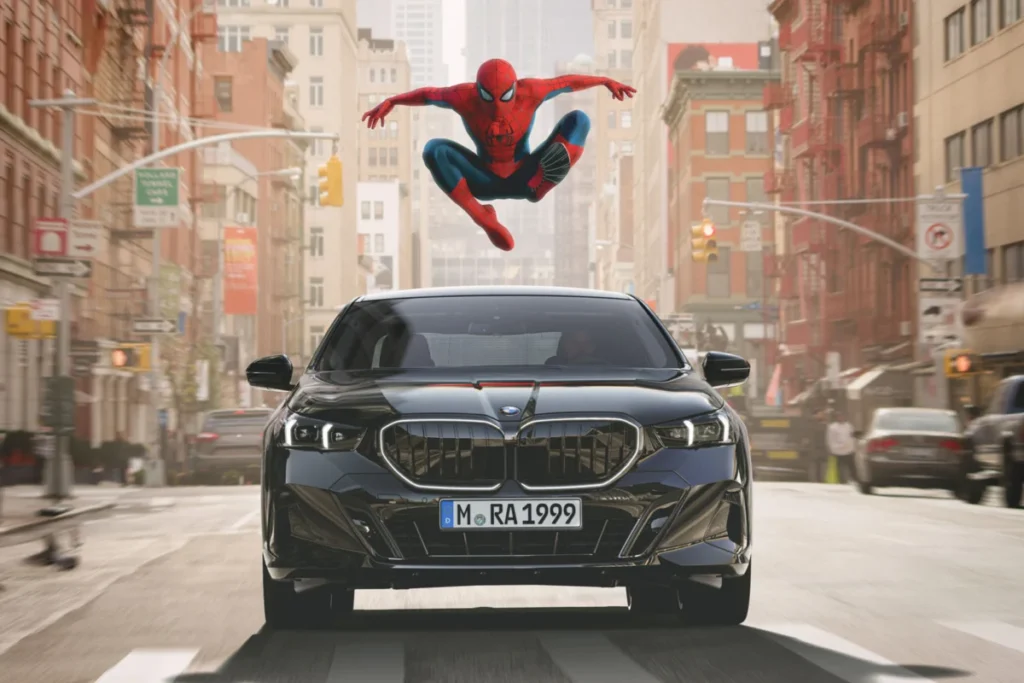
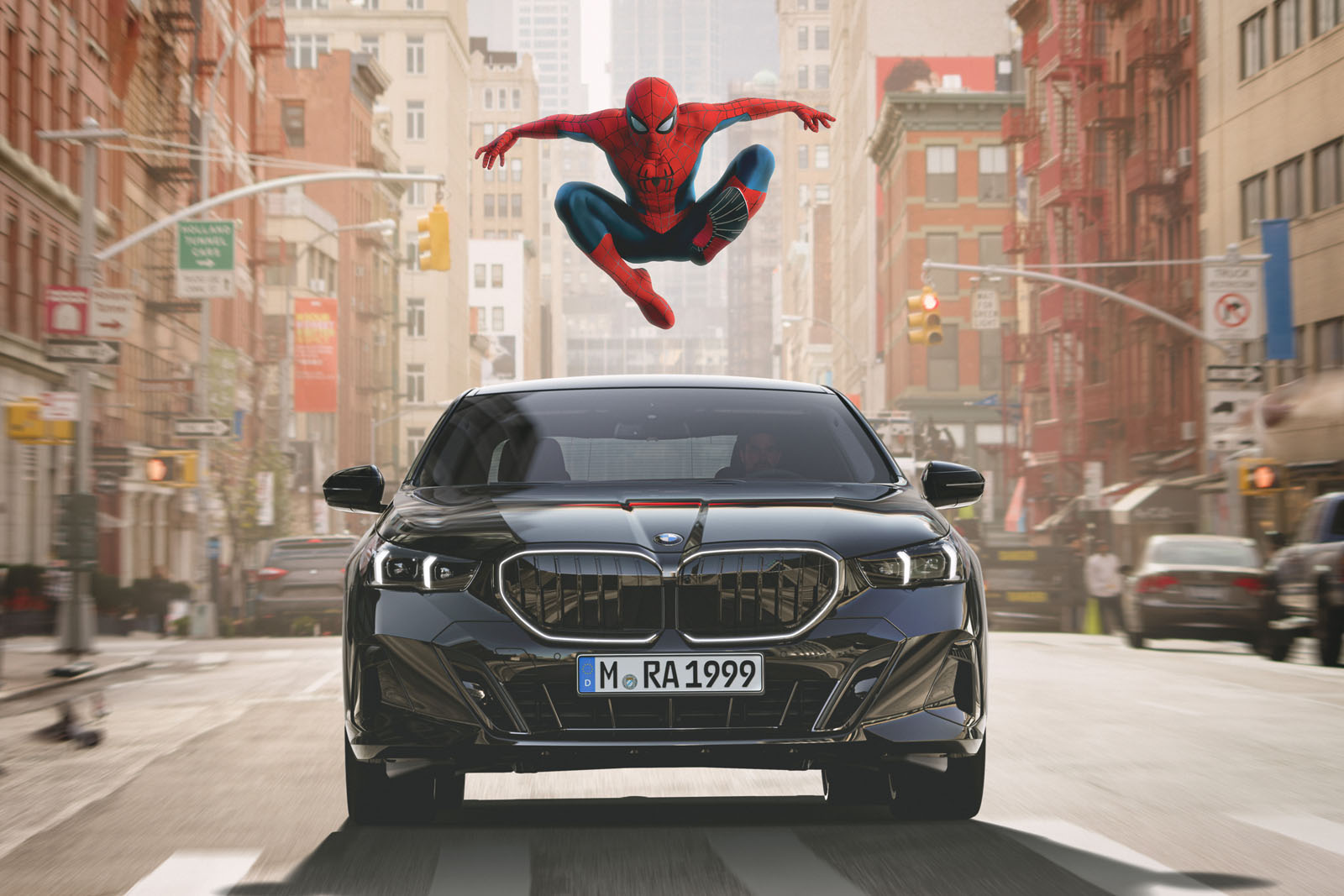
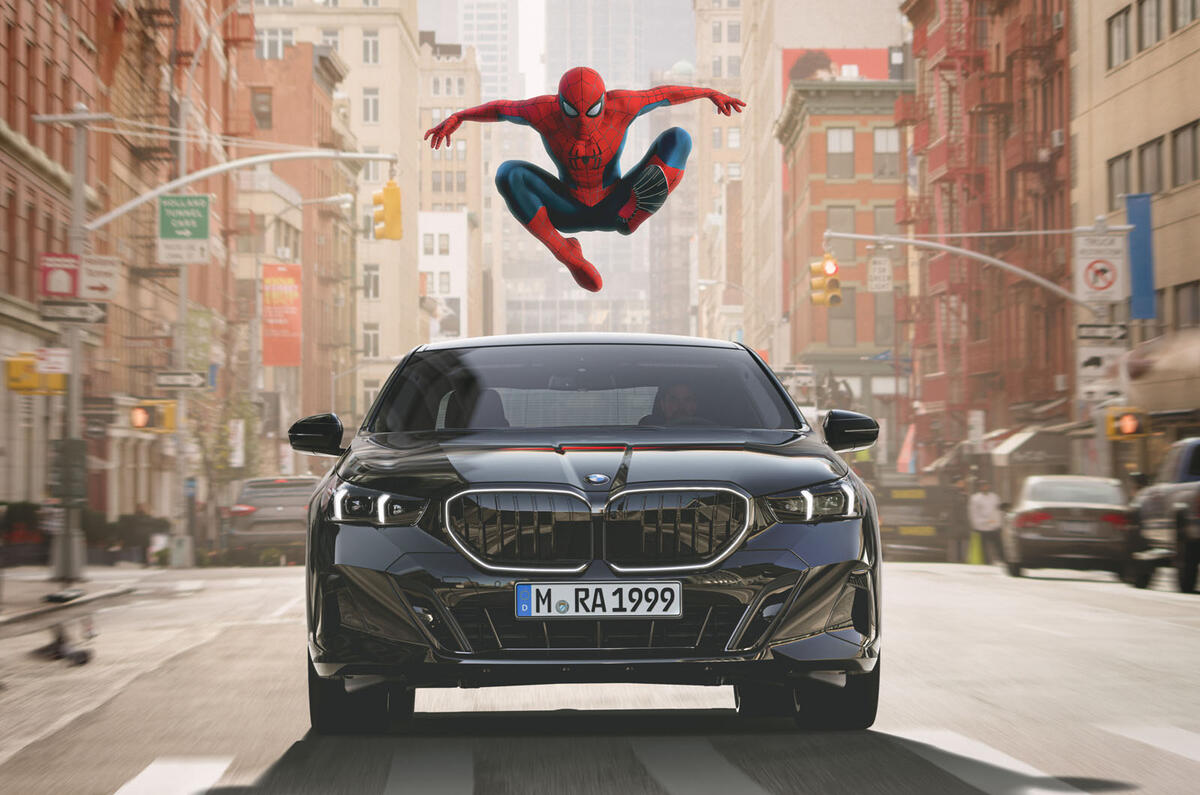
The controversy stems from BMW’s partnership with Marvel for a new short film titled "Spider-Man: Brand New Day." This production prominently features BMW’s electric vehicles, specifically the iX3 and the 5 Series sedan, as integral elements of the storyline. The inclusion of these vehicles is not subtle; they are depicted in action sequences and integrated into the plot, a practice commonly referred to as product placement in traditional media. However, BMW’s decision to deliver this content directly to the screens of its customers, within the vehicle’s onboard system, marks a significant escalation and a departure from conventional advertising channels.
Background and Chronology of the "Branded Entertainment" Initiative
The integration of digital content and advertising within vehicle infotainment systems has been a growing trend in recent years. As cars become more connected and sophisticated, manufacturers are exploring new avenues to engage with consumers and monetize the in-car experience. This particular initiative by BMW appears to be an evolution of that strategy, moving beyond static advertisements or informational displays to offer a more immersive, albeit curated, entertainment product.
While the exact timeline for the conceptualization and development of "Spider-Man: Brand New Day" within BMW’s strategy is not publicly detailed, its rollout has generated immediate discussion. Reports suggest that the content began appearing in the infotainment systems of eligible BMW vehicles in early 2024, coinciding with the broader marketing push for the associated Marvel property. The "Spider-Man: Brand New Day" short film itself is understood to be a standalone piece, designed for consumption within the car, rather than a traditional television commercial or a trailer for a feature film.
The decision to present this content as "branded entertainment" rather than a direct advertisement is a key point of contention. Industry analysts suggest this terminology is a deliberate attempt to frame the experience as a value-added offering for BMW owners, rather than a commercial interruption. This distinction, while legally nuanced, is perceived by many consumers and critics as disingenuous. The core purpose of integrating brand-relevant content into a narrative, especially one featuring popular characters and vehicles, is to foster positive brand association and ultimately drive sales.
Supporting Data and Industry Context
The automotive industry is increasingly investing in digital advertising and in-car technology. Global spending on automotive advertising across all channels continues to rise, with a significant portion shifting towards digital platforms. According to Statista, global ad spending in the automotive sector was projected to reach over $36 billion in 2023, with digital channels accounting for a substantial and growing share.
In-car digital ecosystems are becoming a battleground for consumer attention. Manufacturers are not only using these systems for navigation and vehicle controls but also for entertainment, communication, and increasingly, for delivering personalized content and services. This includes partnerships with streaming services, app integrations, and, as demonstrated by BMW, bespoke branded content.
The concept of product placement in films and television has been a staple of marketing for decades. Brands pay significant sums to have their products featured prominently, often to the point where the product becomes almost a character in itself. However, the direct delivery of such content within the user interface of a product that consumers have purchased, and which is presented as something other than an advertisement, is a novel and potentially problematic approach.
Reactions and Stakeholder Perspectives
The reaction from BMW owners and the automotive enthusiast community has been largely negative. Social media platforms and automotive forums have been abuzz with discussions, with many expressing a sense of being "marketed to" in a way they did not anticipate or desire. Common sentiments include:
- Feeling of Intrusion: Many owners feel that their vehicle’s internal system, a space they consider private and functional, has been compromised by unsolicited marketing content.
- Lack of Transparency: The categorization of the content as "branded entertainment" has been viewed as an attempt to circumvent consumer expectations of what constitutes an advertisement.
- Perceived Disrespect: Some owners feel that BMW is underestimating their intelligence by attempting to disguise advertising as entertainment.
- Preference for Control: A strong desire for users to have more control over what content appears within their vehicle’s systems has been articulated.
While BMW has not released specific data on the reception of this initiative, the vocal nature of the negative feedback suggests a significant portion of its customer base is displeased. It is also plausible that some owners may find the content engaging, particularly those who are fans of Spider-Man and are already brand-loyal to BMW. However, the company’s public statements have focused on the "immersive storytelling" and "innovative brand experience" rather than addressing the criticisms directly.
Official Responses and Company Stance
BMW’s official position, as indicated by statements from company representatives, is that the "Spider-Man: Brand New Day" short is an example of "branded entertainment" designed to offer a unique and engaging experience to its customers. They emphasize that this content is not a traditional advertisement and is intended to be a value-added feature that aligns with the adventurous and innovative spirit of both the Spider-Man franchise and BMW.
A spokesperson for BMW, when queried on the matter, reportedly stated that the company is committed to providing "innovative digital experiences" for its customers. They further elaborated that the integration of the Spider-Man short film is an effort to leverage popular culture to create a memorable and engaging interaction within the vehicle, showcasing the capabilities of BMW’s advanced infotainment systems. The company has not indicated any plans to remove the content or alter its classification.
Broader Impact and Implications
The BMW "Spider-Man" controversy serves as a case study for the evolving relationship between consumers, technology, and marketing. Several key implications arise from this situation:
- The Blurring Lines of Advertising: This initiative pushes the boundaries of what is considered advertising. If content is created with the primary purpose of promoting a brand, features vehicles prominently, and is delivered through a branded channel, its classification as anything other than advertising becomes questionable, regardless of the narrative framing.
- Consumer Trust and Brand Loyalty: While innovative marketing can be effective, a lack of transparency and perceived manipulation can erode consumer trust. For brands that have built their reputation on quality and customer satisfaction, alienating a significant portion of their customer base through marketing practices can have long-term detrimental effects on brand loyalty and perception.
- The Future of In-Car Digital Experiences: This situation highlights the potential for in-car digital systems to become a significant advertising platform. As vehicles become more integrated into our digital lives, the expectation of what content will appear within them will continue to be a point of discussion and potential conflict. Consumers will likely demand greater control and transparency over the digital environments within their vehicles.
- Regulatory and Ethical Considerations: The debate also raises questions about the need for clearer guidelines and regulations regarding in-car advertising and branded content. The current regulatory landscape may not be fully equipped to address the nuances of these integrated digital experiences. Ethical considerations regarding consumer consent and the right to an ad-free personal space within a purchased product are also paramount.
- Competitive Landscape: Other automotive manufacturers are undoubtedly observing this development. The success or failure of BMW’s approach could influence how other brands choose to engage with their customers through in-car digital platforms. If perceived negatively, it could lead to a more cautious approach across the industry. Conversely, if it were to be embraced by a segment of the audience, it might pave the way for more aggressive content integration.
In conclusion, BMW’s decision to present a Spider-Man short film featuring its vehicles as "branded entertainment" within its infotainment systems has sparked a vital conversation about the future of automotive marketing. While the company aims to offer an innovative digital experience, the widespread perception of this content as an advertisement, delivered without explicit consent for marketing purposes, has generated significant backlash. This incident underscores the critical need for transparency, consumer control, and ethical considerations as the automotive industry navigates the increasingly complex digital landscape within our vehicles. The long-term impact on consumer trust and brand perception will depend on how BMW and other manufacturers address these concerns moving forward.