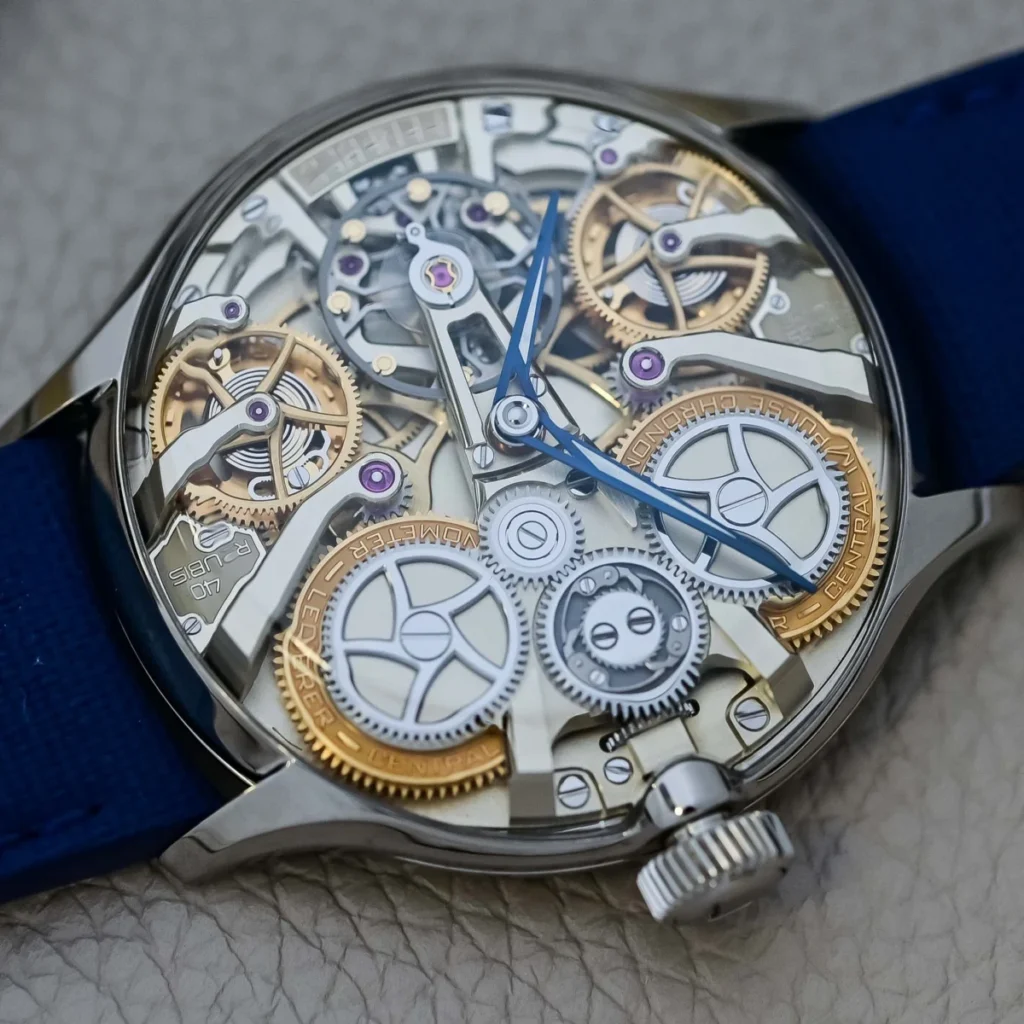
For over four decades, Bernhard Lederer has carved a distinguished path in the realm of independent watchmaking, a journey marked by tangible achievements in remarkable timepieces, pioneering escapements, and significant chronometric innovations. Yet, the exquisite watches that bear his name are merely the outward manifestation of a profound intellectual endeavor. Behind each creation lies a meticulously evolved philosophy, shaped by a lifetime dedicated to the art and science of horology. This exploration delves beyond the polished surfaces of his work to uncover the core ideas, formative influences, and enduring principles that have guided Bernhard Lederer’s distinguished career.
Lederer’s guiding principle, articulated with deceptive simplicity, is: "What drives me is inventing concepts that give every watch a reason to exist." This conviction, held firm for more than forty years, underscores a fundamental belief: true innovation is not born in a vacuum. Instead, it blossoms from a deep and respectful engagement with the legacy of watchmakers and thinkers who have paved the way. This conversation aims to move beyond the intricate mechanics of his timepieces to illuminate the intellectual bedrock upon which Bernhard Lederer has built his singular approach to watchmaking, tracing the experiences and convictions that continue to shape his enduring legacy.
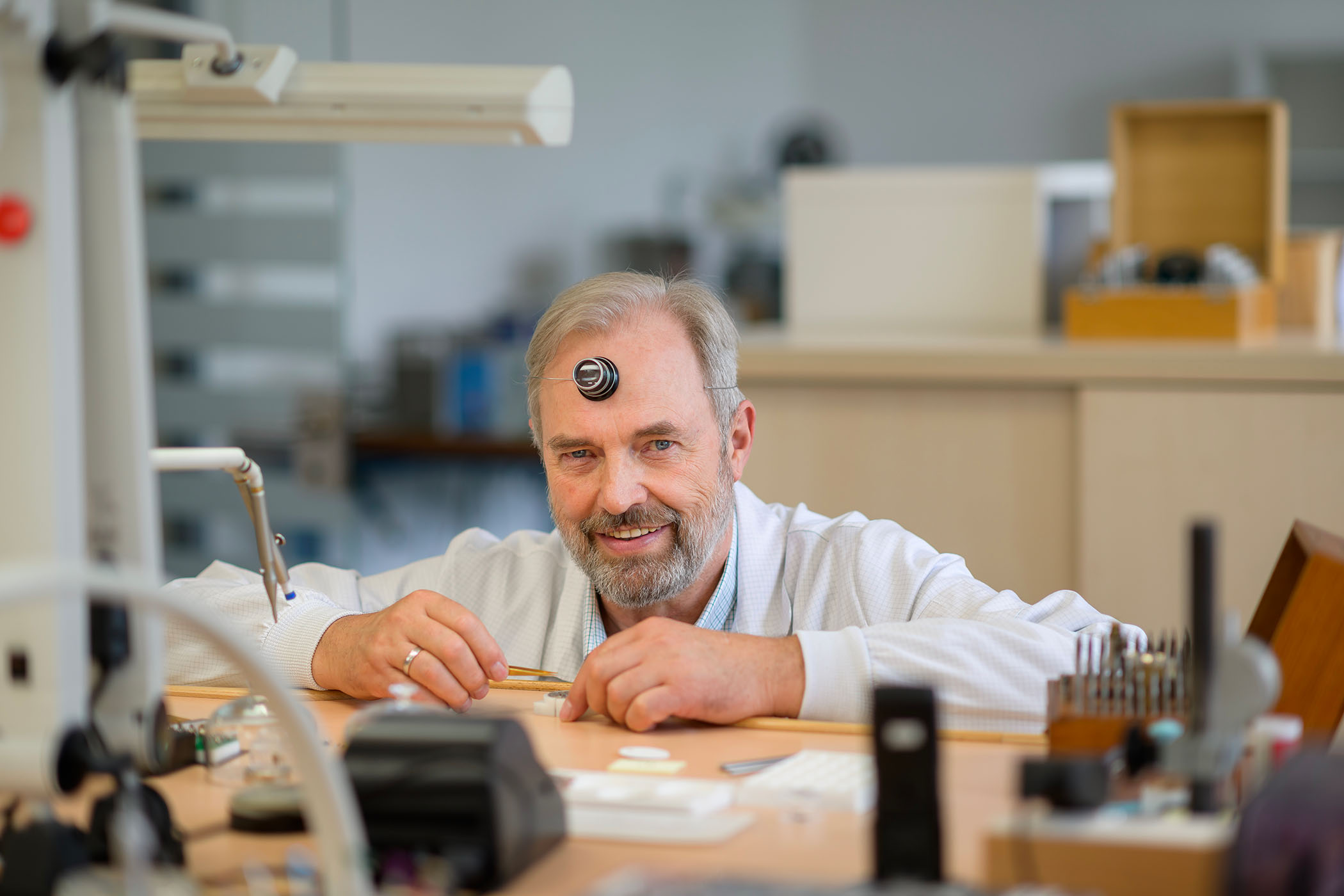
A Lifelong Journey of Curiosity and Craftsmanship
Pascal Brandt of MONOCHROME, in a reflective interview, posed a pivotal question to Lederer: "Forty years is a long time to devote to a single subject, especially when you’re dedicated to the art of independent watchmaking. Looking at your work today, there’s a risk of being captivated by the watches themselves. I’m also interested in the person behind them. When you look back on Bernhard Lederer, who first took up this profession, what do you recognise in him today, and what has changed?"
Lederer’s response illuminated a consistent thread of curiosity that has defined his professional life. "My curiosity has remained unchanged," he stated. Even before formally entering the watchmaking profession, he was captivated by mechanical objects. From his grandfather’s pocket watch to the intricate workings of water mills near his hometown and the gears of his bicycle, a fascination with mechanical ingenuity was ever-present. This early exposure to diverse mechanical systems, coupled with the study of historical texts on mechanical constructions and explorations of technical diversity at flea markets, instilled in him a crucial understanding: "there’s rarely just one way to solve a mechanical problem." This fundamental insight has remained a cornerstone of his approach.
What has evolved, Lederer explained, is his depth of experience. "When you’re young, you admire beautiful mechanisms. Over time, you start to wonder why they were built that way and not another way." This evolution signifies a shift from mere admiration of the outcome to a profound interest in the underlying thought processes. His apprenticeship at the Wuppertal Watch Museum proved particularly formative. While initially a means to earn extra money through the restoration of historic watches, these years, he now recognizes, "shaped my way of thinking far more than I realised."
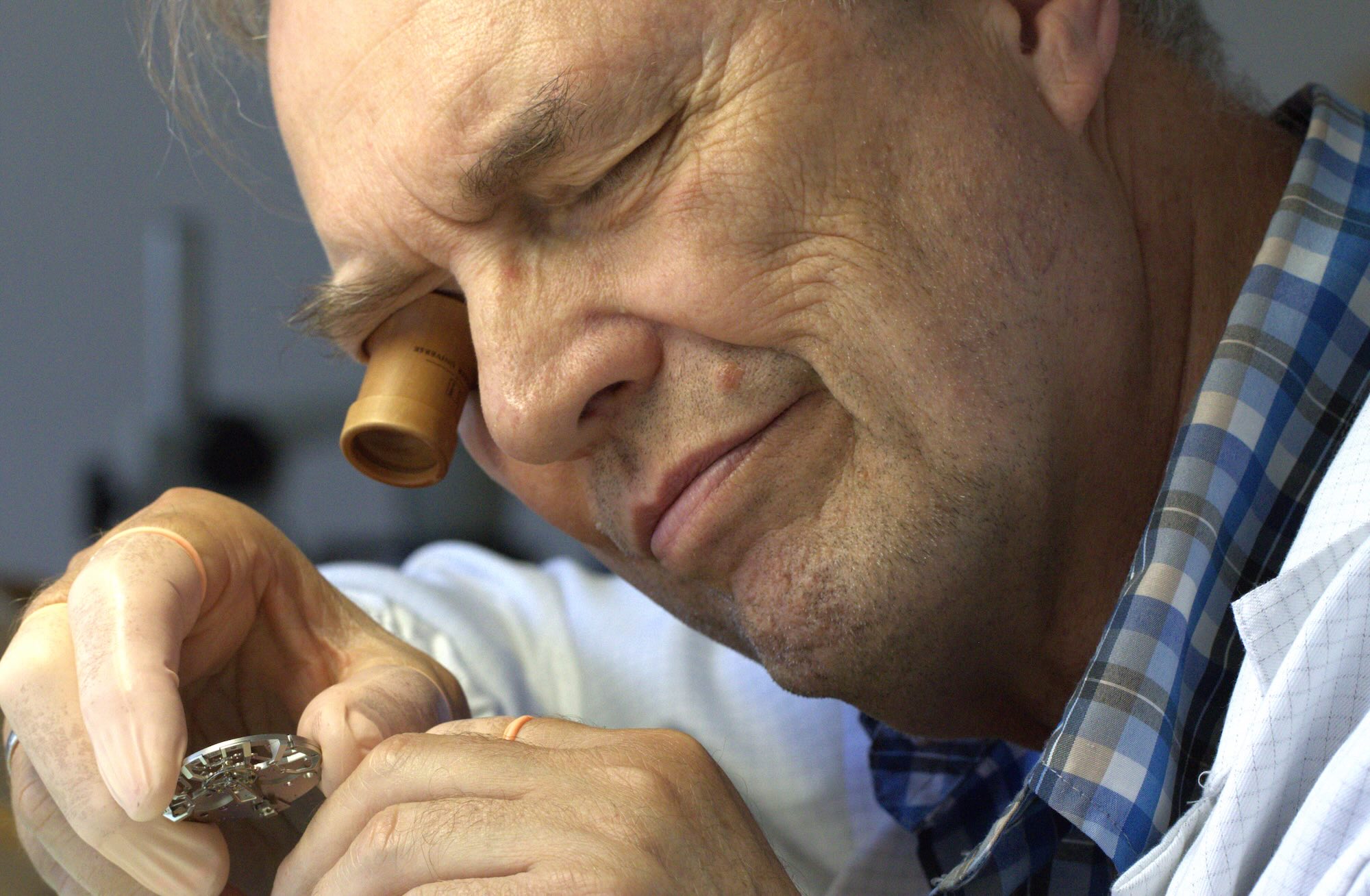
The Invaluable Lessons of Restoration
The topic of restoration frequently surfaces in discussions about Lederer’s work, prompting the question: "What did restoration teach you that making new watches couldn’t?" Lederer articulated that restoration imposes a unique intellectual discipline. It demands an immersion into "another person’s way of thinking." The process transcends simple component replacement; it necessitates understanding the original problem a component was designed to solve, the manufacturing techniques of the era, and the aesthetic sensibilities of that period. This holistic engagement provides "a wider view of every single piece."
Furthermore, working with historical timepieces cultivates a profound sense of humility. Lederer observed that many challenges considered modern were, in fact, thoroughly explored centuries prior. He cited horological luminaries such as Mudge, Breguet, Janvier, and Le Roy, emphasizing that their creations were not merely aesthetic triumphs but the result of grappling with enduring issues of precision, power transmission, and regulation. An anecdote about disassembling a Breguet watch highlighted this point: instead of encountering uniform perfection, he discovered that Breguet had applied extraordinary effort "only where it mattered most," a testament to pragmatic innovation.
Bridging the Past and the Future: A Dialogue Across Generations
The transition from studying the past to actively creating new timepieces is a crucial aspect of Lederer’s philosophy. He clarifies that his engagement with history has never been about mere replication. "If that were the goal, there’s little reason to build new watches." Instead, he views watchmaking as a continuous "dialogue across generations." He believes that great watchmakers leave behind ideas, some fully realized, others unfinished, for future generations to explore. By examining these historical concepts, Lederer identifies possibilities that were previously unattainable due to limitations in materials, techniques, or understanding.
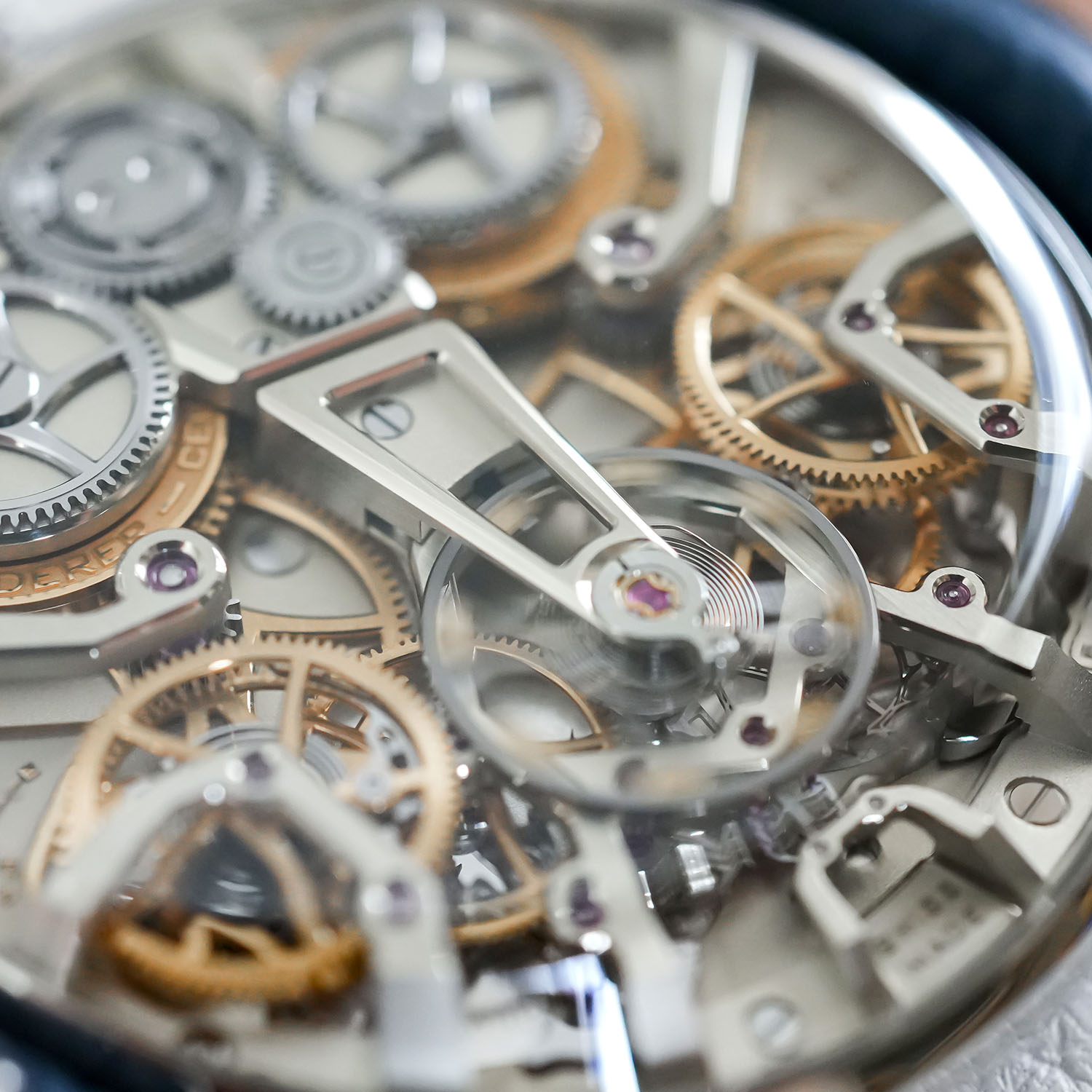
He reframes innovation not as the creation of something entirely novel, but as a re-examination of existing ideas through the lens of contemporary knowledge, seeking superior solutions. "Many of my projects, particularly on escapements and chronometry, began this way." This perspective positions his work as an evolutionary continuum rather than a revolutionary break from the past.
The Obsession with Escapements and Chronometry
Lederer’s dedication to horological history naturally led him to a deep engagement with escapements. The question of whether this was a deliberate intention or an inevitable development elicits a nuanced response. "At first, it wasn’t a conscious decision," he admitted. His initial motivation was not to gain renown for escapements but stemmed from a personal passion: "Escapements are my hobby, my passion; they’re more exciting than the best mystery novel." His fundamental interest lay in "chronometry – making a mechanical watch run consistently and accurately." He recognized that even with aesthetic refinements, the limitations imposed by an inefficient escapement would cap the achievable precision.
Over time, this fascination coalesced into a focused pursuit of chronometry and escapements. It was not a choice driven by complexity, but by the allure of a deeply engaging subject and the desire to explore its fundamental problems to their logical conclusion.
The Calculus of Innovation: A Purpose-Driven Pursuit
Lederer’s work is consistently guided by a clear purpose, prompting the question: "It seems that your work is always guided by a specific reason. How do you decide whether an idea is worth years of your life?" His response is unequivocal: "Innovation for innovation’s sake has never been a driving force for me." He believes that ideas solely driven by a desire to be different lack long-term appeal. A new design, in his view, must be a "response to a real technical problem." It should either enhance existing functionality, deepen our understanding of a mechanism, or ideally, offer a novel solution. Without these criteria, he sees "little point in pursuing it further."
The Central Impulse Chronometer: A Testament to Evolved Ideas
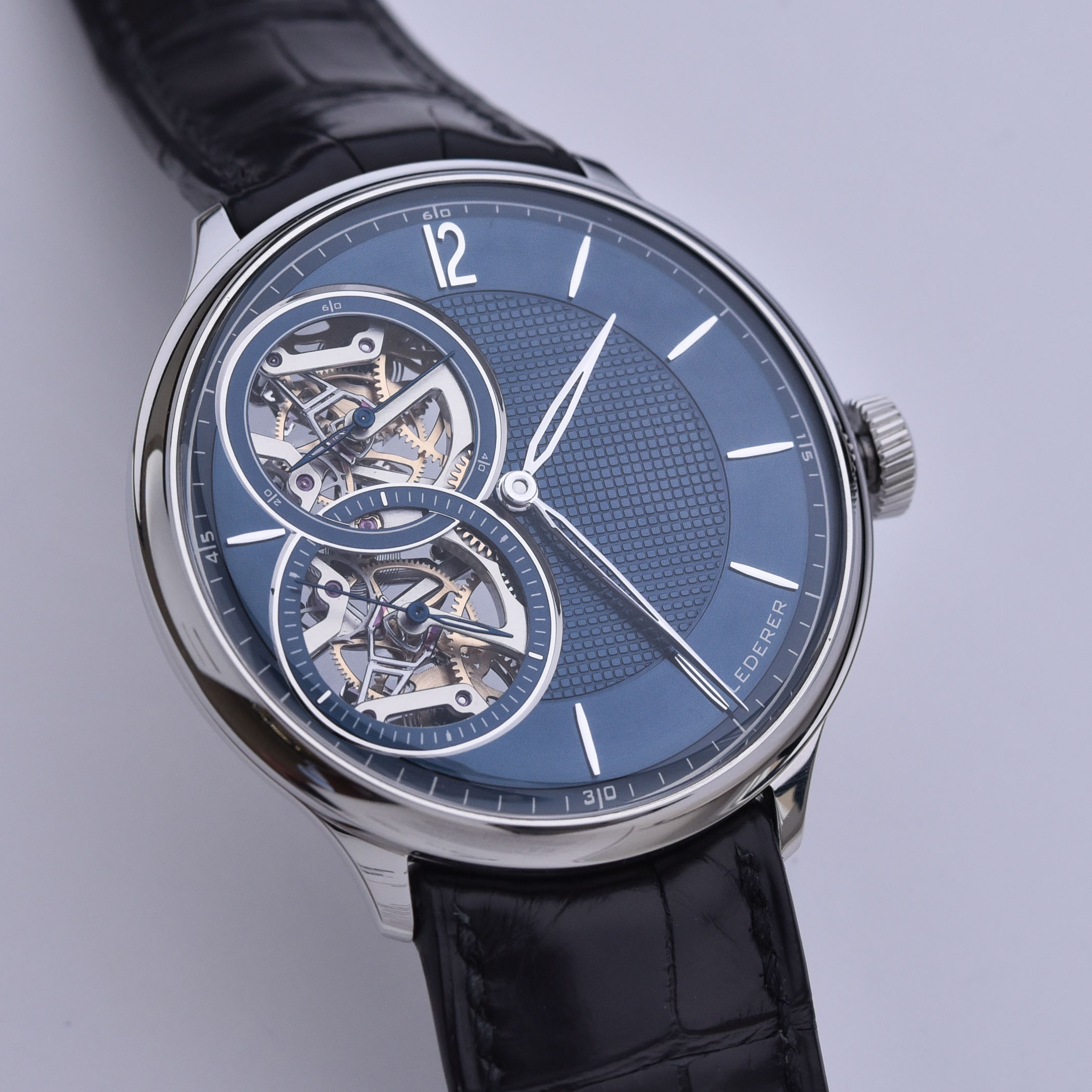
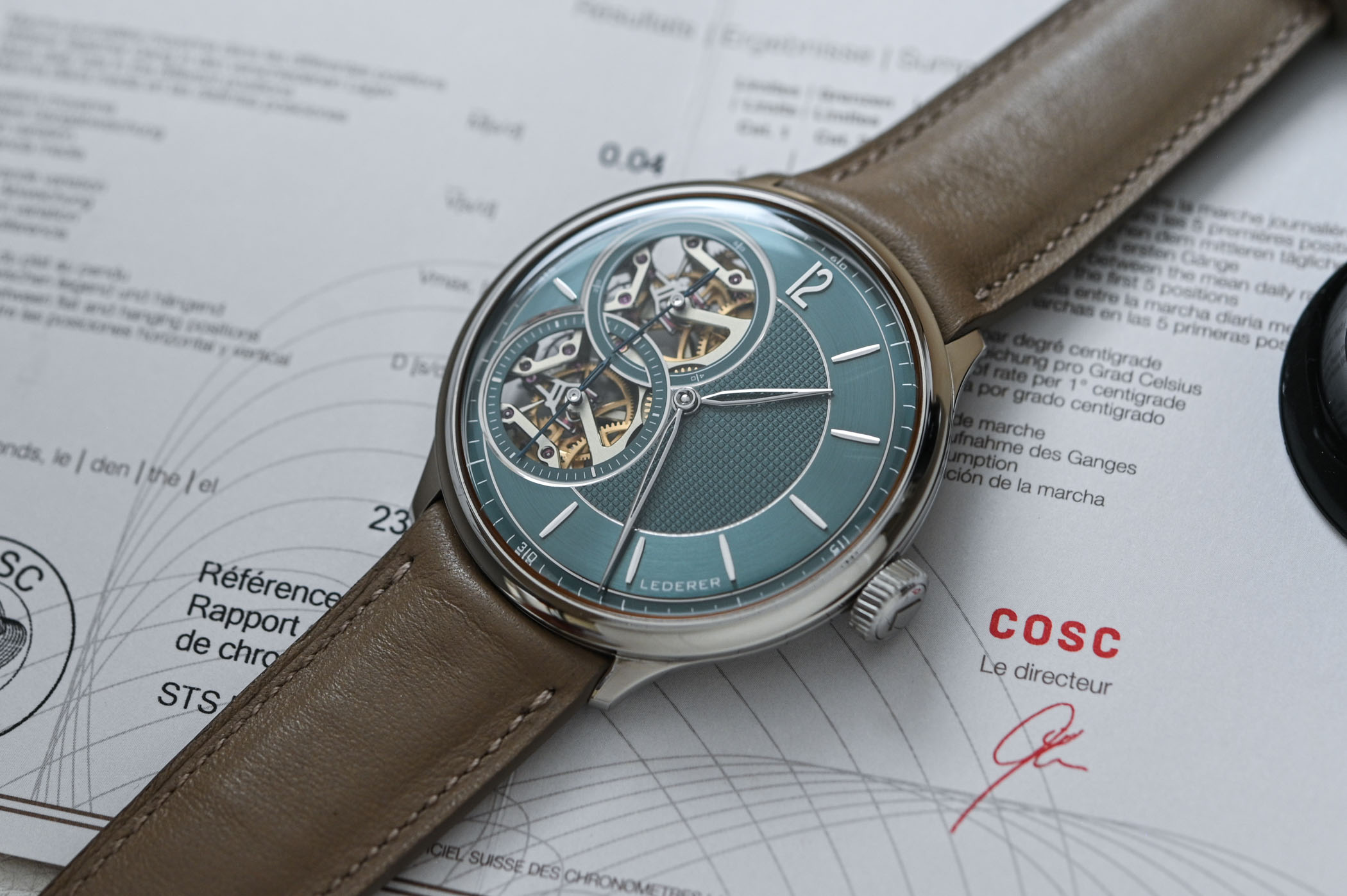
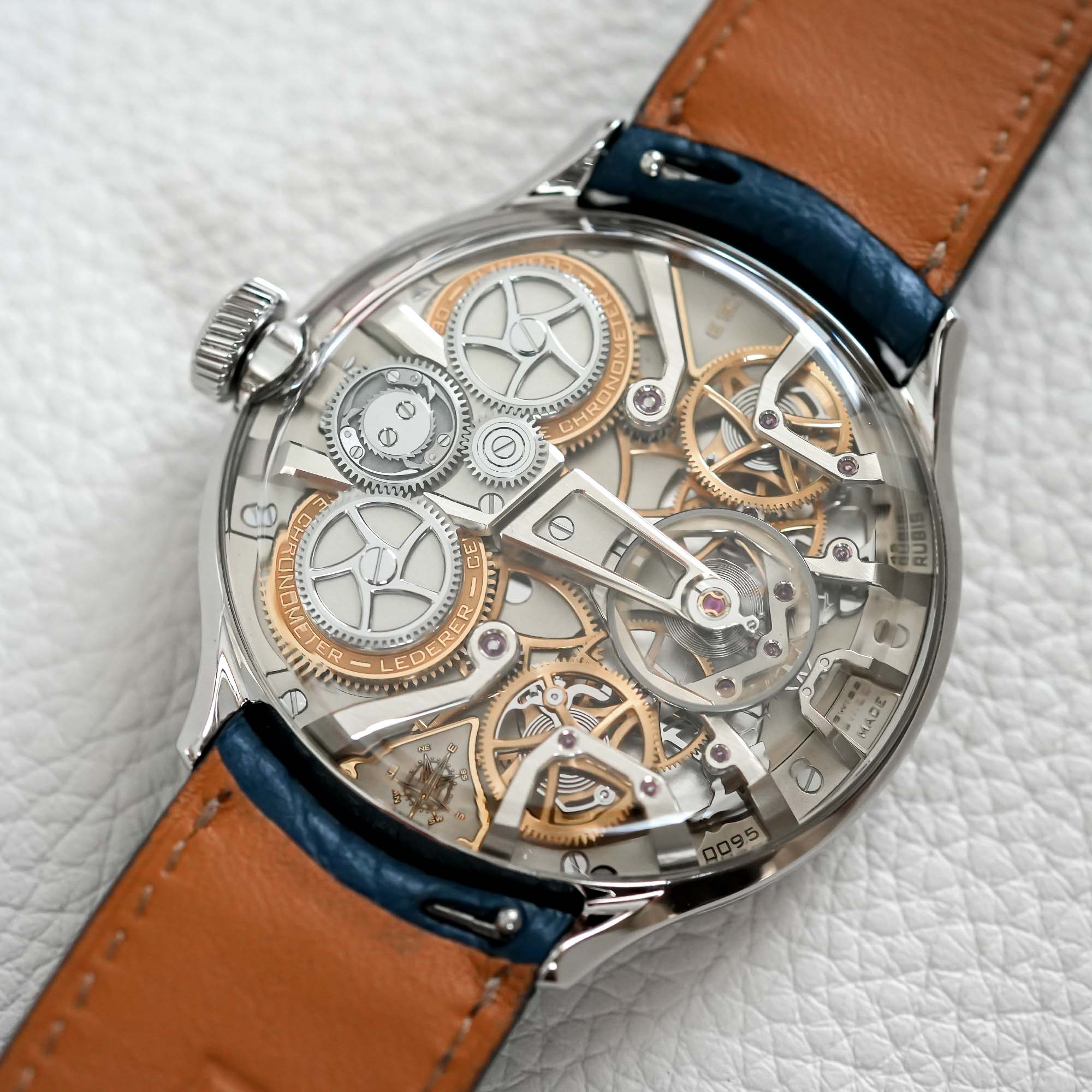
The Bernhard Lederer Central Impulse Chronometer stands as a prime example of this philosophy. It is not conceived as a mere nostalgic homage or a technical gimmick, but as a "continuation of an idea that had evolved over the centuries." Lederer believes that collectors often immediately recognize its departure from direct historical imitation, understanding that its historical references are rooted in their continued mechanical relevance.
However, he points out that a crucial, often overlooked, aspect is the immense effort required to bridge the gap between historical principles and their practical application in a modern wristwatch. An idea, even if centuries old, requires significant adaptation in materials, tolerances, manufacturing processes, and countless subtle details to become reliable for everyday wear. He recalls George Daniels’ conviction that his independent double wheel escapement would likely never be successfully integrated into a wristwatch. Lederer’s fascination lay precisely in understanding the limitations of earlier solutions and determining if contemporary technology could "take these ideas a step further."
The Essence of Independence: Responsibility Over Freedom
Lederer has been a steadfast figure in independent watchmaking for decades, and his perspective on independence is profound. He views it not as an end in itself, but as a natural consequence of the type of work he aspires to do. As his focus sharpened on chronometry and escapements, he recognized that certain projects demanded extensive, long-term development. "With some ideas, it takes years to know whether they’re even feasible, and that’s hard to reconcile with an environment driven by short development cycles or commercial expectations." He eventually felt that the nature of his work necessitated different operational conditions, not for absolute freedom, but to create an environment where ideas could truly "mature."
When asked if independence, often perceived as freedom, translates more accurately to responsibility, Lederer affirmed this sentiment. "Yes, responsibility is the more appropriate word." In independence, the burden of deciding the worthiness of an idea or the acceptability of a compromise falls entirely on the individual. While liberating, this also means accountability for any shortcomings. He stated, "Independence forces you to become your own harshest critic," highlighting the difficulty of accepting mediocrity and the necessity of returning to the drawing board.
The Unseen Labor: The Invisible Architecture of Innovation
From an external perspective, collectors primarily see the finished watch, often unaware of the years of research and development that precede its unveiling. Lederer emphasizes that "most of the work remains invisible." The focus naturally falls on the visible elements: the movement’s architecture, the escapement’s design. What remains unseen are "the calculations that come to nothing, the prototypes that never leave the workshop, or the countless small decisions that gradually shape the final result."

Research, he notes, is rarely linear. Promising ideas can reveal flaws much later, leading to frustration but also essential learning. These challenging yet rewarding phases underscore the critical role of patience in his craft.
Redefining Success: Beyond Milestones to Meaningful Contribution
Lederer’s discourse rarely centers on conventional notions of success, instead focusing on understanding, responsibility, and patience. His definition of success has indeed evolved. Early in his career, progress was marked by tangible achievements like project completion or new watch launches. While acknowledging their importance, he finds they offer only temporary fulfillment. Today, satisfaction is found in the moment "an idea finally comes together mechanically, and every component is in its place, and the movement behaves exactly as you’d hoped."
His most profound reward comes from seeing his work inspire others. "When a collector or a young apprentice begins to ask more profound questions because of something I’ve built, I feel that my life has made sense, that I’ve contributed something valuable." This altruistic impact on the broader horological community represents the pinnacle of his professional achievement.
The Evolving Landscape of Independent Watchmaking
The world of independent watchmaking has undergone significant transformations over the past four decades. Lederer observes encouraging trends, particularly the increasing sophistication of collectors. They are now more interested in the "why" behind a movement’s design rather than just its superficial appearance. This shift fosters a more profound discourse, focusing on underlying concepts rather than mere novelty. The diversity within independent watchmaking has also expanded, with numerous talents approaching the craft from unique perspectives, a stark contrast to the relative isolation he often experienced early in his career.
However, not all developments are met with unqualified optimism. Lederer expresses concern when innovation appears disconnected from its fundamental purpose. He believes that "a new mechanism should exist because it contributes something – whether technically, functionally, or intellectually." Changes that serve primarily to attract attention, he suggests, tend to lose their appeal once the initial novelty fades. He champions the indispensable nature of new ideas but cautions against changes that lack genuine substance or purpose.
The Unfinished Symphony: A Perpetual Pursuit of Knowledge
As the conversation draws to a close, it becomes clear that after forty years, Lederer speaks less of finished watches and more of "unfinished ideas." This perpetual exploration is precisely what draws him back to the workshop each morning. "The better you understand a movement, the more you realise how much there is still to explore," he stated. Research, in his view, is never truly complete. Each answered question unveils new layers of complexity and further opportunities for improvement, sustaining the intellectual engagement that has defined his career.
Beyond the intellectual pursuit, there is a deeply human dimension. The enthusiasm of peers and the fresh perspectives of newcomers serve as powerful reminders that watchmaking is as much about the "exchange of knowledge as it is about creating objects."
While anniversaries often prompt reflection on past achievements, Lederer views his 40th anniversary not as a conclusion, but as a catalyst for future exploration. It is an occasion to acknowledge the influences and experiences that have shaped his journey, but more importantly, to recognize the "technical challenges worth pursuing, and better solutions waiting to be discovered." He sees this milestone not as the culmination of forty years, but as "the beginning of the next chapter."
A Glimpse into the Future: A New Regulating System on the Horizon
When asked about potential future surprises for enthusiasts, Lederer offers a tantalizing hint. "I’ll reveal more in the coming months. Without giving away too much for now. I am working on a new watch, as you might expect, that incorporates an entirely new regulating system. But that’s not all…" This statement suggests that Bernhard Lederer’s relentless pursuit of horological advancement continues, promising further innovations that will undoubtedly push the boundaries of mechanical watchmaking.