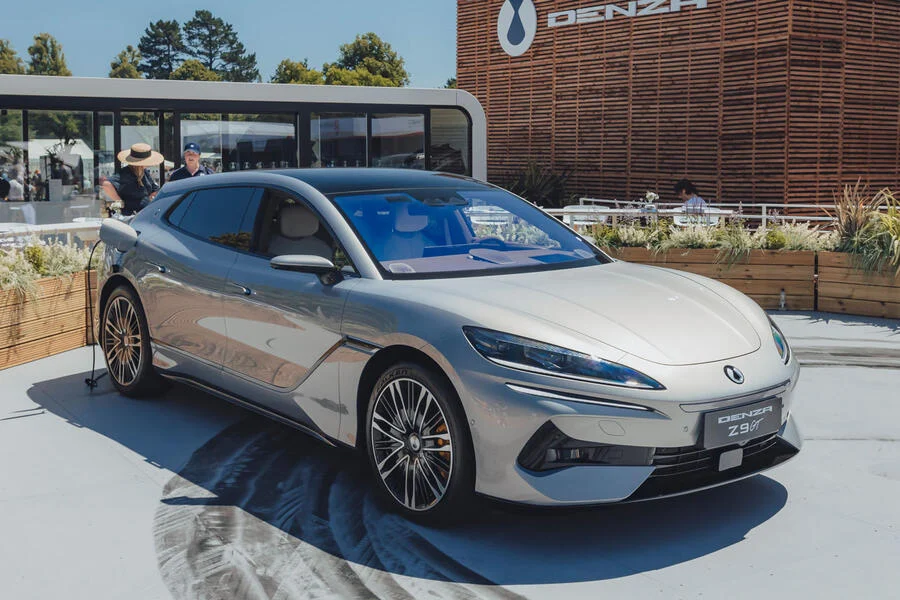
Wolfgang Egger, the visionary design chief of Chinese automotive giant BYD, is embarking on an ambitious mission to challenge established European premium brands on their home turf. With a distinguished pedigree that includes stints at Alfa Romeo, Audi, and Lamborghini, Egger is spearheading a new, Europe-centric design approach for BYD’s premium marque, Denza. This strategic pivot is anchored by the recent establishment of BYD’s European headquarters in Milan, Italy, which houses a dedicated design facility tasked with meticulously tailoring BYD vehicles to resonate with local tastes and expectations.
A New Design Hub in the Heart of Europe
The Milanese facility, described by Egger in an exclusive interview with Autocar as "the dedicated place for design research, mainly to capture European tastes and trends and translate them into design ideas for Denza and BYD," signifies a profound commitment to the European market. This move is particularly pivotal for Denza, poised to become the first high-volume Chinese premium automotive brand to officially launch in Europe. The establishment of this design center in Milan is not merely symbolic; it represents a tangible investment in understanding and integrating with the sophisticated design sensibilities of the continent. Milan, globally recognized as a nexus of fashion, design, and luxury, offers an unparalleled environment for Egger’s team to immerse themselves in the latest trends and forge crucial connections.
"We can compete with traditional [brands] with innovation and new designs," Egger asserted, expressing confidence in BYD’s ability to dismantle deeply ingrained brand loyalties in Europe and carve out a significant market share for Denza. This confidence is bolstered by Denza’s technological prowess, which has already been highlighted as a key differentiator. Innovations such as the Z9 GT’s impressive ‘tank-turning’ capability and the U9’s sophisticated tri-motor setup with trick magnetorheological suspension demonstrate a commitment to pushing the boundaries of automotive engineering. However, Egger emphasized that the new European design strategy aims to elevate Denza’s competitiveness across a broader spectrum, encompassing not only technology but also design aesthetics, material appeal, personalization options, and ultimately, brand familiarity.
Denza’s European Offensive: Challenging the Status Quo
Denza enters the European arena with formidable ambitions, evidenced by its initial product offerings. The Denza Z9 GT, positioned as a direct rival to the Porsche Panamera, commands a price tag of approximately £100,000. More recently, the Denza Z has joined the lineup, an all-electric performance sedan targeting the elite segment and priced at over £150,000, aiming to compete with performance benchmarks like the Porsche 911 Turbo. These vehicles are not just entries into the market; they are direct challenges to the established order dominated by European luxury stalwarts such as Mercedes-Benz, Porsche, BMW, and Audi.
The uphill battle for Denza is undeniable. Convincing discerning European premium buyers to shift their allegiance from brands with decades, if not centuries, of heritage and proven track records to a relatively new Chinese contender requires more than just compelling performance and technology. It necessitates a design language and overall brand experience that resonates deeply with European sensibilities. Egger’s strategy of designing Denza models within the very markets they intend to disrupt is a crucial element in this endeavor. This proximity to the target audience allows for a more nuanced understanding of their preferences, cultural influences, and evolving expectations.
Milan: A Strategic Nexus for Design and Material Innovation
The choice of Milan as BYD’s European design headquarters is deeply strategic. Egger highlighted the city’s unique advantage: "Milan is the natural home of BYD’s European design operation because it will allow his team to ‘create contacts at the most important fashion houses’ with the aim of exchanging ideas on ‘trends and materials’." This focus on fashion and materials is a deliberate move to imbue Denza vehicles with the kind of sophisticated aesthetic appeal and tactile quality that European premium buyers expect. The brand’s presence at Milan Design Week last year, an event that attracted luminaries such as Prada, Gucci, and Fendi, underscores this commitment to integrating with the broader luxury ecosystem.
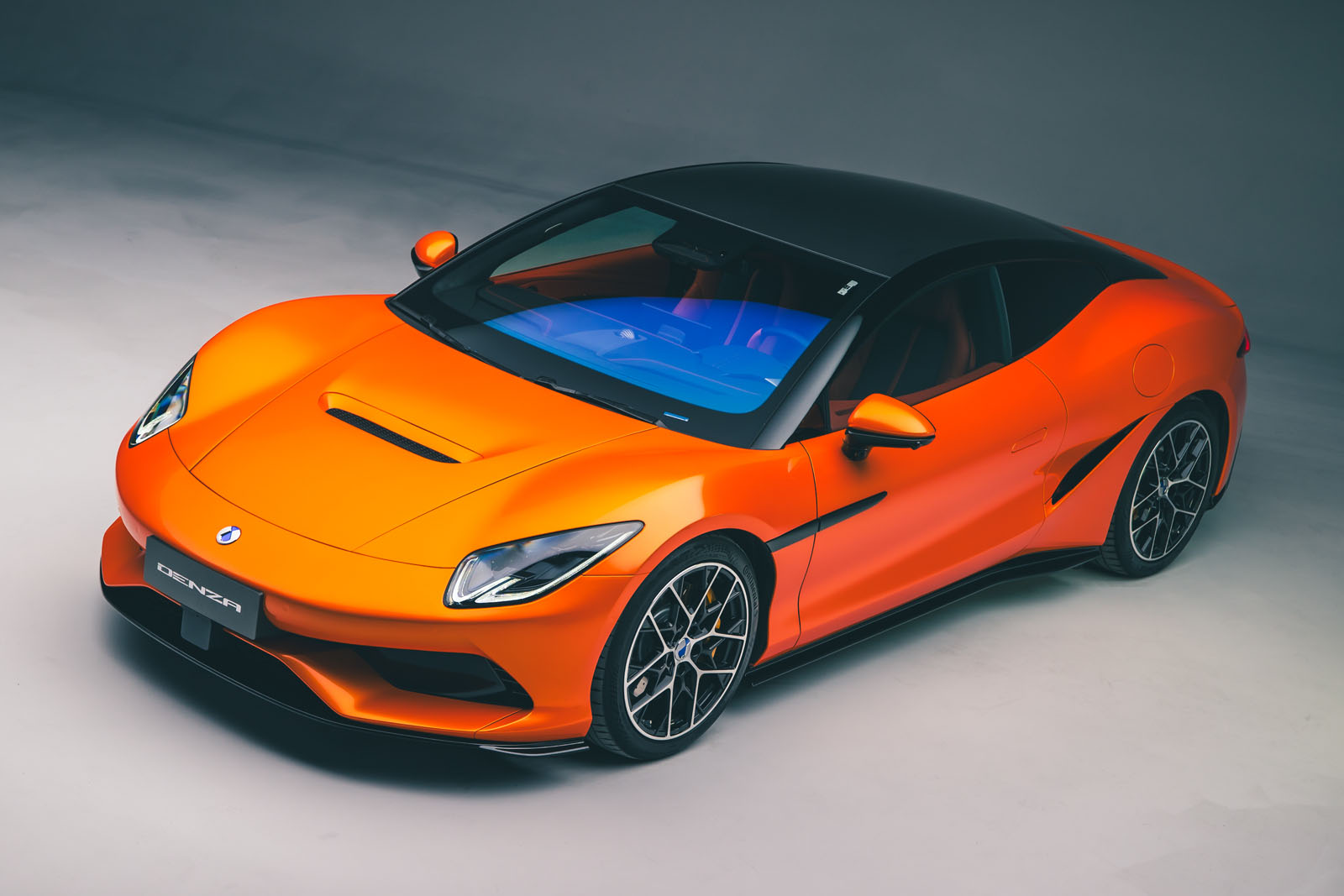
Furthermore, Italy’s status as a "tier-one" supplier for premium and luxury materials, as noted by Egger, provides direct access to the finest resources. This includes not only traditional luxury materials like high-grade leather but also cutting-edge innovative and recycled materials, aligning with growing consumer demand for sustainability in the luxury sector. By collaborating with Italian material suppliers and designers, Denza aims to enhance the interior ambiance and exterior finishes of its vehicles, creating a sensory experience that rivals and potentially surpasses that of its established competitors.
A Timeline of Ambition and Technological Advancement
BYD’s foray into the European premium segment, spearheaded by Denza, is a culmination of years of strategic planning and technological development. The company, which has rapidly ascended to become one of the world’s largest electric vehicle manufacturers, has consistently invested in research and development.
- Early 2020s: BYD begins to signal its intentions for a significant global expansion, with a particular focus on Europe. The brand’s core strengths in battery technology and electric powertrains are well-established.
- Mid-2020s (leading up to present): The strategic decision is made to establish a dedicated European headquarters and design facility in Milan. This marks a crucial step in localizing product development for the premium segment.
- Late 2023/Early 2024: Denza officially launches its first models in Europe, the Z9 GT and the Z, signaling the beginning of its direct challenge to established premium brands. These launches are accompanied by ambitious pricing, positioning Denza firmly in the luxury segment.
- Present: Wolfgang Egger’s pronouncements and the ongoing development of the Milan design studio highlight the intensified focus on design and local adaptation. The emphasis is on translating European tastes and trends into compelling automotive designs that can compete head-on with legacy manufacturers.
The timeline suggests a phased but aggressive approach. BYD is not entering Europe with its mass-market offerings first; instead, it is aiming directly for the most prestigious and challenging segment, leveraging its technological leadership and now, its commitment to localized design excellence.
Supporting Data: The Electric Vehicle Landscape in Europe
The European automotive market is undergoing a profound transformation driven by electrification and increasingly stringent emissions regulations. BYD’s entry into the premium EV segment, while ambitious, is occurring within a fertile ground for electric vehicles.
- Market Growth: The European market for Battery Electric Vehicles (BEVs) has seen exponential growth. In 2023, BEV sales in the EU and EFTA countries surpassed 1.5 million units, representing a significant increase over previous years and a growing share of the overall car market.
- Premium Segment Dominance: While the overall market is growing, the premium segment has historically shown strong resilience and demand for innovation. Buyers in this segment are often early adopters of new technology and are willing to pay a premium for performance, luxury, and brand prestige.
- Competitor Landscape: Established German manufacturers like Volkswagen Group (Audi, Porsche, VW), BMW Group, and Mercedes-Benz Group dominate the premium and luxury EV segments. However, new entrants, particularly from China, are beginning to make inroads, offering compelling products at competitive price points or with unique technological advantages.
- Regulatory Push: The European Union’s commitment to phasing out internal combustion engine sales by 2035 further accelerates the shift towards EVs. This regulatory environment creates a long-term opportunity for all electric vehicle manufacturers, including BYD.
BYD’s strategy with Denza is to leverage its strengths in battery technology and EV manufacturing efficiency to offer premium vehicles that can compete not only on price but also on innovation and, increasingly, on design appeal. The investment in a Milan-based design studio is a clear acknowledgment that for the European premium market, design is as critical as powertrain performance.
Broader Impact and Implications for the Automotive Industry
The arrival of Denza, backed by BYD’s formidable manufacturing capabilities and Wolfgang Egger’s design vision, has several significant implications for the global automotive industry.
- Intensified Competition: The entry of a well-funded Chinese premium brand directly challenging established European players will undoubtedly intensify competition. This could lead to more innovation, better product offerings, and potentially more competitive pricing across the premium segment.
- Shifting Design Paradigms: Egger’s emphasis on European tastes suggests a potential for hybrid design philosophies. Denza vehicles might blend Chinese technological innovation with European aesthetic refinement, creating a unique blend that could influence future design trends globally.
- Supply Chain Dynamics: BYD’s reliance on Italian suppliers for premium materials could strengthen the position of European suppliers in the global EV supply chain. Conversely, it also highlights the global nature of automotive manufacturing, where expertise and resources are sought from around the world.
- Brand Perception: The success or failure of Denza will be closely watched as a barometer for the acceptance of Chinese premium brands in Western markets. A successful Denza could pave the way for other Chinese manufacturers to enter and thrive in similar segments, challenging long-held perceptions of origin and quality.
Egger’s confidence stems from a belief that innovation and new designs can indeed overcome established brand loyalty. The challenge for Denza is not just to produce excellent cars, but to cultivate an emotional connection with consumers, a feat that has historically been the bedrock of premium automotive brands. The Milan design studio is more than just an office; it’s a statement of intent, a commitment to understanding and integrating with the very culture that defines premium automotive excellence in Europe. The success of this venture will not only redefine Denza’s future but also potentially reshape the competitive landscape of the global premium automotive market.