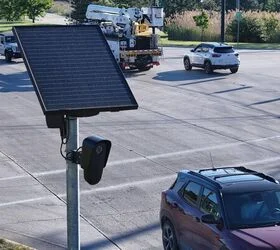
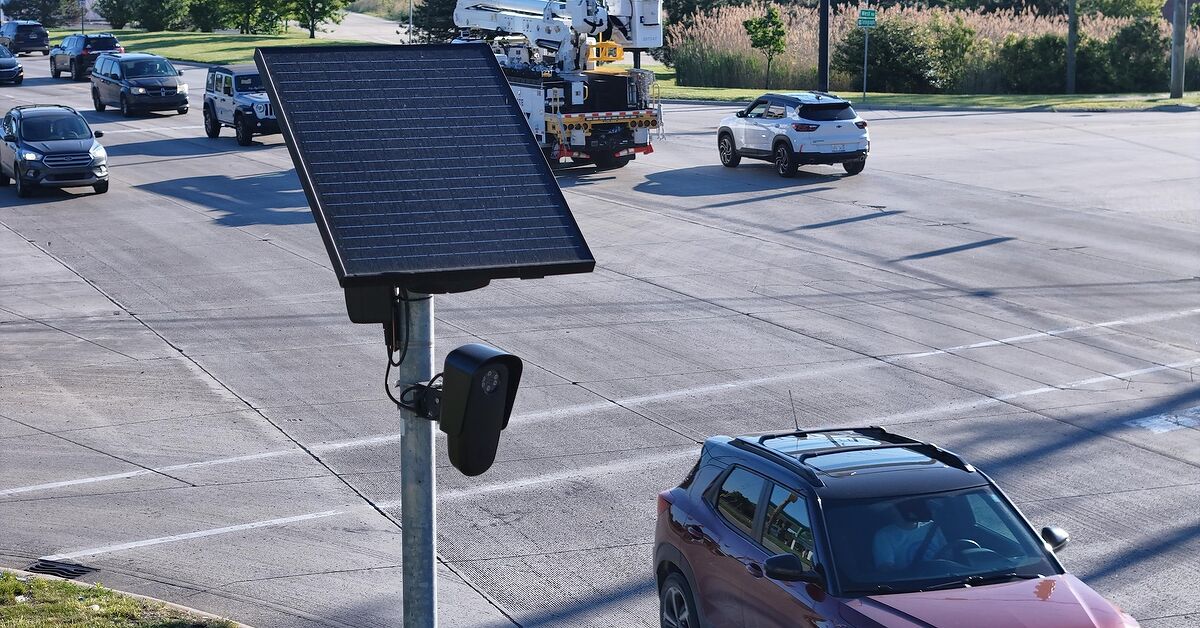
The proliferation of automated license plate readers (ALPRs), particularly those deployed by companies like Flock Safety, has ignited a growing debate about privacy, surveillance, and the potential for misuse of technology. What was initially presented as a tool to enhance public safety and combat crime has, in practice, led to a series of concerning incidents and demonstrated significant technological limitations. This has spurred innovative responses, with cybersecurity professionals now developing countermeasures to bypass these pervasive surveillance systems.
The Promise and Peril of License Plate Readers
License plate readers, a cornerstone of modern surveillance infrastructure, are designed to capture images of license plates and convert them into machine-readable data. This data can then be cross-referenced against databases of registered vehicles, including those flagged as stolen, associated with criminal activity, or subject to other alerts. Proponents argue that ALPRs are invaluable for law enforcement, enabling faster recovery of stolen vehicles, identification of suspects, and the disruption of criminal networks.
However, the rollout of these systems has not been without its significant drawbacks. Reports have surfaced detailing instances where ALPR technology has been misused for personal reasons, such as stalking. For example, an automotive journalist, Joel Feder, was reportedly detained after a press vehicle he was driving was misidentified as stolen by a Flock camera. Such errors are not isolated incidents. An audit by the Los Angeles Police Department (LAPD) revealed that a substantial 32% of the vehicles flagged by Flock ALPRs as stolen were actually false positives, according to reporting by Jalopnik. Further underscoring the technology’s unreliability, the town of Roseville, California, reported that its Flock cameras achieved an accuracy rate of only 29% in correctly reading license plates.
These inaccuracies raise critical questions about the efficacy and fairness of widespread ALPR deployment. When the technology itself is prone to significant error, its utility as a reliable tool for public safety is undermined, and the risk of unjustly targeting innocent individuals increases.
noRecognition: A Cybersecurity Counteroffensive
In response to these growing concerns, Bill Swearingen, a seasoned cybersecurity professional, has developed a project named "noRecognition." This initiative focuses on creating adversarial patterns—computer-generated visuals designed to intentionally confuse and disrupt the detection software used by license plate readers.
Swearingen’s project gained significant attention at the recent Def Con hacker conference in Las Vegas. There, he demonstrated the effectiveness of his countermeasures by showcasing a Toyota Yaris that had been entirely wrapped in these adversarial patterns. This vehicle successfully passed a demonstration designed to fool surveillance cameras. The wrapping was a collaborative effort, reportedly with assistance from Donut Media, an automotive YouTube channel that shares a parent company with The Drive, Feder’s publication.
TechCrunch summarized the core objective of noRecognition as providing individuals with the means to "escape the automatic detection and algorithmic surveillance used across the U.S. and beyond." This highlights a broader ambition to empower individuals against the expanding reach of digital surveillance.
The Science Behind the Deception
While Swearingen remains largely tight-lipped about the precise technical details of his methods, a common cybersecurity principle suggests that the development process likely involved a sophisticated form of machine learning pitted against itself. The analogy often drawn is that of a reverse CAPTCHA. Standard CAPTCHAs are designed to distinguish humans from bots by presenting distorted or obscured images that are difficult for automated systems to decipher, but easily recognizable by humans. In contrast, Swearingen’s adversarial patterns aim to create visual distortions that are uninterpretable by the surveillance camera’s algorithms, effectively masking the vehicle or individual from recognition.
The development process is described as a trial-and-error approach, utilizing a self-training learning model. This suggests a dynamic system where patterns are iteratively refined based on their success in evading detection. The goal is to create a moving target, constantly adapting to the evolving capabilities of surveillance software.

Broader Implications and Potential Reach
The effectiveness of noRecognition extends beyond just Flock cameras. Swearingen claims that his patterns have successfully defeated at least 11 open-source surveillance algorithms. This suggests that the implications of his work could be far-reaching, potentially impacting other surveillance technologies. Reports indicate that the same patterns have also been effective against Axon body cameras and devices utilizing Clearview AI, a facial recognition technology that has itself been mired in controversy.
The system is designed to generate new patterns continuously, with reported improvements occurring in real-time. This constant evolution is a critical feature, intended to stay ahead of any updates or countermeasures that surveillance technology providers might implement.
The development of noRecognition is more than just a technical demonstration; it represents a significant statement about the current state of surveillance technology. When a private surveillance network like Flock exhibits high error rates in real-world deployments, as seen in the California town and the LAPD data, the demand for solutions that can circumvent such systems becomes palpable.
Looking Ahead: A Developing Arms Race
While the practical, long-term efficacy of a car wrap against future software updates remains to be seen, noRecognition has undeniably demonstrated a key vulnerability. It serves as a potent reminder that even sophisticated surveillance systems are not infallible and can be circumvented. The project’s success, even if temporary, highlights a burgeoning "arms race" between surveillance technology developers and those seeking to protect individual privacy.
The implications of this technology are multifaceted. For individuals concerned about privacy and the potential for overreach by law enforcement or private entities, noRecognition offers a potential avenue for recourse. It raises important questions about the balance between public safety and individual liberties in an increasingly digitized world.
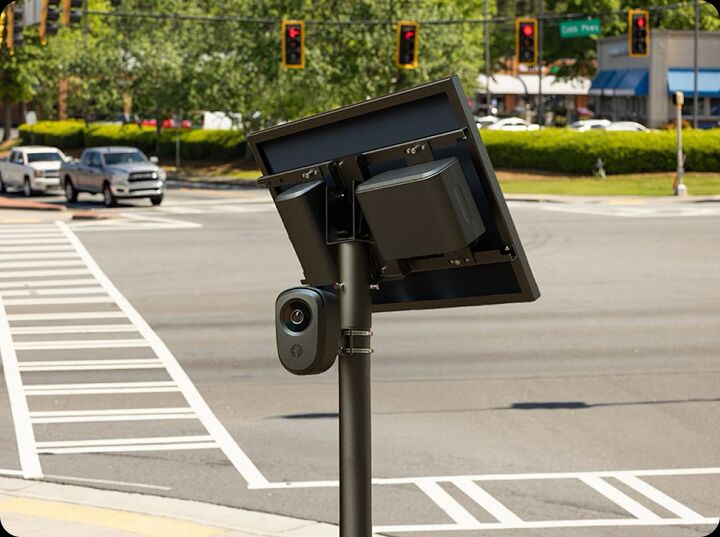
Furthermore, the success of such countermeasures could spur further innovation in both surveillance and counter-surveillance technologies. As ALPR systems become more sophisticated, so too will the methods designed to evade them. This ongoing cycle of development and adaptation will likely continue to shape the landscape of digital privacy and security for years to come.
The debate over ALPRs and similar surveillance technologies is far from settled. Incidents of misuse and technological failure, coupled with the emergence of sophisticated evasion techniques like noRecognition, underscore the need for greater transparency, accountability, and public discourse regarding the deployment and regulation of these powerful tools. As technology continues to advance, finding the right balance between security and freedom will remain a critical challenge for societies worldwide.
This article was developed based on information available as of the publication date, with additional context and analysis to provide a comprehensive overview of the situation.