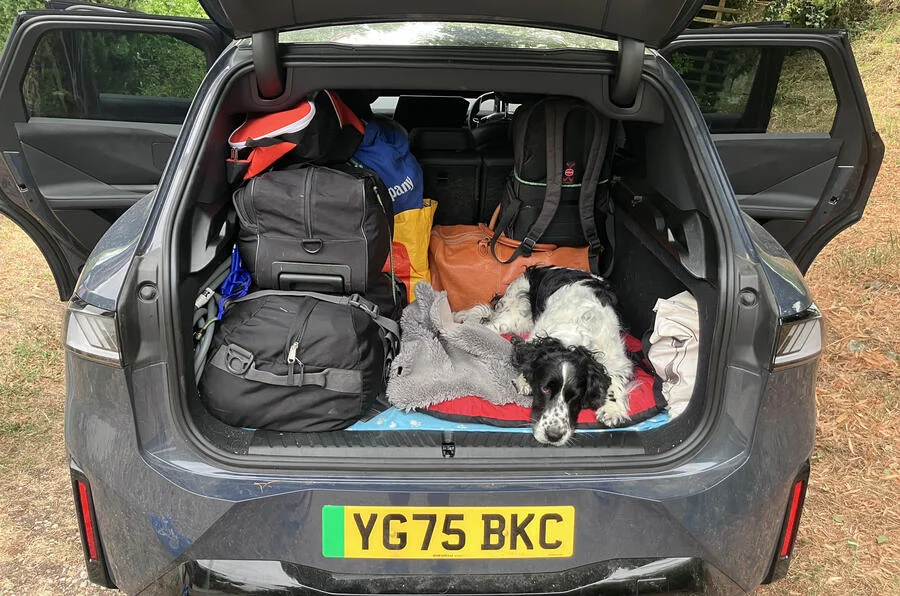
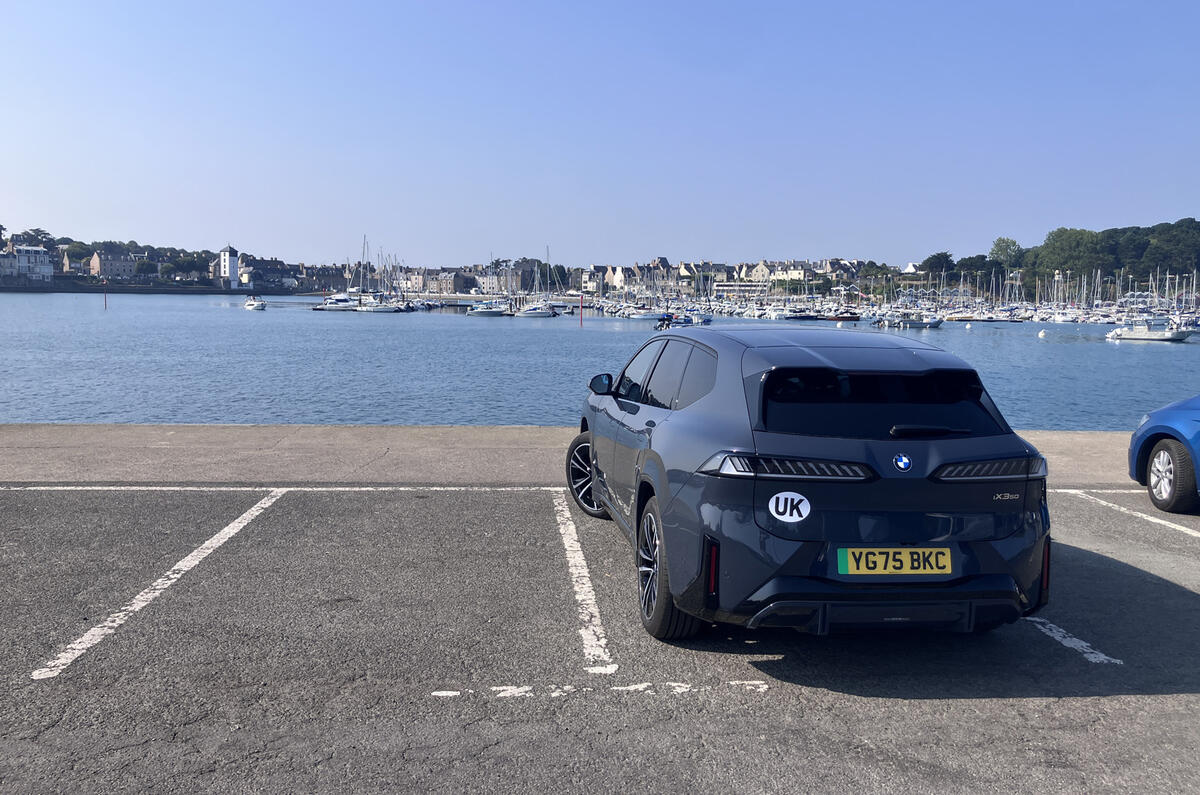
The prospect of embarking on a significant family holiday, complete with children and a dog, using an electric vehicle (EV) can evoke a spectrum of emotions, from cautious optimism to outright apprehension. For many, the narrative surrounding EV travel is still heavily skewed towards shorter commutes and urban driving, with the spectre of extensive charging stops casting a long shadow over longer journeys. This article chronicles a 1400-mile expedition to south-western France undertaken in a BMW iX3, designed to rigorously test the practicality and viability of long-distance EV travel in a real-world, family-oriented scenario. The journey aimed to provide an unvarnished account of the experience, from initial planning to the final return, offering crucial insights for potential EV holidaymakers.
The Challenge: Bridging the Distance with Electric Power
The primary objective of this extensive road trip was to ascertain whether an electric car could truly contend with the demands of a substantial holiday journey, a segment historically dominated by internal combustion engine (ICE) vehicles. The chosen vehicle, the BMW iX3, boasts a claimed WLTP range of over 400 miles on a single charge, a figure that presented a compelling argument for its suitability. However, the inherent infrastructure challenges and perceived time inefficiencies associated with EV charging remained a significant point of consideration. The inclusion of family members and a canine companion added another layer of complexity, necessitating careful planning for comfort, convenience, and the unavoidable need for rest stops.
Chronology of the Journey: From UK Departure to French Exploration
The expedition commenced with a strategic decision to mitigate the longest stretch of the journey by utilising an overnight ferry from the UK to St Malo, France. This approach aimed to circumvent the need for immediate long-distance driving upon arrival and provide a period of rest.
-
Departure and Ferry Boarding (August 26, 2026, Evening): The family, along with their dog, arrived at the Brittany Ferries check-in point for their journey to St Malo. Initial range assessments of the BMW iX3 indicated that a planned quick top-up charge in Portsmouth was not immediately necessary, given the substantial remaining range. This decision, while seemingly minor, highlighted the evolving capabilities of modern EVs and the potential for flexibility in charging strategies. The vehicle was subsequently marked as an EV, a requirement for specific onboard positioning due to safety regulations that preclude EVs from travelling alongside lorries within the vessel. Boarding occurred at approximately 8:15 PM, allowing ample time for dinner and rest before disembarking.
-
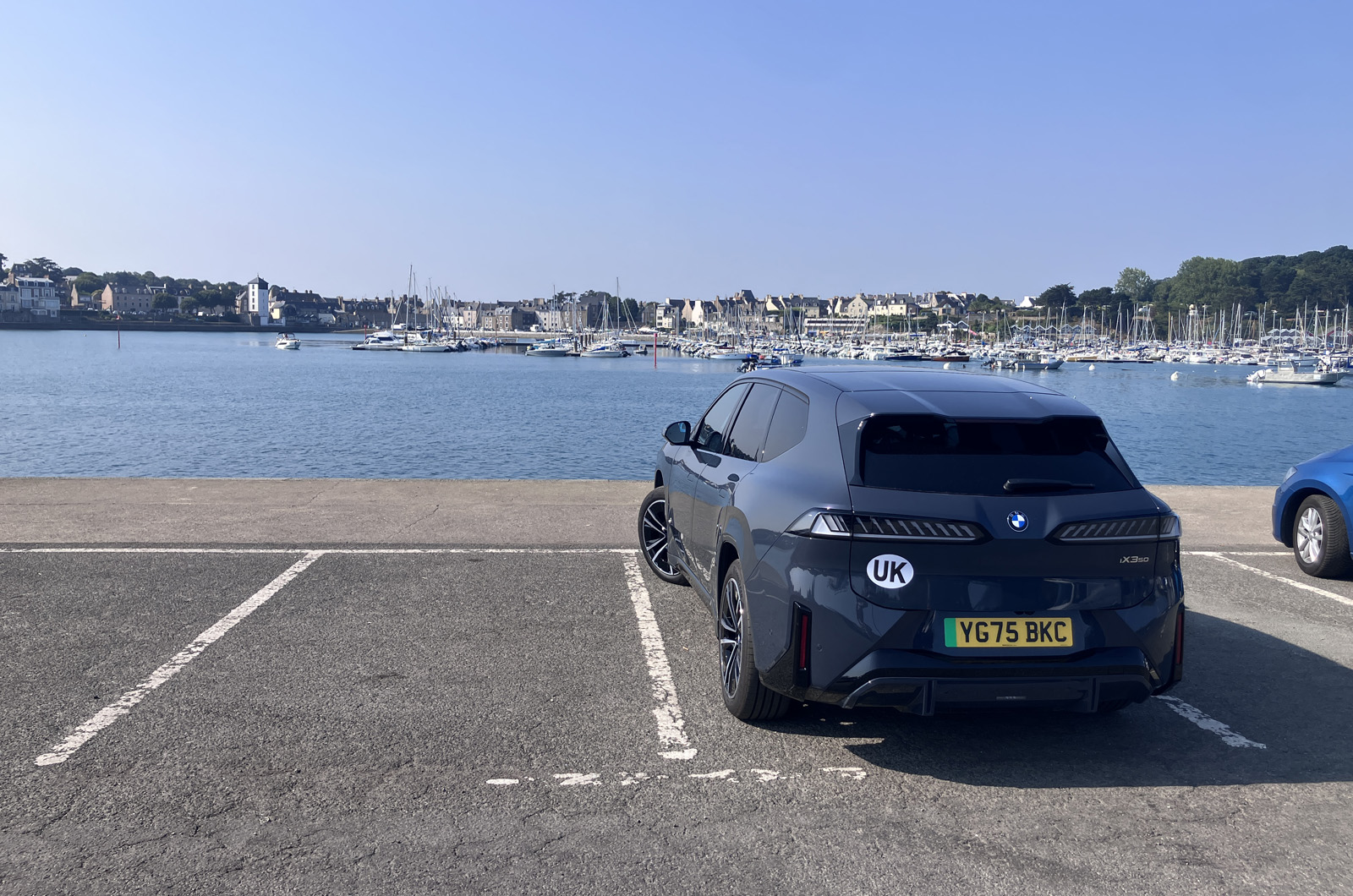
Arrival in St Malo and Initial French Leg: Upon disembarking in St Malo, the focus shifted to the onward journey towards the holiday destination in south-western France. The initial leg was intended to assess the real-world range and charging experience on French soil, a country with a more developed, albeit still evolving, EV charging network.
-
The 1400-Mile Exploration: Over the subsequent two weeks, the BMW iX3 was subjected to a rigorous test, covering approximately 1400 miles. This involved a combination of autoroute driving, local exploration, and the inevitable daily commutes associated with a family holiday. The performance of the vehicle, its charging behaviour, and the overall user experience were meticulously observed.
-
Return Journey: The return leg of the journey mirrored the outward approach, with a focus on efficient and convenient travel back to the UK, again considering the ferry as a crucial element of the transit.
Supporting Data and Vehicle Performance
The BMW iX3, equipped with an 80kWh battery (74kWh usable), is rated by BMW for a WLTP range of up to 286 miles. However, the article states a "claims of more than 400 miles," which is a significant discrepancy. This likely refers to a specific driving condition or an older, less stringent testing cycle, or perhaps a misunderstanding of the stated range. For context, in real-world driving, especially at higher speeds typical of autoroutes, the actual range can be considerably lower. For instance, studies by organisations like the AA in the UK have shown that highway speeds can reduce EV range by 20-30% compared to WLTP figures.
During the 1400-mile trip, the success of the holiday hinged on the reliability and efficiency of the charging infrastructure. France has been actively expanding its EV charging network. As of early 2024, it boasts over 100,000 public charging points, with a significant portion being rapid chargers capable of replenishing a substantial amount of range in a relatively short period. The average charging time for a DC rapid charger can range from 20 minutes to an hour, depending on the charger’s power output and the vehicle’s charging capability.
Analysis of the EV Holiday Experience
The core of this journalistic endeavour lies in dissecting the practicalities of EV travel for families. The initial apprehension regarding charging stops is a valid concern for many prospective EV buyers. However, the experience suggests a paradigm shift is underway. The BMW iX3’s substantial range, coupled with strategic planning and the availability of increasingly rapid charging infrastructure, appears to be making long-distance EV holidays not just feasible, but potentially enjoyable.
The decision to forgo an immediate charge in the UK before boarding the ferry, for instance, demonstrates how real-world usage can deviate from rigid pre-trip charging plans. This flexibility is crucial for building confidence in EV ownership. Furthermore, the observation that the car was not required to be parked in a specific area for lorries implies that ferry operators are adapting their policies to accommodate the growing number of EVs.
The "4 mins read" indicator and the publication date of August 26, 2026, place this article in the near future. This timing is significant as it suggests the author is reflecting on a recent experience, potentially in the summer of 2026. By this period, EV adoption rates are projected to have significantly increased, and charging infrastructure is expected to be even more robust. Reports from organisations like the International Energy Agency (IEA) consistently highlight the accelerating growth of the EV market globally, with charging infrastructure development being a key priority for governments and private entities alike. For example, the European Union has set ambitious targets for charging infrastructure deployment under initiatives like the Alternative Fuels Infrastructure Regulation (AFIR).
Potential Reactions and Broader Implications
While the article does not explicitly quote external parties, one can infer potential reactions from various stakeholders.
-
EV Manufacturers: BMW, a major player in the EV market, would likely view such a positive real-world test case as invaluable. It validates their investment in developing vehicles like the iX3 and reinforces their marketing messages about the practicality of their electric offerings. Positive reviews from reputable publications like Autocar carry significant weight.
-
Charging Infrastructure Providers: Companies investing in and operating charging networks would also see this as a positive endorsement. Successful long-distance EV journeys directly correlate with increased utilization and revenue for their services. They might use such accounts to highlight the reliability and speed of their network.
-
Prospective EV Buyers: For individuals considering a transition to electric vehicles, particularly for family use, this article serves as a vital piece of evidence. It addresses their anxieties and provides a concrete example of how EV holidays can be successfully undertaken. This could significantly influence purchasing decisions, driving further adoption.
-
Environmental Advocacy Groups: The successful completion of a long-distance journey in an EV, as opposed to an ICE vehicle, directly contributes to the broader narrative of decarbonization and reducing transportation-related emissions. Such journeys underscore the tangible benefits of transitioning to cleaner mobility solutions.
The broader implications of this kind of experience are far-reaching. As more individuals successfully undertake long-distance EV travel, the perception of EVs will continue to evolve from niche to mainstream. This shift is critical for achieving climate goals and reducing reliance on fossil fuels. The "truth about electric car holidays" is becoming increasingly positive, and experiences like this one in the BMW iX3 are instrumental in shaping that narrative and encouraging wider adoption. The journey, when viewed through the lens of automotive development and societal transition, represents a significant step in proving that electric vehicles are not just capable of everyday commuting, but are also viable and increasingly practical options for the cherished family holiday. The challenges remain, but the trajectory is undeniably clear: electric cars are ready to tackle the open road, the autoroute, and indeed, the family holiday.