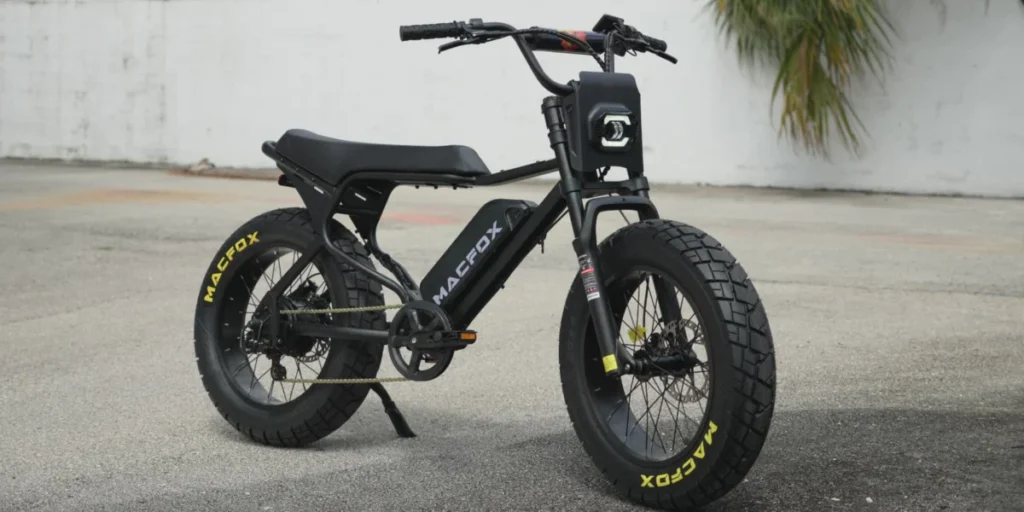
Illinois has officially enacted a landmark electric bicycle law that addresses a growing regulatory gray area for high-powered electric bikes, commonly known as "e-bikes," that exceed the traditional three-class system. The sweeping legislation, signed into law by Governor JB Pritzker, reclassifies these faster electric two-wheelers as "electric motor-driven cycles," effectively treating them more akin to motorcycles. This significant policy shift, set to take effect on January 1, 2027, introduces a new legal framework for devices capable of reaching speeds of 35 to 40 miles per hour, a category that has proliferated rapidly in recent years and often existed in a legal limbo.
The evolving landscape of electric personal transportation has seen the term "e-bike" encompass a wide spectrum of devices, from pedal-assisted bicycles to powerful electric motorcycles. To clarify this distinction, many jurisdictions have adopted a three-class system for "electric bicycles." These typically include Class 1 (pedal-assist, up to 20 mph), Class 2 (throttle-assisted, up to 20 mph), and Class 3 (pedal-assist, up to 28 mph). These classifications are generally accepted as street-legal across the United States, providing a clear regulatory pathway for consumers and manufacturers.
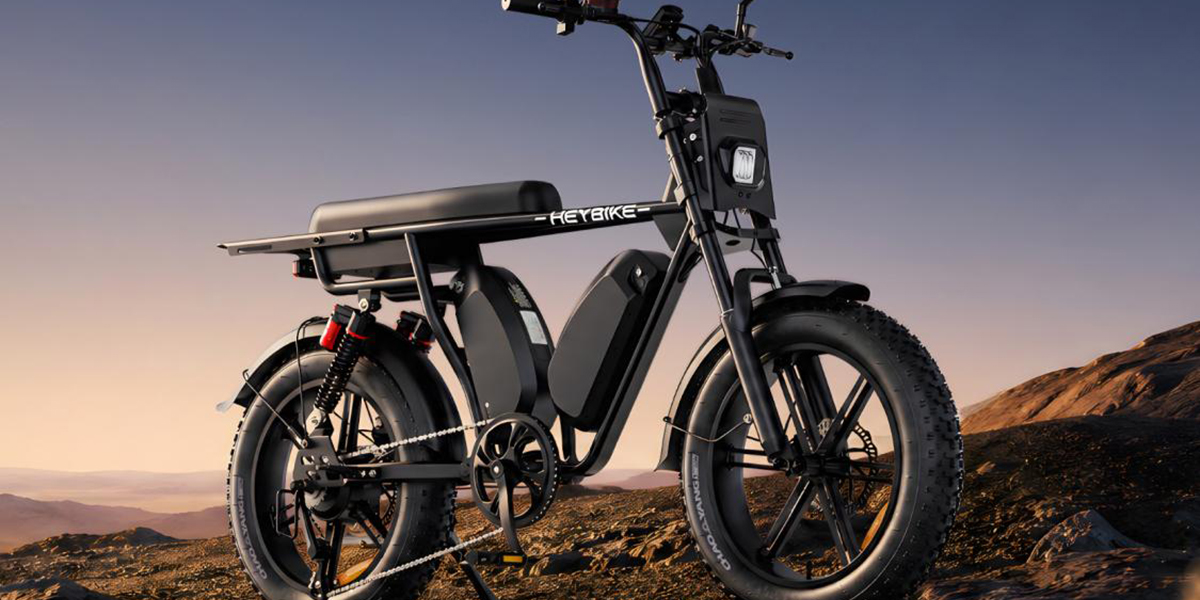
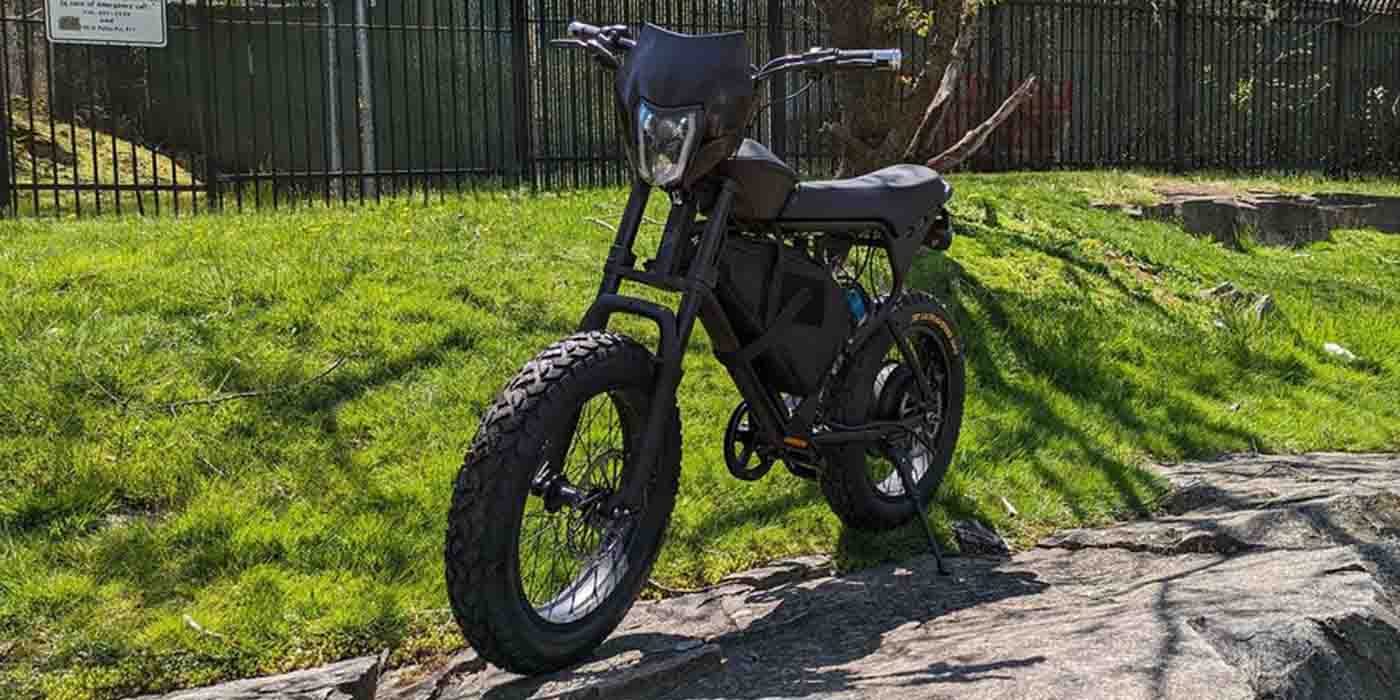
However, a significant segment of the market has emerged with e-bikes that surpass these established speed limits, often reaching 35 to 40 mph, and sometimes even more. These machines, sometimes referred to as "e-motos" or "high-speed e-bikes," have presented a regulatory challenge. In most states, these faster electric two-wheelers have not been legally recognized as electric bicycles and have often been relegated to off-road use, despite widespread on-road operation by consumers. This has created a burgeoning market of powerful electric vehicles operating in a legal gray zone, raising questions about safety, registration, and accountability.
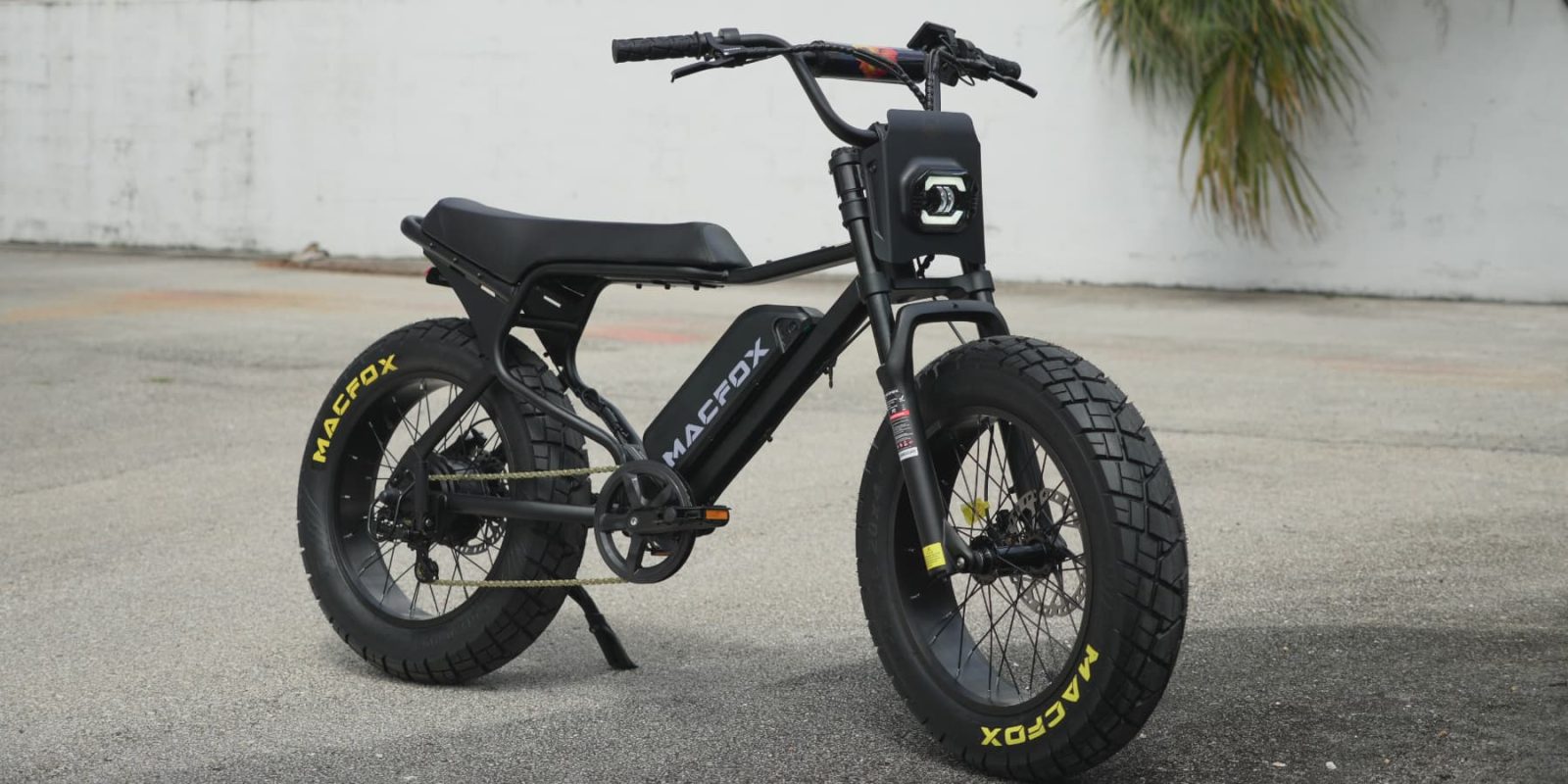
Illinois’ new law, designated as Public Act 104-0854 (SB 3484), aims to resolve this ambiguity by providing a clear, albeit stringent, path for these high-speed electric two-wheelers to operate legally on public roads. The legislation maintains the existing three-class system for what it now defines as "low-speed electric bicycles," ensuring continuity for conventional e-bikes. Crucially, it introduces a new category: "electric motor-driven cycles."
Defining the New Category: Electric Motor-Driven Cycles
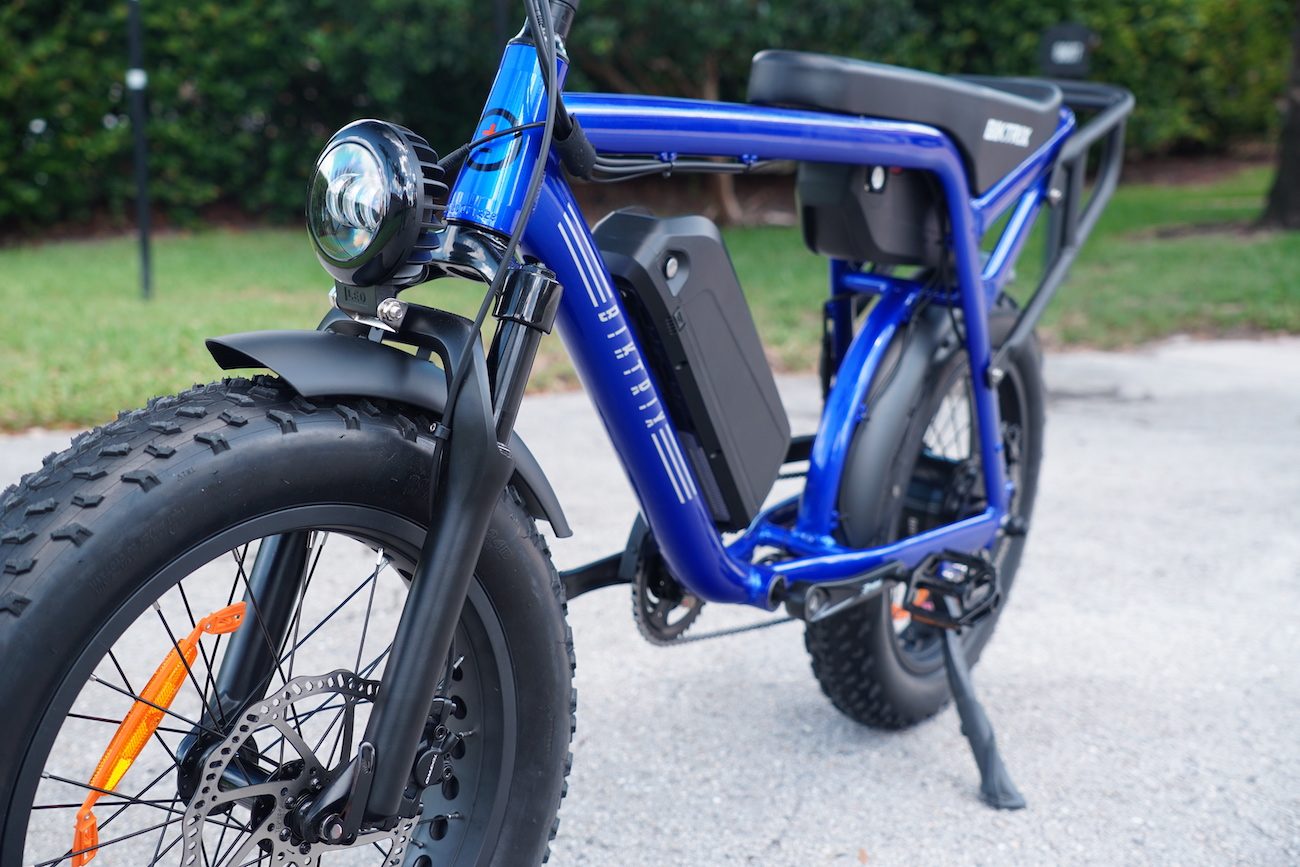
Under the new Illinois law, devices with nominal motor ratings exceeding 750W and up to 8,000W fall into the "electric motor-driven cycle" classification. This definition directly addresses the prevalent 1,500W, 2,000W, or 3,000W e-bikes that are commonly available online and capable of achieving speeds of 35 to 40 mph (56 to 64 km/h). Instead of continuing to classify these powerful machines as electric bicycles, Illinois’ legislation recognizes their performance characteristics and mandates they be treated as motor vehicles.
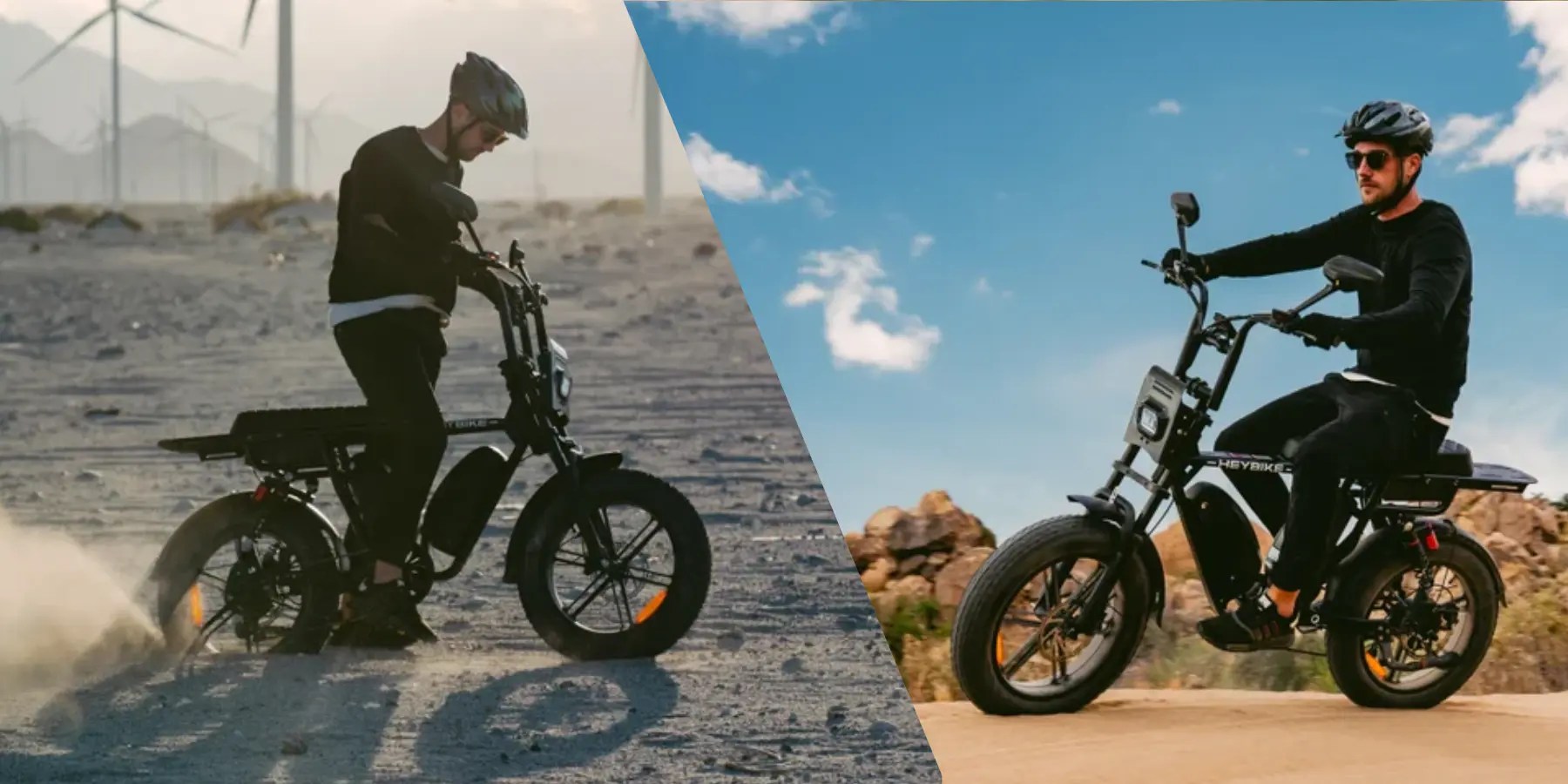
This reclassification comes with a comprehensive set of requirements for riders. To legally operate an electric motor-driven cycle on public roads in Illinois, individuals must possess a valid driver’s license, and the vehicle itself must be registered, titled, and insured. These requirements mirror those for traditional motorcycles, reflecting the elevated speed and power capabilities of these electric two-wheelers. Furthermore, riders are prohibited from using sidewalks, bicycle lanes, or dedicated bicycle paths, underscoring the need for these vehicles to share road space with other motor vehicles.
The legislative intent appears to be a pragmatic approach: if an electric two-wheeler performs like a motor vehicle, it should be regulated as one. This aligns with the principle that vehicles capable of higher speeds necessitate greater accountability and safety measures. The state’s position can be summarized as: "Want to ride your 40 mph e-bike legally? Ok, just register it like a motorcycle."
The Roadblock: The Challenge of Registration and Compliance
While Illinois has created a theoretical pathway to legal on-road operation for these high-speed e-bikes, a significant practical hurdle exists: the vast majority of these machines were not manufactured as road-legal motor vehicles and may not meet the stringent requirements for titling and registration.
The core of the problem lies in the manufacturing and certification processes. A legitimate vehicle identification number (VIN) is a standardized 17-digit code that uniquely identifies a motor vehicle. Many high-speed e-bikes currently sold in the U.S. may have a serial number stamped on the frame, but this is not equivalent to a federally recognized VIN. Furthermore, these e-bikes typically lack the comprehensive manufacturer documentation, such as certificates of origin and compliance, that are essential for DMV processes.
Crucially, these e-bikes were almost certainly not manufactured or certified to comply with Federal Motor Vehicle Safety Standards (FMVSS). The Illinois law explicitly states that an "electric motor-driven cycle" requires a vehicle identification number before a certificate of title can be issued. More importantly, it stipulates that vehicles not "properly manufactured or equipped for general highway use" are ineligible for registration. The law also mandates that electric motor-driven cycles must conform to federal vehicle safety standards and Illinois’ own equipment requirements.
This creates a significant barrier. Simply adding mirrors or turn signals is insufficient. For a high-speed e-bike to be legally registered and titled as a motor-driven cycle in Illinois, it would need to have been manufactured and certified as a compliant motor vehicle from the outset. This includes adhering to a complex set of safety standards covering aspects like braking, lighting, structural integrity, and emissions (though the latter is not typically applicable to electric vehicles in the same way as internal combustion engines).
Manufacturing Hurdles: The VIN and Federal Compliance
The challenge for manufacturers is not merely stamping a 17-digit VIN. A legitimate VIN requires a World Manufacturer Identifier (WMI), a component that identifies the manufacturer. U.S. manufacturers apply for WMIs through the Society of Automotive Engineers (SAE), while international manufacturers obtain them from their respective national authorities. However, obtaining a WMI is a prerequisite to the much larger task of federal motor vehicle compliance.
The National Highway Traffic Safety Administration (NHTSA) operates on a self-certification system for motor vehicles. This means that manufacturers are legally responsible for certifying that their vehicles meet all applicable FMVSS. They must then affix a certification label to the vehicle, attesting to this compliance. Manufacturers also have federal identification and VIN reporting obligations.
Consequently, a manufacturer producing a 40 mph fat-tire e-bike for around $1,500 cannot simply start stamping VINs onto the existing frames and expect these vehicles to become legally registerable. To achieve this, the product must be approached as an actual road-going motor vehicle. This necessitates a complete redesign and manufacturing process that incorporates the correct VIN system, federal filings, certification, labeling, adherence to a comprehensive list of safety components and tests, and all the necessary documentation for the vehicle to be titled and registered by the DMV.
The Uncharted Territory for Existing E-Bikes
For the thousands of high-powered e-bikes already in the hands of Illinois consumers, the situation becomes even more complex. The new law does not appear to offer a straightforward conversion process for existing non-compliant e-bikes. While Illinois does have procedures for specially constructed vehicles, the explicit requirement for federal safety standards compliance within the new legislation makes it highly improbable that owners can simply retrofit their current e-bikes with motorcycle-grade equipment and achieve federal compliance. The inherent design and manufacturing standards of these off-road-intended machines likely preclude them from meeting the rigorous federal benchmarks for highway use.
Implications for the Future of Electric Two-Wheelers
Illinois’ new law presents an intriguing paradox. On one hand, it acknowledges the growing popularity of high-speed electric two-wheelers and offers a legal framework for their use on public roads, moving away from outright bans. It signals a progressive approach by recognizing the performance capabilities and treating them accordingly.
However, on the other hand, the stringent requirements for titling and registration, particularly the emphasis on federal motor vehicle compliance, may render the newly created pathway to legality inaccessible for the vast majority of currently available high-speed e-bikes. This could lead to a scenario where owners, despite the new law, find themselves unable to legally register their vehicles for on-road use, effectively creating a locked door to compliance.
The most significant impact of this legislation may not be felt by current owners of these fast e-bikes, but rather by the future market. Manufacturers will now face a clear regulatory choice: either continue producing e-bikes that fall outside the traditional electric bicycle classes with limited legal on-road options, or invest in the rigorous process of manufacturing their out-of-class e-bikes as federally compliant motor-driven cycles, thereby enabling riders to register and insure them for legal highway use.

This development could spur a new generation of electric two-wheelers designed from the ground up to meet both performance expectations and federal safety regulations, potentially leading to a more diverse and regulated electric mobility landscape in Illinois and setting a precedent for other states grappling with similar regulatory challenges. The long-term success of this law will likely hinge on manufacturers’ willingness and ability to adapt their production processes to meet these new, higher standards for the burgeoning electric motor-driven cycle market.