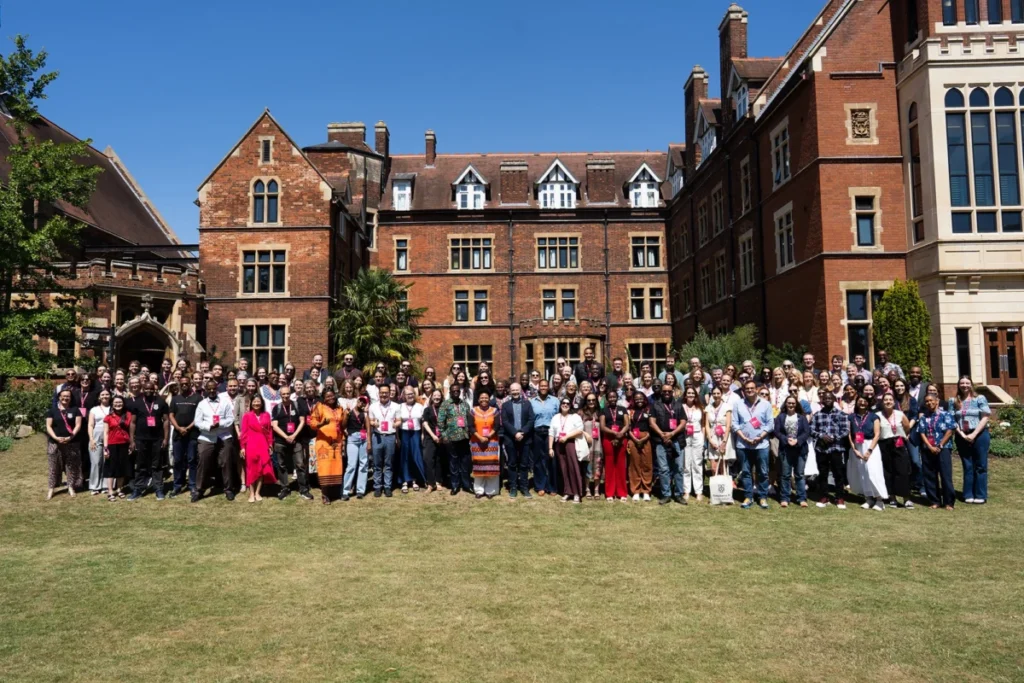
The global movement for youth computing education reached a significant dual milestone this month as Selby CoderDojo celebrated its 40th successful event, coinciding with the 15th anniversary of the founding of the CoderDojo movement. Since its inception in a single classroom in Cork, Ireland, the initiative has expanded into a worldwide phenomenon, providing tens of thousands of young people with free, non-formal environments to explore programming, robotics, and digital creativity. The recent celebrations in Selby, North Yorkshire, serve as a microcosm of the broader movement’s success, highlighting how local community action can trigger regional growth in STEM (Science, Technology, Engineering, and Mathematics) literacy.
The Selby CoderDojo was established four years ago with a specific strategic objective: to bridge the gap between institutional support and the grassroots reality of community-led education. Founded by local volunteers and supported by the Raspberry Pi Foundation, the Selby club has functioned as a vital hub for digital skills. In the four years since its launch, the club has maintained a consistent monthly schedule to meet high local demand. Its success has been a catalyst for the establishment of six additional clubs in the surrounding region, collectively reaching hundreds of young participants—referred to within the movement as "Ninjas"—every month.
A Decade and a Half of Non-Formal Education
The 15th anniversary of CoderDojo marks a transformative period in the history of computer science education. The movement began in 2011 when James Whelton, a high school student in Cork, Ireland, started a computer club in his school. After meeting entrepreneur and philanthropist Bill Liao, the concept was scaled into a public, open-source model. The foundational principle was "Be Cool"—a simple code of conduct that emphasized creativity, mutual respect, and the absence of rigid, curriculum-based testing.
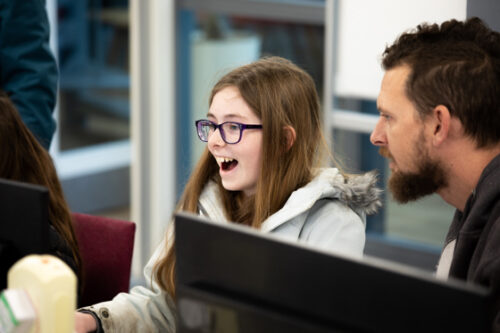
The CoderDojo model differs fundamentally from traditional classroom settings. It prioritizes "non-formal education," a pedagogical approach where learning is self-directed and peer-supported. By removing the pressure of grades and standardized assessments, the movement has successfully engaged demographics that often feel alienated by formal STEM education. According to data from the Raspberry Pi Foundation, which merged with the CoderDojo Foundation in 2017, this inclusive atmosphere is critical for fostering long-term interest in technology. Today, there are over 600 active CoderDojos operating in dozens of countries, forming a core part of the Code Club movement—the world’s largest coordinated network of free coding clubs, boasting over 10,000 active groups.
Chronology of a Global Movement
The evolution of CoderDojo can be traced through several key milestones that define its current stature in the global educational landscape:
- 2011: The first CoderDojo is held at the National Software Centre in Cork, Ireland. The movement quickly spreads across Ireland and to London.
- 2012: The CoderDojo Foundation is established to provide resources and support to the growing number of "Champions" (club organizers).
- 2013: The first "DojoCon," an annual conference for volunteers, is held, establishing a global community of practice for mentors.
- 2017: CoderDojo merges with the Raspberry Pi Foundation. This partnership provided the movement with enhanced financial stability and access to a wider array of educational resources and hardware.
- 2020: Amidst global lockdowns, the movement transitions to "Dojo at Home" and virtual sessions, ensuring continuity in digital education during the pandemic. This year also saw the launch of the Selby CoderDojo.
- 2024: Selby marks its 40th event, and the movement celebrates 15 years of operation. The "Raspberry Fields" summit in Cambridge brings together global partners to discuss the integration of Artificial Intelligence (AI) into the CoderDojo ethos.
Supporting Data and the Digital Skills Gap
The importance of initiatives like CoderDojo is underscored by the widening digital skills gap in the global economy. Research from the European Commission suggests that over 70% of businesses report a lack of staff with adequate digital skills as an obstacle to investment. In the United Kingdom, the Learning & Work Institute has noted that the number of young people taking IT subjects at the GCSE level has fallen significantly since 2015, despite the increasing demand for tech-literate workers.
CoderDojo addresses this disparity by providing early-stage intervention. By engaging children as young as seven, the clubs demystify technology before academic or social biases can take root. The 40 events held in Selby represent more than 100 hours of community-led instruction per child for regular attendees. Internal surveys from the Raspberry Pi Foundation indicate that 85% of participants feel more confident in their ability to use technology after attending a Dojo, and over 60% express an interest in pursuing a career in technology.
Official Responses and Community Impact
Philip Colligan, CEO of the Raspberry Pi Foundation, recently attended DojoCon in the Netherlands, where he emphasized the critical role of volunteers in the movement’s longevity. "The success of CoderDojo is entirely dependent on the Champions and Mentors who give their time to create these spaces," Colligan noted during a recent address. He highlighted that the movement’s strength lies in its local adaptability—whether a Dojo is held in a corporate office in Dublin, a library in Selby, or a community center in Tokyo, the core values of openness and collaboration remain constant.
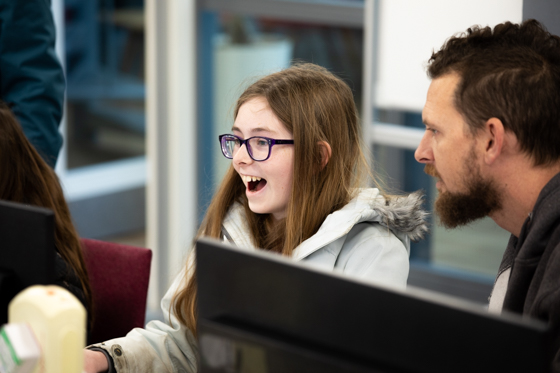
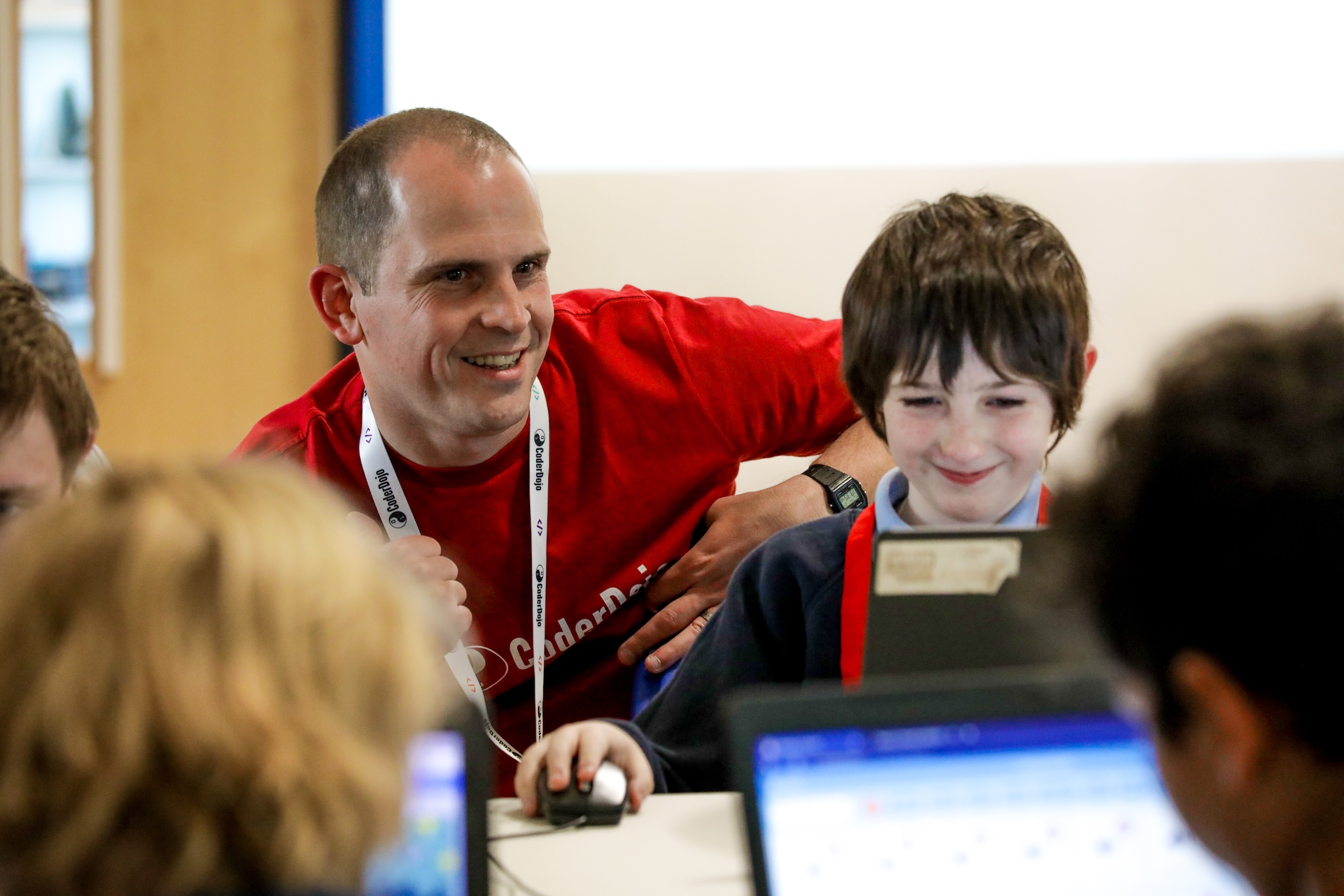
Local organizers in Selby have echoed these sentiments, observing that the "magic" of the Dojo often occurs during moments of collaborative problem-solving. "The most rewarding aspect is seeing the genuine collaboration between parents and children," one volunteer remarked. "It’s not just about the code; it’s about finding a voice and having the confidence to present a creation to a room full of people."
This social-emotional growth is a documented benefit of the CoderDojo model. By allowing "Ninjas" to present their projects at the end of each session, the program builds public speaking skills and resilience. The "40th event" milestone in Selby is seen not just as a numerical achievement, but as 40 distinct opportunities where young people have successfully navigated the transition from passive consumers of technology to active creators.
The Role of AI and the Future of Computing Education
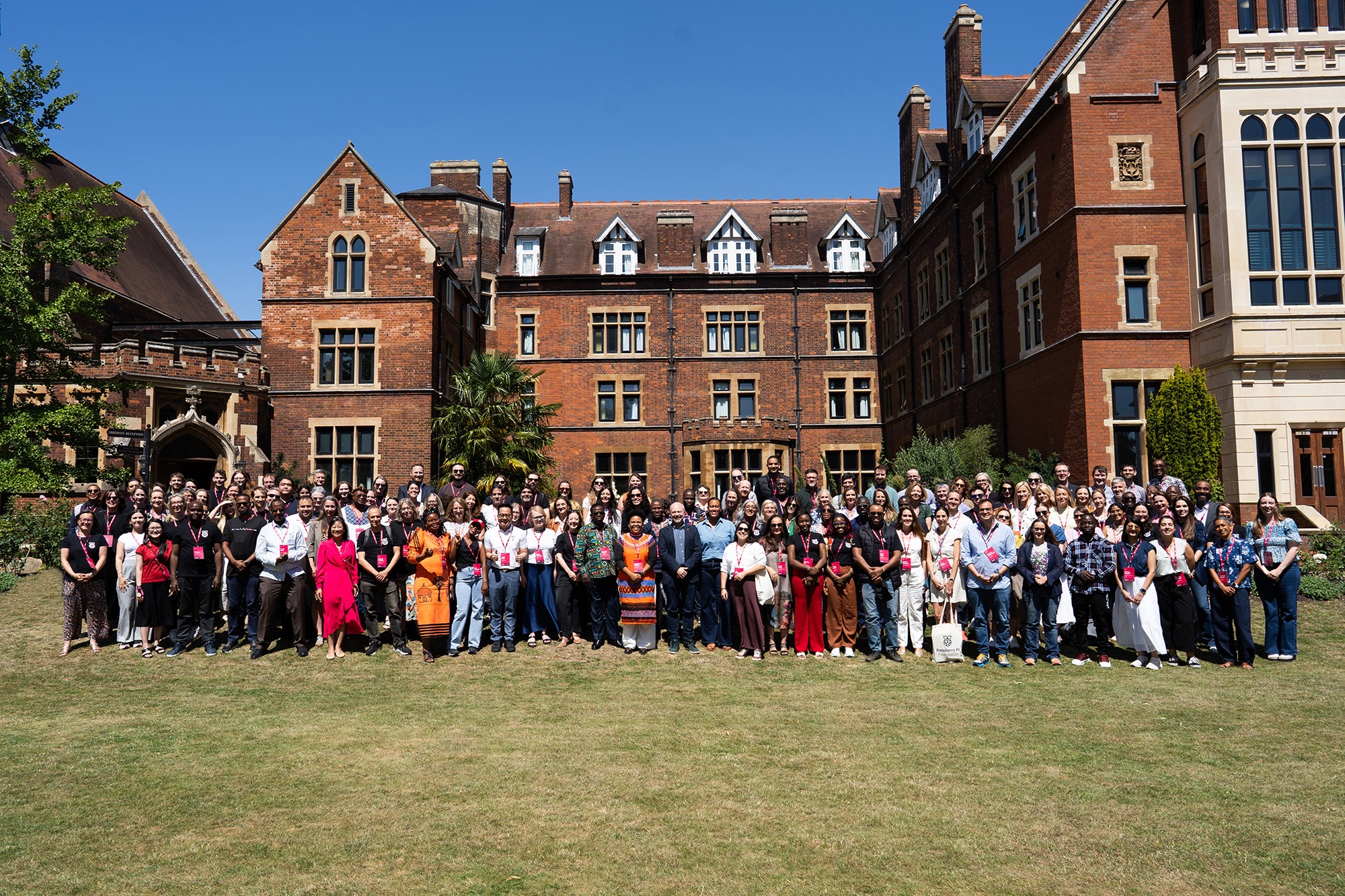
A central theme of the recent "Raspberry Fields" global partners summit in Cambridge was the emergence of Artificial Intelligence and its implications for non-formal education. As AI tools become more prevalent, the traditional definition of "learning to code" is shifting. Experts at the summit argued that the logic-based thinking taught at CoderDojos is more important than ever.
The consensus among global partners is that young people must be equipped not only to use AI but to question and shape the systems that will govern their lives. The CoderDojo mission is evolving to include AI literacy, teaching participants the ethics of algorithms and the mechanics of machine learning. This ensures that the movement remains relevant in a rapidly changing technological landscape while staying true to its original mission of empowering those who may not thrive in traditional school environments.
Socio-Economic Implications and Reaching the Underserved
One of the most significant challenges identified by the Raspberry Pi Foundation is reaching young people who lack access to formal education or live in socio-economically disadvantaged areas. The "non-formal" nature of CoderDojo is a powerful tool for social mobility. Because the clubs are free to attend and often provide hardware for those who do not own a laptop, they remove the financial barriers that frequently gatekeep the tech industry.
In Selby, the launch of six additional local clubs has significantly increased the "tech-density" of the region. This regional expansion model is being studied as a template for other rural or semi-rural areas where centralized tech hubs are absent. By decentralizing education, CoderDojo ensures that a child’s postal code does not determine their level of digital fluency.
Looking Ahead: The Roadmap for 2025 and Beyond
As the movement looks toward the future, the focus remains on expansion and sustainability. In Ireland, the birthplace of the movement, the upcoming "Meet, Learn, Make" event in Athlone this October is expected to draw hundreds of volunteers to share best practices and prepare for the next decade of growth.
The 15th anniversary serves as a reminder that while technology has changed—moving from simple web development in 2011 to complex AI and physical computing in 2024—the human need for community and creative expression has remained constant. The Raspberry Pi Foundation and the CoderDojo community continue to call for more volunteers to launch clubs, promising that the reward of seeing a young person light up an LED for the first time remains the movement’s greatest achievement.
In conclusion, the dual milestones of Selby’s 40th Dojo and the movement’s 15th year underscore the enduring power of grassroots educational movements. By fostering an environment of "fun, creativity, collaboration, and openness," CoderDojo has not only taught a generation how to code but has built a global infrastructure that ensures the digital future is accessible to all, regardless of their background or formal educational status. The message from the founders and the current leadership remains clear: the mission to empower young people through technology is far from over, and the next 15 years will be defined by how well the community can adapt to the challenges of the AI era.