Published: September 1st, 2026
China’s recent recall of millions of vehicles, prompted by safety concerns surrounding recessed door handles, has ignited a broader conversation about the increasing reliance on electronically dependent systems in modern automobiles. The unprecedented regulatory action, targeting an estimated 4.3 million cars, underscores a critical vulnerability: the potential for electronic components to fail in critical situations, leaving occupants trapped and imperiling rescue efforts. This move not only highlights a specific design flaw but also serves as a stark warning about the broader implications of replacing robust mechanical systems with intricate electronic architectures.
The scale of the recall is staggering, marking the largest automotive recall in China’s history. At its core, the concern revolves around electronic door handles, which, if they malfunction during an accident, could prevent occupants from escaping a vehicle engulfed in flames or sinking into water. Reports from emergency services have indicated that fatal outcomes might have been averted had there been more reliable and accessible means of egress. The fundamental issue lies in the dependency of these electronic systems on battery power. Electrical shorts, particularly in scenarios involving submersion in water, can render the handles inoperable. Similarly, severe crashes or intense fires can lead to wiring disconnections, compromising the functionality of these electronic mechanisms.
Beyond the electronic door handle malfunction, the Chinese government also expressed significant concerns regarding the practical challenges posed by recessed door handles for emergency responders. The updated regulations, set to take effect in 2027, will effectively ban flush-mounted door handles unless they are equipped with a reliable and easily accessible mechanical backup system. This mandate extends to interior door mechanisms as well, acknowledging that disoriented or panicked individuals may struggle with complex or finely tuned interfaces. The overarching objective is to ensure conspicuous and straightforward methods for entering and exiting vehicles, prioritizing ease of access in emergency situations.
Impact on Automakers and the Shift to Electrification
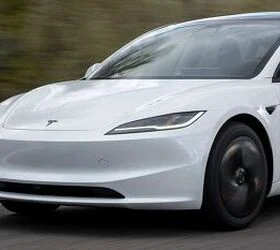
While electric vehicle (EV) manufacturers are disproportionately affected by this recall, the implications are far-reaching, impacting a wide array of automotive brands. Companies such as Tesla, Xiaomi, Geely, Leapmotor, and Xpeng are among those that will need to address these updated regulations. China’s decisive action positions it as a frontrunner in restricting non-mechanical door handles, a move that prompts a critical examination of other traditional mechanical systems that have been superseded by their electronic counterparts.
The drive towards advanced driver-assistance systems (ADAS) and novel interior designs has necessitated the electrification of a majority of vehicle controls. In stark contrast to older vehicles where controls were directly linked to mechanical components – brake pedals physically engaging hydraulic cylinders, accelerators operating throttle cables, and steering wheels connected to a physical steering rack – modern vehicles predominantly utilize electronic signals transmitted between control modules and their respective functions.
This transition to electronic controls offers several advantages. For instance, the absence of a physical steering column shaft running the length of the car can enhance safety during frontal collisions, preventing the column from impaling occupants. Electronic systems are also indispensable for enabling advanced features like lane-keeping assist, hands-free driving capabilities, parking assistance, and sophisticated electronic stability control (ESC). Furthermore, automakers appreciate the design flexibility and customization options that electronic integration provides.
However, these benefits come with significant drawbacks. The longevity of electronic systems, even with proper maintenance, is often questioned compared to their mechanical predecessors. The repair of the myriad sensors and complex electronic modules required for these systems is exceedingly expensive and frequently demands specialized tools and expertise, often beyond the reach of independent mechanics. In many instances, professional intervention is required to replace entire component modules, followed by precise calibration.
The Vulnerability of Electronically Dependent Systems
The most critical disadvantage of electronic controls is their fundamental reliance on electricity. This dependency mirrors the very problems that have led to the ban of electronic door handles in China. While most modern electronically controlled systems incorporate safety redundancies, such as dual electrical networks for steering or reserve actuators for braking, these are not infallible. A few lines of corrupted code, whether accidental or intentional, can compromise these safety nets.
Vehicle hacking has evolved from a theoretical concern to a tangible threat in recent years. Initial skepticism surrounding the security of connected vehicles has given way to a sobering reality. Leaked documents from 2017 revealed the existence of a United States government program dedicated to remotely hacking connected vehicles for targeted purposes. This concern is amplified by the proliferation of advanced AI-assisted roadway surveillance systems.
Academic research has consistently demonstrated the feasibility of car hacking. As early as 2010, researchers from the University of Washington and the University of California-San Diego showcased the potential for hacking vehicle systems, including the disabling of braking mechanisms. More alarming were the findings from Charlie Miller and Chris Valasek in 2015, who proved that essential vehicle systems could be remotely compromised from miles away. The speculative links between suspicious accidents involving high-profile individuals and potential vehicle hacking, such as the case of Michael Hastings, further fuel these anxieties, even if the personal risk remains statistically low.
The core issue is that connecting vehicles that rely on electronic controls to wireless signals introduces inherent vulnerabilities. This connectivity creates an additional weak point in a system that has already shifted substantial control away from the driver. The threat doesn’t necessarily stem from malicious actors targeting individuals; remote access points and software dependencies can create problems independently. Instances of manufacturers issuing over-the-air updates with malicious code that crippled vehicles, and countless examples of connected cars facilitating criminal identity theft, underscore this vulnerability.
A Broader Analysis of Modern Vehicle Safety and Regulation
Enthusiasts often lament that drive-by-wire systems offer diminished tactile feedback and introduce increased maintenance challenges as vehicles age. However, the underlying safety issues associated with these systems are often overlooked. The drawbacks of connectivity extend beyond manufacturers’ ability to monitor driver behavior and push subscription services.
Automakers assert their commitment to mitigating safety risks. However, the rapid pivot to these novel vehicle designs at the turn of the century may have inadvertently introduced as many risks as they have addressed. The delay in recognizing the potential safety hazards posed by electronic door handles, a seemingly obvious concern, is particularly noteworthy. Many vehicles feature unintuitive methods for cabin entry and exit, requiring drivers and passengers to expend unnecessary attention on operating door mechanisms, attention that could be critical in an emergency.
While automakers maintain that hacking vulnerabilities are being addressed, the very nature of connected vehicles casts a long shadow over this premise. This situation is not unique to vehicle connectivity; it reflects a broader trend in modern technology where apparent advancements often come with unforeseen consequences. The argument that a vehicle’s compromised visibility is acceptable if it can essentially drive itself, or that the driver bears ultimate responsibility when an automated system fails, highlights a complex web of accountability. It often feels as though consumers are presented with a series of excuses, with liability ultimately resting on the driver when an automaker-installed system malfunctions.
While heavy-handed regulation is often viewed with skepticism, there are instances where original equipment manufacturers (OEMs) will not prioritize consumer safety without external mandates. The mandatory inclusion of OBDII ports was a clear victory for consumers, facilitating diagnostics and repairs. However, emission regulations, some of which have been manipulated to benefit automakers, present a more complex regulatory landscape.
China’s Lead and the U.S. Regulatory Lag
China’s decisive action in banning recessed door handles and mandating mechanical backups represents a significant victory for its drivers. The principle mirrors that of aircraft ejection systems, where critical functions are designed for absolute reliability and ease of use, even under extreme duress. The same standard should apply to automotive safety, where occupants’ lives may depend on swift and unimpeded egress.
This raises a pertinent question: why does the National Highway Traffic Safety Administration (NHTSA) lag behind China on such a fundamental safety issue, especially considering China’s relatively recent emergence as a major automotive market? Incidents where recessed handles and electronic doors have hampered rescue efforts or prevented occupants from escaping burning vehicles are well-documented. Yet, it was only in the summer of 2026 that NHTSA investigations began to suggest a potential need for rule changes.
While regulatory bodies must exercise due diligence to avoid enacting poorly conceived regulations, the prioritization of functional door handles appears to have taken a backseat in the U.S. to issues such as mandatory reverse cameras and the forthcoming implementation of in-car surveillance systems. This suggests a potential misdirection of regulatory focus, with an emphasis on invasive technologies and environmental initiatives potentially overshadowing common-sense safety measures.
Contemporary drivers navigate a landscape where modern vehicles seem to introduce as many safety risks as they aim to solve. Upgraded headlights can blind oncoming traffic, while distracted drivers grapple with complex multimedia interfaces. Reliable mechanical systems are being supplanted by intricate electronic substitutes that require constant electrical power and, in some cases, internet connectivity. The facilitation of identity theft through vehicle networking adds another layer of concern. The cumulative effect of these developments can be bewildering.
Rethinking Automotive Innovation: Practicality vs. Novelty
At its core, the current trajectory of automotive innovation risks reinventing the wheel in ways that offer marginal practical improvements while introducing a significant array of drawbacks. The purported advantages of using a smartphone or keycard over a traditional key and fob are often difficult to quantify in terms of tangible benefits. This sentiment extends to numerous other vehicle systems that have been unnecessarily complicated. While some added features may be appealing, the overall value proposition often falls short when weighed against the complexities and potential risks.
The safety risks associated with certain systems clearly outweigh their purported benefits. Recessed door handles stand out as a prime example. Consumers are essentially trading a potentially higher repair cost and an increased risk of perishing in a vehicle fire for a stylistic novelty. A thorough risk analysis is warranted for many other modern features that may carry similar, albeit less obvious, dangers. Automakers appear reluctant to challenge the status quo unless public outcry becomes too deafening to ignore, a testament to their adherence to certain industry traditions.
While regulatory action from China has been the catalyst for addressing these issues, it is hoped that drivers in Western markets will ultimately benefit from this heightened global focus on vehicle safety and the critical examination of electronic system dependencies. The recall serves as a potent reminder that innovation must be tempered with a steadfast commitment to fundamental safety principles.