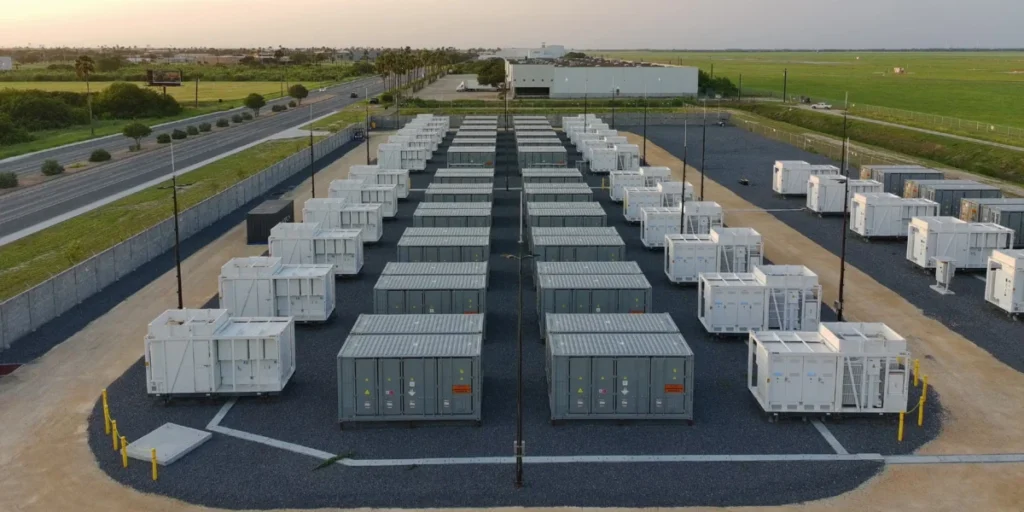
Equinor’s most significant battery energy storage project in the United States, the Citrus Flatts Energy Center, has officially commenced operations in South Texas, injecting 100 megawatts (MW) of flexible capacity into the state’s rapidly expanding power grid. This development marks a pivotal moment for Equinor’s renewable energy ambitions in the U.S. and underscores Texas’s continued surge in battery storage deployment, a critical component in integrating intermittent renewable energy sources like solar and wind.
A New Cornerstone for Texas’s Energy Landscape
Located in Harlingen, Cameron County, the Citrus Flatts Energy Center boasts a capacity of 100 MW and 200 megawatt-hours (MWh). This substantial battery installation was meticulously developed and is now managed by East Point Energy, a wholly-owned U.S. subsidiary of Equinor specializing in battery storage solutions. The project’s journey to operational status began when East Point Energy acquired it from Black Mountain Energy Storage in late 2023, signaling a strategic expansion of Equinor’s footprint in the American energy storage market.
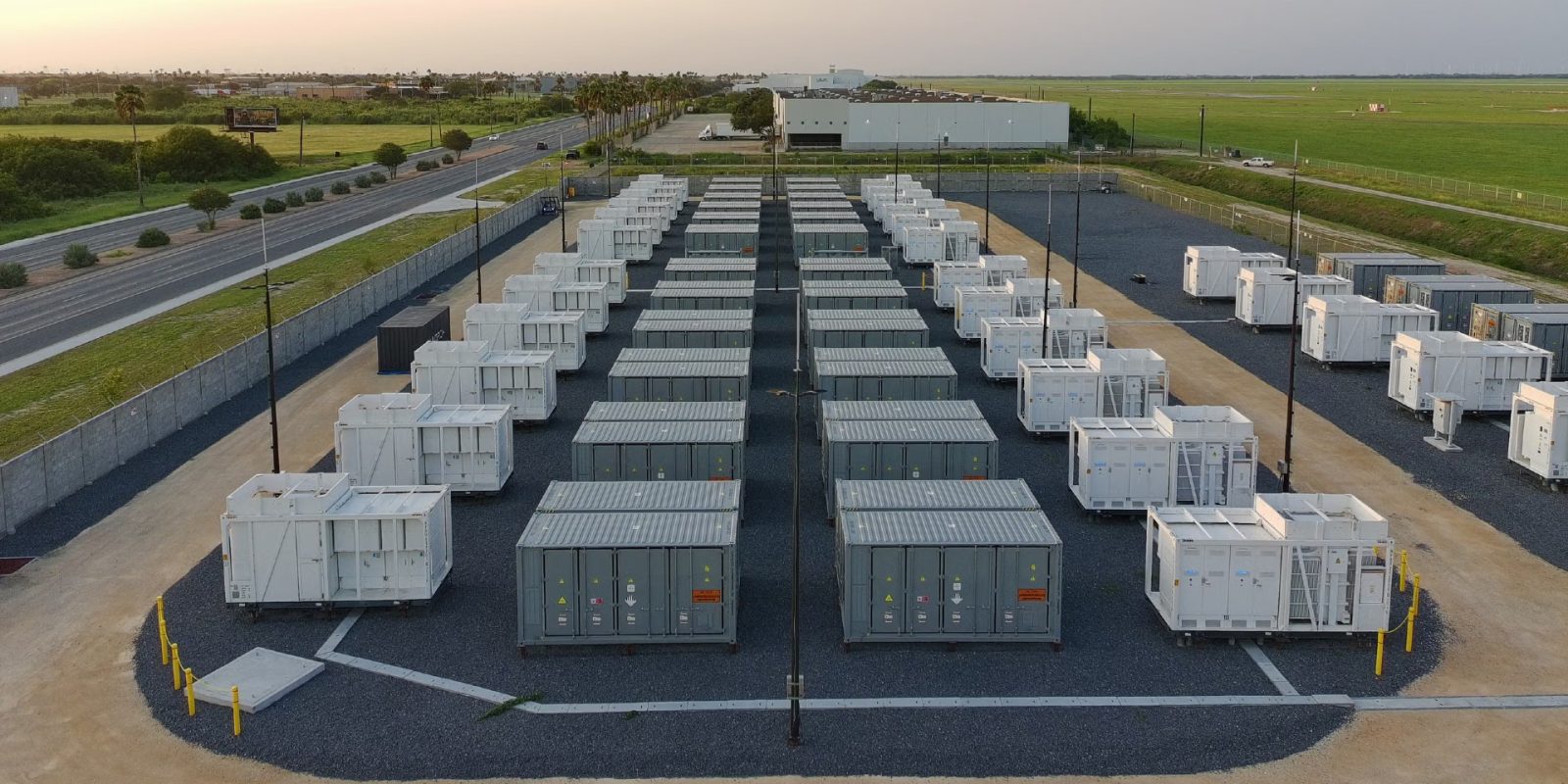
This milestone follows the successful commissioning of East Point Energy’s inaugural project, the 10 MW/20 MWh Sunset Ridge Energy Center in Frio County, which began operating last year. Collectively, these two battery storage systems demonstrate a combined capability to provide electricity sufficient to power approximately 30,000 Texas homes for up to two hours. This dual deployment highlights a deliberate strategy by Equinor to build a robust portfolio of grid-scale energy storage assets across key U.S. markets.
Navigating the ERCOT Market: A Merchant Strategy
A key characteristic of the Citrus Flatts Energy Center’s operation is its commitment to a fully merchant basis within the Electric Reliability Council of Texas (ERCOT) power market. This operational model deviates from traditional utility contracts, allowing the facility to generate revenue through dynamic market participation. By strategically purchasing and storing electricity during periods of low demand and consequently lower prices, and then discharging that stored energy when market prices rise, the Citrus Flatts facility can capitalize on price fluctuations. Furthermore, it plays a crucial role in providing essential grid services, such as frequency regulation and voltage support, which are vital for maintaining the stability and reliability of the power grid.
The market operations and portfolio optimization for the Citrus Flatts Energy Center are expertly handled by Equinor’s energy trading subsidiary, Danske Commodities. This integration of trading expertise with physical asset management is a core element of Equinor’s strategy to maximize the value and efficiency of its energy storage investments. By leveraging Danske Commodities’ deep understanding of market dynamics and trading strategies, Equinor aims to ensure optimal performance and profitability for its battery storage assets.

Local Impact and Economic Benefits
The operationalization of the Citrus Flatts Energy Center is expected to yield significant economic benefits for Cameron County and the surrounding South Texas region. Andrew Foukal, CEO of East Point Energy, emphasized the project’s positive local impact, stating, "This project will generate millions in tax revenue to support local priorities. As energy demand surges across Texas, it will strengthen the electrical grid and help keep energy costs affordable for families and businesses." This sentiment underscores the dual benefit of large-scale energy infrastructure projects: enhancing grid stability while simultaneously contributing to local economic development through job creation and tax contributions.
The project’s contribution to grid resilience is particularly noteworthy in the context of Texas’s unique energy landscape. ERCOT, the grid operator for most of Texas, faces the challenge of managing a grid heavily reliant on weather-dependent renewable energy sources. Battery storage systems like Citrus Flatts are instrumental in mitigating the intermittency of these resources, ensuring a consistent and reliable power supply even when solar panels are not generating electricity or wind turbines are not spinning.
Texas’s Renewable Energy Boom: A Data-Driven Perspective
The deployment of battery storage in Texas is occurring at an unprecedented pace, mirroring the state’s aggressive expansion of renewable energy generation. The U.S. Energy Information Administration (EIA) projects that utility-scale solar power will be a dominant force in the ERCOT market by 2026. The EIA forecasts that solar energy will generate an estimated 78 billion kilowatt-hours in ERCOT in 2026, surpassing coal for the first time. This surge in solar capacity necessitates a corresponding increase in energy storage to absorb excess generation and discharge power when demand outstrips supply or when solar output wanes.

Complementing the rise of solar, the EIA also anticipates a dramatic expansion of battery capacity within ERCOT. Projections indicate a growth from approximately 15 gigawatts (GW) in 2025 to a remarkable 37 GW by the end of 2027. This exponential growth trajectory highlights the critical role that battery storage is playing in enabling Texas to integrate higher levels of renewable energy while maintaining grid stability and reliability. The Citrus Flatts Energy Center is a significant contributor to this burgeoning storage capacity, representing a substantial addition to the state’s grid-balancing resources.
Equinor’s Expanding U.S. Storage Footprint
The Citrus Flatts Energy Center represents a key stepping stone in Equinor’s broader strategy for expanding its renewable energy portfolio and energy storage capabilities in the United States. The company has outlined ambitious plans for further growth, with its next wave of U.S. projects already under construction in Virginia. These projects comprise four battery storage facilities, collectively totaling 80 MW/160 MWh. These Virginia-based batteries are slated to commence operations in the PJM power market in early 2027, signaling Equinor’s commitment to diversifying its geographic presence and serving multiple regional grid operators.
This strategic expansion across different U.S. power markets demonstrates Equinor’s intent to become a leading player in the North American energy storage sector. By developing and operating a diverse portfolio of battery storage assets, Equinor aims to contribute to grid decarbonization, enhance grid reliability, and capitalize on the growing demand for flexible energy solutions. The company’s investments in battery storage are aligned with its global strategy to transition towards a lower-carbon energy future, leveraging its expertise in offshore wind and its growing capabilities in onshore renewable energy and storage.

The Broader Implications for Energy Transition
The commissioning of Equinor’s Citrus Flatts Energy Center carries significant implications for the ongoing energy transition in the United States. As renewable energy sources become increasingly prevalent, the demand for advanced energy storage solutions will continue to escalate. Battery storage plays a multifaceted role in this transition:
- Grid Stability and Reliability: By providing rapid response capabilities, batteries can smooth out the fluctuations in renewable energy generation, preventing grid instability and ensuring a consistent power supply. This is particularly crucial in markets like Texas, which are experiencing rapid growth in intermittent renewables.
- Peak Shaving and Load Management: Battery storage can absorb excess energy during off-peak hours and discharge it during peak demand periods, thereby reducing the need for expensive and often carbon-intensive peaker plants. This helps to moderate electricity prices and reduce overall emissions.
- Integration of Distributed Energy Resources: As more homes and businesses adopt solar panels and electric vehicles, battery storage will become increasingly important for managing the flow of electricity and ensuring grid stability at the local level.
- Economic Opportunities: The growth of the energy storage sector is creating new jobs and driving innovation in manufacturing, installation, and operation of battery systems. Projects like Citrus Flatts contribute directly to this economic growth.
Equinor’s investment in the Citrus Flatts Energy Center is a testament to the company’s confidence in the future of battery storage as a cornerstone of a modern, resilient, and decarbonized energy system. The project’s success and its contribution to the Texas grid serve as a model for other regions seeking to accelerate their own energy transitions. The strategic approach of integrating market operations through subsidiaries like Danske Commodities further enhances the economic viability and operational efficiency of these critical energy assets. As Texas continues to lead the nation in renewable energy deployment, the role of advanced battery storage, exemplified by projects like Citrus Flatts, will only become more pronounced in shaping the future of energy.