The automotive industry’s storied past is a graveyard of once-proud names, brands that have faded into mere whispers of memory. The annals of automotive history are replete with such examples: Plymouth, a name synonymous with affordable American motoring for decades; Pontiac, a purveyor of performance and bold styling; Mercury, a bridge between Ford’s mainstream offerings and its luxury aspirations. These marques, and many others, ultimately succumbed not to a lack of innovation or consumer desire, but to the unforgiving arithmetic of financial viability. They ceased to generate sufficient profit, or in some cases, any profit at all, leading to their inevitable, and often poignant, departures from the automotive landscape.
General Motors, a titan of the industry, has been particularly active in this painful process of brand rationalization. Over the past few decades, the Detroit-based giant has systematically retired several of its marquees. Oldsmobile, one of America’s oldest automotive brands, met its end in 2004 after a lengthy decline. Saturn, a bold experiment in a new kind of automotive brand, launched in the early 1990s with promises of innovative design and customer-centric service, was discontinued in 2010. And perhaps most emotionally charged for many enthusiasts, Pontiac, a brand that had carved out a significant niche in performance and muscle cars, also ceased production in 2010. Each of these decisions, while driven by business imperatives, sent ripples of nostalgia and regret through the automotive community.
Ford Motor Company has not been immune to these forces. In a significant strategic shift, the Dearborn-based automaker announced the discontinuation of its Mercury division in 2010. The final Mercury vehicle, a stately Grand Marquis, rolled off the assembly line in early 2011, marking the end of an era for a brand that had been a staple of American car culture since its inception in 1938. The rationale behind the Mercury shutdown, as with many such decisions, was rooted in market realities and the need to streamline operations and focus resources on more profitable ventures.
This history of brand attrition naturally leads to contemporary questions about the future of other marques within large automotive conglomerates. The automotive industry is in a state of profound transformation, driven by electrification, autonomous driving technology, evolving consumer preferences, and intense global competition. In this dynamic environment, brands that fail to adapt or demonstrate consistent profitability face mounting pressure.
The Case Against Lincoln: A Substack Scrutiny
Recent discussions within automotive circles have increasingly turned the spotlight onto Lincoln, Ford’s luxury division. While Lincoln has long represented Ford’s foray into the premium segment, its continued existence has become a subject of debate. A recent piece published on TheCarCollective.Substack.com, a platform known for its in-depth automotive analysis, has directly addressed this issue, making a compelling case for the discontinuation of the Lincoln brand.
This critical assessment, titled "The Case Against Saving Lincoln," argues that the financial and strategic benefits of maintaining the Lincoln marque may no longer outweigh the costs and complexities associated with its operation. While the article does not offer explicit data within its summary, its premise suggests an examination of Lincoln’s sales performance, profitability, market share within the competitive luxury segment, and its overall contribution to Ford’s bottom line. The author(s) likely point to the significant investment required to develop and market luxury vehicles that can effectively compete with established global luxury players like Mercedes-Benz, BMW, Audi, Lexus, and increasingly, Tesla.
Historical Context: Lincoln’s Journey Through Ford’s Portfolio
To understand the current discourse surrounding Lincoln, it is essential to revisit its historical trajectory under Ford’s ownership. Ford acquired Lincoln in 1922, marking its entry into the luxury automotive market. For much of its existence, Lincoln has occupied a unique position, often characterized by its focus on American luxury, distinctive styling, and a more understated approach compared to its European counterparts.
During certain periods, Lincoln experienced significant success. The Lincoln Continental, in its various iterations, became an icon of American automotive design and a symbol of prestige. Models like the Mark series also contributed to Lincoln’s allure. However, the brand has also faced periods of struggle, often grappling with an identity crisis and difficulty in consistently differentiating itself from other luxury offerings, both domestic and international.
The 1980s and 1990s saw Ford invest heavily in Lincoln, attempting to bolster its competitiveness. However, the rise of sophisticated German luxury sedans and the emergence of Japanese luxury brands like Lexus and Acura presented formidable challenges. More recently, the automotive industry’s pivot towards electrification has added another layer of complexity. Developing competitive luxury electric vehicles requires substantial research and development, significant capital investment in new platforms and battery technology, and a compelling brand narrative that resonates with luxury EV buyers.
Supporting Data and Market Performance
The debate surrounding Lincoln’s future is likely informed by its sales figures and market share within the highly competitive luxury automotive segment. While specific figures from the referenced Substack article are not detailed, general industry trends provide context.
Globally, the luxury automotive market is dominated by European manufacturers such as BMW Group (BMW, Mini), Mercedes-Benz Group (Mercedes-Benz, Smart), and Volkswagen Group (Audi, Porsche). These brands have established strong brand loyalty, a perception of superior engineering and technology, and a comprehensive range of vehicles across different segments.
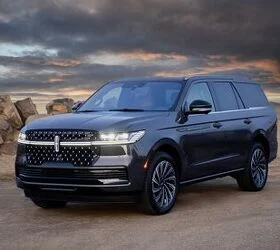
In the United States, Lincoln’s primary market, the competitive landscape is equally fierce. While Lincoln has seen some success with models like the Navigator SUV and the Aviator, it often lags behind its primary rivals in terms of sales volume and market share. For instance, in 2023, BMW and Mercedes-Benz each sold well over 300,000 vehicles in the US, while Audi sold over 200,000. Lincoln’s sales figures, while showing some growth in recent years, typically fall significantly short of these benchmarks.
Furthermore, the profitability of luxury brands is a crucial metric. Developing and marketing luxury vehicles involves higher costs associated with premium materials, advanced features, extensive marketing campaigns, and specialized dealer networks. For Lincoln to justify its continued existence, it must demonstrate a strong and sustainable return on these investments. The author of the Substack piece likely scrutinizes these financial metrics, questioning whether Lincoln’s contribution to Ford’s overall profitability justifies the resources it consumes.
The Broader Impact of a Potential Lincoln Discontinuation
The potential discontinuation of the Lincoln brand would have significant implications, not only for Ford but also for the broader automotive industry and its stakeholders.
Implications for Ford Motor Company
For Ford, the decision to cease production of Lincoln would represent a monumental strategic shift. It would allow the company to:
- Streamline Operations and Focus Resources: Ford could redirect the substantial capital, research and development, and marketing resources currently allocated to Lincoln towards its core brands, particularly Ford, and its burgeoning electric vehicle initiatives under the Ford+ plan. This could accelerate the development and rollout of next-generation EVs and advanced technologies.
- Reduce Complexity: Managing a luxury brand with its distinct product development, marketing, and sales channels adds layers of complexity to a global automotive organization. Eliminating Lincoln would simplify Ford’s portfolio and operational structure.
- Potentially Improve Profitability: While Lincoln contributes to Ford’s revenue, its profitability relative to its investment might be a concern. Shedding a less profitable division could, in the long run, boost Ford’s overall financial performance.
However, the decision would also entail:
- Loss of a Premium Identity: Ford would lose its dedicated luxury brand, potentially ceding ground in a high-margin segment to competitors.
- Impact on Dealer Networks: Ford’s dual dealerships, which often house both Ford and Lincoln franchises, would need to adapt. Some Lincoln-exclusive dealers might face significant challenges.
- Brand Legacy: Lincoln has a long and storied history, and its disappearance would represent the loss of another significant chapter in American automotive heritage.
Implications for the Automotive Industry
The departure of a luxury brand like Lincoln from the market would:
- Further Consolidate the Luxury Segment: The global luxury market is already highly competitive. The exit of a major player would further consolidate market share among the remaining established brands.
- Signal Industry Trends: Such a decision by a major automaker would reinforce the perception of intense pressure on non-core or underperforming brands within the rapidly evolving automotive landscape. It would underscore the imperative for all brands to demonstrate clear strategic direction and financial viability, especially in the face of electrification and technological disruption.
- Influence Investment and Strategy: Investors and competitors would closely watch Ford’s decision, potentially influencing their own strategic planning and investment in similar segments or brands.
Implications for Consumers and Enthusiasts
For consumers who own or admire Lincoln vehicles, the news would be met with disappointment and concern regarding future parts availability, service, and resale value. For automotive enthusiasts, it would mark the end of another significant nameplate, adding to the growing list of iconic brands that have faded from the scene.
Official Responses and Future Outlook
As of the current reporting, Ford Motor Company has not made any official announcements regarding the potential discontinuation of the Lincoln brand. The discussions highlighted on TheCarCollective.Substack.com represent an analysis and opinion piece, rather than an indication of an impending corporate decision.
Ford’s leadership has consistently emphasized its commitment to the Ford+ plan, a strategy that prioritizes key growth areas, including electrification, commercial vehicles, and connected services. The role of Lincoln within this overarching strategy remains a subject of internal evaluation and market observation. Ford’s CEO, Jim Farley, has often spoken about the need for the company to be more agile and focused. Whether Lincoln fits into this redefined vision of Ford’s future is a question that likely occupies the minds of the company’s strategists.
The automotive industry is in constant flux. The challenges posed by electrification, autonomous technology, and global economic shifts necessitate rigorous evaluation of every brand and product line. While the case against saving Lincoln may be compelling in some analytical frameworks, the ultimate decision will rest on Ford’s strategic priorities, its assessment of Lincoln’s long-term potential, and its capacity to invest in the brand to ensure its competitiveness in a rapidly changing luxury automotive landscape. The specter of extinction, however, looms large in the minds of industry observers as the automotive world continues its unprecedented transformation.