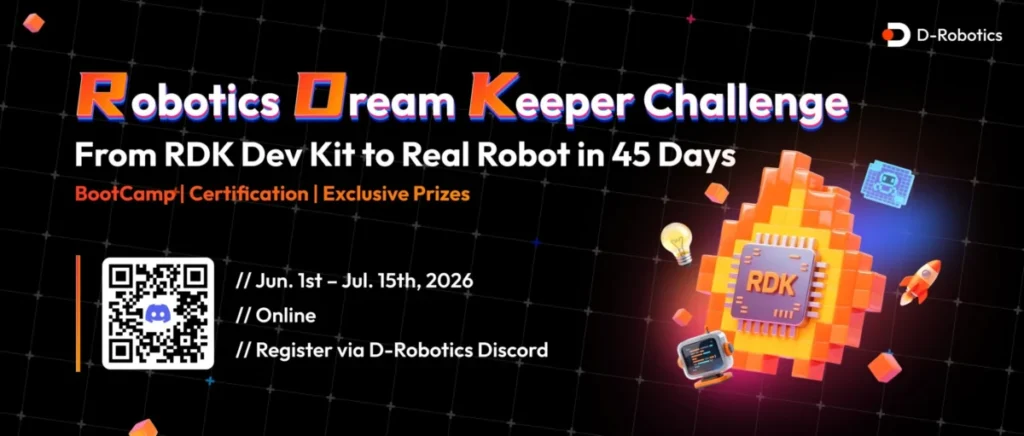
D-Robotics has officially launched the Robotics Dream Keeper Challenge (RDK Challenge), an ambitious initiative designed to democratize access to advanced artificial intelligence and robotics development for a global community of makers, students, hobbyists, and professional builders. This program aims to bridge the gap between conceptual robot ideas and tangible creations by providing a structured pathway and robust support system centered around the powerful yet accessible RDK X5 edge AI development board. The challenge promises not only to demystify complex AI integration but also offers significant incentives, including cash prizes and full rebates on hardware purchases, fostering a vibrant ecosystem of innovation.
Bridging the Gap Between Concept and Creation
For years, the aspiration to build intelligent, autonomous robots has been a common thread among technology enthusiasts. Visions of automated snack delivery rovers, sophisticated pet-tracking camera systems, or truly responsive voice assistants often remain just that—visions—due to formidable barriers. The complexities of intricate wiring, the steep learning curve of advanced software, and the perennial question of "where to even begin?" have historically deterred many from transforming their innovative concepts into reality. D-Robotics seeks to fundamentally alter this landscape with the RDK Challenge, offering a clear, guided journey for participants at all skill levels.
The RDK X5, the core hardware platform for this challenge, is positioned as a game-changer in edge AI development. Unlike traditional cloud-based AI solutions, edge AI processes data directly on the device, offering advantages such as reduced latency, enhanced privacy, lower bandwidth consumption, and greater reliability in environments with limited connectivity. The RDK X5 leverages these benefits, providing a compact yet powerful solution for on-device AI inference, making sophisticated robotic behaviors feasible without relying on constant internet access or expensive cloud services. Its design focuses on ease of integration and a comprehensive development environment, aiming to simplify the often-overwhelming initial stages of AI robotics projects.
D-Robotics’ Vision: Empowering the Next Generation of Innovators
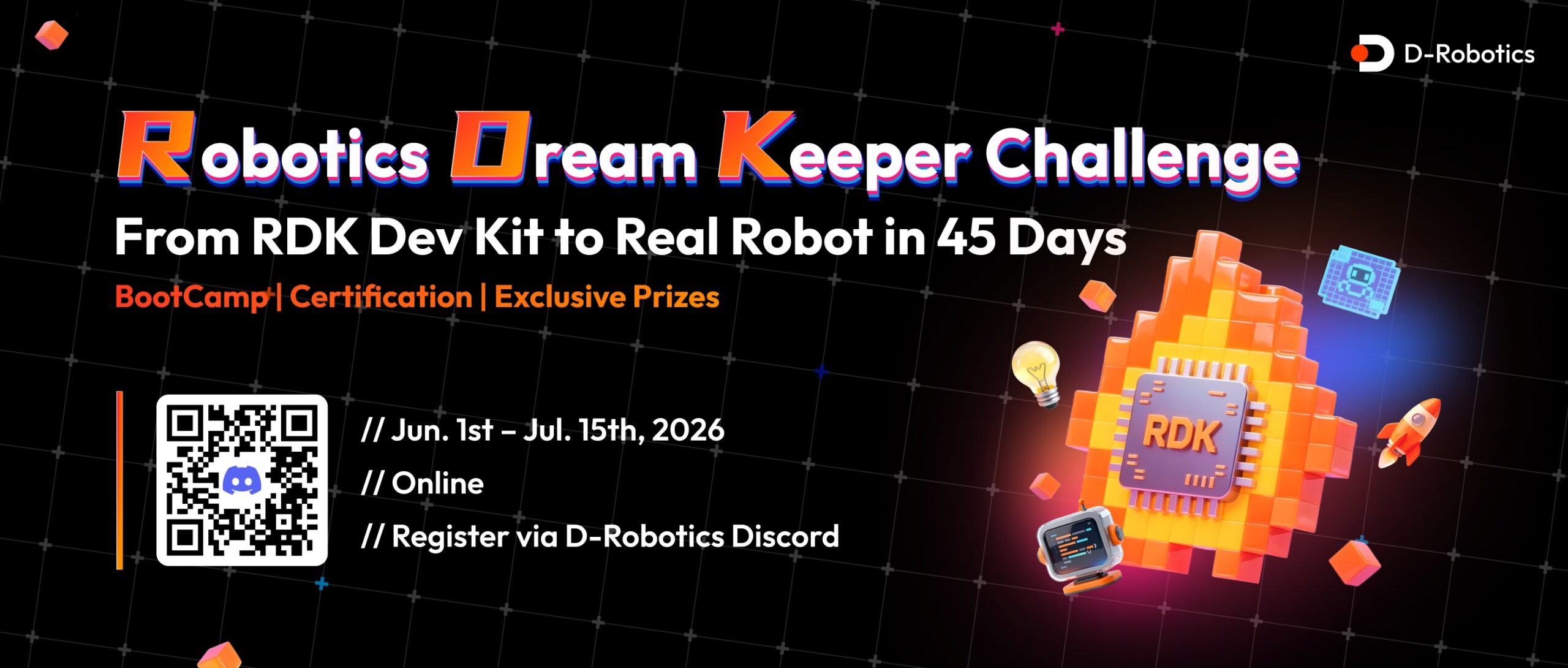
D-Robotics, a company committed to making advanced robotics and AI accessible, views the RDK Challenge as a cornerstone of its mission. The company recognizes the untapped potential within the global maker community and seeks to provide the tools and knowledge necessary to unleash it. By offering a guided curriculum, mentorship, and a collaborative community, D-Robotics is not just selling a product; it’s cultivating a new generation of roboticists and AI developers. This initiative aligns with broader trends in technological education, emphasizing hands-on learning and practical application to foster skills crucial for the future workforce. The challenge is structured to build confidence and competence incrementally, ensuring that even novices can achieve remarkable outcomes.
The RDK X5: A Closer Look at the Edge AI Powerhouse
The RDK X5 development board is at the heart of the Dream Keeper Challenge, serving as the brain for intelligent robotic systems. While specific technical specifications are detailed on the D-Robotics website, it is designed to deliver robust on-device AI performance. Typically, such edge AI boards feature a powerful System-on-Chip (SoC) that includes a multi-core CPU, a capable GPU for general computing, and critically, a dedicated Neural Processing Unit (NPU) or AI accelerator. This NPU is optimized for high-speed, low-power execution of AI models, making it ideal for real-time applications like object detection, facial recognition, natural language processing, and advanced motor control—all essential for autonomous robots.
Connectivity options on boards like the RDK X5 are usually extensive, including Wi-Fi, Bluetooth, Ethernet, USB ports, and various GPIO (General Purpose Input/Output) pins for interfacing with sensors, actuators, and other peripheral devices. This rich array of interfaces ensures that makers can integrate a wide range of components into their projects, from cameras and microphones to motors and display screens. The RDK X5’s compatibility with popular operating systems and development frameworks further lowers the barrier to entry, allowing participants to leverage existing knowledge in Python, C++, and various AI libraries. The "hidden gem" status mentioned in the original article suggests that D-Robotics is strategically using this challenge to elevate the RDK X5’s profile and demonstrate its capabilities through practical, community-driven applications.
Inspiring Precedent: Pioneering Projects with the RDK X5
Even before the full launch of the RDK Challenge, early adopters have showcased the impressive versatility and power of the RDK X5. These projects serve as compelling examples of what participants can achieve:

-
OpenDuck Mini – RDK X5: Developed by AI Researcher and Robotics Developer Frank Fu, this project features a reinforcement-learning bipedal robot capable of achieving "sim-to-real" walking. Reinforcement learning is a sophisticated branch of AI where an agent learns optimal behaviors through trial and error within an environment, often starting in a simulated setting and then transferring that learned intelligence to a physical robot. OpenDuck Mini demonstrates the RDK X5’s capacity to handle complex AI algorithms and real-time control necessary for dynamic locomotion, a significant challenge in robotics. The ability to simulate and then deploy to a physical system highlights the board’s robust processing power and compatibility with advanced AI frameworks.
-
An Arc Reactor That Beats With My Heart: Created by MateoTechLab, this project moves beyond traditional robotics to explore creative interactive installations. The Arc Reactor, inspired by pop culture, glows and synchronizes its pulsations with the user’s heartbeat, presumably detected via a smartwatch or biometric sensor. This application underscores the RDK X5’s flexibility for data processing and real-time output control, demonstrating its potential in interactive art, wearable technology, and biometric data integration. It showcases that the board is not limited to purely functional robots but can power imaginative and emotionally resonant projects.
-
Valentine’s Day AI Robot With RDK X5: Pro Know’s creation is an adorable, interactive companion robot featuring vision, touch, and sound reactions, imbued with a charming personality. This project exemplifies the RDK X5’s capabilities in multi-modal AI integration. It likely involves computer vision for object or face detection, touch sensors for haptic feedback, and audio processing for voice commands or sound recognition. The development of an "interactive companion" highlights the potential for the RDK X5 in social robotics, demonstrating its ability to process sensory input, make decisions based on AI models, and generate expressive outputs, all contributing to a more engaging user experience.
These diverse projects illustrate the RDK X5’s suitability for a broad spectrum of applications, from complex locomotion to interactive art and social robotics, confirming its status as a versatile platform for innovation. The live demonstrations of the RDK X5 on Make: YouTube channel further validate its practical performance and ease of use in real-world scenarios.
The Structured Path to Robotics Mastery: Three Progressive Stages
The RDK Challenge is meticulously structured into three progressive stages, designed to guide participants through the complexities of AI robotics development over approximately 35-45 days. This modular approach prevents burnout and ensures a steady learning curve, catering to both beginners and seasoned developers.

-
Stage 1 – Ignite (5-10 Days): Power on Your Robot’s Brain
This initial phase focuses on fundamental setup and familiarization. Participants begin by unboxing their RDK X5 and essential accessory kits. Key tasks include flashing the operating system onto an SD card, configuring the board, and successfully running their very first AI demonstration. This might involve deploying a pre-trained computer vision model to identify objects or faces. The goal is to establish a basic working environment and demonstrate the RDK X5’s core AI capabilities, ensuring participants are comfortable with the hardware and initial software interactions. D-Robotics emphasizes that individuals with prior experience in single-board computers like Raspberry Pi will find this stage particularly intuitive. -
Stage 2 – Build (10-15 Days): Design Your Own Intelligent Robot System
Moving beyond basic demos, Stage 2 challenges participants to conceptualize and design their unique intelligent robot. This involves defining the project’s scope, sketching out the functional architecture, and selecting appropriate hardware components (sensors, actuators, chassis) that align with their vision. A critical aspect of this stage is architecting the AI pipeline—determining which AI models will be used, how data will flow, and how the robot will interact with its environment. Mentors provided by D-Robotics will play a crucial role here, offering guidance and "sanity checks" to ensure project plans are feasible and well-considered before significant development begins. This stage fosters critical thinking and design skills essential for any engineering endeavor. -
Stage 3 – Launch (20 Days): Ship a Working, Demo-Ready AI Robot
The final and most intensive stage focuses on integration, optimization, and presentation. Participants will physically assemble their robots, wire up all chosen components, and integrate their custom or adapted AI models onto the RDK X5. A key technical focus will be optimizing AI inference using the board’s BPU acceleration, ensuring efficient and real-time performance. The culmination of this stage is the production of a polished, working, and demo-ready AI robot. This "portfolio piece" is intended to be a showcase project, suitable for YouTube demonstrations, conference presentations, or even bolstering a professional resume. This stage demands robust problem-solving, debugging, and presentation skills.
Detailed task guidelines and resources for all stages are openly available on the D-Robotics GitHub repository, promoting transparency and accessibility for all participants.
A Collaborative Ecosystem: Community and Mentorship
Recognizing that innovation thrives in a supportive environment, D-Robotics has cultivated a robust, community-driven ecosystem around the RDK Challenge. This initiative is explicitly designed not to be a high-pressure, isolating contest, but rather a collaborative journey where beginners are actively supported.

Key elements of this support system include:
- Structured Stages: As outlined above, guiding participants step-by-step.
- Free Bootcamps: Providing foundational knowledge and hands-on training.
- Mentors: Experienced developers and D-Robotics team members offering technical assistance and guidance.
- Weekly Events: Live sessions, Q&As, and workshops to keep participants engaged and informed.
- Open Resources: Extensive documentation, code examples, and tutorials available on GitHub and other platforms.
- Discord Community: A central hub for interaction, structured as a growth ecosystem (Explorer → Builder → Creator → Core Developer). This tiered approach encourages progression and peer-to-peer learning, ensuring that newcomers feel welcomed and can find support from more experienced members. The Discord server serves as a dynamic forum for troubleshooting, sharing ideas, and celebrating milestones.
A spokesperson for D-Robotics commented, "Our aim is to remove the typical barriers to entry in advanced robotics. We believe that with the right tools, structured guidance, and a supportive community, anyone can bring their robot dreams to life. The Discord server, in particular, is designed to foster a sense of belonging and continuous learning."
Incentivizing Innovation: Rewards and Future Opportunities
D-Robotics has put forth a compelling array of rewards and incentives to motivate participants, catering to both new entrants and experienced developers. The financial commitment to acquiring the RDK X5 and necessary accessories is mitigated by a unique offer: participants who successfully complete all three challenge stages will receive a full cash rebate on their hardware purchase. This effectively makes the development board and essential kits free for those who see their projects through to completion.
Beyond the hardware rebate, significant monetary prizes are on offer:
- Grand Prize: The most outstanding project will be awarded a $1,000 cash prize, recognizing exceptional creativity, technical execution, and project impact.
- Community Advocator Rewards: Top contributors to the challenge’s community, who actively support and inspire others, can earn an additional $500 cash reward, emphasizing the value D-Robotics places on collaboration and knowledge sharing.
Furthermore, D-Robotics has hinted at additional "surprises" that will be unlocked progressively throughout the challenge. These potential opportunities underscore the long-term vision of the program, including:

- Collaboration with D-Robotics Team: A chance for top performers to work directly with D-Robotics engineers and researchers.
- Interviews with Global Developers: Opportunities for participants to gain exposure and share their stories with a wider audience.
- Participation in Annual D-Robotics Developers Conference: Invitations to showcase projects and network with industry leaders.
- Visit to Robot Innovation Center in Shenzhen: A unique opportunity to experience a leading hub of robotics development firsthand.
These incentives collectively demonstrate D-Robotics’ commitment not just to a single challenge but to nurturing a pipeline of talent and fostering ongoing innovation within the robotics community.
How to Participate: A Call to Action for Aspiring Roboticists
The pathway to joining the Robotics Dream Keeper Challenge is straightforward and accessible:
- Join the Discord Community: The first step is to engage with the vibrant D-Robotics Discord server, which serves as the central hub for announcements, support, and community interaction.
- Submit the Application Form: A quick application form helps D-Robotics understand participants’ backgrounds and project interests.
- Download RDK Studio and Register: RDK Studio is the integrated development environment (IDE) provided by D-Robotics, offering tools and resources for coding, debugging, and deploying AI models on the RDK X5.
- Acquire Hardware: Participants can obtain the RDK X5 development board and any necessary accessories through official partnered distributors listed on the D-Robotics website. The availability through official channels ensures authenticity and support for the hardware.
This initiative represents a pivotal moment for individuals passionate about robotics and AI. The RDK X5, while currently a "hidden gem," is poised to gain significant traction through this challenge. Early participants will not only have the opportunity to shape the emerging community but also to be among the first to tell compelling stories of their AI robot creations. The structured support, advanced yet approachable technology, and substantial rewards combine to create an unparalleled opportunity for anyone looking to transition from passive observation to active creation in the exciting field of embodied AI. D-Robotics issues a clear call: "Stop watching. Start building. Grab your board, join the Discord, and show the maker world what you can create."
Broader Implications: Democratizing AI Robotics
The Robotics Dream Keeper Challenge carries significant implications beyond individual project success. It stands as a testament to the ongoing democratization of advanced technology, particularly in the fields of AI and robotics. By lowering financial, technical, and educational barriers, D-Robotics is contributing to a more inclusive innovation landscape. This initiative can:

- Fuel STEM Education: Provide a practical, engaging platform for students to learn about AI, electronics, and mechanical design, making complex subjects more tangible and exciting.
- Accelerate Hobbyist Innovation: Empower countless individuals to pursue projects that might otherwise have been out of reach, potentially leading to novel applications and open-source contributions.
- Cultivate a Talent Pool: Develop a skilled workforce proficient in edge AI and robotics, which is increasingly vital for various industries, from manufacturing and logistics to healthcare and consumer electronics.
- Foster a Global Community: Connect diverse individuals from different backgrounds and geographies through a shared passion, leading to collaborative problem-solving and cross-cultural exchange of ideas.
In an era where AI continues to reshape industries and daily life, initiatives like the RDK Challenge are crucial. They provide the practical experience necessary to understand, develop, and ethically deploy intelligent systems, ensuring that the benefits of AI are widely distributed and driven by a diverse community of innovators. The challenge is not merely about building robots; it is about building capability, community, and the future of intelligent machines.