The Raspberry Pi Foundation has officially announced a significant expansion of its global "Experience AI" program into Australia and Aotearoa New Zealand, supported by a $1.2 million grant from Google.org. This strategic initiative aims to address the growing need for artificial intelligence literacy in the classroom, setting an ambitious goal to train 5,000 educators who will, in turn, reach an estimated 150,000 students across the two nations by 2028. By focusing on the foundational principles of AI, the program seeks to move beyond mere tool usage, fostering a deeper understanding of the social, ethical, and technical mechanisms that drive modern technology.
The expansion comes at a critical juncture as governments and educational bodies worldwide grapple with the rapid integration of generative AI and machine learning into daily life. The initiative is designed to equip the next generation with the critical thinking skills necessary to navigate a world increasingly shaped by algorithms. Through localized partnerships, the Raspberry Pi Foundation intends to ensure that the curriculum is not only technically sound but also culturally and contextually relevant to the diverse student populations of the Oceania region.
A Global Framework for AI Education
Experience AI was originally co-developed by the Raspberry Pi Foundation and Google DeepMind, one of the world’s leading AI research laboratories. The program was born out of a shared vision to democratize AI education, ensuring that high-quality learning resources are available to everyone, regardless of their socio-economic background or geographic location. Since its inception, the program has achieved remarkable global scale, with its resources now utilized in over 195 countries and translated into 22 languages.
The success of the program was recently recognized on the international stage when it was named a laureate of the 2025 UNESCO King Hamad Bin Isa Al-Khalifa Prize for the Use of ICT in Education. This prestigious award highlights the program’s effectiveness in leveraging technology to enhance learning outcomes and its commitment to educational equity. To date, the Experience AI global network has trained more than 50,000 educators, reaching an estimated 4.8 million young people worldwide. The expansion into Australia and New Zealand represents the next phase of this mission, bringing proven pedagogical strategies to the Southern Hemisphere.
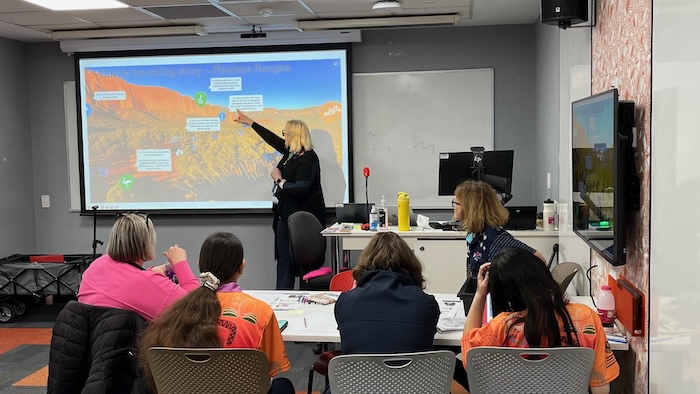
The core philosophy of Experience AI is that young people need to understand how AI systems work—not just how to interact with them. The curriculum covers a wide range of topics, including data collection, model training, neural networks, and the ethical considerations of bias and privacy. By providing teachers with ready-to-use lesson plans, classroom resources, and hands-on activities, the program reduces the barrier to entry for educators who may not have a formal background in computer science.
Strengthening the Australian Educational Landscape
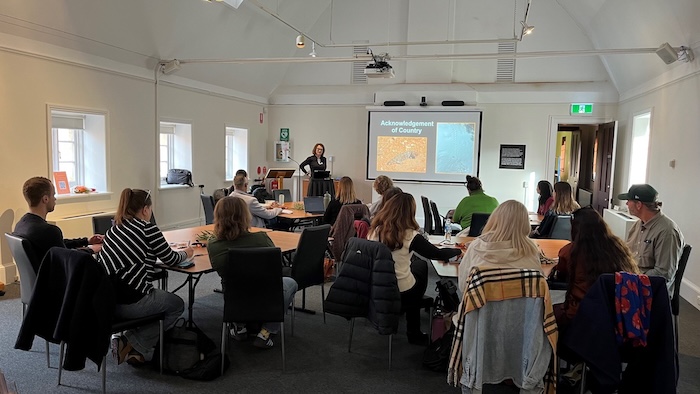
In Australia, the Raspberry Pi Foundation has partnered with the Computer Science Education Research Group (CSER) at the University of Adelaide. CSER is widely regarded as a leader in digital literacy and computer science education, having previously developed successful professional development programs for teachers across the country. This partnership is expected to play a vital role in integrating AI literacy into the existing Australian Curriculum, which has increasingly emphasized digital technologies in recent years.
Professor Katrina Falkner, Pro-Vice-Chancellor of Learning and Teaching at the University of Adelaide, emphasized the importance of teacher-led AI adoption. According to Professor Falkner, providing teachers with the tools to understand AI is essential for helping students develop "self-regulated learning skills." She noted that while AI tools can assist in learning, the "human lens of critical thinking, ethical judgement, and creativity" must remain central to the educational experience. The program in Australia will focus on ensuring that students are not just passive consumers of AI but are prepared for future careers where collaboration with AI will be a standard requirement.
The Australian component of the program will also address the unique challenges faced by rural and regional schools. By leveraging CSER’s existing networks, the initiative aims to reach educators in remote areas, ensuring that the "digital divide" does not widen as AI technology advances. Supporting data suggests that students in regional Australia often have less access to specialized STEM programs; this $1.2 million investment aims to bridge that gap by providing free, high-quality resources to all schools.
Fostering Digital Equity in Aotearoa New Zealand
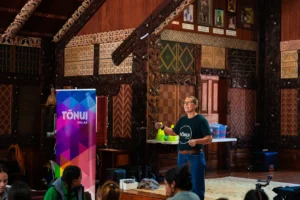
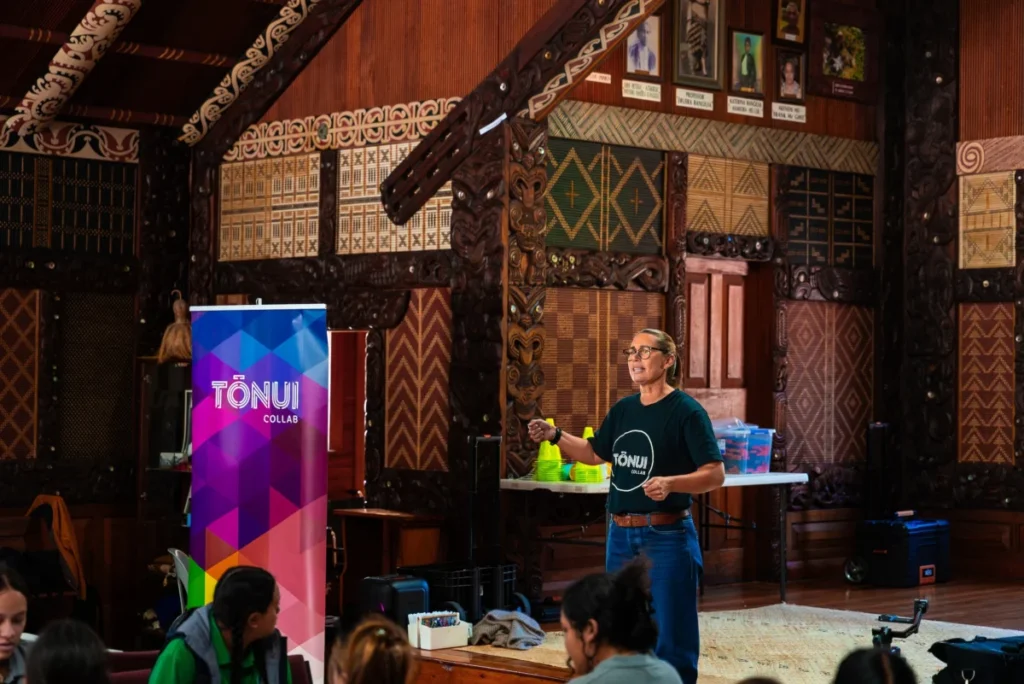
In Aotearoa New Zealand, the initiative has taken a community-centric approach by partnering with the Tōnui Collab Charitable Trust. Tōnui Collab is a Māori-led organization that specializes in creating innovative STEM (Science, Technology, Engineering, and Mathematics) learning opportunities. This partnership is particularly significant as it focuses on "kaupapa" (principles or programs) that are meaningful and relevant to the local context, particularly for "rangatahi" (young people).
Shanon O’Connor, Director of Tōnui Collab, highlighted that the program is about much more than teaching students how to code. A central pillar of the New Zealand expansion is fostering digital equity. O’Connor expressed a commitment to ensuring that the digital divide does not evolve into a "digital chasm" that leaves indigenous and marginalized communities behind. By adapting the global Experience AI curriculum to fit the bicultural framework of Aotearoa, the program will facilitate important conversations about "tech tikanga" (technological customs and protocols) and the collective responsibilities of those who engage with AI.
A key focus for the New Zealand program will be the analysis of data bias. AI systems are only as good as the data they are trained on, and historically, indigenous populations have often been misrepresented or excluded from these datasets. Tōnui Collab intends to create a space for "kōrero" (discussion) regarding how Māori engage with AI and how they can protect their cultural data sovereignty. This emphasis on ethics and social impact ensures that students are equipped to question the outputs of AI and advocate for fairer, more inclusive technological systems.
Chronology of Development and Future Milestones
The timeline for the Experience AI expansion is structured to ensure sustainable growth and long-term impact:
- 2023-2024: Development and global rollout of the Experience AI curriculum by Raspberry Pi Foundation and Google DeepMind.
- Early 2025: Official recognition by UNESCO, signaling the program’s maturity and effectiveness.
- Mid-2025: Launch of the Australia and New Zealand expansion with the announcement of the $1.2 million Google.org funding.
- 2025-2026: Adaptation of resources for local curricula and the commencement of the first wave of teacher training workshops in Adelaide and regional New Zealand.
- 2027: Evaluation of mid-program impact, with adjustments made to training modules based on educator feedback.
- 2028: Target achievement of 5,000 trained educators and 150,000 reached students across the region.
This structured approach allows the program to build deep roots within the local educational infrastructure. By training teachers rather than just providing one-off workshops for students, the Raspberry Pi Foundation ensures that the knowledge remains within the schools, creating a "multiplier effect" that will continue to benefit students long after the initial funding period.
Analysis of Broader Implications and Industry Impact
The investment by Google.org and the involvement of the Raspberry Pi Foundation reflect a broader industry recognition that the AI talent pipeline must begin in primary and secondary education. As AI continues to disrupt industries ranging from healthcare to finance, the demand for "AI-literate" workers is skyrocketing. However, literacy in this context does not only mean technical proficiency; it refers to the ability to work alongside AI, understand its limitations, and oversee its ethical application.
From an economic perspective, the Oceania region stands to gain significantly from an AI-ready workforce. A recent report on the digital economy in Australia suggested that AI could contribute billions to the national GDP over the next decade, provided there is a workforce capable of implementing it. By targeting 150,000 students, this initiative is a direct investment in the future economic resilience of both Australia and New Zealand.
Furthermore, the focus on ethical AI and bias serves as a necessary safeguard. As AI models are increasingly used for decision-making in public services, law enforcement, and hiring, the public must be able to hold these systems accountable. By educating young people on the mechanics of algorithmic bias today, the program is essentially training the ethical auditors and responsible developers of tomorrow.
The partnership also underscores the importance of public-private-academic collaborations. By combining the philanthropic reach of Google.org, the educational expertise of the Raspberry Pi Foundation, the academic rigor of the University of Adelaide, and the cultural leadership of Tōnui Collab, the initiative creates a robust ecosystem for educational reform.
Looking Ahead: The Path to 2028
As the Experience AI program begins its rollout in the region, the focus will remain on accessibility. All resources provided through the program are free of charge, a crucial factor for schools with limited budgets. The Raspberry Pi Foundation and its partners have invited educators across Australia and Aotearoa New Zealand to engage with the program via the dedicated portal at experience-ai.org.
The ultimate goal of this expansion is to empower young people to not just navigate a world shaped by AI, but to actively participate in shaping it. By demystifying the technology and placing it in the hands of students and teachers, the initiative seeks to transform AI from a "black box" into a transparent and versatile tool for social and personal growth. As the 2028 deadline approaches, the success of this program will likely be measured not just by the number of students reached, but by the confidence and critical awareness they bring to their future roles in society.