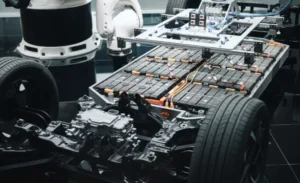
Modern manufacturing increasingly relies on advanced adhesives, transforming them from simple assembly aids into indispensable structural components across a multitude of industries. From the intricate assemblies of automotive and electric vehicle (EV) production to the robust construction of appliances, building products, and industrial equipment, adhesives are pivotal. Their evolution underscores a fundamental shift in design and assembly methodologies, enabling manufacturers to achieve benefits previously unattainable with traditional fastening methods like welding or mechanical fasteners. These advantages include significant weight reduction, enhanced corrosion resistance, superior noise and vibration dampening, improved crash performance, and the critical ability to bond dissimilar materials that conventional techniques cannot join effectively.
The global industrial adhesives market, valued at approximately $50 billion in 2023, is projected to grow at a compound annual growth rate (CAGR) of over 5% in the coming years, indicating the accelerating adoption of these materials. This growth is particularly pronounced in sectors undergoing rapid innovation, such as electric vehicles, where adhesives are crucial for battery pack assembly, structural integrity, and thermal management, and in aerospace, where lightweight composites necessitate sophisticated bonding solutions. This widespread integration, however, brings a new layer of complexity to manufacturing processes: achieving consistent, repeatable robotic dispensing performance, a challenge that remains both familiar and frustrating for engineers worldwide.
The Strategic Ascent of Adhesives in Contemporary Production
The reasons behind the steady replacement of fasteners and welds with structural adhesives are multifaceted and compelling. Unlike spot welds or rivets, which concentrate stress loads at specific, localized points, adhesives distribute forces across a much larger surface area. This fundamental difference significantly improves the overall structural performance and durability of the finished product. The ability to join dissimilar materials—such as lightweight aluminum with high-strength steel, advanced composites with plastics—is another game-changer. This capability is vital for multi-material designs aimed at reducing overall assembly weight, a critical factor for fuel efficiency in traditional vehicles and extended range in EVs. Furthermore, adhesives can create hermetic seals, enhancing product integrity against environmental factors, and offer aesthetic advantages by eliminating visible fasteners and smooth surfaces.
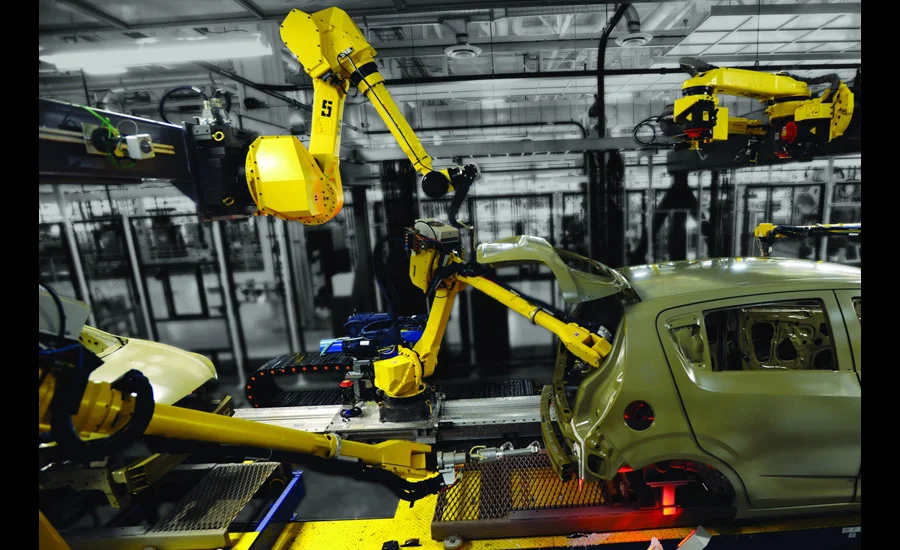
The automotive sector, for instance, has embraced structural adhesives to meet stringent crash safety standards and achieve ambitious weight reduction targets. A typical modern car can contain dozens of meters of adhesive beads, contributing to chassis rigidity and occupant protection. In the aerospace industry, the bonding of composite panels for aircraft fuselages and wings relies heavily on advanced adhesives to ensure structural integrity while minimizing weight, directly impacting fuel consumption and operational costs. Even in consumer electronics, adhesives enable the miniaturization of components and water resistance in devices, showcasing their versatility across a vast spectrum of applications. As adhesive use continues to expand, the quality and precision of their application directly contribute to overall product quality, manufacturing efficiency, and uninterrupted uptime on the assembly line, making dispensing a mission-critical process.
The Intricacies of Automated Dispensing: A Persistent Enigma
Despite significant advancements in robotics and automation technologies, adhesive dispensing persists as one of the more challenging manufacturing processes to control with unwavering consistency. Engineers and production managers responsible for robotic dispense applications frequently encounter a range of symptoms indicative of underlying issues: inconsistent bead width and height, incomplete material deposition, undesirable stringing or tailing at the end of a dispense path, and variable material flow rates during changes in robot speed or direction. These issues, if left unaddressed, can lead to costly rework, increased scrap rates, and ultimately, compromised product quality and reliability.
The root cause of these challenges often lies not solely with the adhesive material itself, but in how dispensing systems interact with these dynamic substances. Adhesives, particularly those used in structural applications, are typically non-Newtonian fluids. Unlike idealized Newtonian fluids whose viscosity remains constant regardless of shear rate, non-Newtonian adhesives exhibit viscosity changes under shear stress. This means their flow characteristics can vary significantly depending on how quickly they are being pumped or dispensed. Furthermore, adhesives are compressible to a meaningful degree, allowing them to store and release energy as pressure fluctuates throughout the dispensing system. This compressibility introduces a dynamic element that traditional control systems struggle to manage precisely.
Key material properties—such as viscosity, density, and compressibility—are not static; they continuously change due to a variety of factors inherent to the material and its environment. These factors include temperature fluctuations, which can drastically alter viscosity; variations in humidity, affecting material cure times and surface adhesion; the age of the adhesive batch; and even slight chemical differences between batches. The shear rate applied during pumping and dispensing also induces changes in viscosity. These continuous and often unpredictable changes make it exceedingly difficult for conventional control systems to maintain a consistent material flow, leading to the erratic dispensing performance observed on the production floor.

The Real Root Cause: Dispense Architecture as a Systemic Flaw
A significant portion of the challenge in achieving consistent adhesive dispensing can be attributed to the architecture of many conventional robotic dispense systems. A common setup involves a remotely mounted metering pump connected to a dispense valve via a lengthy hose. While seemingly straightforward, this arrangement introduces a profound control challenge that stems from fundamental principles of fluid dynamics and control theory.
The volume of adhesive contained within the hose between the metering pump and the dispense valve behaves remarkably like a shock absorber in a vehicle suspension system. Just as a shock absorber’s behavior is defined by its spring, damping, and mass characteristics, an adhesive dispense system is influenced by material compressibility and hose stretch (acting as the spring), viscosity (providing damping), and density (representing mass). When changes in robot speed or required bead size necessitate alterations in the adhesive flow rate, pressures throughout the entire system must also adjust accordingly. However, instead of transmitting these pressure changes instantaneously, the adhesive within the hose compresses, storing energy, and then releases it later, creating a delayed and often oscillating response. Concurrently, the material’s viscosity changes with operating conditions and shear rate, further altering the system’s damping characteristics in real-time. The net result is a response that is neither instantaneous nor entirely predictable. This system introduces significant delay, damping, and compliance between the commanded flow rate from the metering pump and the actual volume of material exiting the nozzle.
In control-system terminology, this scenario means the relationship between the input command (desired flow rate) and the output (actual material dispensed) becomes distorted and non-linear. As the volume of adhesive between the metering point and the dispense point increases, the system deviates further from behaving like a true positive-displacement process. Instead, it begins to exhibit characteristics more akin to a time-pressure dispensing system, where material compressibility and dynamic pressure variations increasingly dominate and destabilize the process. Industry experts, such as Dr. Eleanor Vance, a leading researcher in advanced manufacturing systems, often highlight that "the further the metering unit is from the point of application, the more control authority is lost to the inherent dynamics of the fluid delivery path." This architectural flaw is not a programming error; it is a direct consequence of physics.
The outcome of this systemic flaw is a list of familiar problems for many manufacturing engineers: inconsistent startup behavior where the initial bead is often incorrect, undesirable tailing or stringing of material at the end of a dispense, significant bead variation when navigating corners or complex geometries, and reduced responsiveness when the robot undergoes rapid speed changes. These issues contribute to increased scrap, rework, and ultimately, higher manufacturing costs and reduced overall equipment effectiveness (OEE).
Traditional Solutions and Their Inherent Limitations
Historically, manufacturers have attempted to mitigate dispensing inconsistency through two primary strategies, often with limited success. The first approach involves tightening adhesive specifications. By demanding stricter tolerances on material properties from suppliers, manufacturers aim to reduce batch-to-batch variation. While this can offer some improvement, it inevitably leads to increased material costs due to more rigorous quality control and specialized manufacturing processes for the adhesive. Moreover, it cannot fully eliminate the natural, intrinsic variability that exists in complex adhesive chemistries, which are susceptible to environmental factors and aging.
The second common approach has been to engineer around the problem through increasingly complex control systems, heated equipment to stabilize viscosity, larger and more robust dispense architectures, and continuous, laborious process tuning. This often involves integrating sophisticated sensors, developing intricate algorithms, and employing technicians dedicated to constantly monitoring and adjusting dispense parameters. For example, some systems might use feedback loops attempting to compensate for pressure drops or temperature changes. Others might oversize pumps and hoses to minimize the impact of slight variations.
While these strategies can yield some performance improvements, they frequently increase the overall complexity and cost of the dispensing system without fundamentally addressing the underlying source of instability—the dynamic interaction between the material and the dispense architecture. As a result, engineering teams often find themselves in a reactive mode, constantly responding to changing process conditions rather than maintaining true, predictive control. Many operations reach a point where skilled technicians are perpetually adjusting dispense parameters and compensating for shifting material behavior simply to maintain what is deemed an "acceptable" level of production quality, rather than achieving optimal, consistent results. This continuous tuning is not only expensive but also introduces human variability into a process intended to be automated and precise.
A Paradigm Shift: Designing for Inherent Variability Tolerance

A growing number of forward-thinking manufacturers are now adopting a fundamentally different philosophy. Instead of attempting to eliminate material variability—a Sisyphean task given the nature of adhesives—they are redesigning dispense systems to be inherently tolerant of it. This philosophical shift recognizes a simple, undeniable reality: adhesives will always exhibit some degree of variation. The objective, therefore, is to minimize the impact these inherent changes have on dispensing performance, moving from a reactive "fight against variability" to a proactive "design for variability."
This new approach is informed by advancements in mechatronics, sensor technology, and real-time process control. Several key design principles are becoming increasingly important for achieving this inherent tolerance:
- Minimizing Material Volume in the Dispense Path: The most critical principle is to significantly reduce the volume of adhesive material contained between the metering point and the dispense nozzle. This minimizes the "shock absorber" effect, reducing material compressibility and pressure dynamics that distort flow.
- Shortening and Optimizing Hose Length: By drastically reducing the length and, where possible, the internal diameter of the hose connecting the metering unit to the valve, system compliance and damping effects are mitigated. This ensures that pressure changes are transmitted more directly and rapidly.
- Integrating Metering Closer to the Nozzle: The ideal scenario involves placing the metering pump as close to the dispense valve as possible, or even integrating it directly into the dispense head. This "point-of-application metering" ensures that the commanded flow rate from the pump translates almost immediately into material exiting the nozzle, minimizing delays and variations. Technologies like positive displacement pumps directly integrated into the robot end-effector exemplify this principle.
- Implementing Closed-Loop Control with Real-Time Feedback: Advanced systems utilize sensors at or near the nozzle to measure actual flow rate, pressure, or bead geometry in real-time. This feedback is then used by a sophisticated control algorithm to make instantaneous adjustments to the metering pump, compensating for any material property changes or environmental influences. This moves beyond simple open-loop control to a truly adaptive system.
- Developing More Sophisticated Material Handling Components: Innovation in pump designs, valve technologies, and nozzle geometries also plays a role. Components designed for minimal dead volume, reduced shear stress, and improved material flow characteristics contribute to overall system stability.
By strategically reducing the system’s sensitivity to changing material properties, manufacturers can achieve significantly more consistent and repeatable dispensing performance without the constant need for manual intervention or complex, reactive tuning. This paradigm shift, evolving over the past decade with the maturation of industrial IoT and advanced robotics, represents a maturation of automated dispensing technology.
Tangible Impacts on the Production Floor
For manufacturers, the benefits of designing for variability extend far beyond merely achieving a consistent bead quality. More stable and predictable dispensing behavior translates into a cascade of positive impacts across the entire production floor:
- Superior Product Quality and Reliability: Consistent bead geometry, precise material deposition, and reliable bonding translate directly into higher quality finished products with improved structural integrity and longer service life. This reduces warranty claims and enhances brand reputation.
- Reduced Material Waste and Scrap: Eliminating inconsistent startup, tailing, and bead variation significantly reduces the amount of scrapped parts and rework required. Industry estimates suggest that optimizing dispensing processes can lead to a 10-20% reduction in material waste, representing substantial cost savings, particularly with expensive structural adhesives.
- Increased Uptime and Manufacturing Efficiency: A stable process requires less intervention, leading to fewer production stoppages for adjustments, cleaning, or troubleshooting. This boosts overall equipment effectiveness (OEE) and throughput, as robots can operate continuously at their designed speeds without interruption.
- Lower Maintenance Costs and Effort: Less reactive tuning means technicians can focus on preventative maintenance rather than constantly reacting to problems. Equipment designed for inherent stability also tends to be more robust and experiences less wear and tear from constant compensatory adjustments.
- Faster Product Development and Validation: With a more predictable dispensing process, new product designs and material qualifications can be validated more quickly and with greater confidence. This accelerates time-to-market for innovative products.
- Enhanced Serviceability: In adhesive applications, wear, contamination, and the eventual hardening of material are unavoidable realities. Equipment designed with ease of maintenance and rapid servicing in mind helps transform many potential downtime events into routine, scheduled maintenance activities, further bolstering uptime.
- Improved Workplace Safety: A more controlled process reduces exposure to potentially hazardous materials during manual adjustments or cleanup of inconsistent applications.
The cumulative effect of these improvements is a manufacturing process that behaves more like a controlled, engineered system and less like a constantly shifting, unpredictable variable. This predictability empowers manufacturers to achieve higher levels of automation, optimize resource utilization, and deliver superior products consistently.
Looking Forward: The Future of Adhesive Dispensing
As manufacturers continue their inexorable adoption of lightweight materials, advanced battery technologies, sophisticated composites, and innovative bonding methods, the reliance on structural adhesives will only intensify. The industry’s next major challenge is not merely discovering more ways to integrate adhesives into products, but rather creating dispensing technologies that are inherently capable of handling these diverse and dynamic materials with consistent precision and efficiency.
The most successful dispensing systems of the future will not be those that attempt to force perfect consistency from inherently variable materials through brute force or excessive complexity. Instead, they will be systems meticulously designed to accommodate and manage that variability through intelligent architecture, advanced sensor integration, and adaptive control algorithms. This means a continued push towards miniaturization of dispensing components, greater integration of metering closer to the point of application, and the development of AI-driven predictive maintenance and process optimization. Collaboration between adhesive chemists, robotics engineers, and control system specialists will be paramount in realizing these next-generation solutions. The future of advanced manufacturing hinges on this continued evolution, ensuring that the critical role of adhesives is supported by equally critical, precise, and robust dispensing technologies.