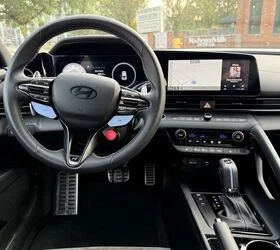
Hyundai has filed a patent with the U.S. Patent & Trademark Office that proposes building a breathalyzer system directly into the car from the factory. This innovative approach aims to integrate alcohol detection seamlessly into the vehicle’s design, moving beyond the cumbersome aftermarket solutions currently available. The system is envisioned to be discreetly housed within the steering wheel, offering a more hygienic and aesthetically pleasing alternative to traditional ignition interlock devices. This development raises significant questions about the future of in-car safety technology, privacy concerns, and the potential for mandatory alcohol detection systems in all vehicles.
The Evolution of In-Car Alcohol Detection
For decades, in-car breathalyzers have primarily served as a deterrent for repeat DUI offenders, often mandated by court orders. These existing systems, commonly known as ignition interlock devices (IIDs), require drivers to blow into a tube to measure their blood alcohol content (BAC) before the vehicle will start. While effective in their primary purpose, these aftermarket devices are widely criticized for being intrusive, unappealing in terms of design, and susceptible to various issues.
The limitations of current IIDs are manifold. They are often bulky and can detract significantly from a vehicle’s interior aesthetics, a point explicitly mentioned in Hyundai’s patent filing. Furthermore, these devices can be prone to contamination from prolonged exposure to varying car temperatures and are not always user-friendly, sometimes requiring calibration or specific blowing techniques that can be frustrating. Tampering with aftermarket IIDs is also a known concern, undermining their effectiveness.
Hyundai’s patented system represents a significant leap forward by aiming to embed this technology directly into the vehicle’s manufacturing process. This factory-integration approach promises a cleaner, more sophisticated solution that aligns better with modern automotive design and functionality. The core idea is to make alcohol detection a standard, unobtrusive feature rather than an add-on, potentially paving the way for broader adoption and enhanced safety measures across the automotive industry.
A Breath of Fresh Air: The Steering Wheel Sensor
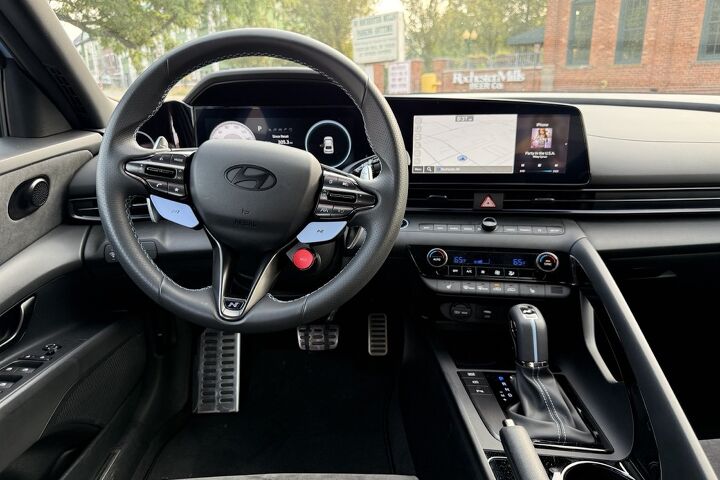
The proposed system, as detailed in the patent documents uncovered by CarBuzz, is ingeniously integrated into the steering wheel. Drawings accompanying the patent reveal a small flap located on the lower spoke of the steering wheel. This flap is designed to open to allow the driver to provide a breath sample and then close to protect the internal sensor when not in use. This design ensures the sensor remains shielded from dust and debris, contributing to its longevity and accuracy.
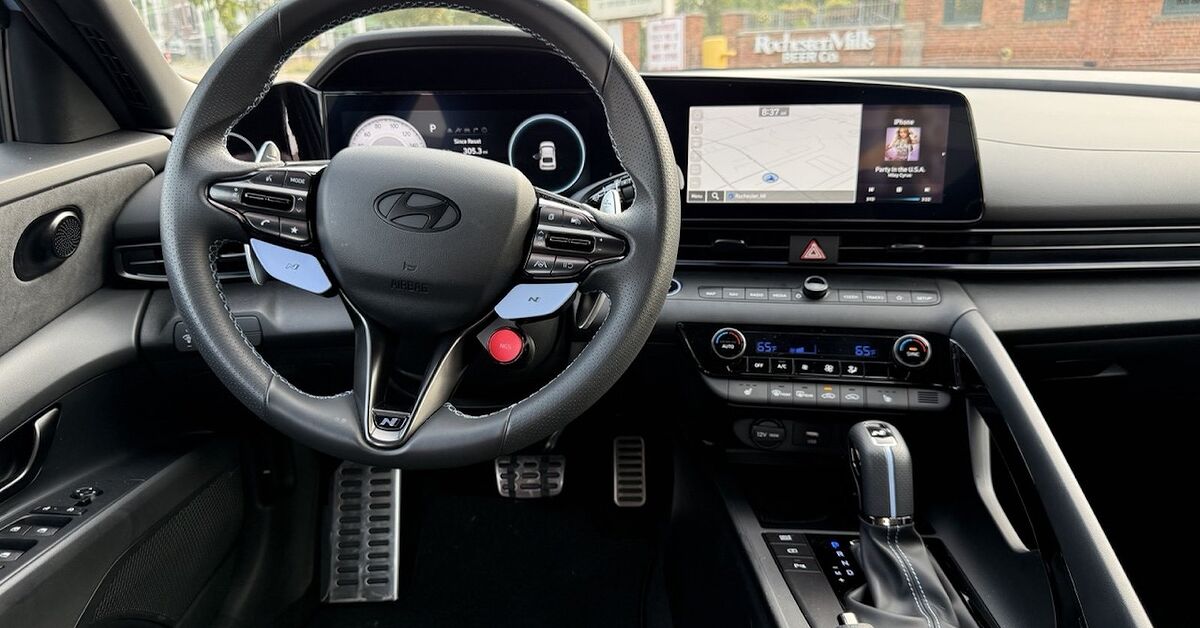
Inside the steering wheel, a miniature fan would draw air through the opened flap to an advanced alcohol sensor. The system also incorporates an air outlet to efficiently expel the breath sample and a drain mechanism. This drain is crucial for venting any moisture that may accumulate during the breath analysis process, thereby preventing the growth of mold and ensuring the hygienic operation of the device.
The detection mechanism itself relies on conventional breath alcohol sensing technology. The sensor measures the concentration of alcohol in the driver’s breath. If the detected BAC exceeds a predetermined legal limit, the vehicle’s ignition system will be disabled, preventing the car from starting. A key advantage highlighted by Hyundai is that the driver’s mouth never comes into direct contact with any part of the car’s interior during the test. This eliminates hygiene concerns associated with shared breathalyzer tubes and, according to Hyundai, simplifies servicing for mechanics compared to the current bolt-on units.
Beyond BAC: Monitoring Driving Patterns
What sets Hyundai’s patent apart from standard ignition interlocks is its potential for more sophisticated monitoring. Beyond simply checking for alcohol before a drive, the system could be programmed to analyze driving patterns. The patent suggests that the vehicle would monitor for "a driving pattern of the vehicle that is predetermined to be a careless driving pattern." This could include erratic steering, sudden acceleration or braking, or other behaviors indicative of impaired or inattentive driving.
If such a pattern is detected, the system could then prompt the driver to provide another breath sample. This feature is particularly noteworthy, as it moves the breathalyzer from a pre-drive check to a dynamic, in-drive safety measure. Drivers who have experienced modern Hyundai vehicles’ sensitivity to drowsy driving alerts might envision how such a system could be triggered on challenging roads, potentially leading to frequent breath tests even for sober drivers.
Furthermore, the patent details a facial monitoring component. This would involve cameras integrated into the vehicle to observe the driver’s face. The system could be used to detect if there’s a change in who is operating the vehicle, or if someone other than the driver is attempting to provide a breath sample (e.g., a passenger leaning over). If the system detects such a scenario, it could demand a new test or invalidate the current reading. This addresses common circumvention techniques used with older IIDs, such as having a sober passenger blow into the device.
Implications for the Automotive Industry and Consumers
While a patent filing is not a definitive product roadmap, it signifies Hyundai’s exploration and development of such technologies. The company’s initiative suggests a potential future where integrated alcohol detection becomes a standard feature in vehicles, driven by safety mandates or evolving consumer expectations.
The broader implications of such a widespread adoption of built-in alcohol detection are significant and far-reaching. Safety advocates would likely champion such systems as a crucial tool in reducing alcohol-impaired driving fatalities and injuries. According to the National Highway Traffic Safety Administration (NHTSA), drunk driving claimed 13,384 lives in 2022 in the United States alone. Technologies that can effectively prevent impaired drivers from operating vehicles could dramatically improve road safety.
However, the development also raises substantial privacy concerns. The constant monitoring of breath and driving behavior, coupled with facial recognition, could be viewed as an invasion of privacy by some consumers. The potential for misuse of this data, or for the system to be overly intrusive and inconvenient, could lead to significant public backlash and legal challenges. Privacy advocates would likely scrutinize the data collection, storage, and usage policies associated with such technologies.
The legal landscape surrounding mandatory in-car alcohol detection is also complex. While some jurisdictions have mandated IIDs for convicted DUI offenders, a universal mandate for all new vehicles would represent a substantial shift in automotive regulation and personal freedom. This would likely involve extensive debate and lobbying efforts from various stakeholders, including automotive manufacturers, consumer advocacy groups, safety organizations, and legal professionals.
For automotive manufacturers, integrating such complex systems presents engineering challenges and cost considerations. The development and implementation of reliable, accurate, and user-friendly breathalyzer technology within the confines of a steering wheel require significant R&D investment. Moreover, ensuring that these systems are not easily bypassed or prone to false positives would be critical for consumer acceptance and regulatory approval.

The "careless driving pattern" detection, while aimed at enhancing safety, could also be a source of contention. The definition of "careless driving" can be subjective, and drivers might fear being penalized for normal driving behaviors on challenging roads or in unexpected situations. Hyundai’s experience with its current drowsy-driving alerts, which have sometimes been criticized for being overly sensitive, provides a potential indicator of how such systems might be perceived by the public.
Ultimately, Hyundai’s patent filing highlights a critical juncture in automotive safety technology. The company is positioning itself at the forefront of developing sophisticated, integrated solutions for a persistent societal problem. The success and public acceptance of such a system will depend on a delicate balance between enhanced safety, consumer privacy, and technological reliability. The journey from patent to production is often long and complex, but this development undeniably signals a potential future where our cars are not only connected but also actively monitoring our sobriety. The industry, regulators, and the public will be watching closely as this technology evolves and its implications unfold.