Snapmaker, a prominent manufacturer of modular 3D printers and fabrication tools, has officially entered the competitive landscape of digital asset management with the launch of its new 3D model repository, Snapmaker Space. Currently in its open beta phase, the platform represents a strategic pivot for the company, moving beyond hardware manufacturing to cultivate a comprehensive software and community ecosystem. The repository debuts with a curated library of 2,500 high-quality models, signaling Snapmaker’s intent to compete with established giants such as Prusa Research’s Printables and Bambu Lab’s MakerWorld. This move highlights a growing trend in the additive manufacturing industry where hardware sales are increasingly tied to the strength of the accompanying digital ecosystem.
The Strategic Launch of Snapmaker Space
The introduction of Snapmaker Space comes at a time when the 3D printing community is experiencing a saturation of model-sharing platforms. For years, Thingiverse remained the undisputed, albeit aging, king of the hill, until the arrival of Printables and later MakerWorld forced a modernization of how digital files are hosted and shared. Snapmaker’s entry into this space is not merely a reactionary move but a calculated effort to leverage its specific hardware strengths.
Snapmaker has built its reputation on versatile, multi-functional machines—most notably its 3-in-1 systems that combine 3D printing, laser engraving, and CNC carving. However, with the recent release of the Snapmaker J1 and the Artisan series, the company has leaned heavily into high-speed, multi-material, and multi-color 3D printing. Snapmaker Space is designed to be the digital flagship for these capabilities. By offering a repository that prioritizes complex, multi-colored models, the company aims to provide its users with content that justifies the sophisticated hardware they have purchased.
Chronology of the Maker Ecosystem Evolution
To understand the significance of Snapmaker Space, one must look at the timeline of the 3D printing repository market. In the early 2010s, MakerBot’s Thingiverse was the primary destination for makers. However, as the industry matured, the demand for better user interfaces, creator incentives, and file integrity grew.
In 2019, Prusa Research launched PrusaPrinters (later rebranded to Printables), which introduced a robust "Prusameters" reward system that successfully incentivized high-quality uploads. In 2023, Bambu Lab launched MakerWorld, which integrated deeply with their proprietary slicing software and mobile apps, creating a seamless "one-click print" experience.
Snapmaker’s timeline of development follows a similar trajectory of maturation. Founded in 2016 following a highly successful Kickstarter campaign, the company initially focused on the hardware engineering of its modular systems. By 2024, the company recognized that hardware alone was no longer a sufficient moat. The launch of Snapmaker Space in late 2024 (beta) marks the beginning of their "ecosystem era," where software, community, and hardware are treated as a singular, integrated product.
Supporting Data and Platform Features
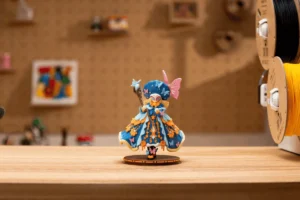
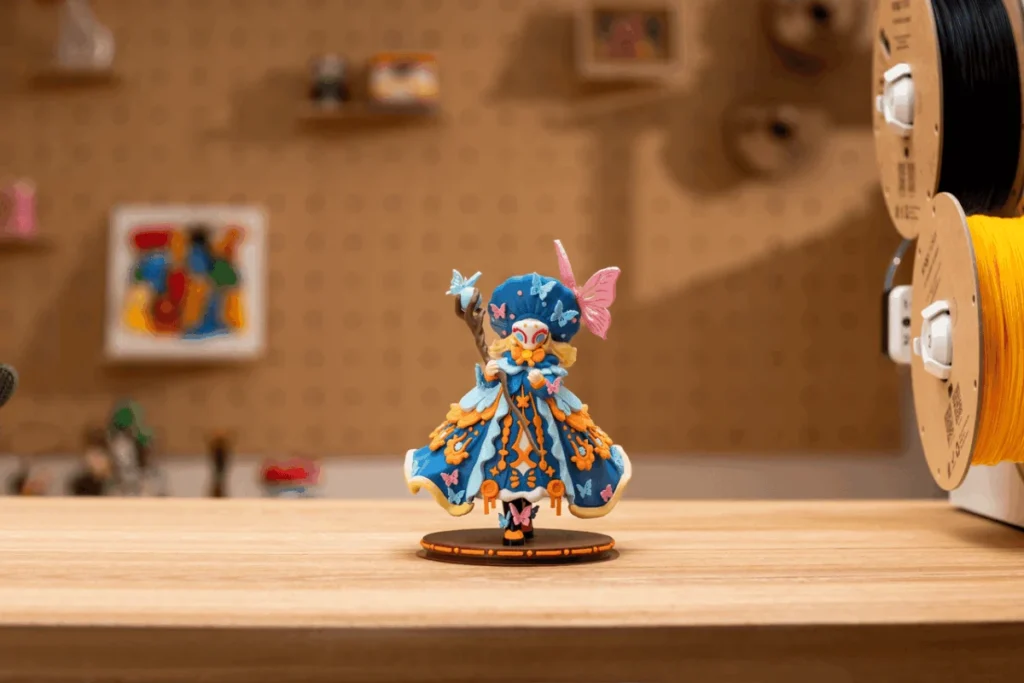
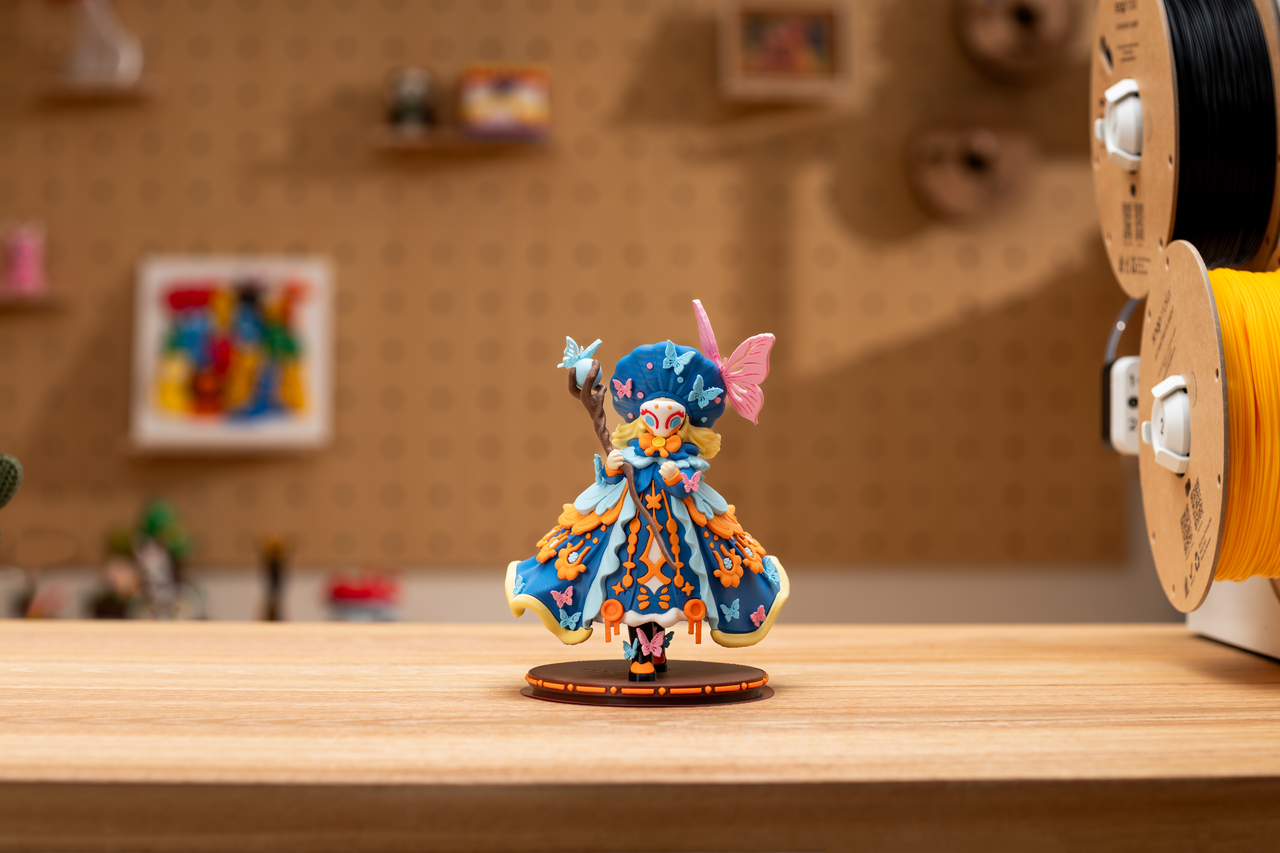
At the time of its beta launch, Snapmaker Space hosted 2,500 models. While this number is small compared to the millions on Thingiverse or the hundreds of thousands on Printables, Snapmaker is prioritizing quality over quantity. The initial collection features intricate designs, such as the "Night Elf" model shared by user @SUN3D, which demonstrates the platform’s focus on high-fidelity, multi-color aesthetics.
A key feature of the platform is its incentive structure. Like its predecessors, Snapmaker Space employs a reward points system to encourage community engagement. However, Snapmaker has added a specific "purpose" to its repository:
- Viral Incentives: Contributors whose designs achieve high engagement and "viral" status are eligible for reward points that can be redeemed for hardware, accessories, or filaments.
- Multi-Color Focus: In a clear nod to their J1 and Artisan users, Snapmaker offers extra reward points for designs that utilize multiple colors or materials. This encourages creators to design specifically for Independent Dual Extruder (IDEX) systems or multi-material units.
- Cross-Platform Accessibility: While optimized for Snapmaker machines, the files are standard formats (STL, 3MF), ensuring the repository remains accessible to the broader 3D printing community, thereby increasing the platform’s traffic and SEO footprint.
Technical Context: Hardware Synergy
The "purpose" behind Snapmaker Space is deeply rooted in the technical specifications of Snapmaker’s current hardware lineup. The Snapmaker J1, for instance, utilizes an IDEX system, allowing for two different materials or colors to be printed simultaneously without the waste associated with single-nozzle purge blocks.
Historically, finding high-quality multi-material files has been a challenge for users. Most models on legacy repositories are designed for single-extruder machines. By incentivizing the creation of multi-part or multi-color STLs, Snapmaker is solving a "content gap" for its power users. This synergy between the repository and the hardware capabilities (like the Artisan’s large build volume and the J1’s precision) is intended to create a feedback loop that drives both machine sales and platform growth.
Official Responses and Industry Reactions
While official statements from Snapmaker emphasize the "community-first" approach, industry analysts view the move as a necessary step for brand survival in the "Post-Bambu" era of 3D printing. A spokesperson for Snapmaker noted during the announcement that the platform is intended to "empower users to explore the full potential of their machines," suggesting that the repository is as much a tutorial and inspiration tool as it is a file host.
Market analysts suggest that the "reward points" economy is becoming a standard expectation for makers. "Creators are no longer content to host their intellectual property for free," says digital fabrication consultant Marcus Thorne. "By offering tangible rewards for viral content, Snapmaker is acknowledging that the value of their printers is inextricably linked to the quality of the models available to print on them."
Feedback from the open beta participants has been largely positive, specifically regarding the user interface, which avoids the cluttered advertisements found on older sites. However, some community members have expressed concerns about "repository fatigue," questioning whether the maker community is willing to manage another account on another platform.

Broader Impact and Implications for the Maker Community
The launch of Snapmaker Space has several implications for the broader 3D printing industry. First, it reinforces the trend of "vertical integration." Much like Apple or Tesla, 3D printer manufacturers are seeking to control the entire user journey—from the moment a user thinks of an idea (the repository), to the preparation of the file (the slicer), to the physical creation (the printer).
Data and Telemetry
By hosting their own repository, Snapmaker gains invaluable data on what their customers are printing. This "telemetry of interest" allows the company to tailor its future hardware development to meet actual user trends. If the data shows a surge in large-scale functional prints, future machines may prioritize build volume and torque. If artistic multi-color models dominate, the focus may shift to nozzle precision and color-blending technology.
The Competition for Creators
The "war for creators" is intensifying. As Snapmaker, Bambu Lab, and Prusa Research all vie for the top designers, the creators themselves stand to benefit. The competition for high-quality models means that designers can now "shop" their models to the platform that offers the best rewards or the most engaged audience. This could lead to a professionalization of 3D design for hobbyist printing, where top-tier creators earn a living through platform-specific incentives and "exclusive" model drops.
Standardization vs. Fragmentation
Conversely, the proliferation of manufacturer-specific repositories could lead to a fragmented ecosystem. If certain high-quality models are only available on Snapmaker Space or MakerWorld, the "open source" spirit of the early RepRap movement may continue to erode. However, Snapmaker appears to be balancing this by keeping the beta open and the files compatible with non-proprietary slicers, at least for the time being.
Conclusion and Future Outlook
Snapmaker Space is more than just a website for downloading STL files; it is a strategic infrastructure project designed to solidify Snapmaker’s position as a premium provider in the desktop fabrication market. By focusing on multi-color capabilities and rewarding high-quality contributions, Snapmaker is attempting to curate a "boutique" experience that contrasts with the overwhelming and often uncurated nature of older repositories.
As the platform moves out of beta, the industry will be watching to see if Snapmaker can maintain the momentum of its 2,500-model start. The success of Snapmaker Space will ultimately depend on whether it can foster a genuine community of designers who see the platform not just as a place to host files, but as a place to push the boundaries of what modular, multi-material 3D printing can achieve. In the rapidly evolving world of digital manufacturing, Snapmaker has bet that the future of hardware is, ironically, digital.