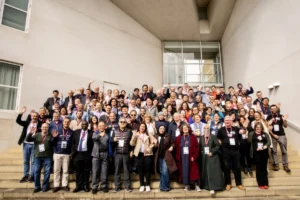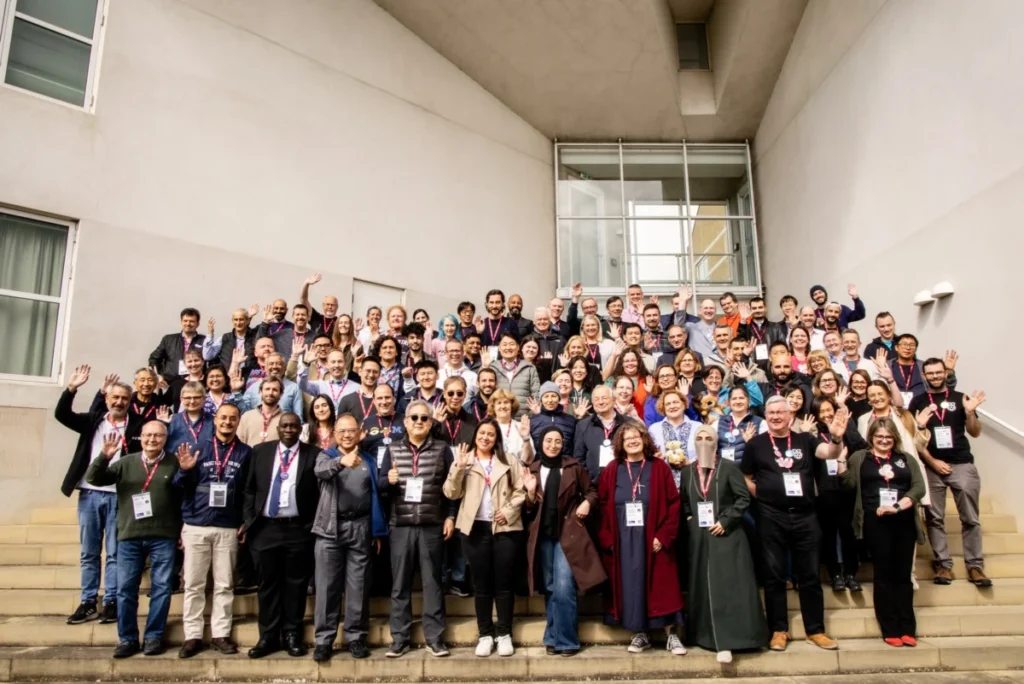
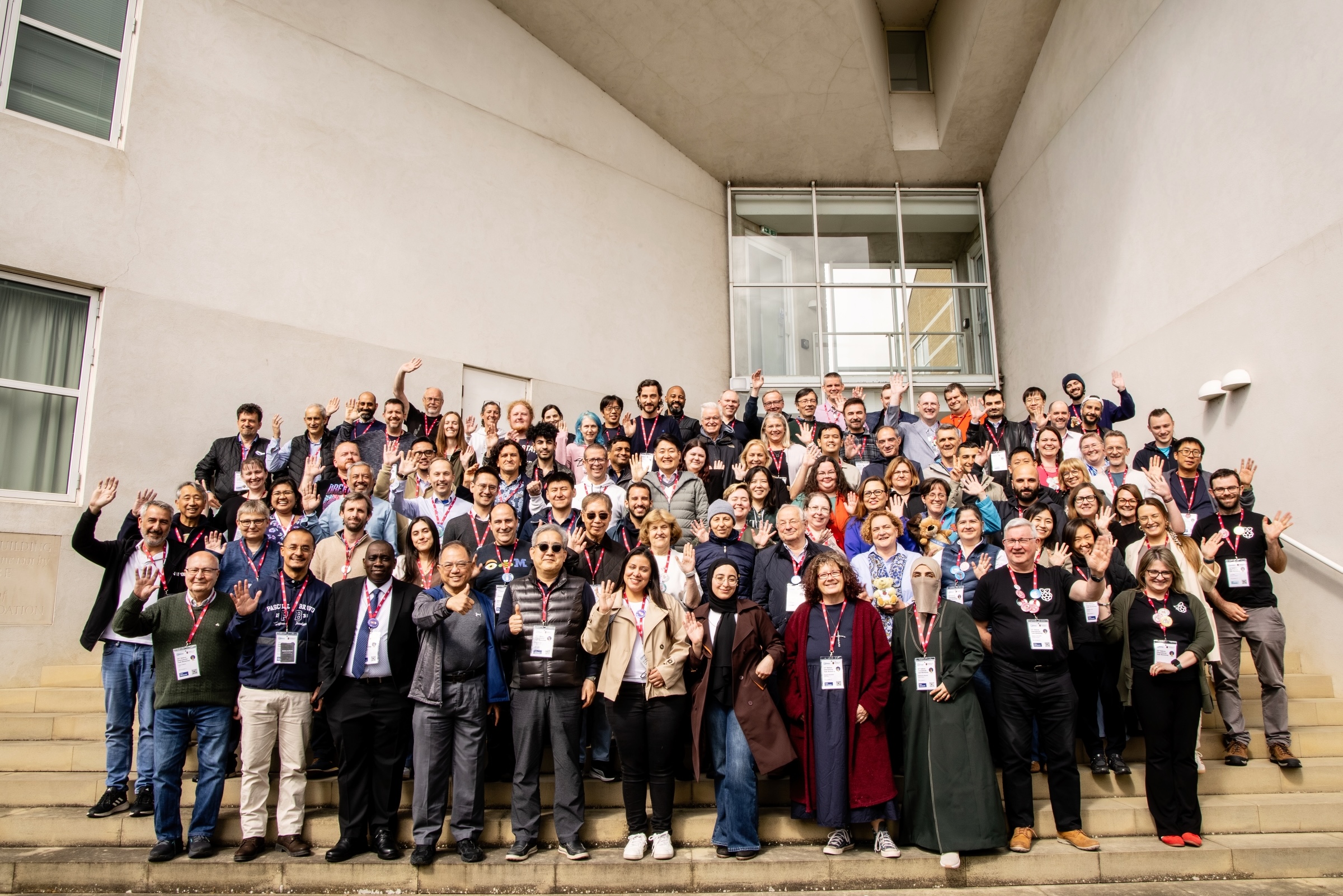
The city of Cambridge, England, recently served as the epicenter for international computer science education as it hosted the 22nd Bebras International Task Workshop from May 10 to May 15. Organized by the Raspberry Pi Foundation in its capacity as the national coordinator for the UK Bebras Challenge, the event brought together a diverse cohort of 101 delegates representing 61 countries. This annual summit is the cornerstone of the Bebras community’s efforts to develop, review, and finalize the computational thinking tasks that will challenge millions of students worldwide in the coming years. The primary objective of the 2024 workshop was the rigorous vetting of proposed tasks for the 2026 international challenge cycle, ensuring that the pedagogical quality and accessibility of the competition remain at the highest possible level.
The Strategic Importance of Computational Thinking in Modern Education
The Bebras Challenge, named after the Lithuanian word for "beaver," was founded in 2004 by Professor Valentina Dagienė with the goal of promoting informatics and computational thinking among school-aged children. Unlike traditional coding competitions, Bebras focuses on the underlying logic and problem-solving strategies that inform computer science. These include decomposition—breaking down complex problems into smaller, manageable parts; pattern recognition—identifying similarities and trends; abstraction—filtering out unnecessary details to focus on core mechanics; and algorithmic thinking—developing step-by-step solutions.
As digital literacy becomes a prerequisite for participation in the modern economy, the Bebras Challenge has grown from a regional initiative into a global movement. In 2025, more than 4 million students aged 6 to 19 participated across 78 countries. In the United Kingdom alone, 526,000 participants engaged with the challenge, reflecting a significant appetite for computer science education that transcends the traditional classroom environment. The Cambridge workshop serves as the quality control mechanism for this massive educational undertaking, ensuring that every task presented to a student is scientifically sound and educationally effective.
Chronology and Mechanics of the 22nd International Task Workshop
The workshop was held at the Møller Institute, a dedicated leadership and enterprise center at Churchill College, University of Cambridge. The choice of venue underscored the academic and professional rigor of the proceedings. Over the course of four intensive days, the 101 physical attendees were joined by a global network of participants via digital platforms, creating a hybrid environment that allowed for maximum collaboration.
The workload for the 2024 session was substantial. A total of 277 tasks had been submitted by the global Bebras community in the months leading up to the event. These tasks are the result of months of labor by educators and researchers in their respective home countries. Once at the workshop, the delegates were divided into eight specialized working groups. These groups were tasked with a comprehensive audit of each submission.
The review process is famously meticulous. Every task was scrutinized through several lenses:
- Pedagogical Accuracy: Does the task accurately represent a concept in informatics or computational thinking?
- Clarity and Language: Is the wording precise enough to be translated into dozens of different languages without losing its meaning?
- Visual Design: Are the illustrations clear and helpful, or do they provide unintended distractions?
- Age Appropriateness: Is the difficulty level correctly calibrated for the intended age group, ranging from primary school "Kittens" to secondary school "Elite" levels?
- Inclusivity and Accessibility: Is the task solvable by students with different cultural backgrounds or those using assistive technologies?
By the conclusion of the four-day period, the delegates had accepted 214 tasks, including all four submitted by the UK team. This high rate of refinement and acceptance is a testament to the collaborative nature of the community, where "heated but constructive" discussions regarding the nuances of logic and education are the norm.
Global Collaboration and the Bebras Marketplace
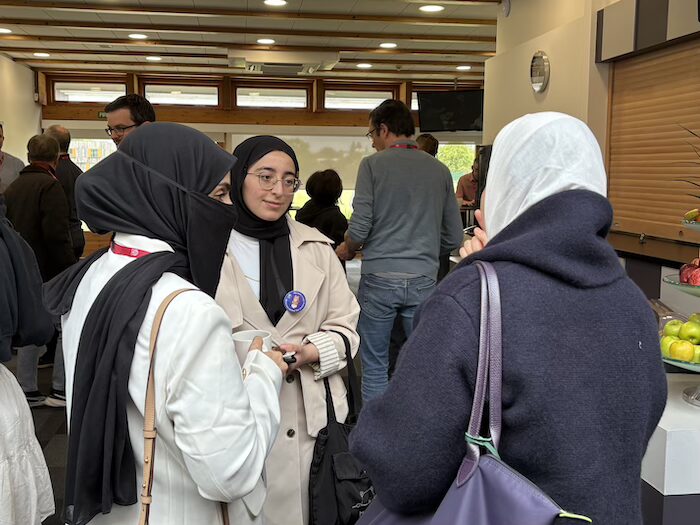
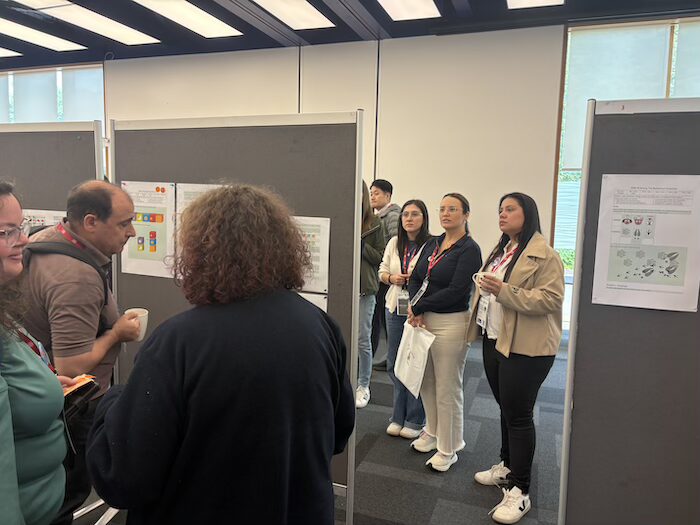
Beyond the technical task of reviewing puzzles, the Cambridge workshop served as a vital forum for international knowledge exchange. A highlight of the event was the "Bebras Marketplace" held on Wednesday evening. This session allowed delegates to move beyond the formal working groups and share the creative ways they are implementing computational thinking in their home countries.
The marketplace revealed the extraordinary adaptability of the Bebras model. Delegates from Ghana, Jamaica, Mexico, and Sri Lanka shared insights into delivering the challenge in environments with limited internet connectivity or a lack of computing hardware. These discussions highlighted a critical aspect of the Bebras mission: computational thinking is a mental framework, not just a digital skill. Consequently, many countries utilize paper-based versions of the challenge to ensure that students in rural or under-resourced schools are not left behind.
The workshop also showcased innovative extensions of the Bebras brand. In Armenia, educators have developed specialized Bebras books, while Brazil has launched a dedicated magazine to keep students engaged year-round. Indonesia reported on its progress in integrating computational thinking into teacher training for all subjects, and Lithuania demonstrated hands-on physical games that teach computing concepts without the need for a screen. These initiatives demonstrate how the Bebras community is successfully democratizing computer science education on a global scale.
Organizational Impact and the Role of the Raspberry Pi Foundation
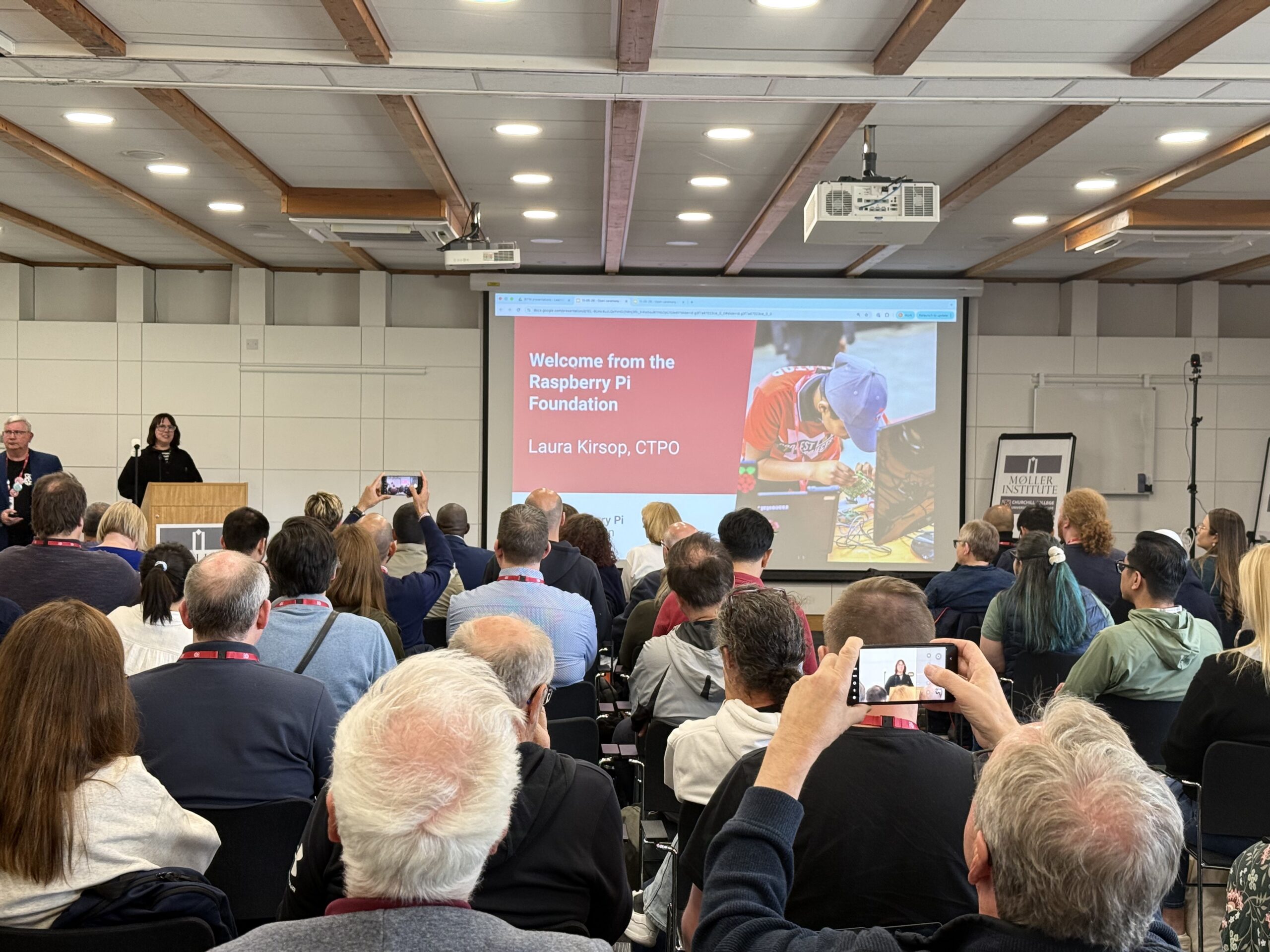
As the host organization, the Raspberry Pi Foundation utilized the workshop to demonstrate how Bebras tasks are being integrated into broader educational ecosystems. Laura Kirsop, Chief Technology and Product Officer at the Foundation, delivered a keynote address outlining the influence of Bebras on the Foundation’s product development.
A notable example provided was the "Escape Room: The Jungle Awakens" resource used by Code Clubs worldwide. This "unplugged" activity—meaning it requires no computer—repurposes historical Bebras tasks into a narrative-driven escape room format. This allows children in clubs with limited technology access to develop the same high-level problem-solving skills as their peers in high-tech labs. The success of such initiatives underscores the Foundation’s commitment to removing barriers to computing education.
The logistical success of the event was also a point of pride for the organizers. Hosting over 100 experts from 61 countries requires a seamless blend of technical infrastructure and hospitality. Feedback from the delegates praised the execution of the event, with particular mentions of the robust digital connectivity that allowed for real-time international collaboration and the professional environment of the Møller Institute.
Expanding the Global Footprint: New Members and Future Outlook
The 22nd Workshop was also a milestone for the organizational growth of the Bebras International community. During the summit, the body voted to expand its membership, reflecting the rising global interest in informatics education.
Ten countries were inducted as provisional members: Bolivia, Cameroon, Ecuador, Ghana, Hong Kong and Macao, Mongolia, Palestine, Sri Lanka, and Tanzania. Additionally, seven countries were elevated to full member status: Armenia, Colombia, Greece, Jamaica, Mexico, Paraguay, and Puerto Rico. This expansion ensures that the Bebras methodology will reach new populations in South America, Africa, and Asia, further diversifying the perspectives that inform the creation of future tasks.
The induction of these members is not merely a formality; it represents a commitment to supporting these nations as they build their local computer science curricula. The international community provides the tasks, the platform, and the pedagogical support, while the local organizers adapt the materials to fit their specific educational contexts.
Implications for the Future of Computer Science Education
The work conducted in Cambridge has immediate and long-term implications for global education. By refining 214 tasks, the workshop has secured the content for the 2026 challenge, ensuring that millions of students will have access to high-quality, peer-reviewed educational materials.
Analysis of the workshop’s outcomes suggests three major trends in the field of computational thinking:
- The Shift Toward "Unplugged" Learning: There is a growing recognition that the most important part of computer science is the thinking process, not the device. This is leading to more tasks that can be taught through storytelling and physical interaction.
- Mobile Accessibility: As seen in Mexico’s efforts to bring Bebras to smartphones, the community is moving toward "mobile-first" delivery to accommodate the primary way many families in the Global South access the internet.
- Cross-Curricular Integration: The success of Indonesia’s teacher training suggests that computational thinking is increasingly viewed not as a standalone subject, but as a foundational skill that enhances learning in mathematics, science, and even the arts.
Conclusion and Next Steps
As the 22nd International Task Workshop concluded, the focus shifted to the immediate future. The UK Bebras Challenge is scheduled to take place from November 8 to November 20, 2024. Educators in the UK are currently encouraged to register their classes and utilize past tasks to prepare students for the upcoming event.
The global community now looks toward South America, as the 23rd Bebras International Task Workshop is slated to be held in Uruguay in May 2027. The transition of hosting duties to Uruguay marks a significant step in the community’s commitment to rotating leadership and ensuring a truly international perspective in the development of computational thinking.
The Cambridge workshop proved that while the tasks themselves may appear as simple puzzles to the students who solve them, they are the product of an sophisticated global infrastructure dedicated to educational excellence. Through the collaborative efforts of the Raspberry Pi Foundation and its international partners, the Bebras Challenge continues to set the standard for how the world teaches the next generation to think like computer scientists.