The Evolution of Open Source Hardware Certification
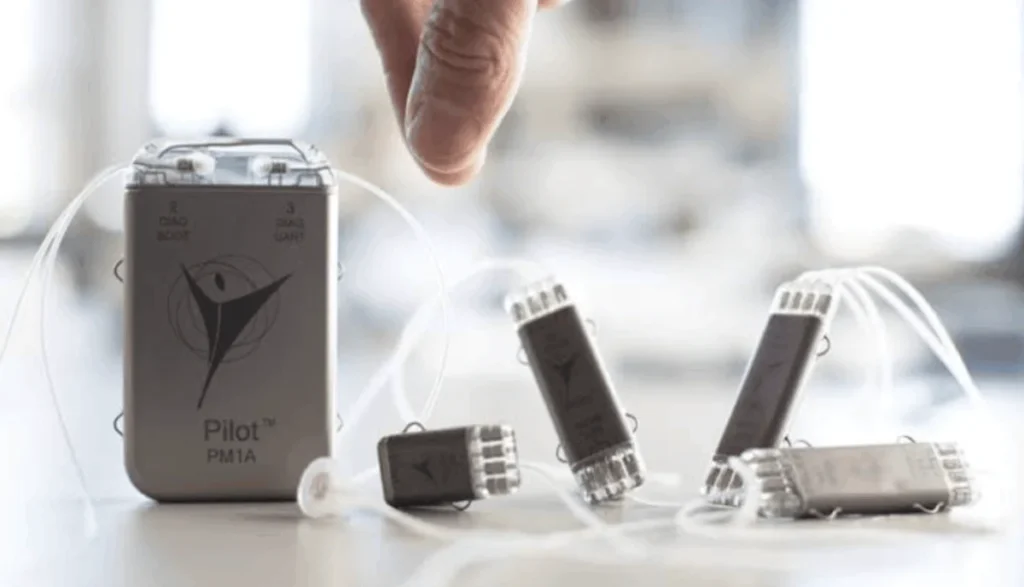
Since its inception, OSHWA has served as the primary steward for the definition of open-source hardware. The association’s certification program, which is free to use, allows creators to verify that their projects meet the community-agreed standards for openness. These standards dictate that the hardware’s design must be made available to the public so that anyone can study, modify, distribute, make, and sell the design or hardware based on that design.
While the general OSHWA certification has been successful across various industries—ranging from consumer electronics to robotics—the healthcare sector presents unique challenges. Medical devices are subject to intense regulatory scrutiny, safety standards, and ethical considerations. Recognizing these complexities, OSHWA sought to create a specialized track within its certification database. The resulting Open Healthware Certification process was designed with the direct input of the open health community, ensuring that the documentation and design requirements are tailored to the needs of researchers, clinicians, and patients.
The NSF POSE III grant was instrumental in this development. This federal funding was directed toward transforming existing open-source products into sustainable, secure, and robust ecosystems. By focusing on health-related hardware, the grant allowed OSHWA to build the infrastructure necessary to support "Healthware"—a subset of hardware that includes everything from laboratory equipment and hospital infrastructure to wearable sensors and fully implantable neural devices.
A Closer Look at the First Certified Healthware Projects
The initial rollout of the Open Healthware Certification database features four distinct projects. These projects represent a broad spectrum of medical utility, ranging from high-tech research tools to essential hospital infrastructure.
Open-LIFU: Revolutionizing Ultrasound Research
The Open-LIFU (Low Intensity Focused Ultrasound) platform, developed by Openwater and registered under IUD US00002844, is perhaps the most technically complex of the inaugural group. LIFU is a burgeoning field in medical research, utilized for non-invasive neuromodulation and the temporary opening of the blood-brain barrier for drug delivery.
The Open-LIFU system is a comprehensive research platform that includes a high-voltage drive signal console, a wearable transducer headset, and 64-element 2D matrix transmit modules. What distinguishes this project is its commitment to open-source software and hardware interoperability. Every parameter of a sonication sequence—including frequency, pulse repetition, and intensity—is fully programmable by the user.
Furthermore, the system incorporates an innovative localization method using an Android-based device for photogrammetric reconstruction. This allows researchers to precisely map the ultrasound focus relative to the subject’s anatomy without the need for expensive, proprietary tracking systems. By certifying this platform as Open Healthware, Openwater ensures that other research institutions can replicate their findings and build upon the hardware architecture to advance the field of ultrasound therapy.
The Universal Mounting System: Solving Clinical Inefficiencies
Representing the practical, infrastructure-focused side of Healthware is the Universal Mounting System, registered under IUD KE0000001. This project highlights the global nature of the open-source movement, as indicated by its Kenyan registration prefix.
In hospital environments, particularly in low-resource settings, the inability to securely mount or organize medical equipment can lead to inefficiencies and safety hazards. The Universal Mounting System consists of a series of 3D-printed attachments designed to interface with common hospital fixtures such as walls, bed rails, trolleys, and IV poles.

The system features a modular design where a universal back piece can be paired with various front-facing hooks, holders, and clamps. These components are specifically designed to accommodate essential tools like handheld pulse oximeters and humidifier bottles. Because the designs are open-source and 3D-printable, hospitals can manufacture these parts locally, reducing lead times and costs while allowing for custom modifications based on specific clinical needs.
COSMIIC: The Frontier of Implantable Open Hardware
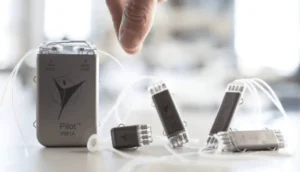
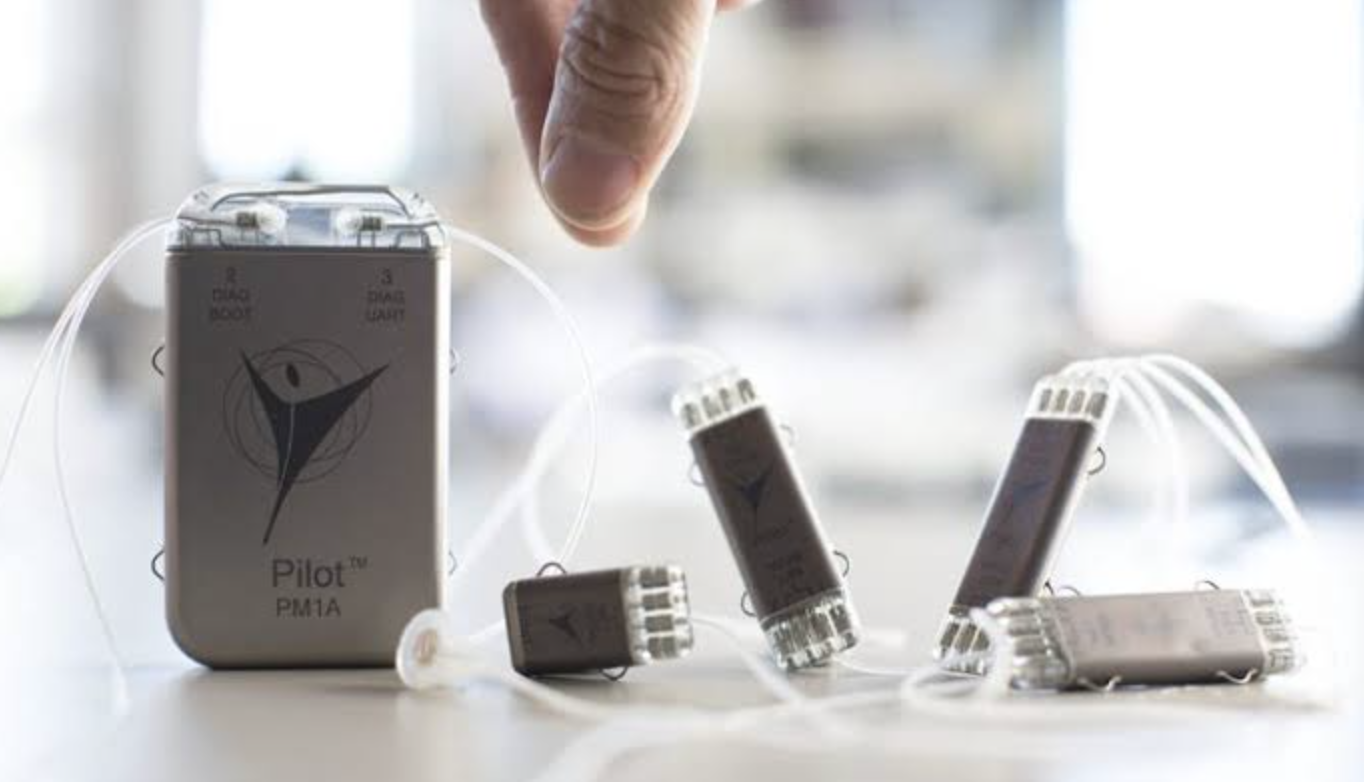
One of the most ambitious projects to receive certification is COSMIIC (IUD US00002851), a fully implantable neuromodulation platform. Neuromodulation involves the use of electrical stimulation to alter nerve activity, often used to restore function in patients with chronic pain or movement disorders.
The development of COSMIIC was supported by the National Institutes of Health (NIH) through the Stimulating Peripheral Activity to Relieve Conditions (SPARC) program. Specifically, it emerged from the Human Open Research Neural Engineering Technologies (HORNET) initiative. COSMIIC is designed to provide a standardized, open-access platform for researchers working on spinal cord injuries and other neurological conditions.
The certification of an implantable device is a landmark event for OSHWA. Historically, the proprietary nature of implantable technology has made it difficult for independent researchers to verify the safety or modify the functionality of these devices. COSMIIC breaks this mold by providing the full hardware and software stack, enabling a more collaborative approach to neural engineering. This transparency is expected to accelerate the development of new therapies for paralysis and other debilitating conditions.
Timeline of the Open Healthware Initiative
The path to these first certifications was marked by several key developmental stages:
- 2022 – Early 2023: OSHWA receives the NSF POSE grant and begins community outreach to define the specific needs of the "Open Healthware" ecosystem.
- Late 2023 – 2024: Development of the specialized certification portal and documentation requirements. This period involved collaboration with regulatory experts to ensure the certification aligned with general safety expectations.
- 2025: Beta testing of the certification process with core partners, including the COSMIIC team and Openwater.
- August 2026: Official public launch of the Open Healthware Certification database and the announcement of the first four certified projects.
Implications for the Global Healthcare Landscape
The introduction of certified Open Healthware has profound implications for the global medical community. By providing a verified standard for openness, OSHWA is addressing several systemic issues in healthcare technology:
1. Cost Reduction and Accessibility: Proprietary medical devices often carry high price tags due to R&D costs and intellectual property protections. Open-source designs, such as the Universal Mounting System, allow for local manufacturing and competitive pricing, making essential tools more accessible to healthcare providers in developing nations.
2. Transparency and Reproducibility in Research: In scientific research, the "black box" nature of proprietary equipment can hinder the reproducibility of results. Certified hardware like Open-LIFU allows researchers to know exactly how their tools are functioning, leading to more robust and verifiable data.
3. Rapid Innovation: Open-source ecosystems encourage a "remix" culture. When the blueprints for a device like COSMIIC are public, other engineers can develop compatible peripherals, improved sensors, or more efficient power systems, leading to a faster pace of innovation than is possible within a single company.
4. Regulatory Evolution: While OSHWA certification does not replace FDA or CE Mark approval, it provides a structured documentation package that can assist in the regulatory process. By standardizing how hardware designs are shared, OSHWA is helping to create a language that both innovators and regulators can understand.

Official Responses and Future Outlook
Representatives from OSHWA have expressed immense pride in the community’s efforts to bring this project to fruition. The association emphasized that while the current database lists four certifications, they anticipate rapid growth as more creators realize the benefits of the Healthware label. Projects certified through this specialized process will also remain listed in the general OSHWA database, ensuring maximum visibility.
The open healthware community has reacted with enthusiasm, viewing this as a legitimizing force for "maker-made" medical tools. Analysts suggest that as the database grows, it could serve as a vital resource for NGOs and international health organizations looking for vetted, adaptable technology solutions.
As the program moves forward, OSHWA intends to continue its collaboration with the NSF and NIH to ensure the sustainability of the ecosystem. The association is also encouraging creators to follow their "certification bot" on platforms like Mastodon to stay updated on new entries in real-time.
The certification of Open-LIFU, the Universal Mounting System, and COSMIIC represents more than just a list of projects; it represents a shift in how society views medical technology—moving away from closed, proprietary silos toward a future of collaborative, transparent, and patient-centered innovation.