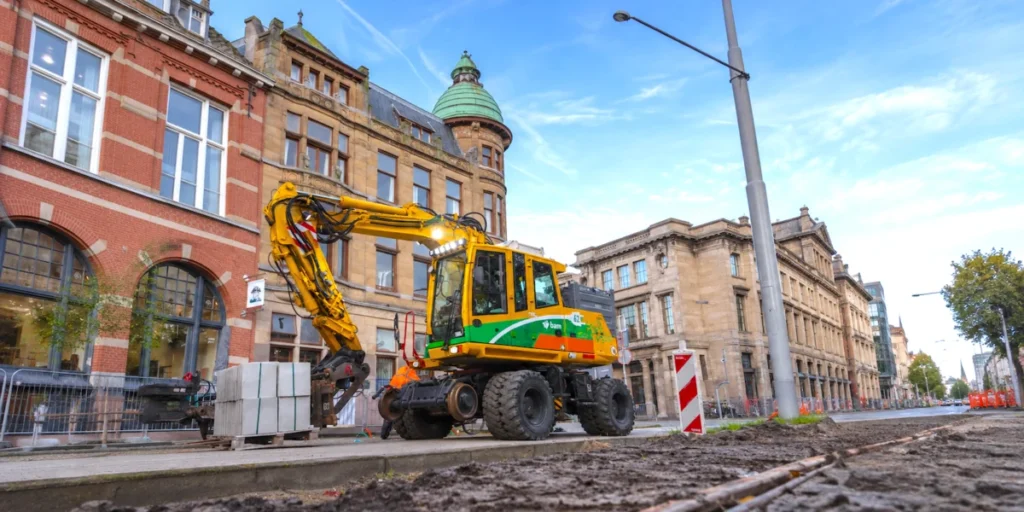
The landscape of rail infrastructure maintenance and construction is undergoing a significant transformation with the introduction of AMT’s new TW series of electric rail road excavators. These innovative machines, developed in partnership with construction firm Royal BAM, represent a pivotal step towards electrifying heavy-duty railway equipment, promising enhanced efficiency, reduced environmental impact, and a more sustainable approach to critical infrastructure projects. The TW series, available in 150, 160, and 180 models, corresponding to 18-24 metric tonne classes, are not merely electric alternatives but are engineered with groundbreaking features like hot-swappable battery packs, designed to minimize downtime and maximize operational uptime.
The Crucial Role of Rail Road Excavators
Rail road excavators, often unseen by the general public, are indispensable workhorses for the railway industry. Their unique ability to operate directly on tracks allows them to perform a wide array of essential tasks, including track maintenance, renewal, and the clearing of obstacles. They are instrumental in ensuring the safety, reliability, and longevity of railway networks, supporting everything from routine upkeep to complex civil engineering projects and utility installations. Historically, these powerful machines have relied on diesel engines, contributing to noise pollution and emissions along sensitive railway corridors. The advent of electric versions, such as AMT’s TW series, signals a major shift towards cleaner, quieter, and more sustainable rail operations.
Engineering a Greener Rail Future
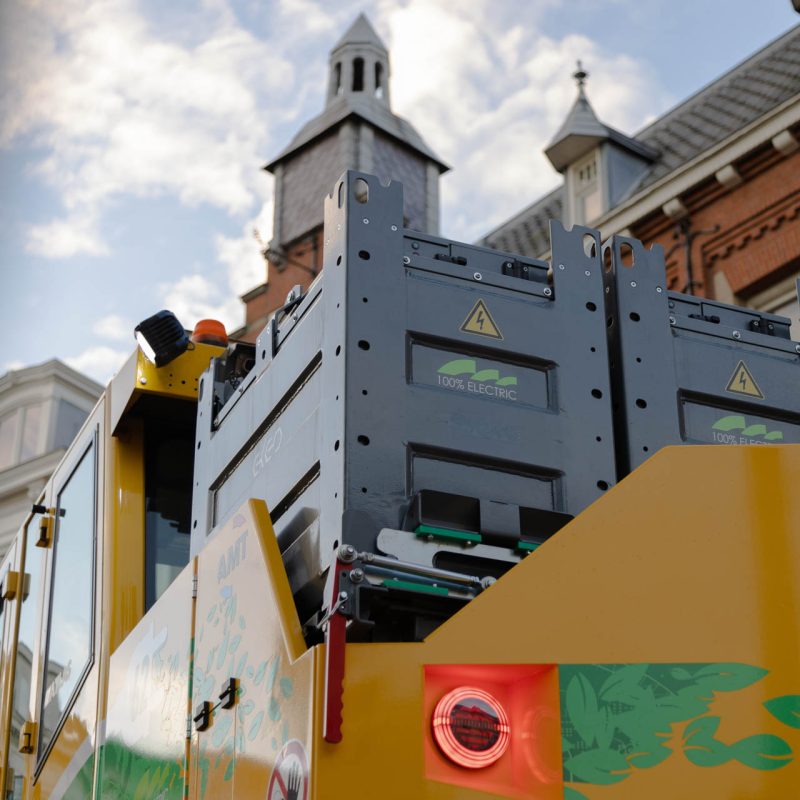
At the heart of the TW series excavators lies a robust 600V electrical system. This system powers a water-cooled, permanent-magnet electric motor that delivers an impressive 121 kW, approximately 160 horsepower. This electric powertrain offers significant advantages over traditional diesel engines, including instant torque, precise control, and, most importantly, zero tailpipe emissions. This is a crucial development for rail operators aiming to meet increasingly stringent environmental regulations and public demand for sustainable infrastructure.

The energy source for these machines is a carefully designed battery system. Each excavator is equipped with four 90 kWh battery packs, totaling 360 kWh. This substantial capacity is engineered to provide between 8 to 16 hours of continuous operation on a single charge, a duration that can accommodate a full workday for many rail maintenance tasks. However, the true innovation lies in the battery management system.
The Hot-Swap Advantage: Minimizing Downtime, Maximizing Productivity
The standout feature of the TW series is its hot-swappable battery technology. This system allows for batteries to be exchanged while the excavator is still operational, significantly reducing the downtime typically associated with recharging or replacing power sources. In practice, this means an excavator can continue working with two or three of its battery packs while a second set is being swapped in by a support crew. This continuous operational capability is a game-changer for time-sensitive rail projects where delays can incur substantial costs and disrupt schedules.
This hot-swap functionality not only ensures that the crew can "keep riding the rails" without interruption but also addresses the logistical challenges of managing battery charging in remote or dynamic work environments. Instead of waiting for a lengthy recharge cycle, a depleted battery pack can be quickly replaced, allowing the machine to return to service almost immediately. This level of operational continuity is a significant leap forward for heavy machinery, mirroring the convenience and efficiency seen in consumer electronics and smaller electric tools.
Modular Battery Systems: A Shared Resource for Efficiency
Further enhancing the economic and logistical advantages of the TW series is the modular nature of its 90 kWh battery packs. These same battery packs can be utilized across a range of AMT machines. This interoperability prevents energy from being "stranded" in idle assets, meaning that batteries not currently in use by one excavator can be deployed to another machine that requires them.
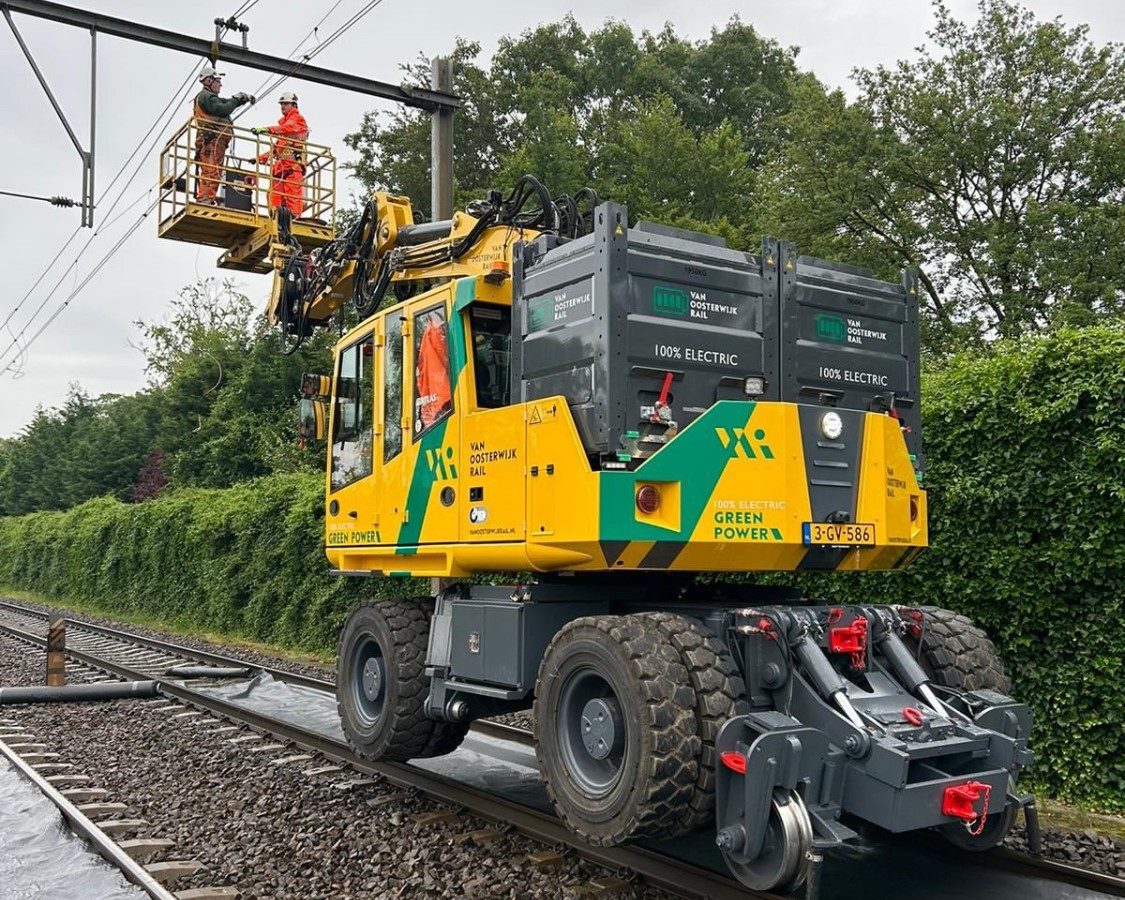
This shared resource model offers substantial benefits for construction firms and rail operators. It reduces the overall investment required in batteries and machinery, as a smaller pool of batteries can effectively serve a larger fleet of equipment. This approach is akin to the battery-sharing systems found in popular cordless tool brands like Craftsman, Milwaukee, and Ryobi, where users can leverage a common battery platform across various tools, thereby optimizing their equipment investment and reducing waste. For the rail industry, this means a more streamlined and cost-effective transition to electrification, making the adoption of electric heavy machinery more accessible.
Advanced Charging Capabilities for Flexibility
While the hot-swappable batteries are designed to maintain continuous operation, AMT has not overlooked the importance of efficient charging. The excavators are equipped with an onboard charger capable of delivering up to 120 kW. This rapid charging capability allows for a full 360 kWh battery pack to be recharged from 20% to 80% state of charge in under two hours. This means that even if a machine does not have a direct swap available, it can be quickly topped up during scheduled breaks or at the end of a shift, further minimizing operational disruptions. The ability to achieve such a significant charge in a relatively short period ensures that the excavators can be readily available for their next deployment, reinforcing their reliability and operational readiness.
Environmental and Operational Benefits
The transition to electric rail road excavators offers a multitude of benefits that extend beyond operational efficiency. The elimination of diesel engines drastically reduces on-site noise pollution, creating a more pleasant and safer working environment for crews and minimizing disturbance to nearby communities. More significantly, the absence of tailpipe emissions directly contributes to improved air quality, particularly in urban areas and along sensitive ecological corridors. This aligns with global efforts to decarbonize the transportation and construction sectors and contributes to achieving sustainability targets.
Furthermore, electric powertrains generally require less maintenance than their diesel counterparts. With fewer moving parts, such as fuel injection systems, exhaust systems, and complex transmissions, the potential for mechanical failures is reduced, leading to lower maintenance costs and less unscheduled downtime. This contributes to a lower total cost of ownership over the lifespan of the equipment.
A Look at the Technical Specifications and Future Implications
The TW series excavators are designed for versatility and power. The different models cater to a range of project requirements, offering robust performance for demanding tasks. The 600V system, combined with the efficient electric motor and substantial battery capacity, ensures that these machines can perform comparably to, if not exceed, the capabilities of traditional diesel excavators, all while operating with a significantly reduced environmental footprint.
The availability of detailed specifications in AMT’s online brochure provides potential customers with the technical data needed to assess the suitability of these excavators for their specific applications. This transparency is crucial for the adoption of new technologies in a conservative industry like rail infrastructure.
The implications of this technological advancement are far-reaching. As more rail operators and construction firms embrace electric machinery, we can anticipate a broader shift towards electrification across the entire heavy equipment sector. This could lead to the development of new charging infrastructure along rail lines, specialized battery management services, and a more integrated approach to energy management for construction fleets. The success of AMT’s hot-swappable battery system could pave the way for similar innovations in other electric heavy machinery, accelerating the transition to a more sustainable future for industries reliant on powerful, on-site equipment.
Broader Industry Context and Future Outlook
The introduction of these electric rail excavators by AMT and Royal BAM comes at a time when the global railway industry is increasingly focused on sustainability and modernization. Many national and international railway authorities have set ambitious targets for reducing their carbon emissions and transitioning to cleaner energy sources. For example, the European Union’s Green Deal aims to significantly reduce greenhouse gas emissions across all sectors, including transport. Similarly, in North America, initiatives like the Chicago Metra’s adoption of battery-electric locomotives highlight a growing trend towards electrification.

The development of specialized electric equipment like the TW series excavators is a critical component of this broader transition. It addresses the unique operational demands of the rail sector, where continuous operation and the ability to work in challenging environments are paramount. The success of such innovations will depend not only on technological performance but also on cost-effectiveness, reliability, and the availability of robust support networks.
The fact that AMT is offering modular battery packs that can be shared across different machines is a strategic move that enhances the economic viability of electric heavy equipment. This approach to battery asset management can significantly lower the upfront cost barrier for companies looking to invest in greener technology. It also fosters a more flexible and adaptable approach to fleet management, allowing companies to optimize their investments based on fluctuating project needs.
Analysis of Potential Impact
The widespread adoption of electric rail road excavators like the TW series could have a profound impact on the railway industry and beyond.
- Environmental Improvement: A significant reduction in noise and air pollution along railway lines, especially in urban and environmentally sensitive areas. This contributes to improved public health and ecological preservation.
- Operational Efficiency: The hot-swappable battery technology promises to minimize downtime, leading to faster project completion times and reduced operational costs. This is particularly beneficial for critical infrastructure projects where delays can be costly.
- Economic Benefits: Lower fuel costs, reduced maintenance expenses, and potential government incentives for adopting green technologies can lead to a lower total cost of ownership for electric excavators. The modular battery system further enhances cost savings through resource sharing.
- Technological Advancement: This development signals a potential paradigm shift in the electrification of heavy machinery. The success of AMT’s approach could inspire further innovation in battery technology, charging solutions, and powertrain design for other sectors of the construction and industrial equipment market.
- Skilled Workforce Development: The transition to electric machinery will necessitate new skill sets for maintenance technicians and operators, potentially creating new job opportunities in areas such as battery management, electrical systems, and software diagnostics.
As the world continues to prioritize sustainability and decarbonization, the role of companies like AMT and Royal BAM in developing and deploying innovative electric solutions for critical infrastructure will become increasingly important. The TW series electric rail road excavators represent a significant stride forward, demonstrating that even the most demanding industrial applications can benefit from the advantages of electric power. The future of rail maintenance and construction appears to be undeniably electric, and these new machines are leading the charge.