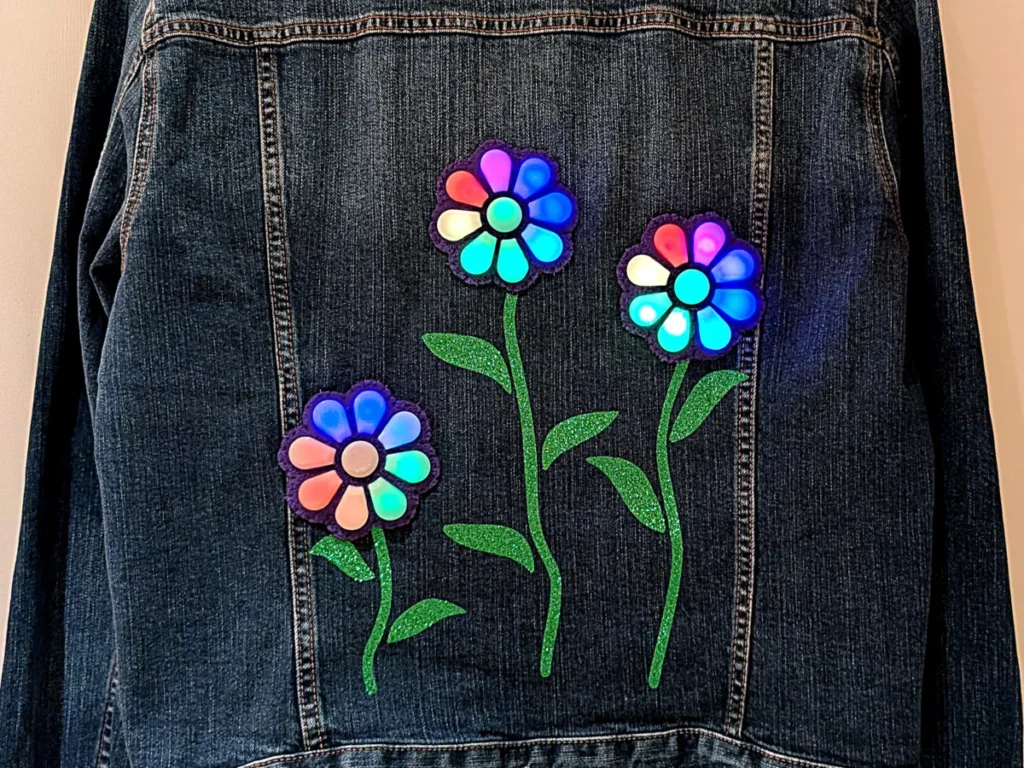
The intersection of traditional textile craftsmanship and modern digital fabrication has reached a new milestone with the introduction of the "BedazzLED" denim project, a sophisticated fusion of 3D printing, soft circuitry, and programmable LED technology. As the maker movement continues to permeate the fashion industry, creators are increasingly looking toward "smart textiles" and wearable electronics to redefine personal expression. This specific project, featured in the latest edition of Make: Magazine, demonstrates how accessible tools like 3D printers and WLED controllers can transform a standard piece of apparel into a dynamic, interactive art piece. By utilizing a technique known as 3D printing on mesh, makers can now integrate rigid plastic components into flexible fabrics, bridging the gap between hardware and high fashion.
The Convergence of Fashion and Maker Culture
The resurgence of customized denim reflects a broader societal shift toward sustainable fashion and the "Right to Repair" or "Right to Modify" movements. Denim, prized for its durability and utilitarian history, serves as an ideal substrate for technological integration. Historically, "bedazzling" involved the application of rhinestones or metal studs; however, the contemporary iteration utilizes 3D-printed lithophanes and addressable LEDs to create light-based patterns that can be controlled via smartphone.
According to market analysis of the 3D printing industry, the use of polymers in the fashion sector is expected to grow significantly over the next decade. The democratization of these technologies allows independent designers to produce complex, multi-material garments that were previously only possible through high-end industrial processes. The BedazzLED Jean Jacket project serves as a case study in this democratization, providing a blueprint for integrating "pebble lights" and microcontrollers into everyday wear.
Material Science and Structural Foundations
The success of the BedazzLED jacket relies heavily on specific material choices that balance aesthetic appeal with mechanical durability. The project recommends the use of translucent white Polyethylene Terephthalate Glycol (PETG) rather than the more common Polylactic Acid (PLA). PETG offers superior heat resistance and flexibility, which is critical for a garment that will be subjected to body heat, sunlight, and physical movement.
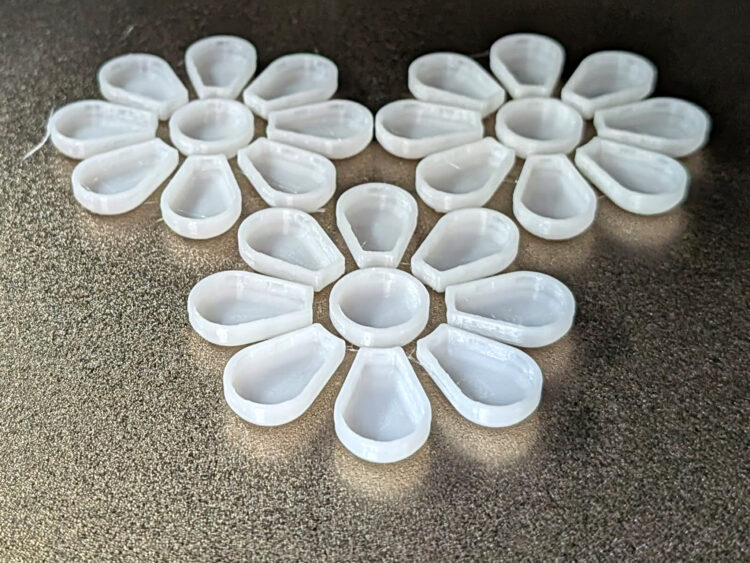
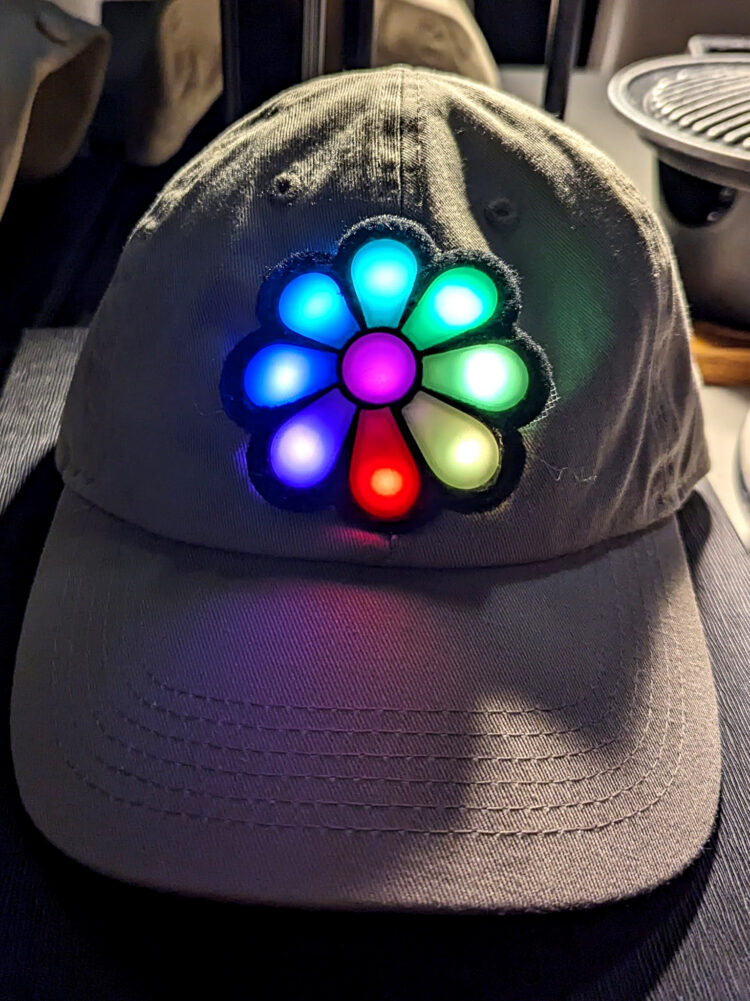
A key innovation in this project is the use of "Cloudy White" PETG, such as that produced by California Filament. This specific filament is engineered for printing lithophanes—3D prints that vary in thickness to create images when backlit. In this context, the PETG acts as a light diffuser, softening the harsh output of the LEDs to create a glow that mimics the organic look of flower petals.
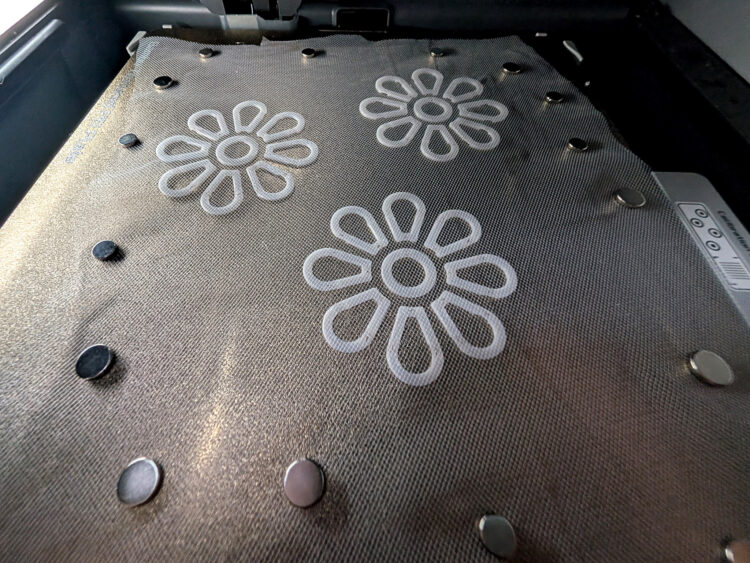
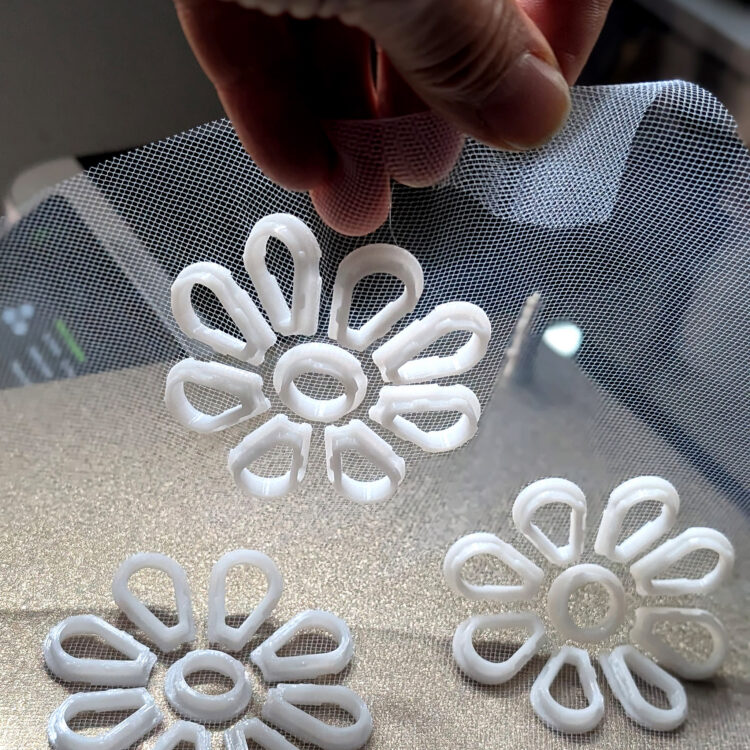
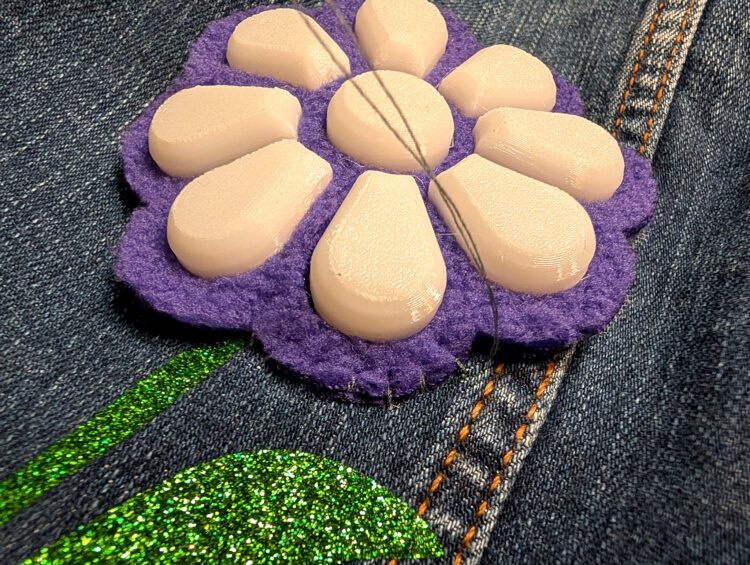
To ensure the 3D-printed components remain attached to the jacket without sacrificing the fabric’s natural drape, the design utilizes a "print-on-mesh" technique. By pausing the 3D printer and laying a piece of tulle fabric across the build plate, the subsequent layers of plastic bond through the holes in the mesh. This creates a "hinge" effect, allowing a cluster of rigid plastic parts to flex and move in unison with the wearer’s body.
Fabrication Chronology: A Technical Overview
The construction of a BedazzLED jacket follows a rigorous multi-stage chronology that combines digital design, mechanical assembly, and electronic engineering.
Phase I: Digital Fabrication and Printing
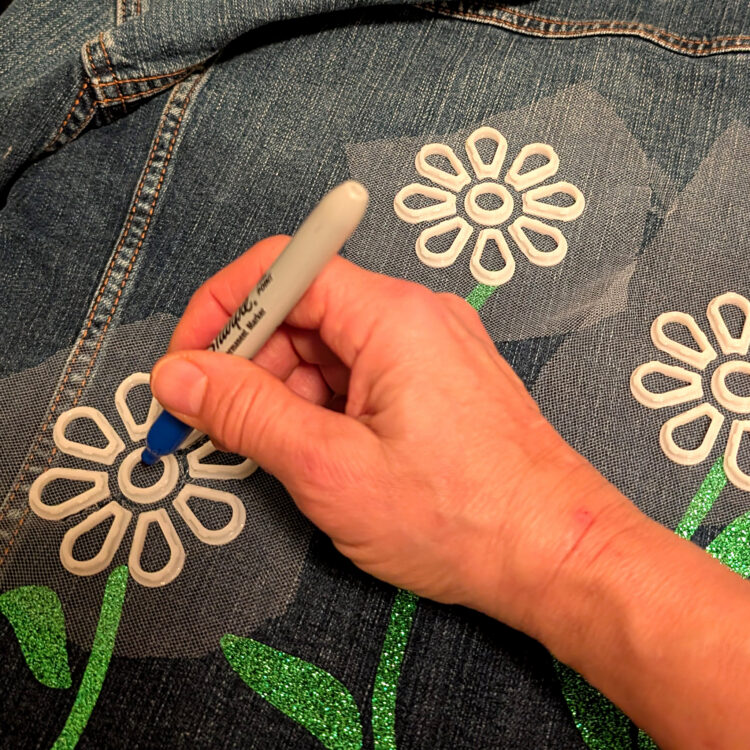
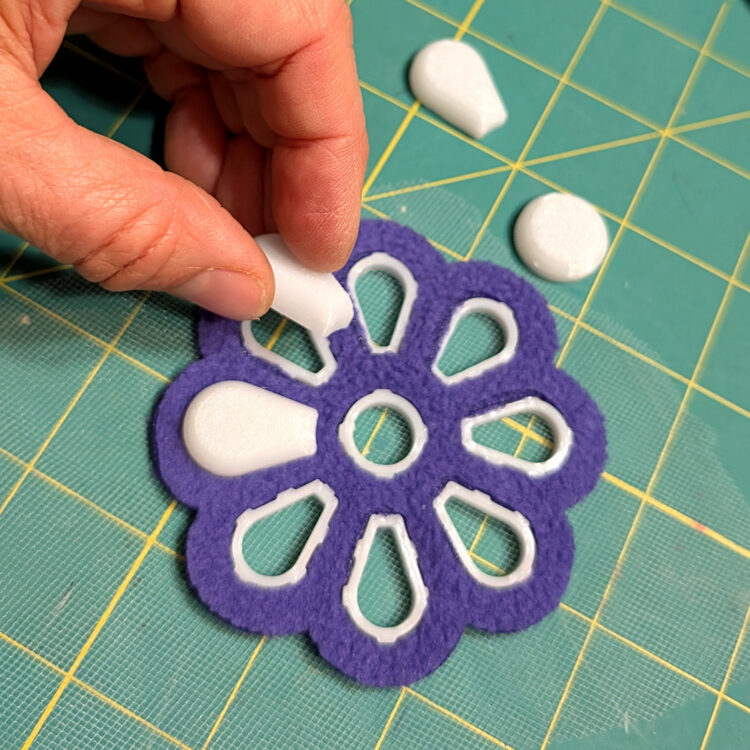
The process begins with the 3D printing of the flower bases and covers. Using a fine layer height of 0.12mm, the base layer is printed onto tulle. This requires precise calibration; the printer must be paused at a height of approximately 1.5mm to allow the mesh to be secured with neodymium magnets or Kapton tape. Once the mesh is integrated, the printer resumes, locking the fabric between layers of PETG. Simultaneously, the flower petals and central disc covers are printed face-down to ensure a smooth, professional surface finish.
Phase II: Aesthetic and Structural Elements
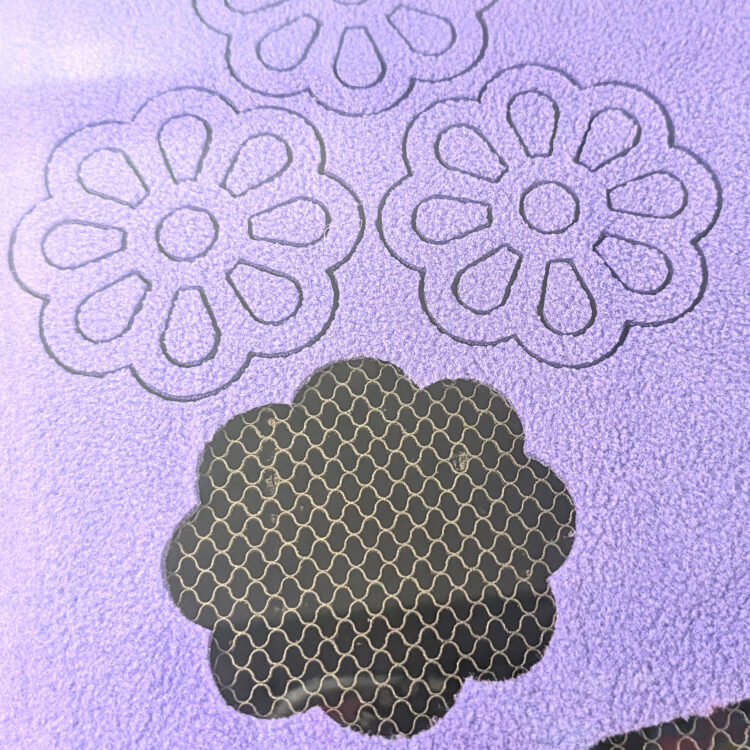
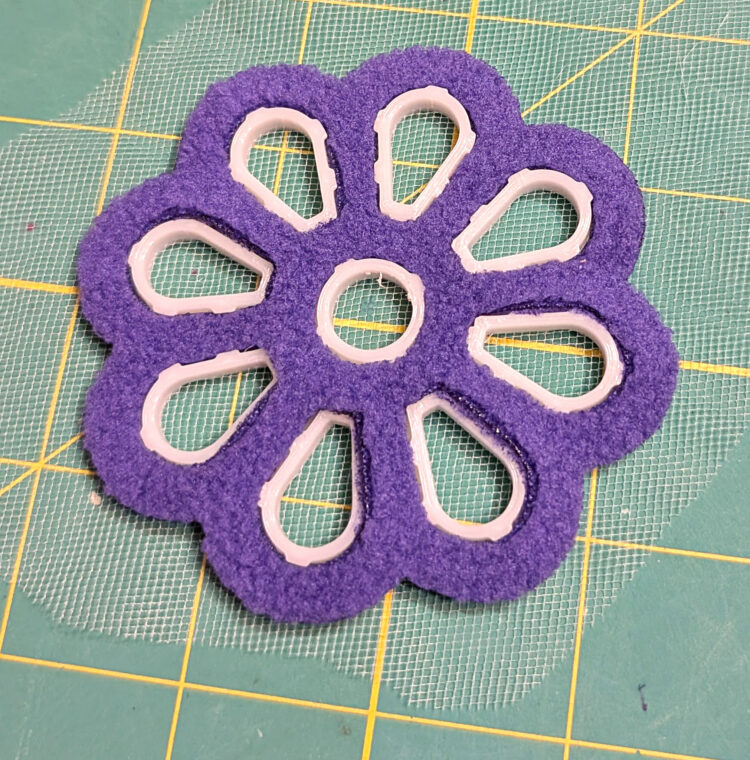
While the printer is active, the maker prepares the "border fabric." This layer, cut from non-fraying materials such as fleece or PVC-free faux leather, serves three purposes: it provides a visual outline for the flowers, hides the underlying circuitry, and reinforces the attachment points. For those with access to a laser cutter, vector files (SVG) ensure a high degree of precision, particularly for faux leather which requires perforated guide holes for hand-stitching.
Phase III: Heat-Transfer Integration
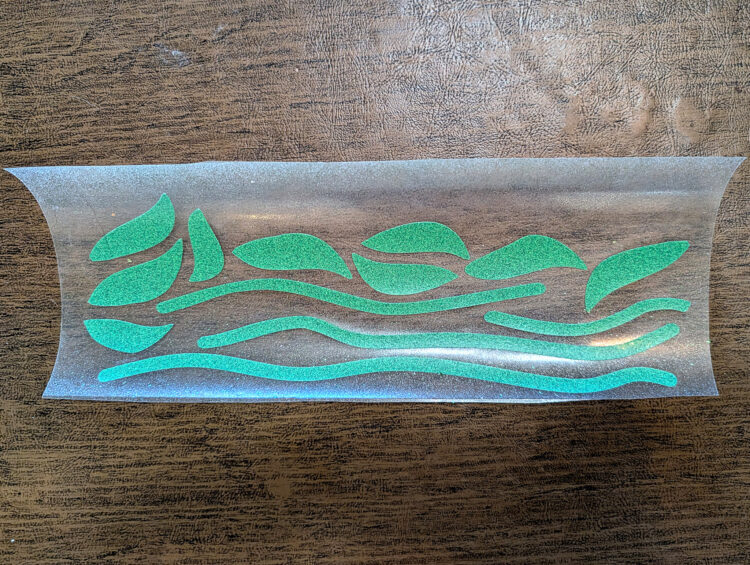
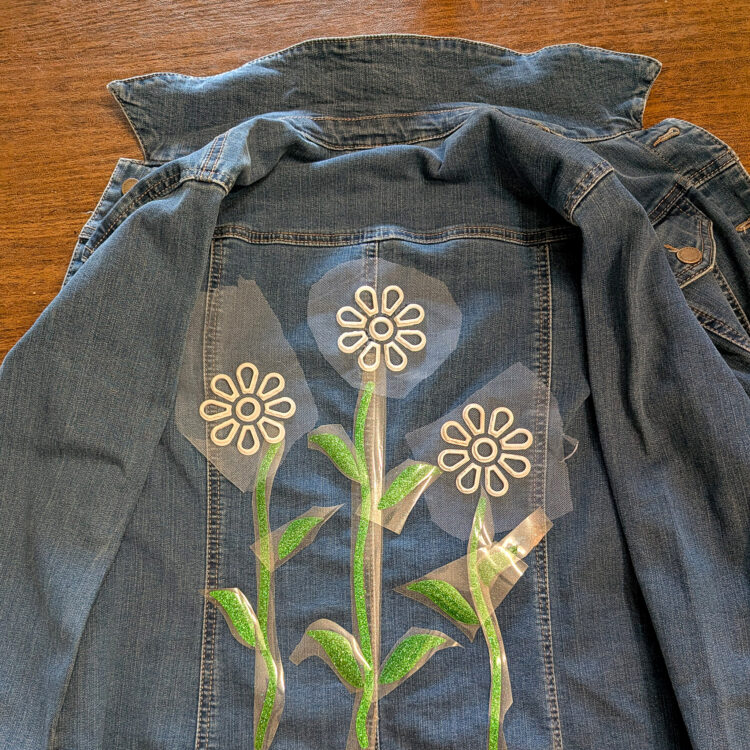
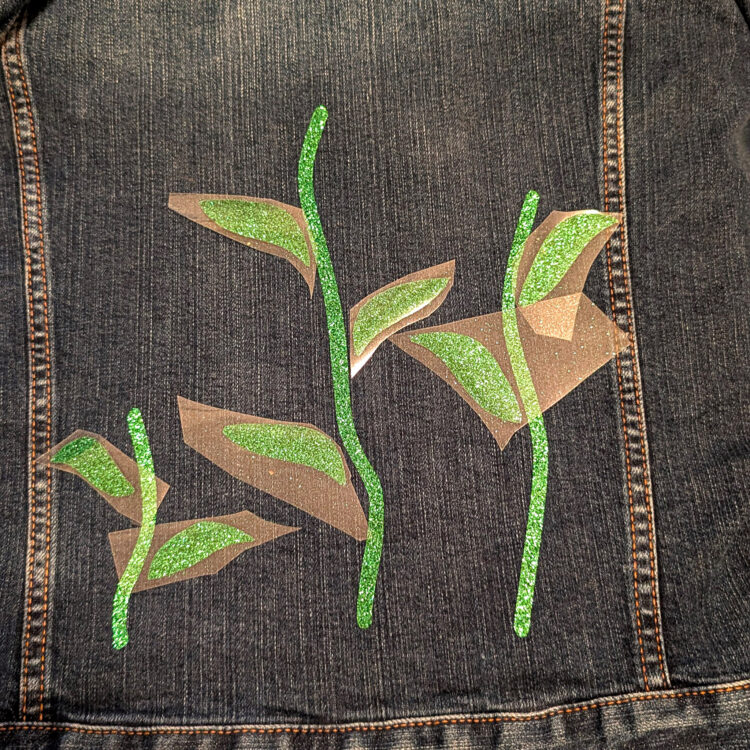
The stems and leaves are fabricated using heat-transfer vinyl (HTV), a standard in the garment decoration industry. These elements are cut using a digital vinyl cutter and ironed onto the denim. This stage establishes the "scene" or layout of the floral arrangement on the jacket’s back panel, providing a visual bridge between the 3D-printed flowers and the denim background.
Electronic Integration and Soft Circuitry
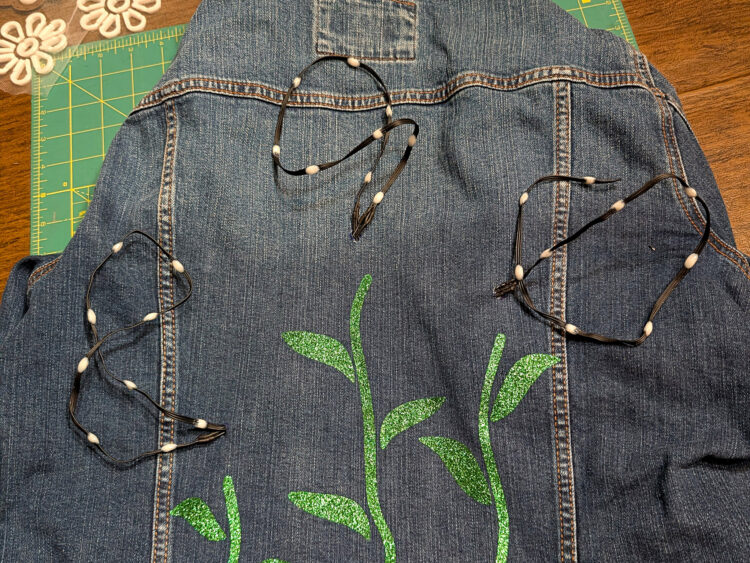
The core of the BedazzLED jacket is its "soft circuit" array. Unlike traditional electronics housed in rigid boxes, these circuits must be flexible and lightweight. The project utilizes "pebble light" strands—miniature, waterproof addressable LEDs that provide high-intensity color with a low profile.
Soldering and Connectivity
The electronics are organized into segments of nine LEDs per flower. These segments are linked using three-wire silicone-coated cable. Silicone is preferred over PVC for its extreme flexibility and resistance to the high heat of a steam iron. The assembly follows a specific data-flow architecture:
- JST Connector: Provides the interface for the power source and controller.
- 12-inch Lead Cable: Allows the controller to be tucked into an interior pocket.
- LED Segments: Solder-linked in series to ensure a continuous data signal from the first to the twenty-seventh LED.
The Hidden Wiring System
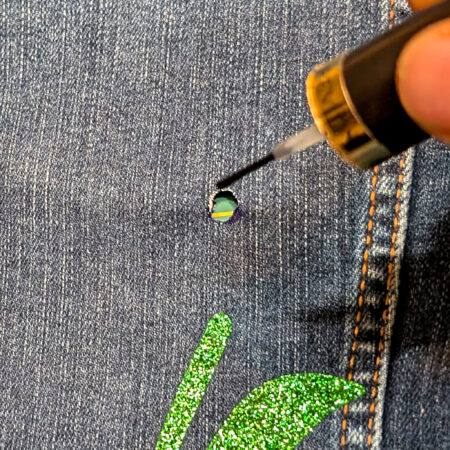
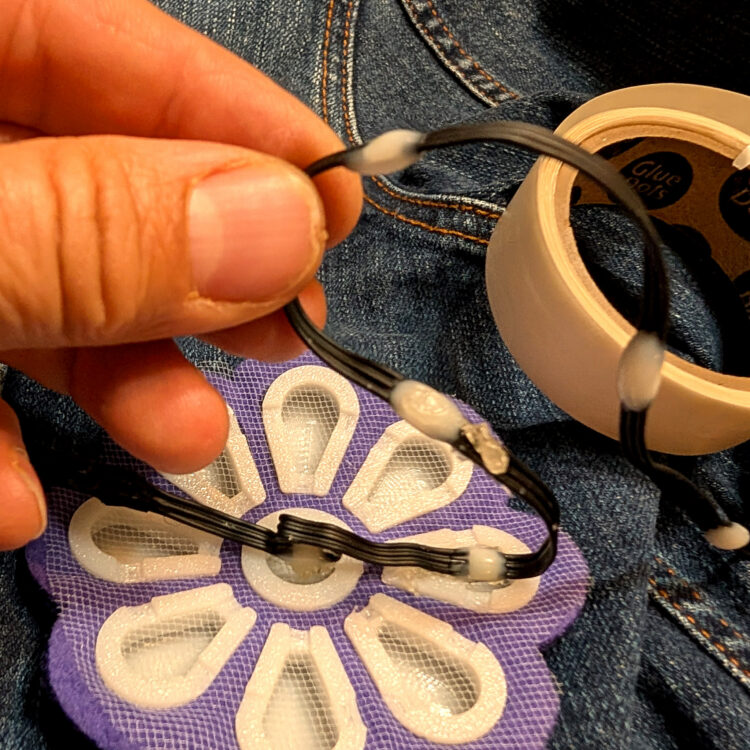
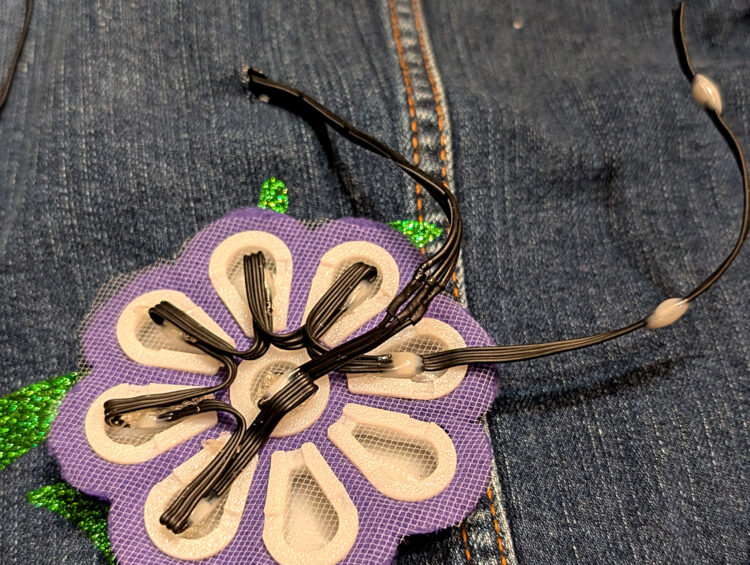
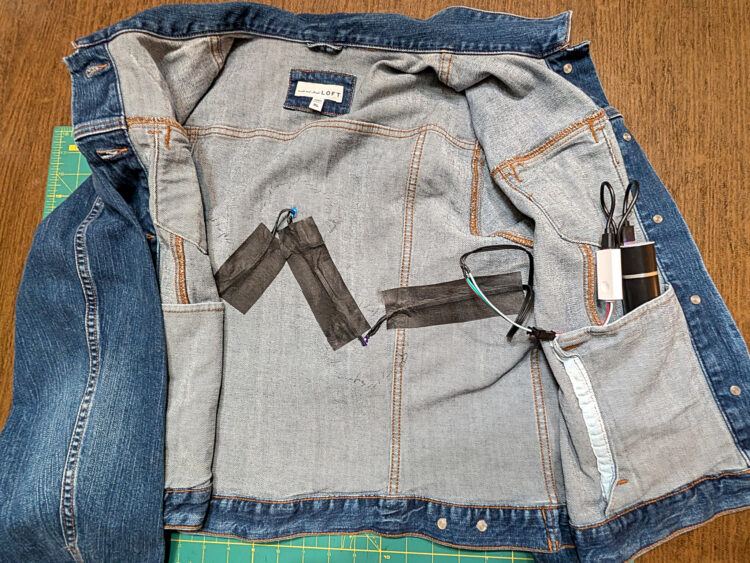
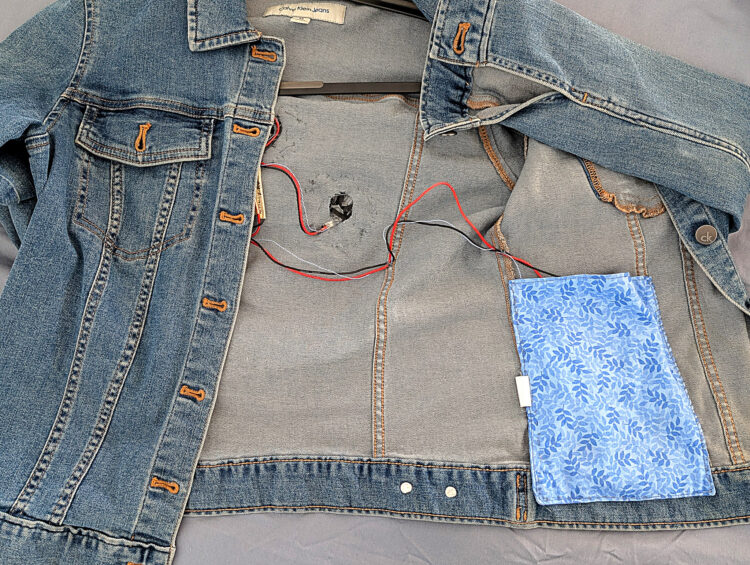
To maintain the jacket’s aesthetic integrity, all wiring is routed through the interior. This requires the precision cutting of 1cm holes in the denim, which are then sealed with clear nail polish or fabric glue to prevent fraying. The LED strings are secured to the 3D-printed mesh using glue dots, a technique that allows for slight adjustments during the assembly process.
Software Architecture and User Interface
The "smart" functionality of the jacket is powered by WLED, an open-source web server for the control of NeoPixel LEDs. This software allows the wearer to control their jacket via a mobile application or web browser. By utilizing controllers like the QuinLED or Athom WLED, the jacket can connect to local Wi-Fi or act as an Access Point (AP).
WLED provides a library of over 100 pre-installed animation patterns. These can be customized for speed, intensity, and color palette. For the BedazzLED project, the software allows the flowers to exhibit "breathing" patterns, color cycles, or reactive sequences. This level of customization elevates the garment from a static costume to a programmable interface, reflecting the growing trend of "computational fashion."
Professional Assembly and Final Reinforcement
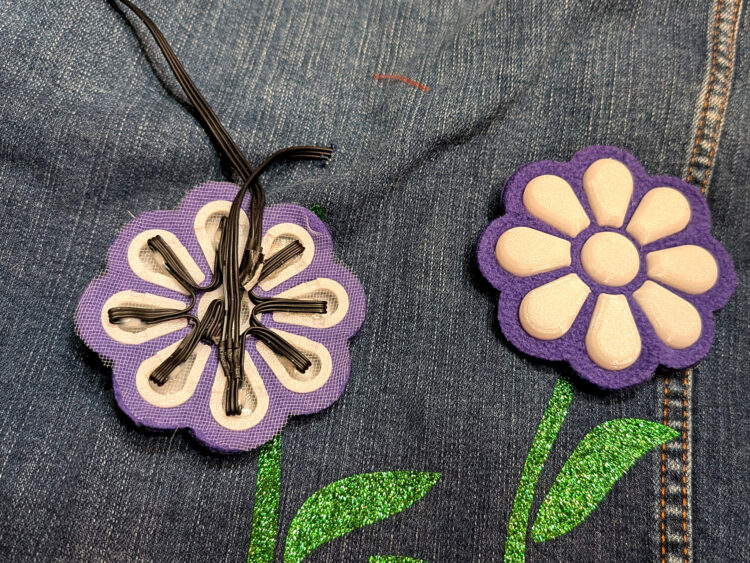
The final assembly involves traditional hand-sewing techniques to secure the 3D-printed flowers to the denim. Makers are encouraged to use whipstitches or blanket stitches for a polished, "appliqué" finish. This stage requires extreme caution to avoid piercing the silicone-coated wires with the sewing needle, which could cause a short circuit.
To ensure the interior of the jacket remains comfortable and snag-free, the loose wires are tacked down using iron-on fusible interfacing. This creates a smooth interior surface, protecting the electronics from the friction of the wearer’s movements. The power source—typically a slim 5V USB power bank—is housed in a makeshift or existing interior pocket, providing several hours of illumination on a single charge.
Broader Implications and Future Trends
The BedazzLED Jean Jacket project is indicative of a larger movement toward personalized, high-tech apparel. Industry experts suggest that as 3D printing technology becomes faster and more affordable, the "mass customization" of clothing will move from niche maker communities into mainstream retail.
"Wearable technology is no longer just about fitness trackers; it’s about aesthetic autonomy," says Debra Ansell, a prominent maker and educator in the wearable tech space. The ability to wash these garments—thanks to the waterproof nature of pebble lights and the durability of PETG—removes one of the primary barriers to the adoption of electronic textiles.
Furthermore, this project highlights the educational value of the maker movement. By building a BedazzLED jacket, a hobbyist gains skills in CAD design, 3D printer maintenance, soldering, and software configuration. These are the foundational skills of the Fourth Industrial Revolution, packaged in a creative and fashionable medium.
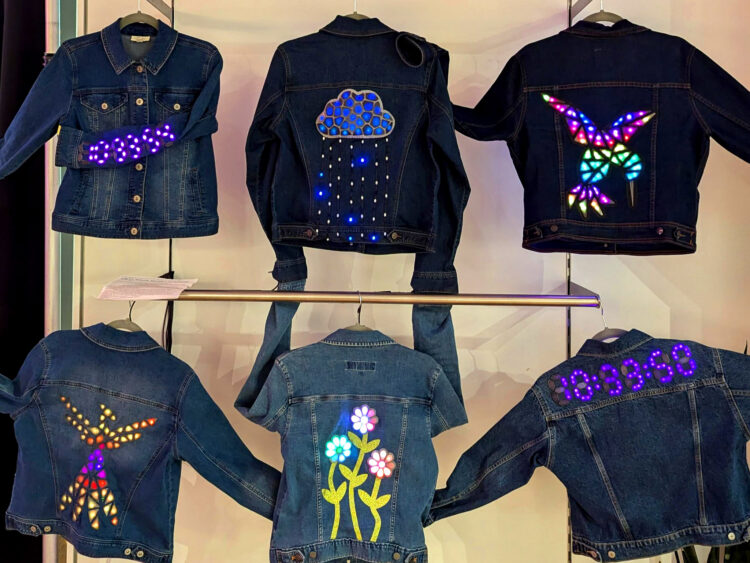
As the boundaries between hardware and soft goods continue to blur, the BedazzLED jacket stands as a testament to the power of DIY innovation. It proves that with a modest investment in tools and a commitment to technical precision, anyone can create "designer" apparel that literally shines in a crowded marketplace. The future of fashion is not just something we wear; it is something we program, print, and power.