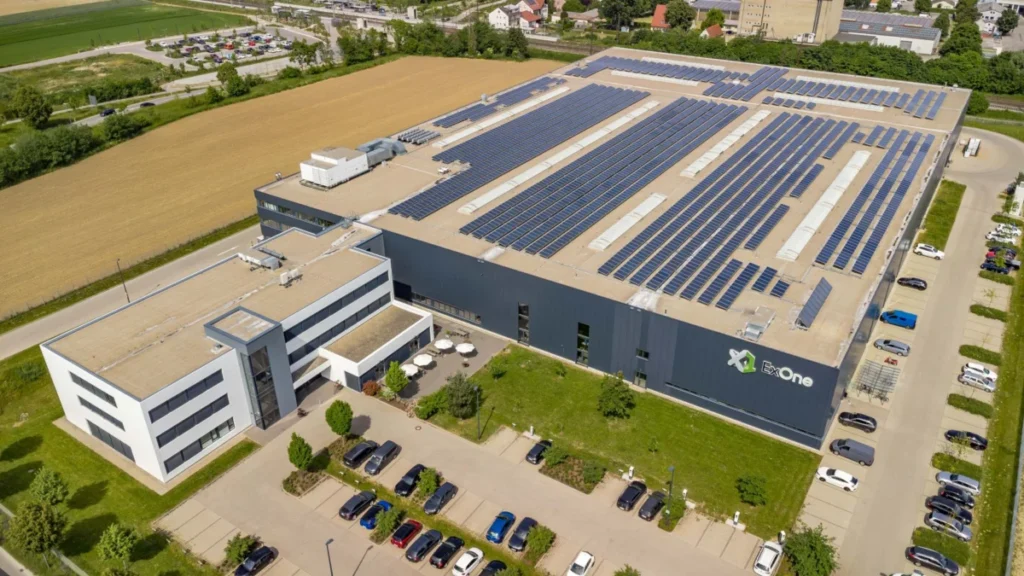
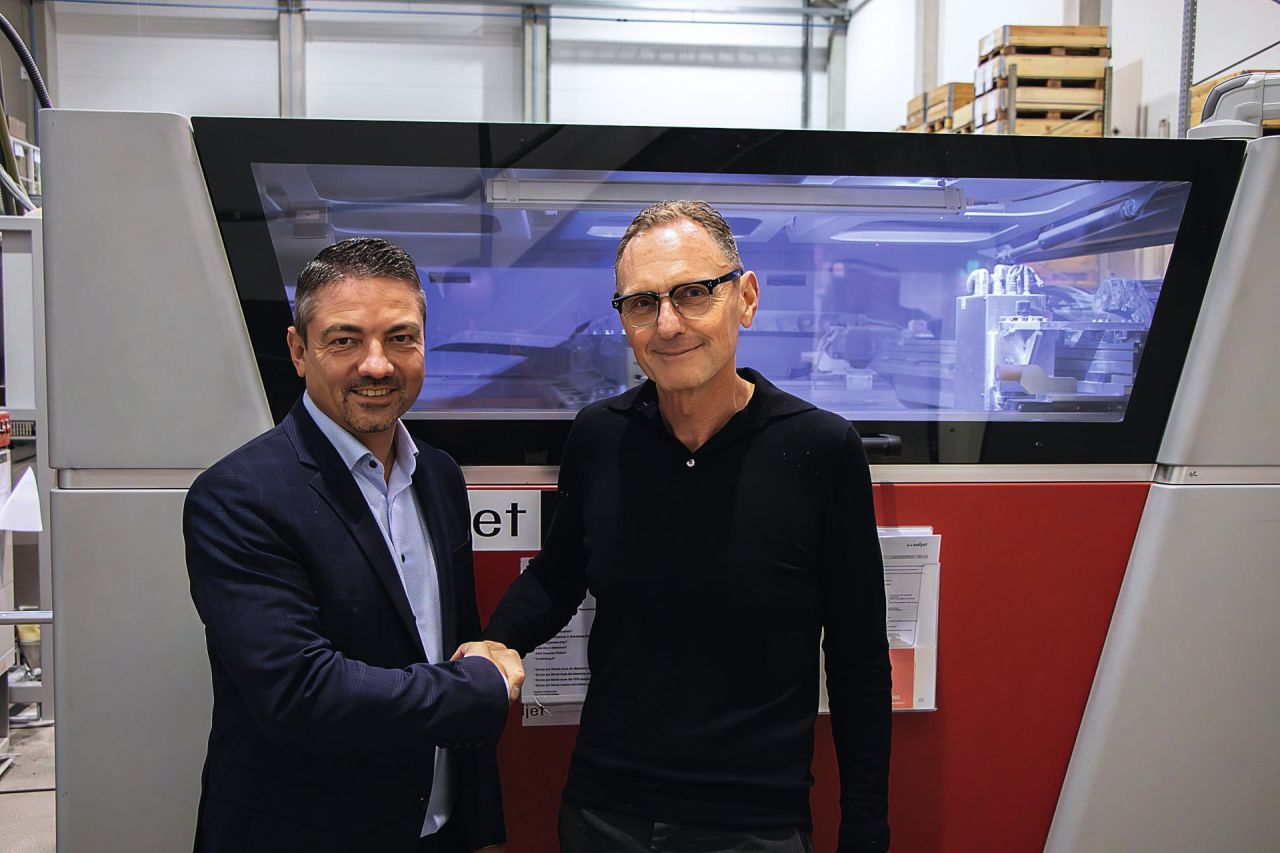
In a move aimed at solidifying their market position and addressing customer concerns, ExOne and voxeljet, two prominent names in industrial binder jet 3D printing, particularly for sand casting applications, are integrating their aftermarket service and support operations. This strategic consolidation, spearheaded by ExOne CEO Eric Bader and Anzu Partners Managing Partner Whitney Haring-Smith, signals a renewed commitment to customer support and a revitalized public presence for the ExOne brand. The primary objective of this integration is to ensure continuity and enhance the global service network for the nearly 500 installed machines currently operating in the field.
The integration comes at a critical juncture for many users who have experienced uncertainty following ExOne’s acquisition by Desktop Metal. Concerns about who to contact for support, the availability of spare parts, and the potential disappearance of crucial services had become prevalent. This new initiative directly addresses those anxieties, with the explicit priority being the stabilization and strengthening of customer support infrastructure.
Stabilizing Support: A Priority for a Global Network
The most immediate and tangible outcome of the ExOne-voxeljet integration is the creation of a unified global network for aftermarket service and support. This coordinated effort is designed to eliminate any disruption for existing customers. Eric Bader emphasized the urgency of this decision, stating, "There are close to 500 installed machines in the field, and customers need to know there will be no disruption." This proactive approach underscores a commitment to maintaining operational uptime for their clientele.
Whitney Haring-Smith highlighted the immediate benefits for customers, describing the combined service team as an "immediate upgrade." He elaborated, "They now get roughly double the technician coverage, and those technicians are not new hires. Many have deep experience. Service technicians in general, on average, have a decade of experience, and some of them have more than two decades." This depth of experience is crucial in a specialized field like industrial 3D printing, where troubleshooting and maintenance require intricate knowledge of complex machinery. Furthermore, the retention of experienced technicians signals to customers that the support structure is not being "hollowed out," but rather fortified with seasoned professionals.
The integration process has involved a careful selection of service technicians, retaining those with the most valuable expertise. This deliberate approach ensures that the institutional knowledge and practical skills necessary to support a diverse range of machines are preserved and leveraged. For companies relying on binder jet technology for critical production processes, this continuity of expert service is paramount.

A "Fresh Air" Moment Following a Turbulent Year
The announcement comes as a welcome respite for many in the industry who have navigated a period of significant consolidation and restructuring within the additive manufacturing (AM) sector. The integration of ExOne under Desktop Metal’s umbrella had, for some customers, created a sense of apprehension regarding ongoing support. Bader acknowledged these concerns, noting, "With so much consolidation, customers have been nervous about uptime, service, and parts. The Americas were especially urgent because many ExOne customers had been dealing with the turmoil around Desktop Metal."
The strategic advantage of voxeljet’s existing service base, particularly its established presence outside Detroit in Canton, Michigan, has been instrumental in this integration. Bader explained, "voxeljet already had a functioning service base outside Detroit (Canton/Detroit area), and ExOne can now ‘hook on’ to that structure to restore consistency. We can start spare parts once again, we can make service calls from there." This leveraged infrastructure provides a robust foundation for rebuilding and expanding the service capabilities, ensuring that customers can once again rely on prompt and effective support. The core theme driving this consolidation is the commitment to "stability first" for their customer base.
The Role of Anzu Partners: Long-Term Vision and Stability
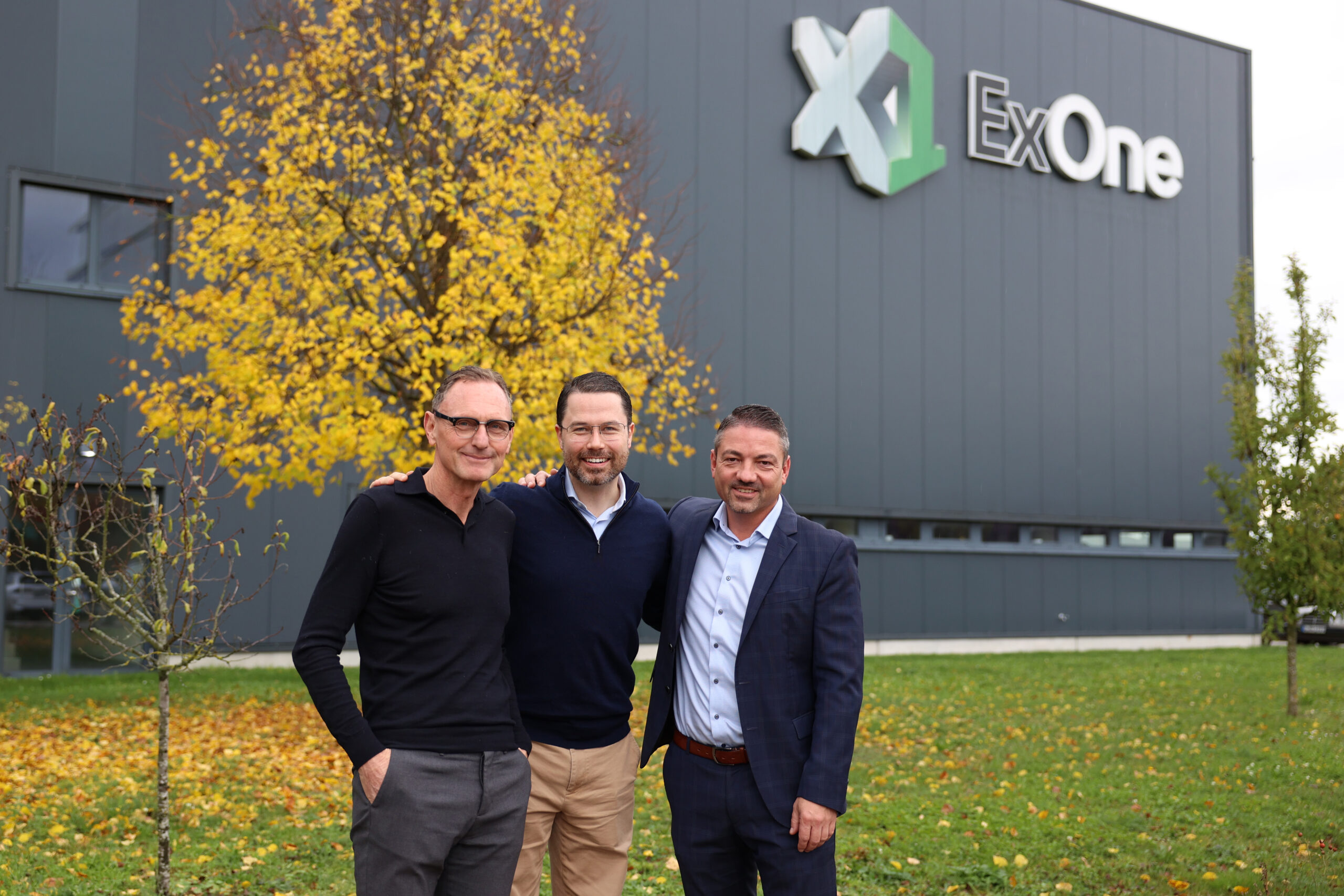
The organizational structure following this year’s acquisitions has been clarified, with Anzu Partners positioned as the investment firm backing ExOne. Haring-Smith, a co-founding Managing Partner at Anzu, provided insight into the firm’s approach. Anzu Partners manages approximately $1 billion in assets and oversees a portfolio of 40-50 companies, with ExOne being a significant holding.
A key message directed at customers is Anzu’s long-term investment horizon. When asked about the company’s longevity, Haring-Smith stated, "Anzu holds ExOne in a fund with a long runway. We hold this in a fund that stretches into the 2030s, so we’re focused on building a company that is an enduring partner for our customers." This commitment dispels any notion of a short-term financial maneuver or a "keep it quiet" asset. Instead, it signals a strategic intent to foster growth and innovation within ExOne, positioning it as a stable and reliable long-term player in the industrial 3D printing market. This contrasts with the perception of ExOne operating as a more discreet asset under Desktop Metal’s previous ownership structure.
Innovation Remains a Cornerstone: Bolstering R&D Capabilities
Beyond customer service, innovation is identified as the "second pillar of the combined company." The leadership teams from both ExOne and voxeljet’s research and development departments are being retained and integrated. Andy Vardaman, who leads R&D at ExOne, and Alfred Breer, head of R&D at voxeljet, will continue their roles within the new structure. This continuity ensures that the technological expertise that has driven advancements in binder jet technology remains intact.
Haring-Smith emphasized that "technology innovation is at the heart of both companies." The synergy between the two R&D groups is expected to unlock significant potential. Bader elaborated on this point, stating, "The real opportunity is the knowledge built up over more than 20 years, and the best part is that now the teams can actually share what they know. You see them now exchanging, seeing the opportunities, one can use what the other department developed and vice versa. More importantly, the combined R&D group will be larger than either company’s R&D team was on its own." This pooling of resources and expertise is anticipated to accelerate the development of next-generation binder jet solutions.
Looking ahead to 2026, the company has outlined three key areas of focus. The first is speed, encompassing both machine performance and the responsiveness of service and spare parts delivery. The second is local support, with the objective of ensuring customers can access assistance within their respective regions, whether in Asia, Europe, or the United States. This localized approach is crucial for building trust and providing timely solutions across diverse global markets.
The third focus is the continued advancement of binder jet technology itself. The combined R&D teams are poised to play a pivotal role in shaping the future of this technology, with further details on their roadmap expected in subsequent announcements.
Binder Jet Technology: Proven Applications and Emerging Opportunities
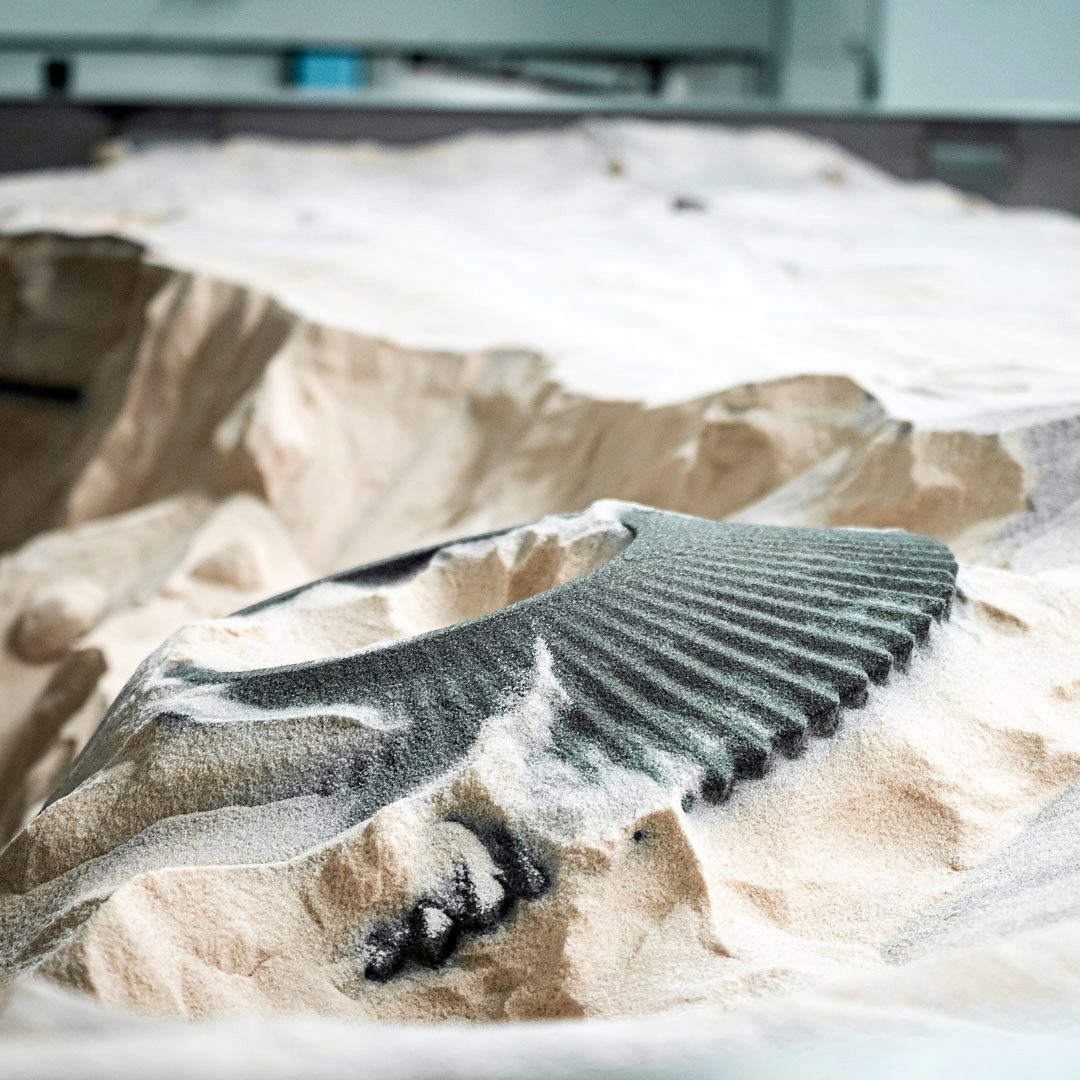
Bader also provided context on the current strengths and future potential of binder jet technology, highlighting its established role beyond the more frequently discussed metal applications. He pointed specifically to its widespread adoption in the production of sand molds and cores for casting. This application has been a production reality for many years, particularly within the foundry industry, where binder jet machines are utilized for manufacturing end-use parts, not merely prototypes.

Emerging opportunities are also being explored in sectors beyond traditional automotive manufacturing. Industries such as aerospace, energy, pumps, and defense are increasingly recognizing the value of binder jet technology for creating lightweight components and improving operational efficiency. Bader illustrated this with an example, noting that even minor improvements in a component like a pump can translate into significant energy savings over the equipment’s lifecycle. This underscores the broad impact and economic benefits that advancements in binder jet technology can deliver across various industrial sectors.
Future Outlook and Rebuilding Customer Confidence
The executives indicated that further updates regarding the integration and strategic direction will be released in the near future. While internal integration efforts are ongoing, the immediate priority remains on aligning teams and establishing clear priorities to guide the company forward. Specifics about the overarching plan are anticipated in the coming weeks.
For ExOne and voxeljet, the paramount objective is to rebuild and reinforce customer confidence. This involves demonstrating a steadfast commitment to providing robust support for the machines already deployed in the field. In an industry that has witnessed considerable flux, the companies aim to assure their customers that the service teams are in place, the global support network is expanding, and the collective focus is on driving the technology forward.

As Bader and Haring-Smith articulated, success in the coming years will be measured by the company’s ability to consistently deliver value to its customers. This includes enhancing machine speeds, improving service responsiveness, and ultimately, providing a stronger overall value proposition. The integration of ExOne and voxeljet’s service operations marks a significant step in this direction, signaling a renewed dedication to leadership and customer satisfaction in the binder jet 3D printing landscape.