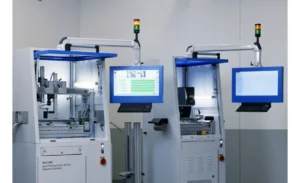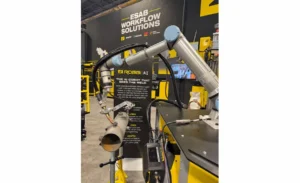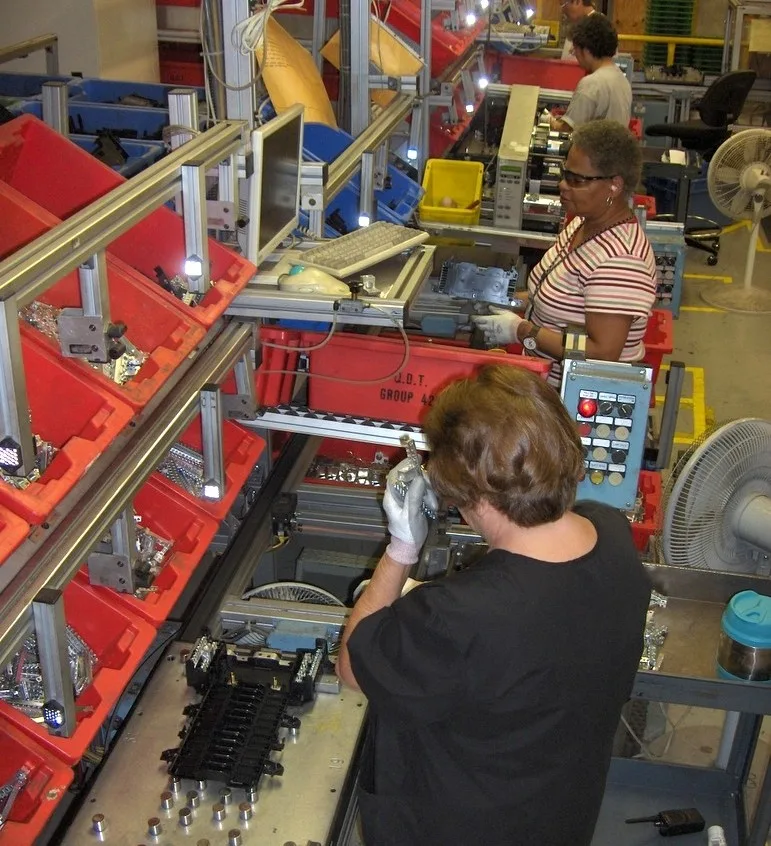
SAN FRANCISCO — A critical chasm in skilled labor threatens to derail the burgeoning resurgence of American manufacturing, despite a recent surge in U.S. factory construction and reshoring initiatives, according to a new report from MISUMI Americas. The report, titled "The Rise of U.S. Manufacturing," underscores that while domestic manufacturing output has soared to a record $2.91 trillion, its long-term viability and capacity for growth are increasingly reliant on an urgent and comprehensive overhaul of workforce development strategies. The core challenge identified is the rapid development of a sufficient pool of skilled workers capable of operating the increasingly advanced and automated facilities that define modern manufacturing.
The American Manufacturing Resurgence: A Double-Edged Sword
The narrative of American manufacturing has undergone a significant transformation in recent years, shifting from a period of decline and offshore migration to one of renewed vigor and strategic importance. This resurgence is not accidental but is fueled by a confluence of factors. Global supply chain disruptions, starkly highlighted during the COVID-19 pandemic, exposed the vulnerabilities inherent in over-reliance on foreign production, catalyzing a widespread push for reshoring and diversification. Geopolitical considerations, particularly concerning national security and technological independence, have further underscored the imperative to rebuild domestic manufacturing capabilities. Landmark legislation, such as the CHIPS and Science Act, which dedicates billions to semiconductor research and manufacturing, and the Inflation Reduction Act, with its substantial investments in clean energy manufacturing, have provided unprecedented incentives for companies to build and expand factories within the United States. Additionally, massive infrastructure spending initiatives are driving demand for American-made materials and components.
This renewed investment has translated into a historic construction boom for new manufacturing facilities across the nation. States like Arizona, Ohio, and Texas have become hubs for multi-billion-dollar projects, ranging from semiconductor fabrication plants to electric vehicle battery factories. This economic activity, while overwhelmingly positive, has inadvertently intensified a pre-existing challenge: the profound and growing scarcity of skilled labor. The influx of advanced manufacturing operations demands a workforce equipped with specialized skills far beyond traditional assembly line roles, creating a paradox where opportunity abounds, but the human capital to seize it remains elusive.
Deep Dive into the Workforce Crisis: A Looming Shortfall
The "Rise of U.S. Manufacturing" report paints a stark picture of the impending labor crisis. It projects that by 2033, the domestic manufacturing sector will require an additional 3.8 million workers to meet demand and maintain its growth trajectory. Disturbingly, nearly half of these critical positions—approximately 1.9 million jobs—are projected to remain unfilled if current trends persist and no decisive action is taken. This isn’t merely a matter of quantity; it’s a profound qualitative challenge. Modern manufacturing jobs are increasingly technical, requiring proficiency in areas such as robotics programming, advanced automation, data analytics, artificial intelligence, additive manufacturing, cybersecurity for operational technology (OT) systems, and sophisticated quality control protocols. The traditional image of a manufacturing job as physically demanding, repetitive, and low-skilled is rapidly becoming obsolete, replaced by roles that demand critical thinking, problem-solving, and continuous learning.
This skills gap is exacerbated by several demographic and systemic factors. A significant portion of the existing manufacturing workforce is nearing retirement age, leading to an anticipated "silver tsunami" of experienced workers exiting the industry. According to a 2021 report by Deloitte and The Manufacturing Institute, the skills gap could cost the U.S. economy $1 trillion by 2030 if left unaddressed, highlighting the immense economic stakes. Furthermore, there has been a long-standing societal perception issue, with vocational and technical careers often undervalued in educational systems that prioritize four-year college degrees. This has resulted in an insufficient pipeline of young talent entering skilled trades and technical fields. The speed of technological advancement also means that skills quickly become outdated, necessitating robust lifelong learning and reskilling programs that are not yet widely or effectively implemented. Dave Evans, president and CEO of MISUMI Americas, succinctly captures the urgency: "The investment case for American manufacturing has never been stronger—record output, a historic construction cycle, trillions in committed foreign capital. What we see with our customers every day is that the next constraint isn’t capital. It’s having enough people with the right advanced skills to run these facilities at full capacity."
H.R. 9097: A Legislative Response to Nurture Expertise
Recognizing the escalating urgency of this workforce challenge, legislative efforts are underway to provide innovative solutions. One such initiative is H.R. 9097, the American Manufacturing Revitalization Exchange Program Act, introduced last month by Representative Bill Huizenga (R-MI). This bipartisan legislation, currently pending before the influential House Committee on Foreign Affairs, proposes a unique approach to accelerate the development of advanced manufacturing skills within the U.S. workforce.
The core mechanism of H.R. 9097 is the creation of a structured international exchange program. Under this proposed act, American manufacturing workers would be afforded opportunities to travel to allied nations renowned for their excellence in advanced production techniques, such as Germany, Japan, and South Korea. These countries boast highly sophisticated manufacturing ecosystems, robust apprenticeship programs, and a culture of continuous innovation in areas like Industry 4.0, precision engineering, and lean manufacturing. Participants in the exchange program would receive hands-on training directly within these cutting-edge environments, immersing themselves in best practices, novel technologies, and advanced operational methodologies. The intent is for these workers to then return to the United States, bringing back invaluable knowledge and practical experience to bolster the domestic manufacturing sector.
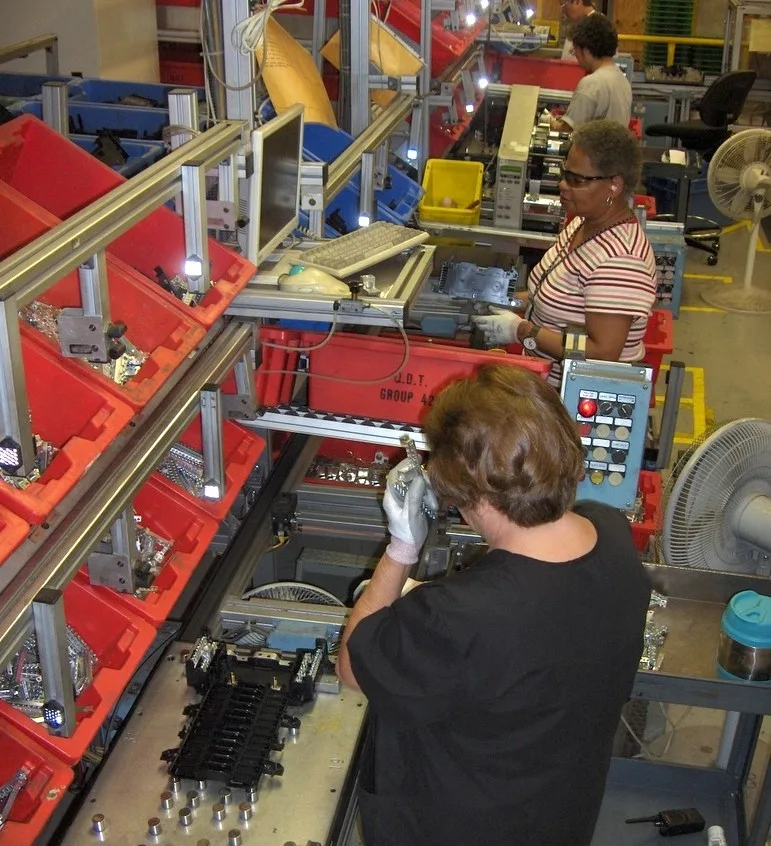
Congressman Huizenga emphasizes the multifaceted benefits of such a program. "Having a strong manufacturing sector is critical to our economy, national security, and ability to compete globally," he explained upon introducing the bill. "By focusing on advanced manufacturing…this legislation will help reshore American manufacturing, equip American workers with in-demand skills, and rebuild our nation’s middle class." His statement underscores the strategic imperative of a skilled workforce not just for economic prosperity, but also for ensuring national resilience and maintaining a competitive edge in a globalized economy. The bill aims to accelerate the domestic pipeline of skilled workers, which, while growing, is not keeping pace with demand. By leveraging the expertise of international partners, the United States can rapidly upskill its workforce and adapt proven models of technical education and industrial training.
Industry and Advocacy Support for Workforce Development
The American Manufacturing Revitalization Exchange Program Act has garnered significant support from key industry organizations and advocacy groups, highlighting a broad consensus on the need for proactive measures to address the skills gap. Organizations such as Automation Alley, a leading Industry 4.0 knowledge center and Michigan’s largest technology business association, have publicly endorsed the bill. Automation Alley’s support stems from its mission to help manufacturers adopt advanced technologies and develop the workforce necessary to implement them, viewing international exchanges as a vital component of a comprehensive strategy.
Similarly, The Manufacturing Institute (MI), the workforce development and education partner of the National Association of Manufacturers (NAM), has thrown its weight behind the legislation. MI has long been at the forefront of efforts to close the skills gap through initiatives like "Creators Wanted," a national campaign designed to change perceptions of modern manufacturing careers and inspire a new generation of talent. Their endorsement of H.R. 9097 aligns with their broader goal of building a robust and competitive manufacturing workforce, seeing the exchange program as an effective means to accelerate the acquisition of critical advanced skills. The National Association of Manufacturers (NAM) itself, representing 14,000 companies across all industrial sectors, views the skills gap as one of the most pressing challenges facing its members. NAM’s support for the bill reflects its commitment to advocating for policies that strengthen the manufacturing sector, enhance workforce capabilities, and ensure America’s global industrial leadership. These endorsements underscore the industry’s recognition that collaborative, innovative solutions are essential to overcome the workforce crisis.
Broader Strategies for Sustainable Workforce Development
While H.R. 9097 represents a targeted and innovative legislative effort, addressing the manufacturing skills gap requires a multi-pronged, sustained national strategy involving government, industry, and academia. Complementary approaches are crucial for building a resilient talent pipeline:
- Strengthening Vocational and Technical Education: Reinvigorating vocational schools and community colleges is paramount. These institutions are ideally positioned to offer hands-on training in specific manufacturing disciplines, from CNC machining and welding to robotics and industrial automation. Increased funding, industry-aligned curricula, and modern equipment are essential to make these programs attractive and effective.
- Expanding Apprenticeship Programs: Emulating successful models from countries like Germany, the U.S. needs to significantly expand registered apprenticeship programs. These earn-while-you-learn models provide structured on-the-job training combined with related classroom instruction, producing highly skilled workers tailored to industry needs.
- Industry-Education Partnerships: Closer collaboration between manufacturers and educational institutions is vital. Companies can provide input on curriculum development, offer internships, donate equipment, and engage in mentorship programs, ensuring that graduates possess the skills employers genuinely need.
- Retraining and Upskilling Existing Workers: Investing in the current workforce through continuous learning programs is crucial, particularly as technology evolves rapidly. Companies must adopt a culture of lifelong learning, providing opportunities for employees to acquire new skills and adapt to automation and digitalization.
- Promoting STEM Education: Fostering interest in Science, Technology, Engineering, and Mathematics (STEM) from an early age is fundamental. Engaging students in hands-on projects and exposing them to modern manufacturing environments can inspire future generations to pursue careers in the sector.
- Addressing Perception Issues: A concerted effort is needed to rebrand manufacturing jobs, highlighting their high-tech nature, competitive wages, career growth opportunities, and significant contribution to national prosperity and security.
- Strategic Immigration Policies: Exploring targeted immigration policies that attract and retain highly skilled foreign workers in critical manufacturing fields could provide a short-term solution while domestic pipelines are strengthened.
Economic and Geopolitical Implications: A Call to Action
The implications of failing to address the manufacturing skills gap extend far beyond individual companies or regional economies. On an economic front, an insufficient skilled workforce will inevitably lead to underutilized factory capacity, slower innovation cycles, and reduced productivity. This will directly impact the nation’s Gross Domestic Product (GDP), hinder economic growth, and ultimately diminish the competitiveness of U.S. manufacturing on the global stage. If American factories cannot produce goods efficiently and cost-effectively due to labor shortages, the rationale for reshoring weakens, potentially leading to a reversal of recent gains.
From a geopolitical perspective, a robust and self-sufficient manufacturing base is inextricably linked to national security. The ability to produce critical defense components, advanced technologies, and essential goods domestically reduces reliance on potentially volatile foreign supply chains, enhancing strategic autonomy. A skills gap, therefore, directly undermines this national security imperative, leaving the country vulnerable in times of crisis. The ability to innovate and lead in emerging technologies like advanced robotics, quantum computing, and biotechnology also hinges on a highly skilled manufacturing workforce capable of translating scientific breakthroughs into tangible products.
The challenge presented by the manufacturing skills gap is formidable, but it is not insurmountable. The "Rise of U.S. Manufacturing" report, coupled with legislative initiatives like H.R. 9097 and widespread industry support, signals a growing awareness and a collective will to tackle this issue. The path forward requires sustained collaboration among federal and state governments, industry leaders, educational institutions, and labor organizations. By investing strategically in human capital development, embracing innovative training models, and fostering a culture that values skilled trades, the United States can not only bridge the looming skills chasm but also secure its position as a global leader in advanced manufacturing for decades to come. The future of American industry, economic prosperity, and national security depends on it.