This week’s "What’s Selling Where" column from Hodinkee delves into a fascinating array of timepieces, from the subtly eccentric to the overtly luxurious. The curated selection highlights a vibrant secondary market, showcasing both enduring classics and more unconventional designs that are capturing the attention of collectors and enthusiasts. As the summer heat continues, the watch market remains as dynamic as ever, with notable sales and intriguing listings offering a glimpse into current collecting trends and the enduring appeal of horological artistry.
Market Recap and Early Indicators

The week kicked off with several previously highlighted pieces finding new homes. The Tudor Inter Miami Pink, a vibrant and distinctive offering, achieved a significant sale price of $29,700. This result underscores the market’s appreciation for limited editions and watches with strong thematic ties, even those with a more contemporary appeal. In contrast, a more historically grounded Longines Ultra-Chron, a model known for its robust engineering and classic design, sold for a more modest £440, indicating a bifurcated market where niche appeal and historical significance are valued differently.
The Jaeger chronograph, slated for sale on Saturday, remains a point of interest, with its final sale price anticipated to offer further insight into the market’s reception of this particular complication. Notably, two Tudor Ranger models, despite their availability, are still awaiting a buyer. This persistence on the market, even for models that might be considered desirable, suggests a period of careful evaluation by potential purchasers or perhaps a need for price recalibration.
Spotlight on Unique and Intriguing Timepieces

This week’s report shines a light on several watches that defy easy categorization, offering a compelling blend of historical significance, unique design, and horological substance.
The Understated Allure of the Hermès Caleche
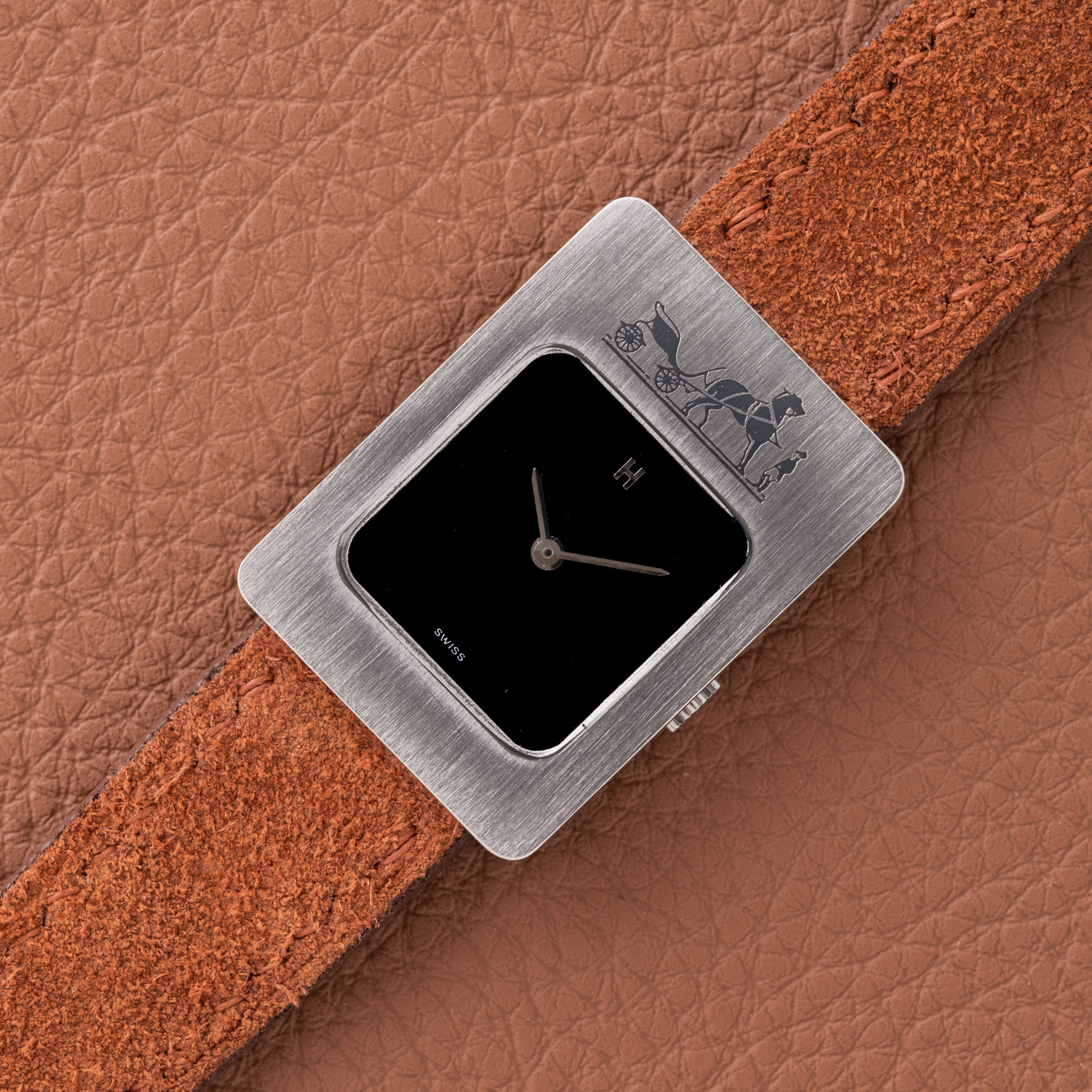
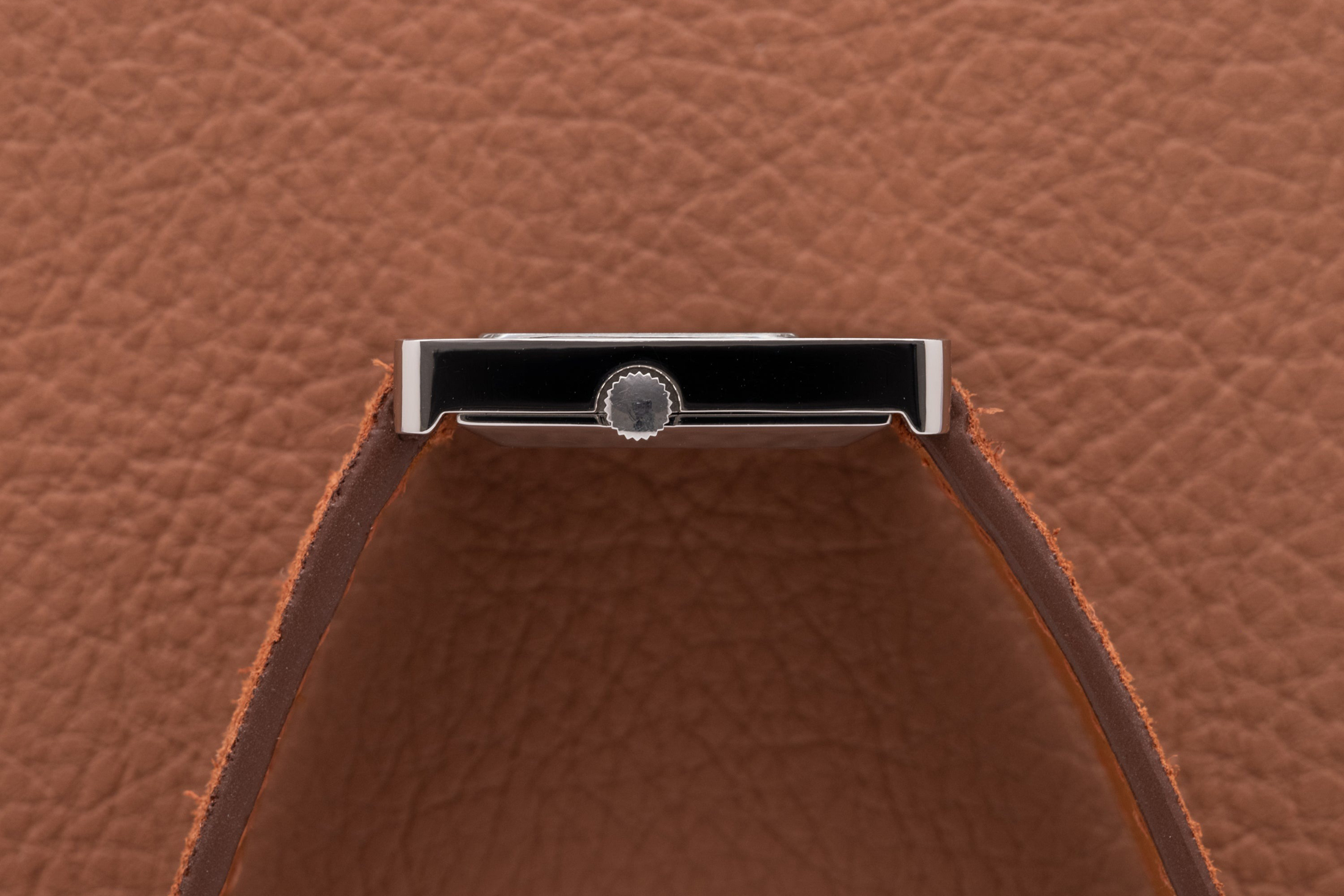
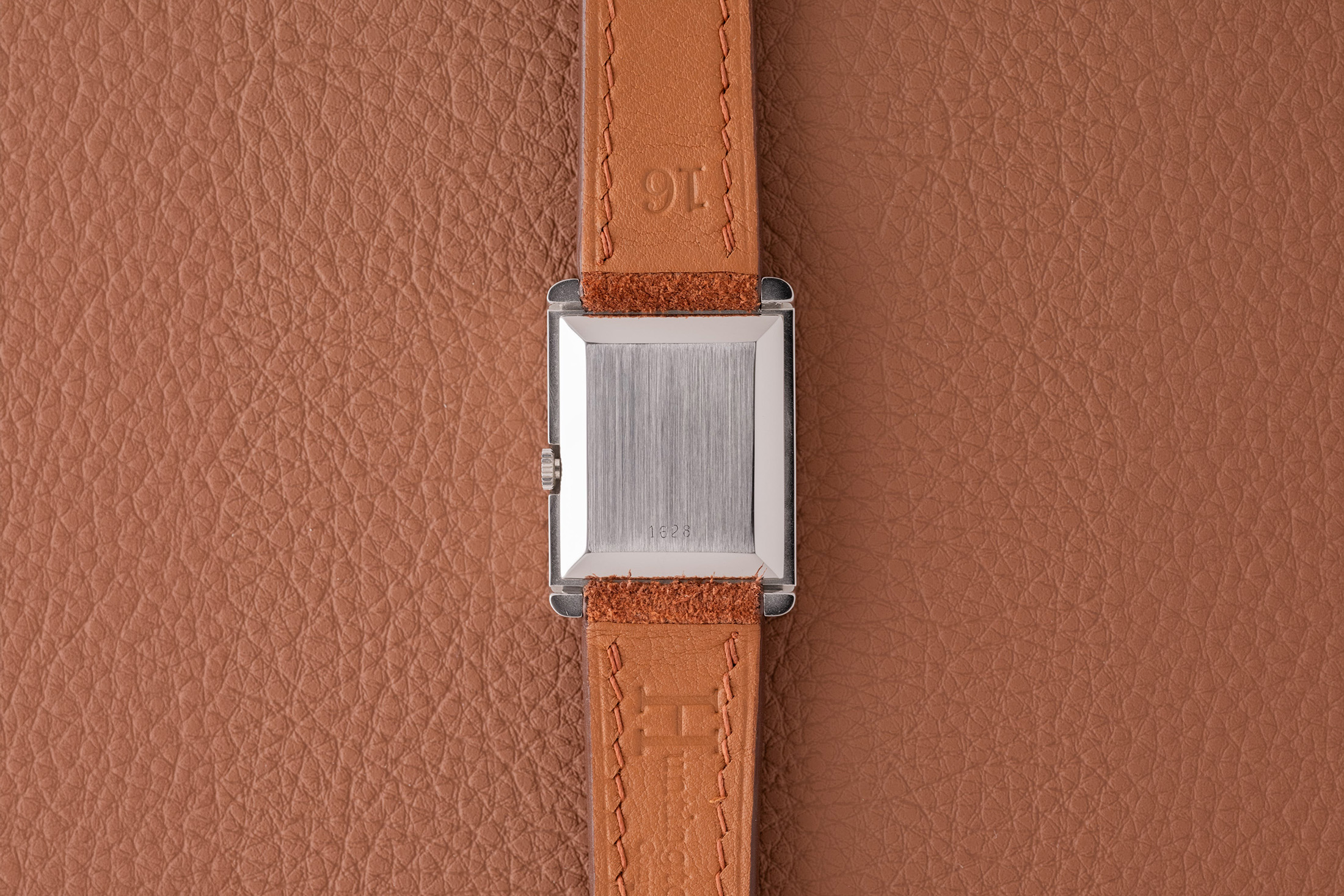
Among the more distinctive entries is a 1980s Hermès Caleche, presented by Huntington Company for $2,900. Initially, its visual presentation might have been understated, even peculiar. The emblem at the top of the dial, initially mistaken for wear, is revealed upon closer inspection to be the iconic Hermès carriage symbol, subtly embossed. This detail, while perhaps not immediately apparent, adds a layer of brand narrative to an already intriguing timepiece.
The Caleche, measuring a petite 24mm in width, presents a deep black dial characterized by a minimalist aesthetic. Its charm lies in its understated elegance and the quality of its execution. The case, described as "absurdly pretty," is reported to be in exceptional condition. This manual-wind watch, while perhaps not an ideal daily wearer for everyone, possesses a captivating allure that transcends its modest dimensions. The price point suggests an accessible entry into the world of vintage Hermès, a brand often associated with luxury leather goods but also possessing a notable history in watchmaking. The author’s sentiment that it’s "flawlessly gorgeous" hints at a growing appreciation for such unconventional pieces, suggesting that this Caleche might soon become a sought-after item.
The Chromed Angelus Anti-Magnétique Calibre 215: A Collector’s Entry Point
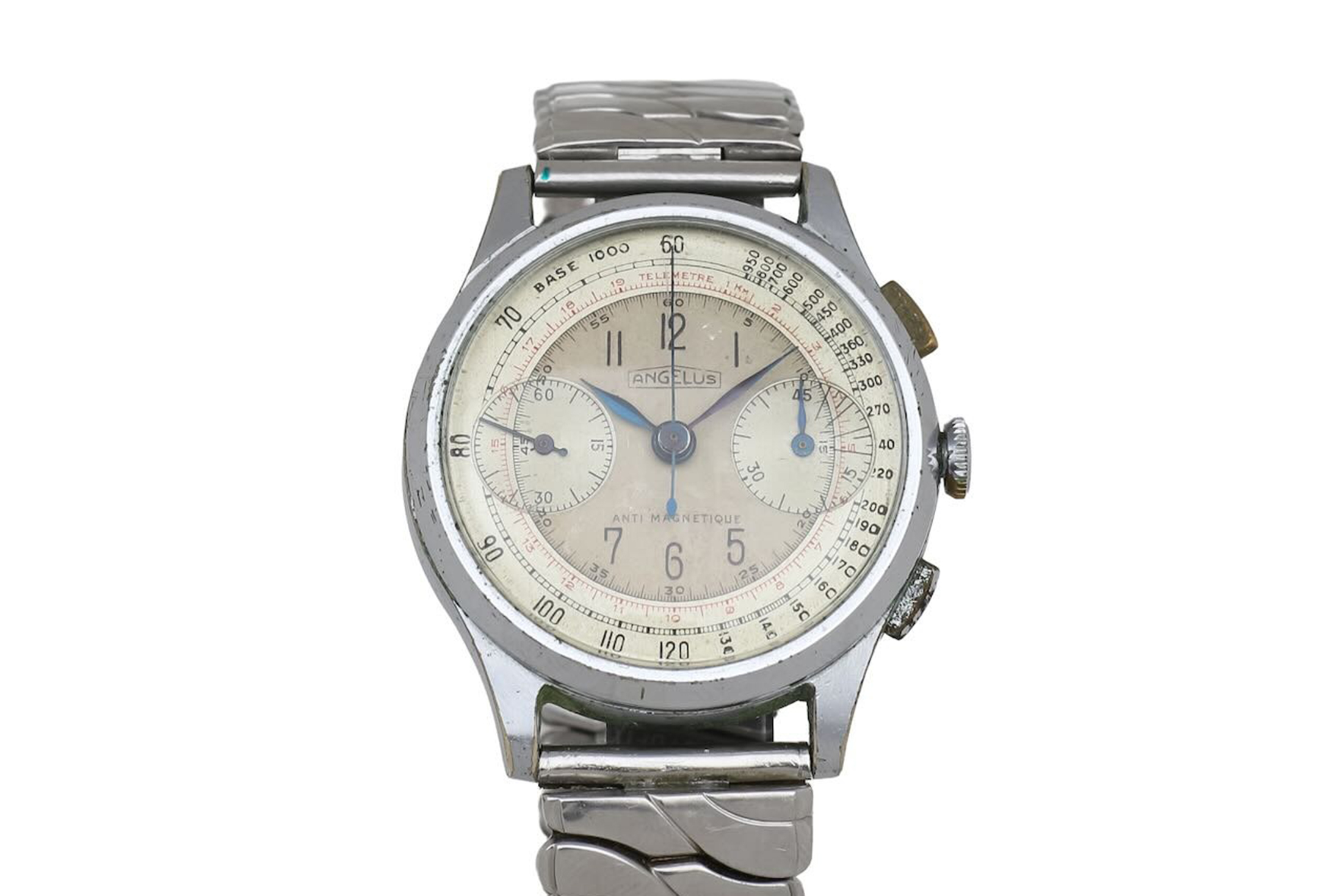
For those with an eye for vintage chronographs, an Angelus Anti-Magnétique Calibre 215, listed by Catherine Southon, presents a compelling proposition. While its chrome-plated case shows signs of wear, and the square pushers might not appeal to all, this watch represents a potentially significant entry point into the world of vintage chronographs.
The inclusion of the Angelus Calibre 215 movement is a key selling point. This column-wheel, vertical-clutch chronograph movement is a testament to robust horological engineering from its era. Beyond the mechanical prowess, the dial itself is a significant attraction. The sector dial, a design element that has seen a resurgence in popularity, is reportedly in very good condition. The single listing image, while somewhat washed out, suggests that the actual colors of the dial, particularly against the blued hands, would likely "pop nicely" in person.
This particular Angelus is scheduled to be auctioned on July 22nd, with an estimated price range of £800-£1,200. This valuation positions it as an accessible option for collectors looking to acquire a historically significant chronograph with a reputable movement and an attractive dial. The presence of wear on the case, while a factor, also contributes to its vintage authenticity and potentially its affordability.
The Opulent Rolex GMT-Master II ref. 116748SARU
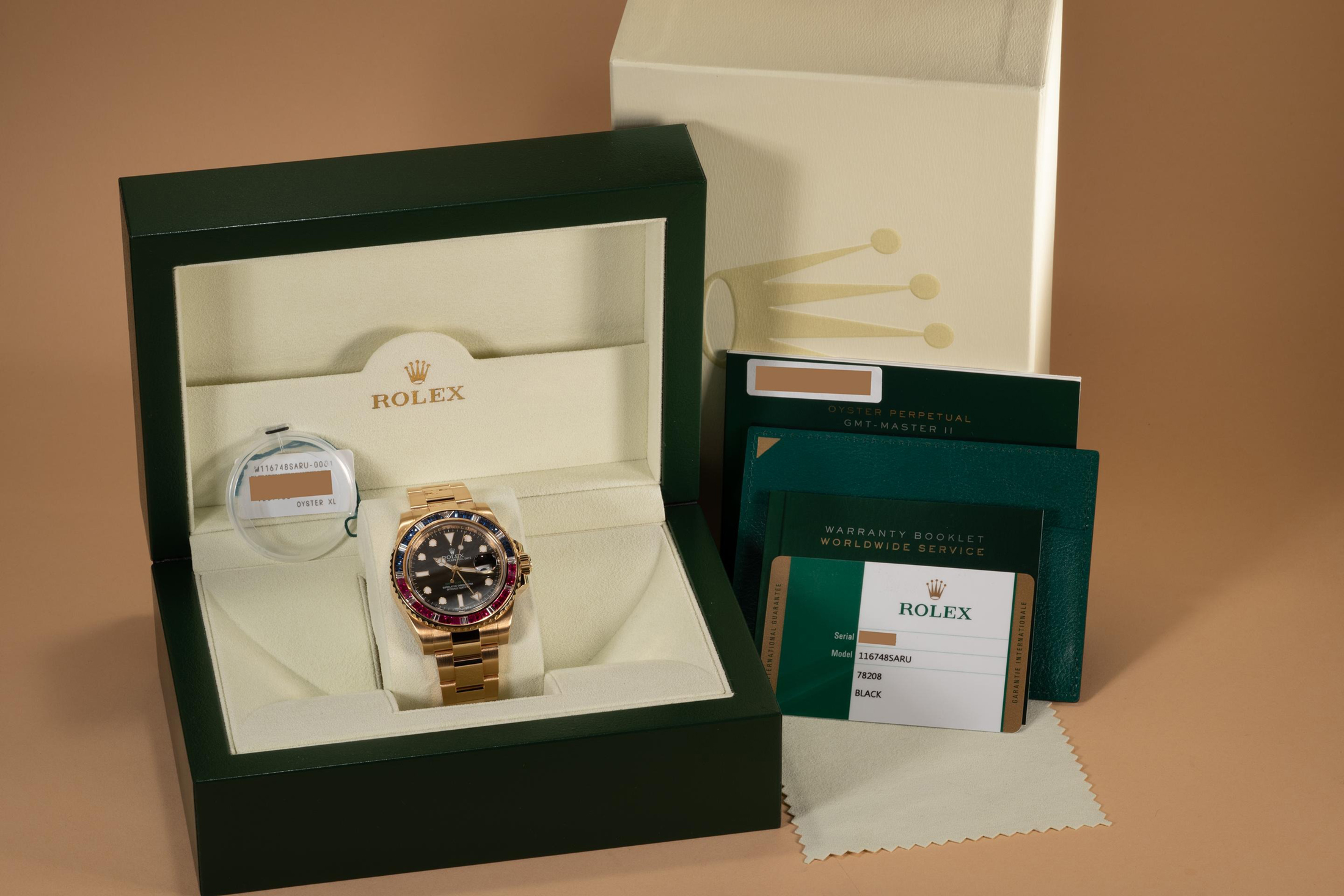
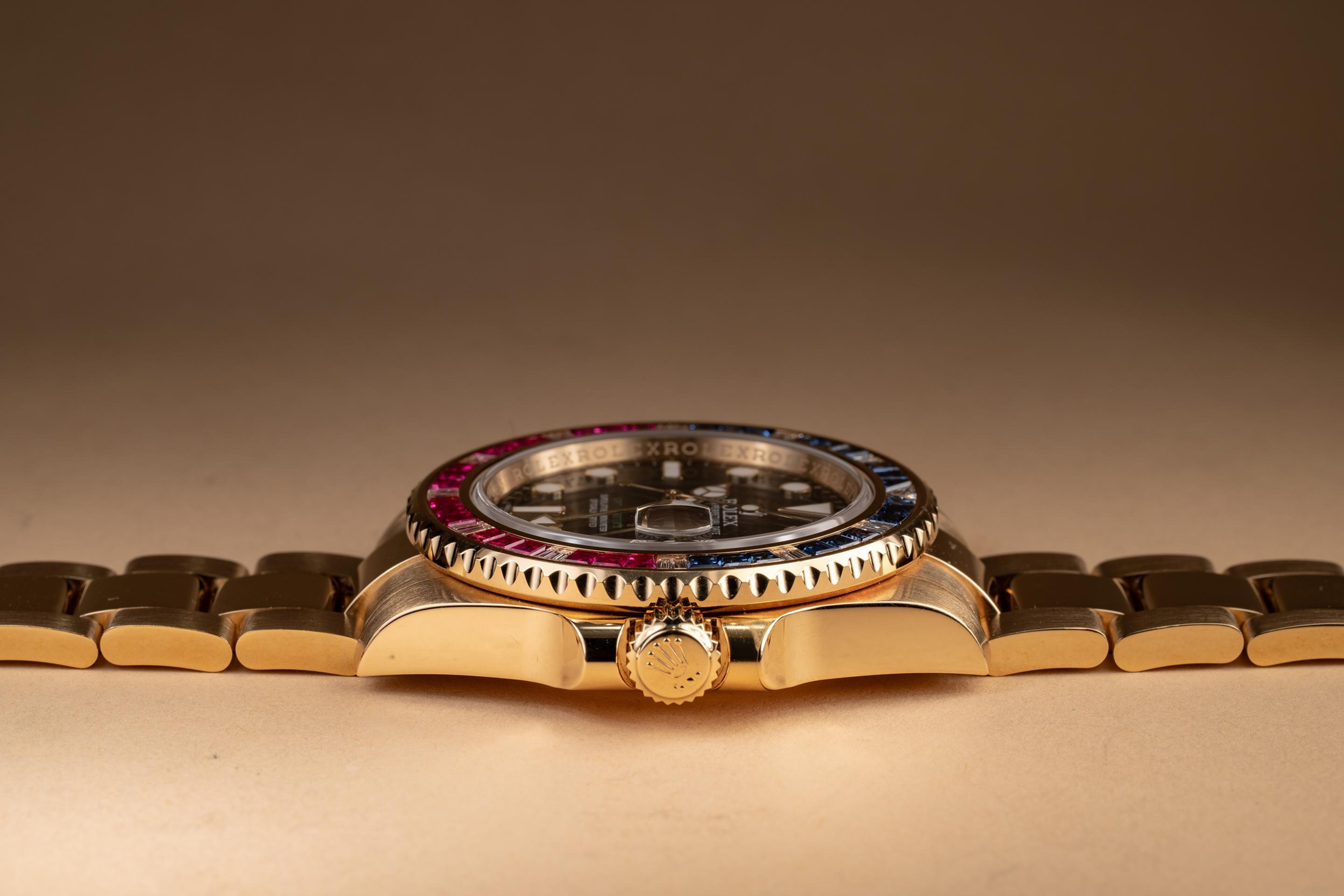
Representing the pinnacle of luxury in this week’s roundup is a Rolex GMT-Master II ref. 116748SARU, offered by Tropical Watch. This timepiece immediately distinguishes itself with its opulent design, featuring an 18k gold case and bracelet, further enhanced by a bezel adorned with sapphires and rubies. The "SARU" in the reference number explicitly denotes its "Sapphire and Ruby" embellishments.
The article acknowledges the inherent duality of gem-set Rolexes. While the brand is celebrated for its utilitarian tool watches and enduring reliability, it also produces pieces that embrace unadulterated luxury and "bling." This GMT-Master II exemplifies the latter, showcasing Rolex’s commitment to high-end craftsmanship. The text highlights the extraordinary internal control Rolex exerts over its production, from its own gold foundry to its in-house gem-setters who exclusively use internally flawless stones. This meticulous approach is evident in the watch’s construction and the quality of its embellishments.
The watch is priced at just under $92,000 and comes with its original box and papers, exhibiting only the lightest signs of wear. This level of preservation, coupled with the inherent value of the materials and the Rolex brand, justifies its significant price tag. The piece serves as a prime example of how Rolex can blend its tool-watch heritage with high-jewelry aspirations, creating a timepiece that is both functional and extraordinarily luxurious.
The Bulova White Prince: A Pioneer in Digital Timekeeping
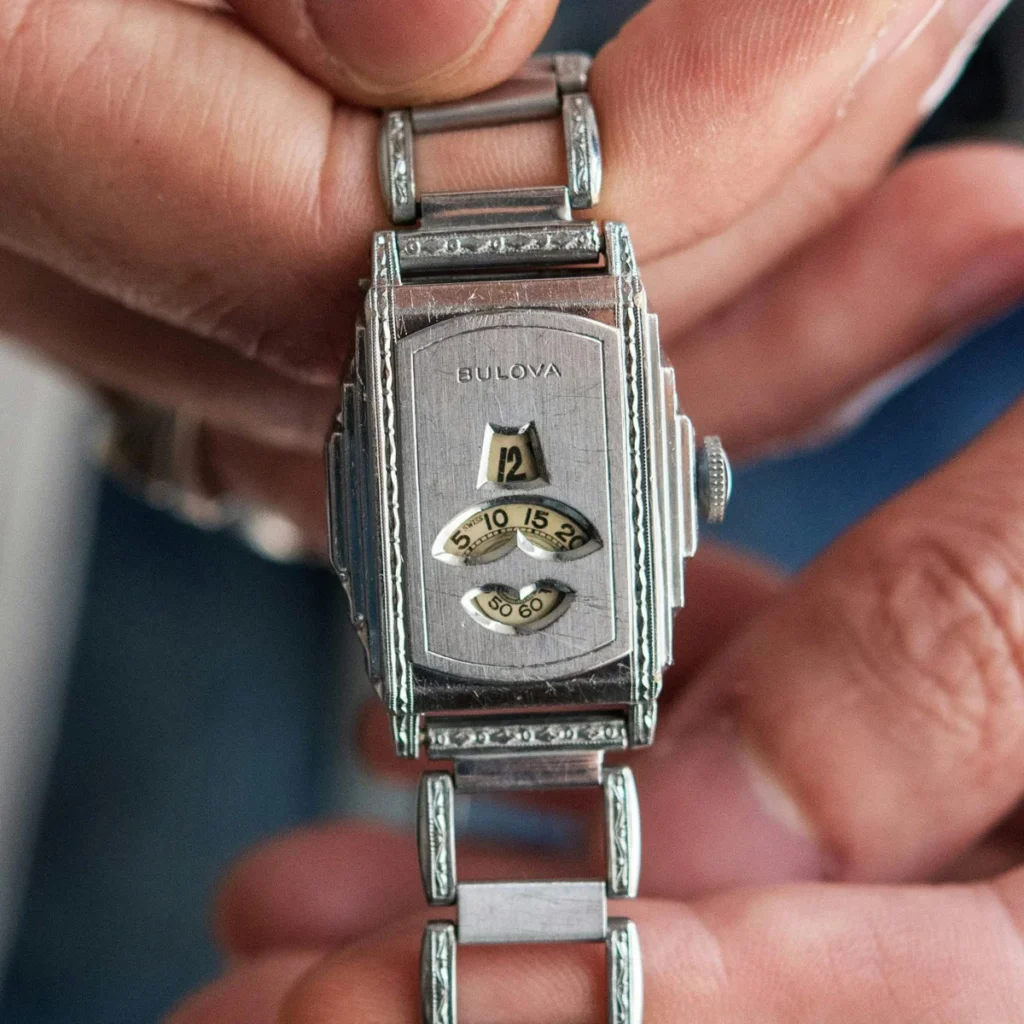
Stepping back into a different realm of horological innovation, the Bulova White Prince from 1932 is highlighted by Craft + Tailored for $4,500. This watch holds a significant place in history as Bulova’s first digital watch. While jump-hour watches have enjoyed a sustained period of popularity, the White Prince stands out as a more refined and historically important example.
The article notes that many vintage jump-hour watches can be found for under $1,000, making the Bulova’s price point considerably higher. However, this premium is justified by its pioneering status and exceptional condition. The example offered by Craft + Tailored is described as being "as good as you’re going to get from the time period."
Key features contributing to its desirability include the original bracelet, a rarity in itself. The discs displaying the hours, minutes, and seconds are in remarkably well-preserved condition, avoiding the typical darkening or soiling often seen in older jump-hour models. The typography of the numerals is particularly praised, with the "0 in the 10" cited as an example of its striking design. The case is elaborately ornate, featuring beveled and polished apertures for the discs, showcasing a level of craftsmanship that was considerable for its time and remains impressive today. The Bulova White Prince is presented not just as a watch, but as a significant artifact of early digital timekeeping.
Omega Constellations from the Goldberger Collection: A Study in Contrast
The "What’s Selling Where" column also features two exceptional Omega Constellation ref. 2852 models from the esteemed Goldberger collection, available through Monaco Legend Group. These two timepieces offer a fascinating contrast, highlighting the versatility and enduring appeal of Omega’s iconic Constellation line.
The Stainless Steel Example: Understated Elegance
The first piece is a stainless steel Constellation, estimated to sell between €1,000-€2,000. This example is characterized by its seemingly unpolished case, a honeycomb dial, and distinctive "shark-tooth" hour markers. While the dial exhibits minor flaws, these are argued to be outweighed by the watch’s overall excellence. A notable feature is its lume-free design, which will appeal to collectors concerned about the potential degradation of radium lume. The presence of the original decagonal crown and the Omega beads of rice bracelet further enhance its originality and desirability. This watch represents a more understated, yet equally compelling, expression of the Constellation’s heritage, focusing on material integrity and subtle design cues.
The Pink Gold Stunner: Unrivaled Luxury
In stark contrast, the second Omega Constellation ref. 2852 is a breathtaking pink gold example, with an estimate of €4,000-€8,000. The description emphasizes that the accompanying images speak volumes about its beauty. The dial is described as "the stuff dreams are made of," and the bracelet is lauded as "as sexy as they come." The caseback retains clear markings and hallmarks, a testament to its careful preservation. While the article notes some ambiguity regarding whether the case has been lightly polished or simply shows signs of age in its softer metal, this does not detract from its overall appeal. This pink gold Constellation embodies a more luxurious and overtly glamorous interpretation of the model, showcasing Omega’s ability to craft timepieces that are both technically proficient and aesthetically magnificent. The auction for this piece closes on the 25th, making it a timely opportunity for interested collectors.
A Patina-Rich Omega Seamaster from Goodwill
For those seeking a more budget-friendly Omega with a rich history, a "lovely patina-bomb" of what is likely an Omega Seamaster ref. 2846 is available at Goodwill. This offering, while less refined than the Constellations, represents a chance to acquire a vintage Omega with character and a story to tell, at a significantly lower price point.
Broader Market Implications and Trends
The diverse selection of watches featured in this week’s "What’s Selling Where" column reflects several ongoing trends in the secondary watch market. The continued strength of vintage chronographs, exemplified by the Angelus, suggests a robust demand for functional complications with historical significance. The appreciation for unique and less conventional designs, such as the Hermès Caleche, indicates that collectors are increasingly willing to explore beyond mainstream offerings, valuing individuality and distinctive aesthetics.
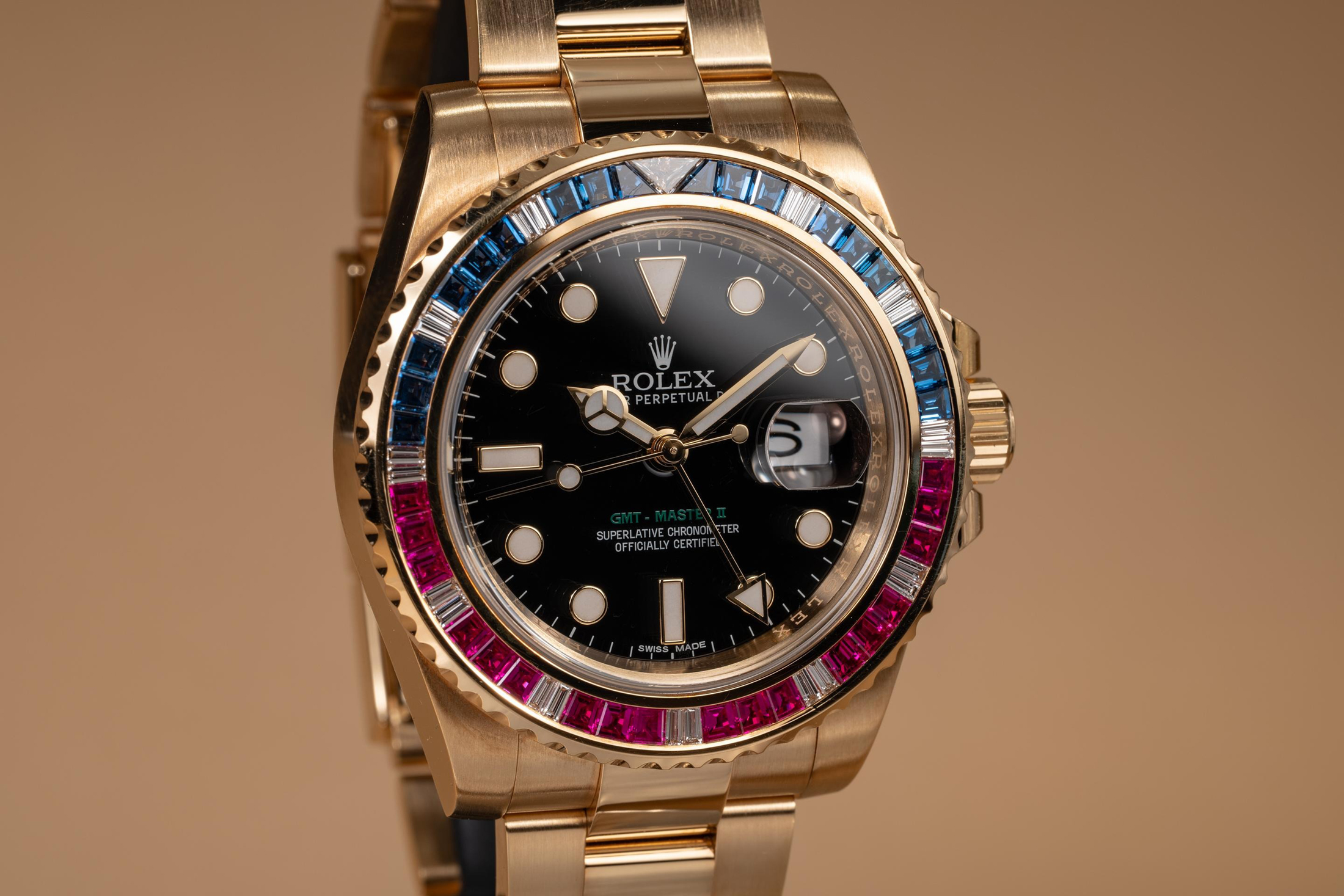
The presence of high-jewelry pieces like the Rolex GMT-Master II SARU underscores the continued demand for luxury timepieces that blend exceptional craftsmanship with precious materials and gemstones. This segment of the market remains resilient, catering to a clientele that seeks status and exclusivity.
Furthermore, the inclusion of pioneering pieces like the Bulova White Prince highlights a growing interest in horological innovation and historical milestones. As collectors become more educated and sophisticated, they are seeking out watches that represent significant advancements or turning points in watchmaking history.
The Omega Constellation examples, from the accessible stainless steel to the opulent pink gold, demonstrate the broad appeal and varied market segments within a single iconic model. The contrasting valuations and appeal of these two watches illustrate how factors such as material, condition, and provenance can significantly influence a timepiece’s market value.
Overall, this week’s report paints a picture of a healthy and diverse watch market. While established brands and desirable complications continue to perform well, there is also a clear appetite for unique, historically significant, and aesthetically bold timepieces. The market’s ability to accommodate such a wide range of offerings suggests a maturing collector base that appreciates not only the intrinsic value of a watch but also its story, its design, and its place in horological history. As the year progresses, these trends are likely to continue shaping the landscape of the vintage and pre-owned watch market.