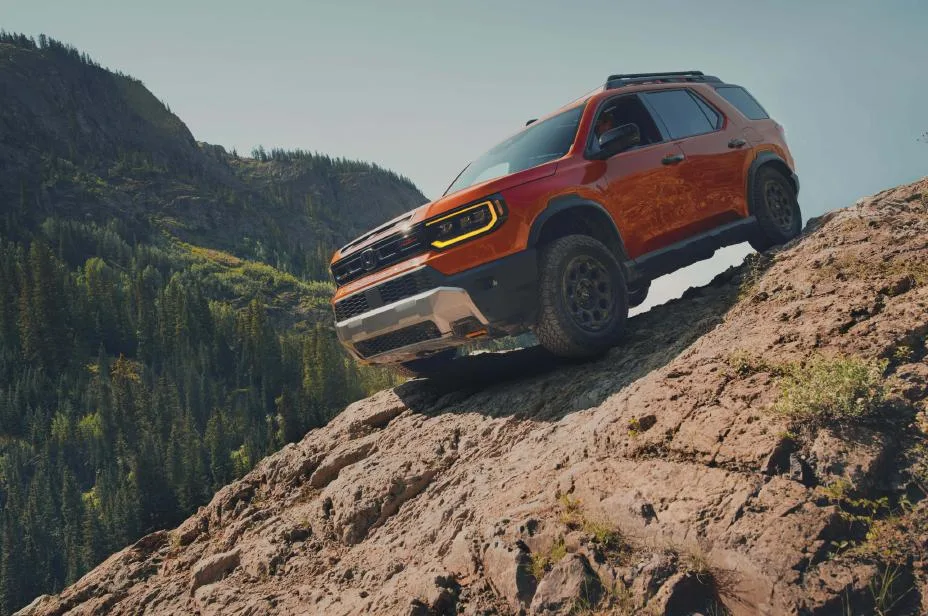
TORRANCE, CA – American Honda Motor Co. has initiated a safety recall affecting approximately 4,000 units of its 2026 model year Passport and Pilot sport utility vehicles. The recall addresses a significant manufacturing defect involving insufficiently tightened rear subframe bolts, a critical component for vehicle stability and occupant safety. These vehicles, assembled at Honda’s manufacturing facility in Lincoln, Alabama, face potential risks ranging from abnormal noise and reduced stability to the severe consequence of partial or complete detachment of the rear subframe.
The automaker’s internal investigation revealed that the issue stems from a series of errors introduced during the assembly process. Specifically, the introduction of a new rear subframe pallet on the production line led to an incorrect torque specification being applied during the bolt-tightening procedure. Compounding this error, inadequate grease application and improper gearbox adjustment of the tightening equipment, alongside an improperly adjusted subframe pallet clamp, further compromised the effectiveness of the bolt tightening process. This multi-faceted breakdown in quality control highlights the intricate challenges of modern automotive manufacturing and the absolute necessity of rigorous process validation.
Understanding the Critical Role of the Rear Subframe
To fully grasp the gravity of this recall, it is essential to understand the function of a vehicle’s rear subframe. The subframe is a structural component typically found at the front and/or rear of a vehicle, designed to support the engine, transmission, suspension, and steering components. In the case of the affected Honda SUVs, the rear subframe is integral to mounting the rear suspension system, differential, and other crucial components that dictate the vehicle’s handling, ride comfort, and overall stability.
Properly secured subframe bolts are paramount to maintaining the structural integrity of this assembly. These bolts are engineered to be tightened to a precise torque specification, which ensures a consistent clamping force. This clamping force is critical for preventing the bolts from loosening under dynamic driving loads, road impacts, and vibrations. If bolts are insufficiently tightened, as in the current Honda recall, they cannot maintain the necessary clamping force. Over time, or immediately upon experiencing significant stress, these bolts can begin to loosen, leading to play in the subframe assembly.
The consequences outlined by Honda — abnormal noise, reduced vehicle stability, and potential detachment — are direct results of this compromised structural integrity. Reduced stability could manifest as unpredictable handling, especially during turns or emergency maneuvers, significantly increasing the risk of a collision. In the most severe scenario, the partial or complete detachment of the rear subframe could lead to a catastrophic loss of control, endangering not only the vehicle’s occupants but also other road users. This underscores why manufacturers and regulatory bodies consider such defects to be high-priority safety concerns.
The Genesis of the Defect: A Manufacturing Process Breakdown
Honda’s detailed explanation of the defect’s origin points directly to a lapse in manufacturing process validation and quality control, particularly during a significant change on the assembly line. The introduction of a "new rear subframe pallet" served as the trigger for a cascade of errors:
- Insufficient Torque Specification: The primary issue was the application of an incorrect, or "insufficient," torque specification. When new equipment or processes are integrated into an assembly line, it is standard practice to thoroughly re-evaluate and recalibrate all associated parameters, including the precise torque required for critical fasteners. The failure to properly evaluate or verify these settings for the new pallet meant bolts were tightened to a lower-than-required specification from the outset.
- Inadequate Grease Application: Grease, or lack thereof, can significantly affect torque readings. Torque specifications are typically designed for specific friction conditions between the bolt threads and the mating surface. If inadequate grease was applied, the actual clamping force achieved for a given torque reading could be lower than intended, or the bolts might not reach their full seating potential, making them more prone to loosening.
- Improper Gearbox Adjustment of Tightening Equipment: Automated tightening equipment relies on precisely calibrated gearboxes to deliver the correct rotational force (torque). An improper adjustment here directly translates to inaccurate torque delivery, regardless of the programmed specification. This suggests a failure in the setup or maintenance of the robotic or automated tightening tools.
- Improperly Adjusted Subframe Pallet Clamp: The pallet clamp is likely responsible for securely holding the subframe in place during the assembly and bolt-tightening process. If this clamp was improperly adjusted, it could lead to misalignment, vibration, or an unstable base for tightening, preventing the bolts from being seated correctly or achieving the desired torque.
Collectively, these factors represent a multi-point failure in the assembly process, indicating that while individual components of the tightening system might have been functional, their integrated operation was flawed. This highlights the critical importance of holistic process validation, where all variables and interactions are thoroughly tested and verified after any significant change to the production line.
Chronology of Discovery and Regulatory Action
While Honda has not publicly disclosed a precise timeline for the discovery of the defect, the nature of manufacturing recalls typically follows a predictable sequence:
- Manufacturing Period: The affected 2026 model year Passport and Pilot vehicles would have been produced during an early production run, likely in late 2025 or early 2026, from the Lincoln, Alabama plant.
- Internal Discovery: Defects of this nature are often identified through internal quality audits, routine production line checks, or potentially through early field reports from dealers during pre-delivery inspections or initial customer warranty claims. Given that it’s a 2026 model year, it’s highly probable the issue was caught very early in the production cycle or even during internal testing of initial production units, before a widespread customer base developed.
- Investigation: Upon discovery, Honda’s engineering and quality control teams would launch an in-depth investigation to identify the root cause, determine the scope of affected vehicles, and assess the potential safety risk. This investigation would have pinpointed the issues related to the new subframe pallet and the associated tightening process errors.
- Decision to Recall: Once the safety risk is confirmed and the population of affected vehicles is identified, the manufacturer makes the decision to initiate a recall. This decision is often made in consultation with regulatory bodies.
- Regulatory Notification: In the United States, manufacturers are legally obligated to report safety defects and recall plans to the National Highway Traffic Safety Administration (NHTSA) within five business days of determining a defect exists. NHTSA then publishes this information, and the recall formally begins.
- Owner Notification: Honda will send formal recall notifications to affected vehicle owners via first-class mail, typically within 60 days of the NHTSA filing. These letters will detail the defect, the potential hazards, and instructions on how to obtain the free repair at an authorized Honda dealership.
- Remedy Implementation: Authorized Honda dealerships will inspect the rear subframe bolts. The prescribed remedy will involve properly tightening the bolts to the correct specification. If any bolts or surrounding components are found to be damaged due to the initial insufficient tightening, they would be replaced as part of the recall service.
Official Responses and Consumer Protection
In response to the recall, a spokesperson for American Honda Motor Co. would typically reiterate the company’s unwavering commitment to customer safety and product quality. While specific new statements beyond the technical explanation were not immediately provided, such an event often prompts a reaffirmation of the brand’s dedication to resolving issues promptly and transparently.
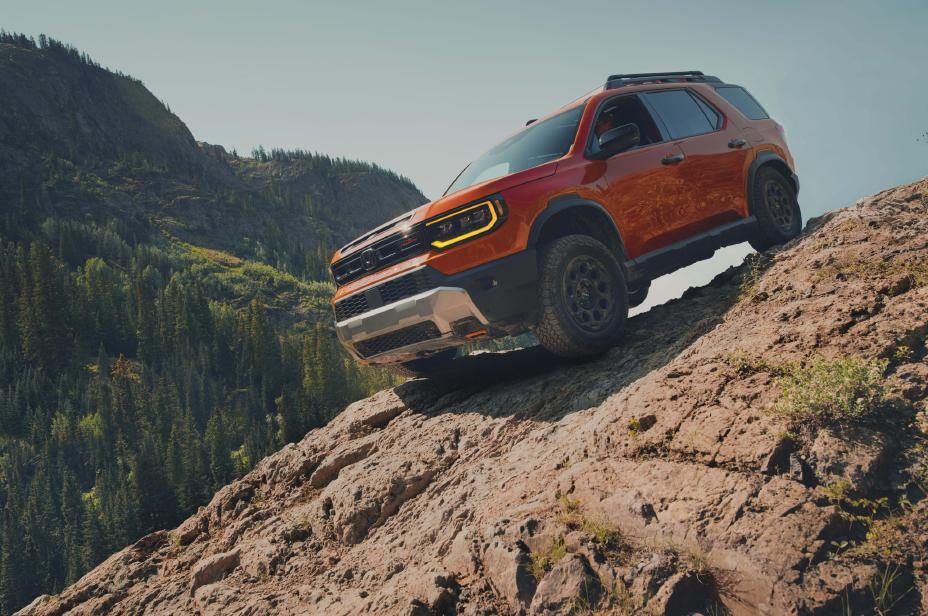
The National Highway Traffic Safety Administration (NHTSA) plays a crucial oversight role in recalls like this. As the primary federal agency responsible for vehicle safety, NHTSA monitors manufacturer recalls to ensure they are conducted effectively and that remedies are appropriate. Consumers can always verify if their vehicle is part of a recall by entering their Vehicle Identification Number (VIN) on the NHTSA website or Honda’s recall lookup portal. This recall underscores the continuous efforts of regulatory bodies to protect consumers from potentially hazardous vehicle defects. For affected owners, the key message from both Honda and regulatory bodies will be to schedule the necessary repair as soon as they receive notification, as the service will be provided free of charge.
Broader Implications for Honda and the Automotive Industry
While the number of vehicles involved in this specific recall (approximately 4,000 units) is relatively small compared to some mass recalls, its implications extend beyond the immediate financial and logistical burden.
Reputational Impact: Honda has cultivated a strong reputation for reliability and quality over decades. Even a minor recall involving a critical safety component like the subframe can subtly erode consumer trust. In an increasingly competitive automotive market, maintaining an impeccable quality record is paramount for brand loyalty and sales. Consumers often weigh safety records heavily when making purchase decisions, and any perception of manufacturing shortcuts can be damaging.
Financial Costs: Recalls incur significant costs for manufacturers. These include the expenses associated with notifying owners, shipping replacement parts (if needed), dealer labor for inspections and repairs, and administrative overhead for managing the recall process. While the repair itself (re-tightening bolts) might be straightforward, the cumulative costs for nearly 4,000 vehicles can still run into the millions, not accounting for potential legal liabilities if any incidents were to occur before the fix.
Manufacturing Quality Control Scrutiny: This incident will undoubtedly trigger an in-depth review of quality control procedures at Honda’s Lincoln, Alabama plant, and potentially across its global manufacturing network. It highlights the critical need for robust "process validation" protocols, especially when new equipment or components are introduced. The "new subframe pallet" being a direct cause suggests a gap in the engineering change management process, where the impact of a new component on existing assembly parameters (like torque settings) was not fully assessed or verified. This reinforces the importance of "first-time quality" principles and rigorous "error-proofing" (poka-yoke) strategies in modern assembly lines.
Lessons for the Industry: The automotive industry is increasingly reliant on complex automated assembly systems. This recall serves as a reminder that even advanced automation requires meticulous setup, calibration, and continuous human oversight. The interplay of mechanical components, software settings, and human intervention in ensuring quality is a constant challenge. This incident may prompt other manufacturers to review their own process validation procedures for critical fastening operations, particularly when introducing new production equipment or modifying existing lines.
Supply Chain and Automation Dynamics: The incident also indirectly touches upon the complexities of the modern automotive supply chain. While the issue was internal to Honda’s assembly process, it underscores how changes, even seemingly minor ones like a "new subframe pallet," can have profound effects if not managed with extreme diligence. It’s a testament to the intricate dance between machinery, human programming, and material science in high-volume manufacturing environments.
Moving Forward: Rebuilding Confidence
For Honda, the immediate priority will be to ensure all affected 2026 Passport and Pilot owners are promptly notified and have their vehicles inspected and repaired. Beyond that, the company will likely focus on reinforcing its internal quality assurance processes to prevent similar issues in the future. This could involve enhanced training for assembly line technicians and engineers, more stringent multi-stage validation processes for equipment changes, and increased auditing of critical fastening operations.
In an era where vehicle safety is paramount and consumer expectations for quality are higher than ever, incidents like this serve as powerful reminders of the continuous vigilance required in automotive manufacturing. While recalls are a standard part of the automotive landscape, reflecting a commitment to addressing defects, the goal for every manufacturer remains to produce vehicles that are flawless from the outset, ensuring confidence and safety for every driver on the road.