The Evolution and Scale of the 2026 Showcase
Coolest Projects, an initiative organized by the Raspberry Pi Foundation, has evolved from a local gathering in Dublin, Ireland, into a massive international movement. The 2026 online iteration underscores the program’s commitment to accessibility, allowing young people from varying socio-economic backgrounds to participate regardless of their geographical location. The 4,500 projects submitted this year were divided into seven distinct categories: Scratch, Games, Web, Mobile Apps, Hardware, Advanced Programming, and a special category for 3D design and digital art.
The logistics of managing an event of this scale involved a rigorous process of digital submission and community peer review. Each project required a video demonstration and a written explanation of the creator’s motivation and technical process. This pedagogical approach ensures that the event is not merely a competition but a learning journey that emphasizes "making" over "winning." The 15,000 participants involved in the 2026 cycle represent a 12% increase from previous years, reflecting a growing global interest in computer science education and creative problem-solving.
Expert Evaluation and the Role of VIP Judges
A hallmark of the Coolest Projects experience is the involvement of industry leaders and experienced mentors who serve as VIP judges. For the 2026 showcase, the judging panel featured experts from some of the world’s most influential technology and research institutions. These judges were tasked with selecting their favorite projects based on criteria including originality, technical complexity, and the potential for social impact.
Ronit Levavi Morad: Bridging AI and Pedagogy
Ronit Levavi Morad, the Strategy and Operations Lead at Google Research, served as a primary judge for the AI and Education-related categories. Morad is a renowned advocate for AI literacy and currently leads Google Research’s initiatives to integrate artificial intelligence into pedagogical frameworks. Her focus during the judging process remained on projects that utilized technology in service of humanity. Morad’s selection highlighted projects that moved beyond simple automation, focusing instead on "human-centered" visions. Her involvement emphasizes the Raspberry Pi Foundation’s ongoing collaboration with Google through initiatives like "AI Quests," a gamified learning experience designed to introduce teenagers to the ethical and practical applications of machine learning.
Ben Powley: The Path from Modder to Professional Developer
Representing the gaming industry was Ben Powley, a Senior Developer at Jagex. Powley’s professional background includes work on iconic titles such as RuneScape, Ubisoft’s Assassin’s Creed series, and Avatar: Frontiers of Pandora. Powley’s presence on the panel was particularly symbolic, as he began his own journey in technology at the age of 12 by creating mods for Minecraft. His participation serves as a direct link between childhood experimentation and high-level professional success. Powley focused on the "Games" and "Advanced Programming" categories, looking for creators who demonstrated a deep understanding of player immersion and technical optimization.
Akari Kawaguchi: The Importance of the Youth Perspective
In a move to ensure the showcase remains grounded in the experiences of its participants, 16-year-old Akari Kawaguchi joined the VIP panel. Kawaguchi is a mentor at CoderDojo Japan and a seven-time Coolest Projects participant. Her inclusion highlights the "mentor-led" philosophy of the CoderDojo movement. By having a peer-aged judge, the event provided a unique perspective on the challenges and triumphs of young coders. Kawaguchi’s favorites were projects that displayed "spark"—those that solved problems specific to a teenager’s worldview or demonstrated exceptional creativity with limited resources.
Sebin Sunny: Innovation and the Internet of Things (IoT)
The hardware and innovation sectors were evaluated by Sebin Sunny, CEO of the Entrepreneurship and Innovation Center (EIC) at the Indian Institute of Information Technology and Management – Kerala (IIITM-K). Sunny, who also oversees the Centre of Excellence in IoT Sensors, brought an entrepreneurial lens to the judging process. He sought out projects that offered sustainable solutions to real-world problems, particularly those involving hardware-software integration. His expertise in IoT provided a high standard for the "Hardware" category, where students showcased everything from automated plant-watering systems to wearable health monitors.
Recognition of Social Impact: The Broadcom Coding with Commitment Award
Beyond technical excellence, the 2026 showcase placed a heavy emphasis on social responsibility. The "Broadcom Coding with Commitment®" award was established to honor creators whose work aligns with the United Nations’ 17 Sustainable Development Goals (SDGs). This award recognizes that coding is a tool for community strengthening and global problem-solving.
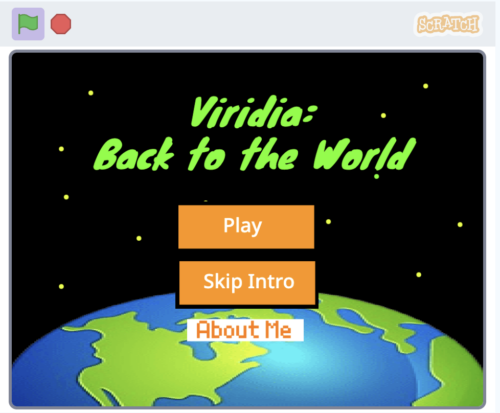
The 2026 recipient for the online showcase is Egehan, a young creator from Türkiye. Egehan’s project, titled "Viridia – Back to the World," is a sophisticated Scratch-based educational game. The project tackles the critical issue of water scarcity and environmental conservation. Through interactive gameplay, "Viridia" teaches players the importance of responsible water usage and the ecological consequences of mismanagement. The judges praised Egehan’s ability to translate complex environmental data into an engaging and accessible digital experience, embodying the spirit of the Broadcom award.
Demographic Trends and the Gender Parity Milestone
The 2026 statistics reveal a significant trend in the democratization of technology. With 47% of participants being girls, the event has nearly reached gender parity—a feat that many professional tech companies and university departments still struggle to achieve. Analysts suggest that the "online-first" and "community-centric" nature of Coolest Projects reduces the barriers to entry that often discourage young women from pursuing STEM.
Furthermore, the participation of 40 countries demonstrates the global reach of the Raspberry Pi Foundation’s curriculum. While traditionally strong in Europe and North America, there has been a marked increase in submissions from Asia and the Middle East. This geographic diversity brings a wider range of perspectives to the showcase, as students from different cultures apply technology to solve localized problems, such as agricultural optimization in rural areas or urban navigation tools for megacities.
Supporting Infrastructure and Future Outlook
The success of the 2026 showcase is underpinned by a robust ecosystem of free educational resources. The Raspberry Pi Foundation offers over 200 free coding projects in multiple languages, providing a pathway for "first-time coders" to become "seasoned makers." This educational pipeline is crucial for maintaining the momentum of the Coolest Projects initiative.
Looking forward, the organizers have confirmed that Coolest Projects will return to the online format in 2027. Additionally, the movement continues to expand its "in-person" footprint. While the global showcase remains a digital anchor, regional events like Coolest Projects India and various partner-led exhibitions continue to provide physical spaces for young creators to network and present their work.
The 2026 event was made possible through the support of several major corporate and philanthropic sponsors, including the Broadcom Foundation, Amazon Future Engineer, Vilros, Qube-RT, Avnet, and GoTo. These partnerships are vital for keeping the event free for all participants, ensuring that financial status is never a barrier to participation in the digital economy.
Analysis of Broader Implications
The 2026 Coolest Projects showcase serves as a barometer for the future of the global workforce. The projects presented this year indicate that the "next generation" is not merely consuming technology but is actively critiquing and reshaping it. The heavy focus on AI literacy and environmental sustainability suggests that young people are acutely aware of the challenges their generation will face.
By providing a global stage for these 15,000 creators, the event does more than teach coding; it fosters a sense of agency. When a child from Türkiye or a mentor from Japan sees their work recognized by leaders from Google or Jagex, the psychological impact is profound. It validates their potential as innovators and problem-solvers. As the world moves toward an increasingly automated and digital-centric future, initiatives like Coolest Projects are essential for ensuring that the creators of tomorrow are as diverse, creative, and socially conscious as the projects they build today.