New Prime Minister Andy Burnham has been urged by industry bosses to press ahead with government plans to review the Zero Emission Vehicle (ZEV) mandate and make the automotive sector a key part of his plans to reindustrialise Britain. Mike Hawes, the boss of the Society of Motor Manufacturers and Traders (SMMT), made the calls to coincide with the release of car and commercial vehicle manufacturing figures for the first half of 2026.
The automotive industry in the United Kingdom is facing a critical juncture, with manufacturers and suppliers expressing grave concerns over the feasibility and pace of the government’s mandated transition to Zero Emission Vehicles (ZEVs). The SMMT, representing a significant portion of the UK’s automotive manufacturing base, has issued an urgent plea to the newly appointed Prime Minister, Andy Burnham, to undertake a comprehensive review of the ZEV mandate. This call to action comes amid a backdrop of challenging manufacturing output figures for the first half of 2026, underscoring the delicate economic landscape in which this crucial sector operates.
The ZEV mandate, which sets a progressive target for the proportion of new cars and vans sold that must be zero-emission, has been a cornerstone of the UK’s decarbonisation strategy. However, industry leaders argue that the current trajectory, with increasingly stringent targets, risks undermining future investment and jeopardising the UK’s established automotive manufacturing capabilities. The SMMT’s stance highlights a growing sentiment within the sector that the pace of the mandated transition may be outstripping the necessary infrastructure development, consumer readiness, and the availability of affordable ZEVs.
Industry Voices Urgent Need for Review
Mike Hawes, Chief Executive of the SMMT, articulated the industry’s position forcefully, emphasizing the need for a pragmatic approach to the ZEV mandate. "The pace of change required by the current ZEV mandate is unprecedented and, frankly, unrealistic without significant adjustments," Hawes stated. "We are urging Prime Minister Burnham to recognise the urgency of this situation and to initiate a swift and thorough review. The automotive sector is a vital engine for reindustrialisation and economic growth in Britain, and its future hinges on a balanced and achievable transition to zero-emission mobility."
The SMMT’s plea is not a rejection of the ZEV agenda itself, but rather a call for a more nuanced implementation. The organisation has consistently supported the goal of decarbonising transport, but it stresses that the success of this transition depends on a robust ecosystem that includes not only ambitious sales targets but also adequate charging infrastructure, a stable and supportive regulatory environment, and sustained consumer confidence. The current mandate, they argue, places undue pressure on manufacturers to meet targets that may not be fully supported by market conditions and consumer uptake at the projected pace.
Manufacturing Output Figures Cast Shadow
The timing of the SMMT’s warning is particularly significant, coinciding with the release of UK car and commercial vehicle manufacturing figures for the first half of 2026. While specific figures were not detailed in the initial report, the implication is that these numbers are not robust enough to inspire confidence in the current trajectory. Historically, the automotive sector has been a major contributor to the UK’s GDP and a significant source of high-skilled employment. A decline or stagnation in manufacturing output, especially in the context of a major policy shift like the ZEV mandate, raises concerns about job security, supply chain stability, and the UK’s overall industrial competitiveness.
The first half of 2026 has likely seen manufacturers grappling with a complex interplay of factors, including global supply chain disruptions, inflationary pressures on raw materials and energy, and the escalating costs associated with developing and producing ZEVs. Furthermore, the uncertainty surrounding future government policy, particularly regarding the ZEV mandate review, can create a chilling effect on investment decisions. Companies are often hesitant to commit substantial capital to new technologies or manufacturing facilities when the regulatory landscape remains in flux.
Background: The Road to the ZEV Mandate
The ZEV mandate was introduced as part of the UK’s commitment to achieving net-zero carbon emissions by 2050. It forms a crucial element of the broader strategy to phase out the sale of new internal combustion engine (ICE) vehicles. The original plan was for the sale of new petrol and diesel cars and vans to be banned from 2030, with the ZEV mandate progressively increasing the percentage of zero-emission vehicles manufacturers must sell each year leading up to that date.
In 2023, the government announced a slight adjustment to the timeline, pushing the ban on new petrol and diesel car sales back to 2035. However, the ZEV mandate targets for the intervening years remained largely in place, creating a scenario where manufacturers are still required to meet increasingly demanding ZEV sales quotas in the lead-up to the later ICE ban. This perceived inconsistency has added to the industry’s apprehension. The SMMT has been a vocal proponent of a more flexible approach, advocating for a scenario where the mandate’s stringency is directly linked to the maturity of the ZEV market and the availability of supporting infrastructure.
Timeline of Concerns and Calls for Action
- Pre-2026: The ZEV mandate was established, setting ambitious targets for the transition to electric vehicles. Initial industry concerns began to surface regarding the pace and the need for parallel infrastructure development.
- 2023: The UK government announced a postponement of the ban on new petrol and diesel car sales to 2035, while largely retaining the ZEV mandate’s progressive targets for the interim period. This created a potential mismatch between sales targets and the revised ICE ban date.
- Early 2026: Reports began to emerge of manufacturers facing challenges in meeting interim ZEV targets due to factors such as consumer affordability, charging infrastructure gaps, and the availability of specific ZEV models.
- Mid-2026 (Current): The SMMT, coinciding with the release of manufacturing figures for the first half of the year, issues an urgent call for a review of the ZEV mandate to the new Prime Minister, Andy Burnham.
Supporting Data: The Global and UK ZEV Landscape
While specific data for the first half of 2026 was not provided in the original snippet, broader trends in the global and UK automotive markets offer context. Globally, the transition to electric vehicles is accelerating, driven by regulatory pressure, technological advancements, and growing consumer interest.
- Global ZEV Growth: In 2025, global sales of electric vehicles (including battery electric vehicles – BEVs and plug-in hybrid electric vehicles – PHEVs) were projected to exceed 20% of the total new car market, a significant leap from just a few years prior. Forecasts for 2026 suggest this trend will continue, with some regions experiencing much higher penetration rates.
- UK ZEV Market Share: The UK has seen a steady increase in ZEV registrations. In 2025, battery electric cars accounted for approximately 16-18% of new car registrations, and plug-in hybrids around 4-6%. While this represents substantial growth, it still falls short of the mandated targets for manufacturers in many instances, particularly when considering the overall sales volume required.
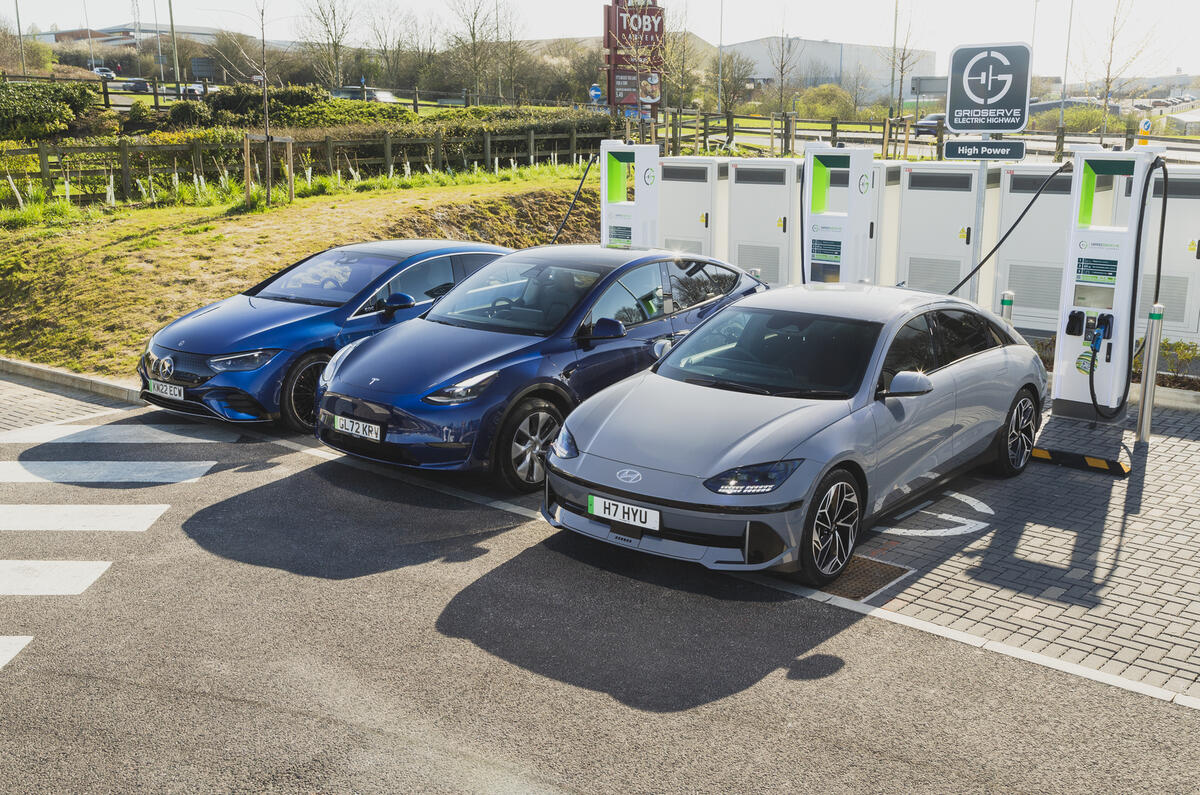
- Infrastructure Deficiencies: Despite significant investment, the public charging infrastructure in the UK still lags behind the demand anticipated by a rapid transition. Concerns persist about the availability of chargers in rural areas, the reliability of existing chargers, and the speed of charging, which can be a deterrent for consumers considering an EV.
- Affordability Gap: The upfront cost of ZEVs remains a significant barrier for many consumers compared to their ICE counterparts. While running costs can be lower, the initial purchase price, coupled with potential battery replacement concerns and the cost of home charging installations, makes them less accessible to a broader demographic.
The SMMT’s concerns are likely amplified by these data points. They highlight a scenario where the government’s policy is pushing for a rapid uptake of ZEVs, but the supporting ecosystem – infrastructure and affordability – is not evolving at the same pace, creating a disconnect that puts manufacturers in a difficult position.
Potential Reactions and Stakeholder Perspectives
The call for a ZEV mandate review is likely to elicit varied responses from different stakeholders:
- Other Automotive Industry Bodies: While the SMMT is the primary representative, other associations representing component suppliers, dealerships, and aftermarket services might echo similar concerns, focusing on the impact of reduced ICE vehicle production and the challenges of adapting to ZEV servicing and repair.
- Environmental Groups: Environmental organisations will likely resist any dilution of ZEV targets, emphasizing the urgency of climate action and the need for a rapid shift away from fossil fuels. They may argue that the industry is using concerns about infrastructure and affordability as a pretext to delay necessary changes.
- Consumer Advocacy Groups: These groups might express a mixed view, acknowledging the environmental benefits of ZEVs but also highlighting the affordability concerns and the need for greater accessibility and choice for consumers across different income brackets.
- Government Departments: The Department for Transport and the Department for Business and Trade would be expected to respond cautiously, reiterating the government’s commitment to net-zero targets while acknowledging the industry’s concerns and signalling a willingness to engage in dialogue.
Broader Impact and Implications for UK Industry
The outcome of the ZEV mandate review will have profound implications for the future of the UK’s automotive industry and its broader reindustrialisation agenda:
- Investment and Competitiveness: A recalibration of the ZEV mandate, if handled effectively, could provide the certainty needed for manufacturers to make long-term investment decisions. This could involve investments in new ZEV production lines, battery manufacturing facilities (gigafactories), and R&D for next-generation ZEV technology. Conversely, a rigid adherence to potentially unachievable targets could lead to manufacturers scaling back UK operations, relocating production, or reducing investment, thereby undermining the reindustrialisation efforts.
- Employment and Skills: The automotive sector is a significant employer, providing highly skilled jobs. A successful transition, supported by appropriate policy, can lead to the creation of new roles in areas like battery technology, software development for ZEVs, and advanced manufacturing. However, a poorly managed transition could lead to job losses in traditional manufacturing areas without sufficient retraining or new job creation.
- Supply Chain Transformation: The shift to ZEVs necessitates a fundamental transformation of the automotive supply chain. The SMMT’s call for a review implicitly includes the need for government support in developing a robust domestic supply chain for ZEV components, including batteries, electric motors, and advanced electronics. This could foster new industries and create economic opportunities across the UK.
- Consumer Choice and Affordability: The success of the ZEV transition ultimately rests on consumer adoption. A balanced mandate, coupled with government incentives and continued development of charging infrastructure, can help ensure that ZEVs become a viable and attractive option for a wider range of consumers, rather than a niche product for early adopters.
Prime Minister Burnham’s response to the SMMT’s urgent plea will be a critical early test of his administration’s approach to industrial policy and the green transition. The challenge lies in balancing the imperative of decarbonisation with the need for a pragmatic, industry-led transition that safeguards jobs, promotes investment, and ensures the long-term viability of a sector vital to the UK’s economic future. The automotive industry awaits with bated breath to see if the new government will heed the urgent call for a balanced and achievable path towards a zero-emission future.