The start of August marks a significant period for additive manufacturing (AM) with America Makes, the National Center for Defense Manufacturing and Machining (NCDMM), announcing the recipients of two substantial project calls: the Joint Additive Qualification for Sustainment – Supplier Qualification (JAQS-SQ – Groups 2 & 3) and the Powder Alloy Development for Additive Manufacturing (PADAM) 2.0. These initiatives, collectively valued at $16.5 million, are poised to accelerate the integration of 3D printing technologies within critical sectors, including aerospace and defense, while also fostering innovation in personalized medical solutions and sustainable design.
Driving Defense Readiness Through Additive Manufacturing Qualification
The JAQS-SQ – Groups 2 & 3 project call, a substantial $10.5 million undertaking funded by the Office of the Under Secretary of War, Manufacturing Technology Office (OSW ManTech), aims to bolster the defense industrial base (DIB) and enhance manufacturing readiness. This initiative builds upon previous JAQS-SQ efforts by focusing on the development of unified training and stringent qualification requirements for suppliers utilizing Laser Powder Bed Fusion (LPBF) and Directed Energy Deposition (DED) technologies.
A key component of JAQS-SQ is the development of practical training programs for production and engineering operations managers. Wichita State University’s National Institute for Aviation Research (WSU-NIAR) is leading the charge in creating this curriculum, which will equip participants with the knowledge to effectively implement process control documents and adhere to qualification principles. Upon completion of this specialized training, suppliers will undergo rigorous audits to verify their capabilities as qualified additive manufacturing providers for the Department of War (DoW). This rigorous qualification process is essential for ensuring the reliability, consistency, and safety of 3D printed components used in defense applications, where failure can have severe consequences. The expansion of qualified suppliers is anticipated to streamline the adoption of AM for critical defense systems, reducing lead times and increasing the availability of essential parts.
The successful applicants for the JAQS-SQ – Groups 2 & 3 project call represent a diverse group of organizations committed to advancing AM capabilities within the defense sector. While the specific list of awardees was not provided in the initial announcement, the selection process undoubtedly focused on entities demonstrating robust technical expertise, a commitment to quality assurance, and the potential to contribute significantly to the DoW’s additive manufacturing objectives.

Advancing High-Temperature Alloys for Demanding Applications
Complementing the JAQS-SQ initiative, America Makes and NCDMM also revealed the winners of the $6 million PADAM 2.0 Project Call. This program, funded by the Air Force Research Laboratory, Foundational Technologies Directorate (AFRL/REMD), has the ambitious goal of advancing the readiness, manufacturability, performance, and supply chain resilience of high-temperature refractory alloys for additive manufacturing. The project seeks to bridge the gap between the theoretical potential of these advanced materials and their practical application in demanding AM processes.
John Martin, Additive Manufacturing Research Director at America Makes, articulated the project’s core mission: to take refractory alloys for additive manufacturing "from promise to practice." This endeavor is particularly critical for applications in aerospace, energy, and defense, where components are subjected to extreme temperatures and harsh operating environments. By enhancing the availability and performance of these specialized alloys, PADAM 2.0 aims to unlock new design possibilities and improve the durability and efficiency of critical systems.
Similar to the JAQS-SQ announcement, the specific awardees for PADAM 2.0 were not detailed, but the selection criteria likely prioritized research institutions and industrial partners with a proven track record in materials science, powder metallurgy, and additive manufacturing. The expected outcomes include the development of new alloy compositions, optimized printing parameters for refractory metals, and a more robust understanding of their performance characteristics, ultimately paving the way for their wider adoption in high-stakes industries.
Aerospace OEM Embraces Additive Assurance for Scalable Quality Control
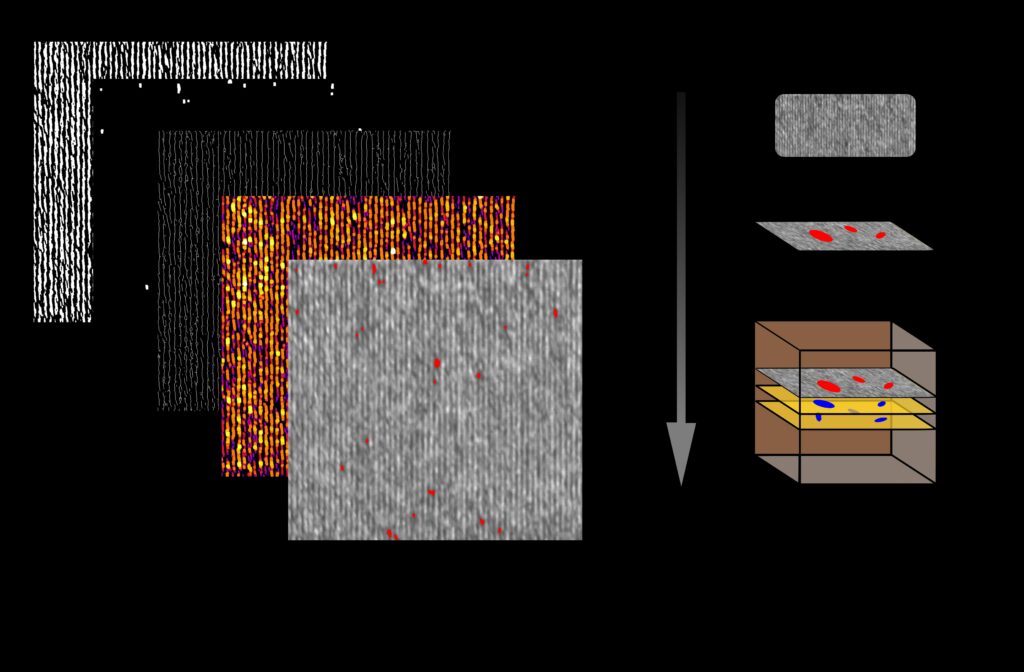
In parallel with these significant project funding announcements, the additive manufacturing sector is witnessing the practical implementation of advanced quality control solutions. Additive Assurance has reported that a prominent, household-name aerospace original equipment manufacturer (OEM) has adopted its AMiRIS in-process quality assurance (QA) solution. This adoption signifies a crucial step towards moving beyond mere monitoring to generating "decision-ready evidence" that can be reliably scaled across a complex manufacturing ecosystem.
The AMiRIS solution’s machine-agnostic approach is particularly attractive to aerospace OEMs, enabling them to enhance confidence in metal additive manufacturing processes. According to a spokesperson for the OEM, this integrated QA system facilitates a more consistent method for in-process data collection and interpretation, irrespective of the specific powder bed fusion platform or supply chain partner involved. As build volumes increase and part geometries become more intricate, traditional post-process inspection methods can present significant bottlenecks. The AMiRIS system addresses this challenge by providing real-time insights during the printing process.
Marten Jurg, Managing Director of Additive Assurance, emphasized that in-situ QA systems should not be viewed solely as "defect detectors," but rather as sophisticated tools capable of reliably identifying process anomalies that could potentially lead to defects. This distinction is critical in the aerospace industry, where the emphasis is on preventing defects through process control rather than solely relying on detection. The OEM spokesperson further elaborated on the benefits, stating, "As an aerospace business, we don’t just qualify parts on one machine family. If we’re serious about scaling AM, we need an approach we can apply across our supply chain without rewriting the playbook every time we change platform. The attraction of AMiRIS is that it gives us a common analysis layer, rather than forcing us to live inside each OEM’s proprietary algorithms." This highlights the industry’s need for standardized, scalable QA solutions that can integrate seamlessly into existing workflows and across diverse manufacturing environments.
The ability to correlate in-situ thermal signals with downstream non-destructive evaluation (NDE) data, such as computed tomography (CT) scans or cut-up analyses, is paramount for productionizing additive manufacturing. "We’re careful with language," the senior engineer at the OEM noted. "In most cases you’re not ‘detecting a defect’ in-situ, you’re detecting a process anomaly that may cause a defect. What matters is correlation, what does the thermal signal say, and what does the CT, cut-up, or other non-destructive evaluation (NDE) say? If you can’t tie those together, you’re not productionizing anything.” This focus on robust correlation and data integrity is fundamental to achieving the high levels of trust and reliability required for aerospace applications.
University of Waterloo Researchers Pioneer Rapid, Personalized Contact Lenses
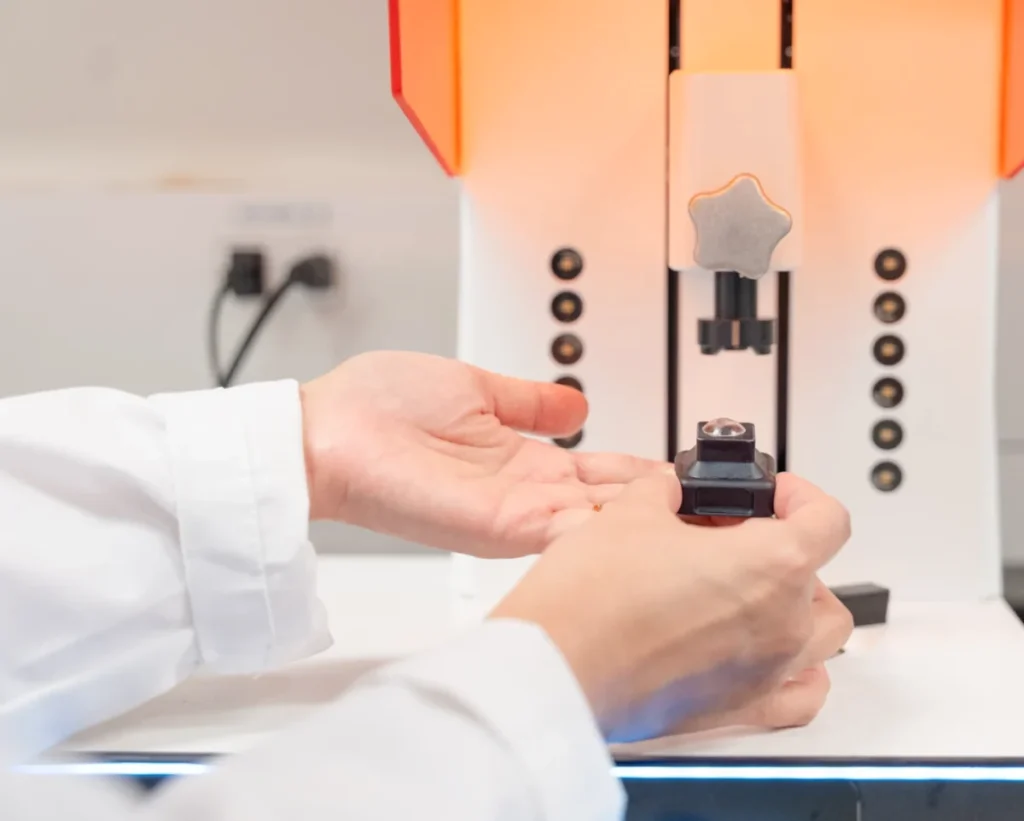
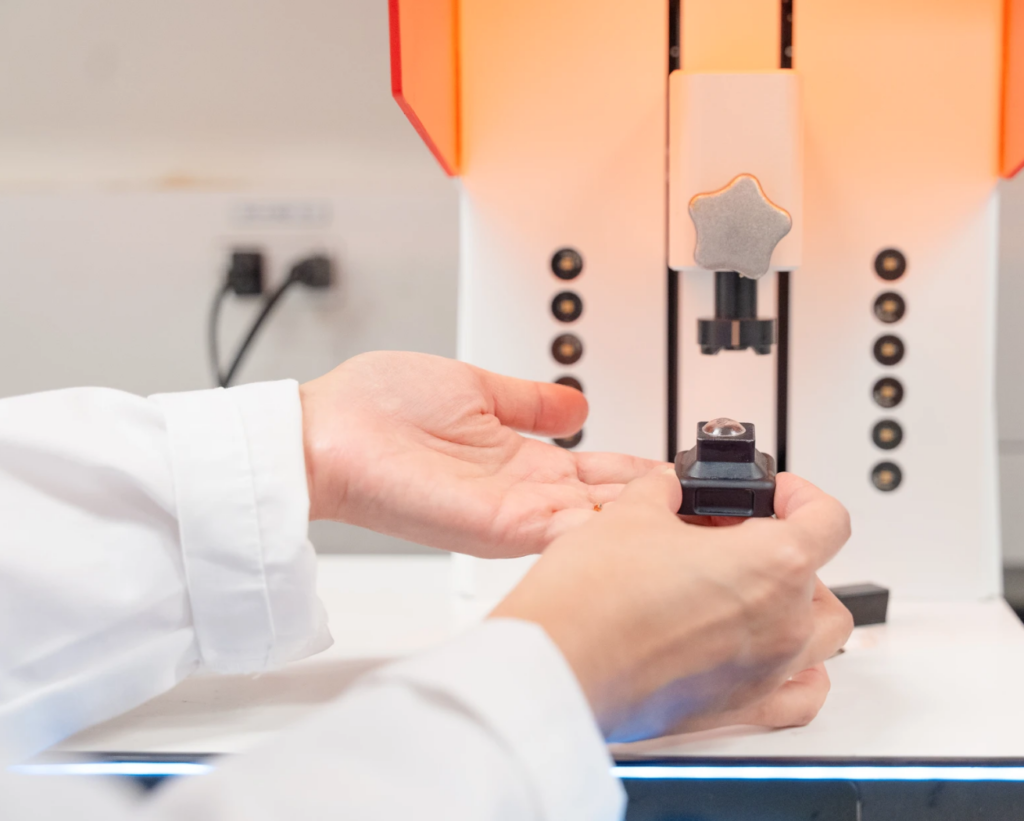
In a development with significant implications for personalized healthcare, researchers at the University of Waterloo’s Department of Chemistry have developed a novel digital manufacturing platform capable of 3D printing patient-specific contact lenses in as little as 20 minutes. This breakthrough addresses a long-standing challenge in optometry, where conventional contact lenses are manufactured in a limited range of standard sizes, often leading to prolonged and uncomfortable fitting processes, particularly for individuals with irregularly shaped corneas.
The conventional manufacturing of rigid contact lenses for irregular corneas can be a protracted and frustrating experience, often requiring multiple fittings over weeks or months to achieve an optimal fit and visual correction. The University of Waterloo’s team has circumvented these limitations by integrating advanced 3D printing techniques with a specially formulated silicone material. Traditional silicones, while excellent for contact lenses due to their biocompatibility and high oxygen permeability, have not always been compatible with AM technologies. To overcome this, the researchers developed a new hydrophilic silicone formulation specifically tailored for 3D printing.
Furthermore, they devised an ultra-thin, non-contact coating process designed to smooth the surface of the 3D printed lenses without compromising their optical performance or the precision of their custom shape. This ensures both visual clarity and patient comfort. Following successful laboratory testing, the research team is now progressing towards in vivo studies and has filed a provisional patent for their innovative hydrophilic silicone formulation.
Dr. Sayan Ganguly, a Chemistry research associate at Waterloo, explained the core innovation: "Our software designs a lens with an inner surface that precisely matches the patient’s cornea and an outer surface that provides the required vision correction. The novel hydrophilic silicone material we created, combined with our manufacturing process, produces smooth, transparent lenses that are comfortable to wear." This precise customization offers a significant improvement over off-the-shelf solutions, promising a more efficient and effective approach to vision correction.
The project has already garnered significant recognition, recently winning a gold medal at the 2026 Shanghai International Exhibition of Inventions. The research team is actively collaborating with the Centre for Vision and Eye Research (CEVR) to accelerate the commercialization of their groundbreaking technology, potentially transforming the landscape of contact lens fitting and manufacturing.
ZHA and Nagami Unveil the Echo Chair: A Fusion of Sustainable Design and Additive Manufacturing
In the realm of furniture design, architecture studio ZHA (formerly Zaha Hadid Architects) has once again partnered with Spanish brand Nagami to introduce the Echo Chair, a striking sculptural piece realized through advanced 3D printing techniques and a commitment to sustainability. Nagami, renowned for its expertise in 3D printing recycled plastics, has utilized its capabilities to create a chair that embodies both aesthetic innovation and environmental responsibility.
The Echo Chair is constructed entirely from polyethylene terephthalate glycol (PET) derived from recycled industrial waste, including single-use medical plastics. This choice of material underscores a growing trend in design to repurpose waste streams into high-value products. Employing parametric design software, ZHA and Nagami have crafted a chair with a distinctive, flowing form. The arching backrest seamlessly extends to the ground, while the seat curves upwards at the sides, creating a unified and organic structure that was printed as a single, continuous piece. The ribbed surface texture, a characteristic byproduct of the 3D printing process, adds a unique tactile quality to the chair.
The Echo Chair is available in four color variations, each inspired by natural landscapes: classic black and white, a gradient pattern transitioning from white to translucent, and a distinctive caramel hue formulated from a bio-based cork composite. According to ZHA, the Echo Chair aims to "dissolve the distinction between structure, surface and ergonomics," highlighting the integrated nature of its design and manufacturing.
Sebastian Andia, ZHA project design director, articulated the vision behind the Echo Chair: "Our ambition was to transform an abundant, overlooked resource into an object people genuinely want to live with, demonstrating that sustainability and desirability can go hand in hand." He further commented on the chair’s aesthetic, noting, "The chair’s textured finish also evokes the richness of stone and mineral surfaces, helping recycled plastic feel at home alongside natural materials in contemporary interiors." This statement emphasizes the successful integration of recycled materials into sophisticated interior design contexts.
The Echo Chair was recently showcased at The Truman Brewery as part of London Creates, an architecture and design trade show curated by ZHA. This exhibition provided a platform to highlight the chair’s innovative design and sustainable material choices, further promoting the potential of additive manufacturing in creating desirable and environmentally conscious products.