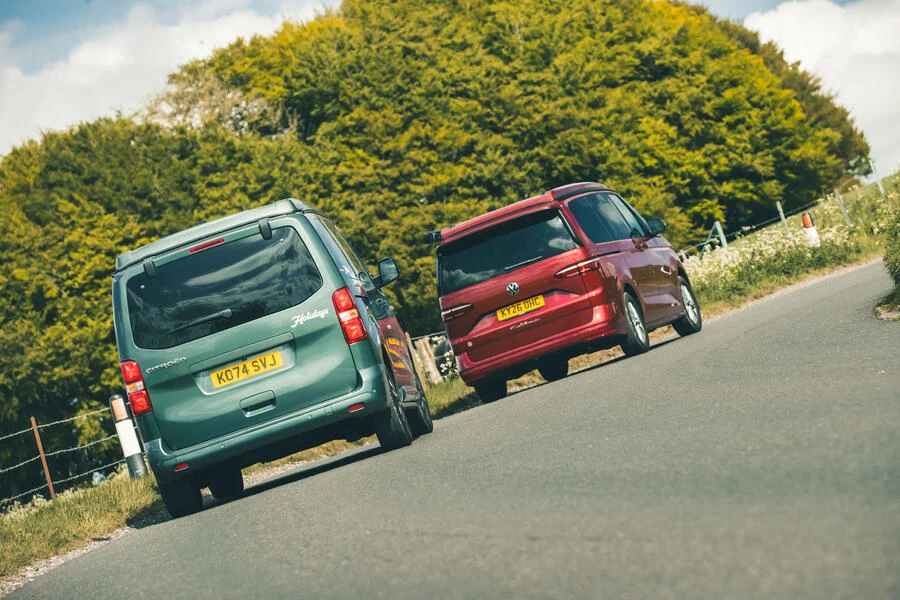
The new Citroen Holidays is here to challenge an Autocar favourite for campsite supremacy. This fresh contender enters a segment long dominated by the Volkswagen California, a vehicle that has become synonymous with the factory-built campervan experience. While the California boasts a storied heritage and a devoted following, the arrival of the Citroen Holidays signals a potential shift in the landscape, promising innovation and perhaps a more accessible entry point into the world of mobile adventure.
The Volkswagen California has long held a revered status within the automotive enthusiast community, including among the writers at Autocar. Its distinctive, utilitarian design – a 2.4-tonne, diesel-powered cuboid – belies its sophisticated transformation from a practical van into a comfortable, four-person living space. This duality is its core strength. While its acceleration might be leisurely, with 0-62mph times exceeding 12 seconds, its ability to rapidly convert from a daily driver to a fully-equipped campsite is where it truly excels. This versatility has cemented its position as a benchmark in its class for over 75 years, with its lineage tracing back to the iconic 1950 Volkswagen Type 2 camper van.
The California badge itself made its debut in 2004, and in the two decades since, Volkswagen has achieved remarkable sales figures, exceeding 200,000 units globally. While the aftermarket conversion scene offers a plethora of capable alternatives, and premium offerings like the Mercedes-Benz Marco Polo elevate the standard with plush interiors and optional air suspension, the California has consistently represented the factory-produced camper for the everyday enthusiast. However, this perceived accessibility is increasingly challenged by its price point. The latest T7 generation of the California now commands a starting price of nearly £65,000, with desirable trims and options easily pushing the total cost to around £75,000, placing it firmly in the premium segment.
It is into this established, and increasingly expensive, arena that the Citroen Holidays makes its entrance. Positioned as a direct rival to the California, the Holidays aims to capture a similar market share by offering a compelling blend of practicality, comfort, and affordability. The vehicle is based on the Citroen SpaceTourer MPV, which itself is built on the EMP2 platform shared with Peugeot and Opel/Vauxhall models. This shared architecture suggests a familiar driving experience and a robust foundation for the camper conversion.
A Legacy of Leisure: The Volkswagen California’s Enduring Appeal
To understand the significance of the Citroen Holidays’ challenge, it’s crucial to appreciate the enduring appeal of the Volkswagen California. Its design philosophy has always prioritised functionality and user-friendliness. Key features that have defined its success include its pop-top roof, which creates standing room and accommodates a sleeping area, and its cleverly integrated kitchen and seating modules. Over generations, Volkswagen has refined these elements, offering increasingly sophisticated amenities such as integrated refrigerators, gas stoves, and fold-out tables.
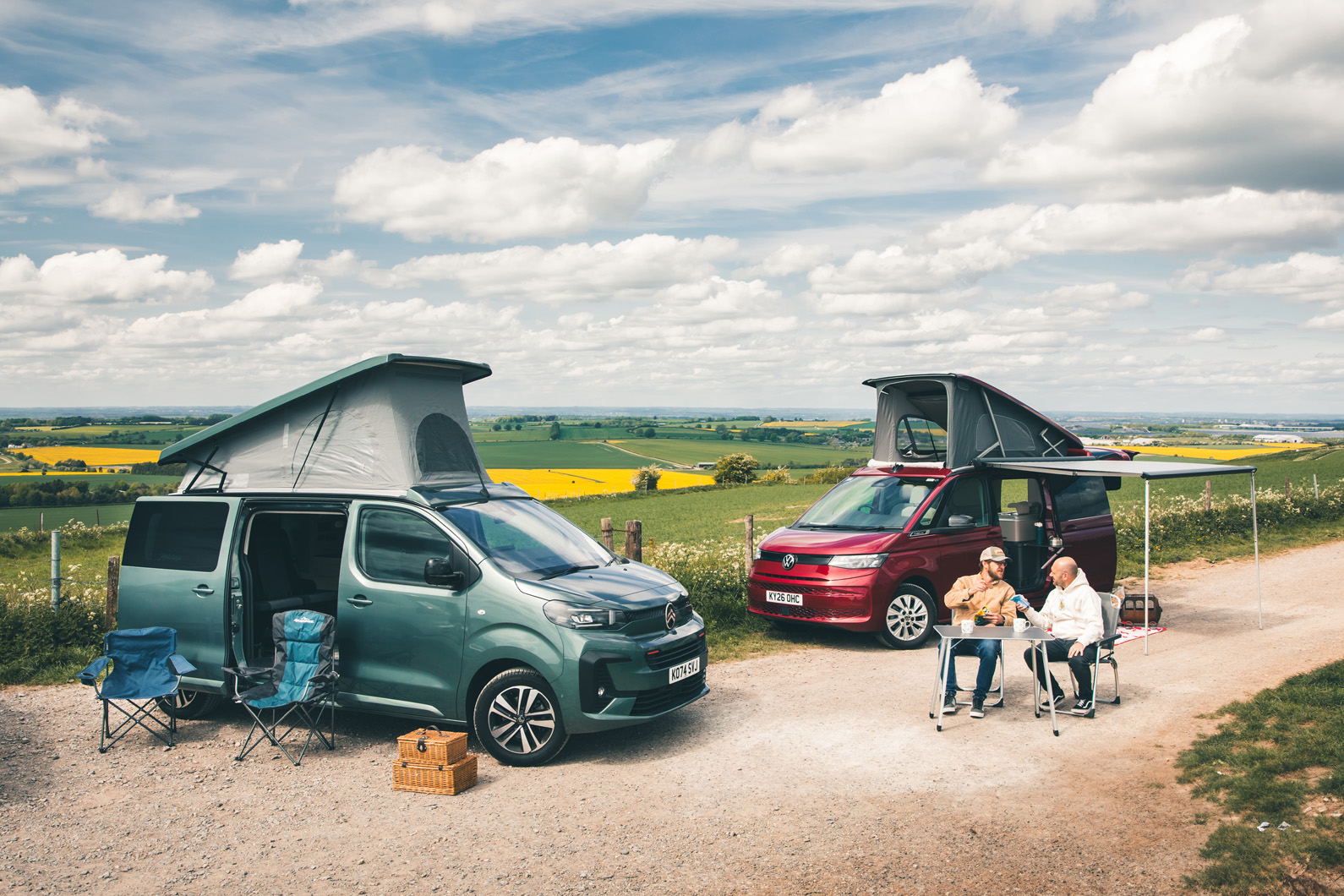
The California’s appeal extends beyond its practical features. It embodies a sense of freedom and adventure, a symbol of spontaneous getaways and memorable road trips. Its robust build quality and reliable engineering have contributed to its reputation as a dependable companion for both short breaks and extended expeditions. The loyalty of its customer base is a testament to its ability to consistently deliver on its promise of a hassle-free camping experience. For many, owning a California is not just about purchasing a vehicle; it’s an investment in a lifestyle.
The Citroen Holidays: A New Contender Emerges
The Citroen Holidays arrives with a clear objective: to offer a compelling alternative to the established California. While specific pricing and detailed specifications for the European market are still being fully elaborated, early indications suggest a strategic approach by Citroen to compete on value and feature set. The vehicle’s foundation as a people carrier means it benefits from a comfortable and refined driving experience, likely offering a more car-like demeanour than some van-based conversions.
Citroen’s approach to camper conversions has historically focused on innovation and user-centric design. With the Holidays, the brand is expected to leverage its expertise in interior packaging and material selection to create a functional and aesthetically pleasing living space. Key areas of focus will undoubtedly be the sleeping arrangements, kitchen facilities, and onboard amenities, all designed to cater to the needs of campers. The expectation is that the Holidays will offer a competitive suite of features, potentially at a more accessible price point than its German counterpart, thereby broadening the appeal of factory-built campervans.
Key Features and Specifications: A Comparative Look
While a direct, side-by-side comparison of the final production models will be essential, initial information points to several key areas where the Citroen Holidays will likely aim to differentiate itself:
- Platform and Powertrains: The Citroen Holidays is built on the EMP2 platform, which underpins a range of PSA Group (now Stellantis) vehicles. This suggests a choice of efficient diesel and potentially petrol engines, known for their balance of performance and fuel economy. In contrast, the VW California traditionally relies on robust diesel engines, prioritising torque for carrying the vehicle’s considerable weight. The specific engine options for the Holidays will be critical in determining its driving dynamics and suitability for various touring conditions.
- Interior Layout and Amenities: Both vehicles will feature pop-top roofs and integrated sleeping areas. However, the configuration of the kitchen units, seating, and storage solutions will likely be a key differentiator. Citroen may opt for a more modular or compact kitchen setup to maximise living space, while Volkswagen often provides a more comprehensive galley. The inclusion of features such as a refrigerator, sink, gas hob, and potentially an auxiliary heater will be crucial for campsite comfort.
- Design and Materials: Citroen’s design language often leans towards a more modern and contemporary aesthetic. The Holidays is expected to reflect this, potentially incorporating lighter materials and a fresh colour palette within the living quarters. The California, while updated over the years, retains a more classic, functional interior.
- Price and Value Proposition: This is arguably the most significant battleground. If Citroen can offer a comparable or superior set of features at a lower price point, it could significantly disrupt the market. The current pricing of the VW California, especially with optional extras, puts it in a higher bracket, creating an opportunity for competitors to attract budget-conscious buyers.
Market Context and Industry Implications
The arrival of the Citroen Holidays is more than just the introduction of a new campervan; it represents a broader trend in the automotive industry. The demand for recreational vehicles, particularly campervans and motorhomes, has seen a significant surge in recent years. Factors contributing to this include a growing interest in staycations, a desire for flexible travel options, and an increased appreciation for outdoor activities.
This heightened demand has led manufacturers to expand their offerings in the campervan segment. For established players like Volkswagen, it means facing increased competition. For newer entrants or those looking to strengthen their presence, it presents a prime opportunity to capture market share. The success of the Citroen Holidays could signal a shift towards a more diverse and competitive campervan market, potentially leading to further innovation and more competitive pricing across the board.
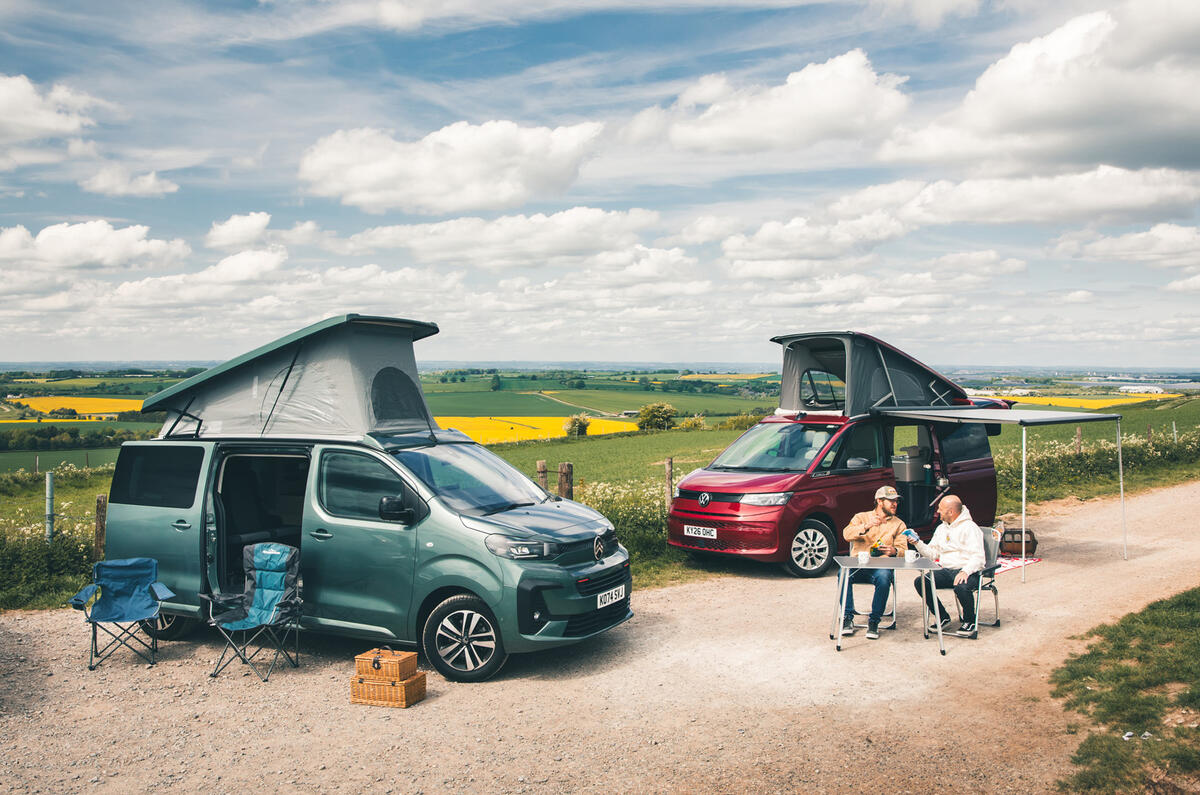
The implications for consumers are largely positive. Increased competition typically drives down prices, improves product quality, and offers a wider array of choices to suit different needs and budgets. Buyers may find themselves with more options than ever before when looking for their ideal mobile living space.
Expert and Industry Reactions (Inferred)
While official statements from competing manufacturers have not yet been released, the automotive industry is keenly observing this development. Industry analysts will be scrutinising the specifications, pricing, and initial sales figures of the Citroen Holidays to gauge its impact on the market.
Competitors will undoubtedly be assessing the Holidays’ strengths and weaknesses. For brands like Mercedes-Benz with its Marco Polo, the challenge will be to maintain its premium positioning while ensuring its offerings remain competitive in terms of features and value. For Volkswagen, the arrival of a strong contender like the Holidays will necessitate a continued focus on innovation and customer loyalty to defend its long-held dominance.
The aftermarket conversion sector will also be watching closely. While the Holidays is a factory-built offering, its success could spur further innovation in the bespoke conversion market, encouraging specialists to offer even more unique and personalised solutions.
The Road Ahead: A New Era for Campervan Travel?
The Volkswagen California has set a high bar for factory-built campervans for decades. Its blend of practicality, heritage, and robust engineering has made it a benchmark for a reason. However, the automotive landscape is constantly evolving, and the emergence of capable rivals like the Citroen Holidays suggests that the era of unchallenged dominance may be drawing to a close.
The Citroen Holidays has the potential to redefine the accessible campervan market, offering a modern, well-equipped, and potentially more affordable alternative for those dreaming of life on the road. Its success will depend on its ability to deliver on Citroen’s promises of innovation and value, providing a compelling package that can truly rival the enduring appeal of the Volkswagen California. As the camping season approaches and more details emerge, the automotive world will be eager to see if the Holidays can indeed conquer the campsite and carve out its own significant niche in the hearts of adventure-seekers. The battle for campsite supremacy is well and truly on.