The Triumph TR7, a two-seater sports car produced by British Leyland between 1974 and 1981, stands as a poignant symbol of a turbulent era for the British automotive industry. While its innovative design garnered attention, early manufacturing flaws and persistent reliability issues ultimately tarnished its reputation, preventing it from achieving the commercial success its promising aesthetics suggested. Despite these significant shortcomings, a closer examination reveals a car with inherent appeal, a compelling design, and a place in automotive history that warrants re-evaluation beyond its widely acknowledged production woes.
Design Vision: A Bold Statement in a Shifting Landscape
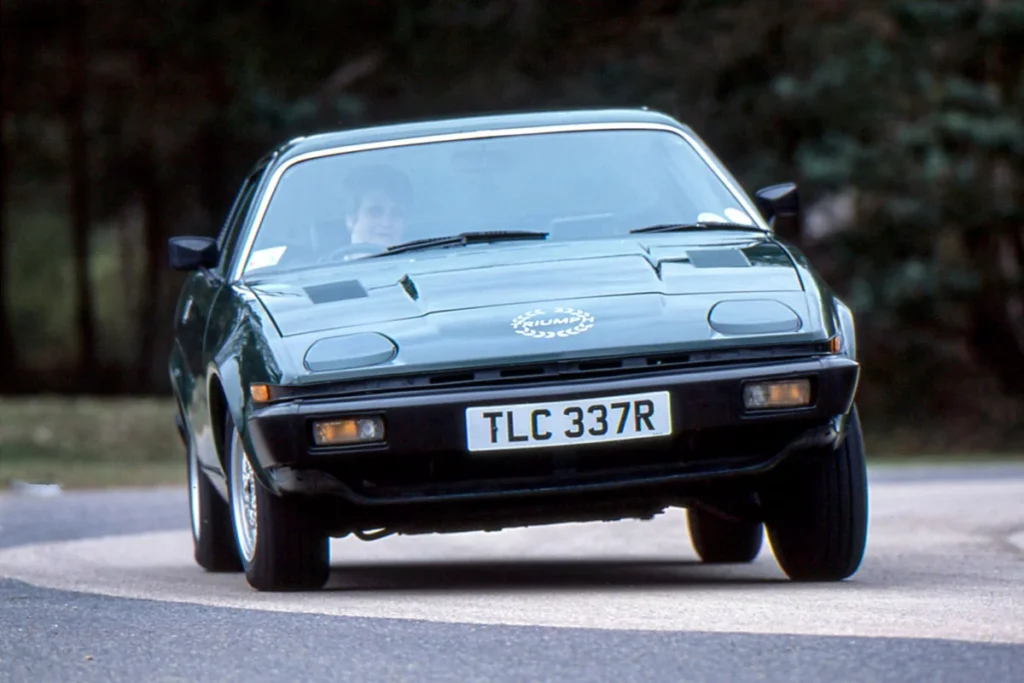
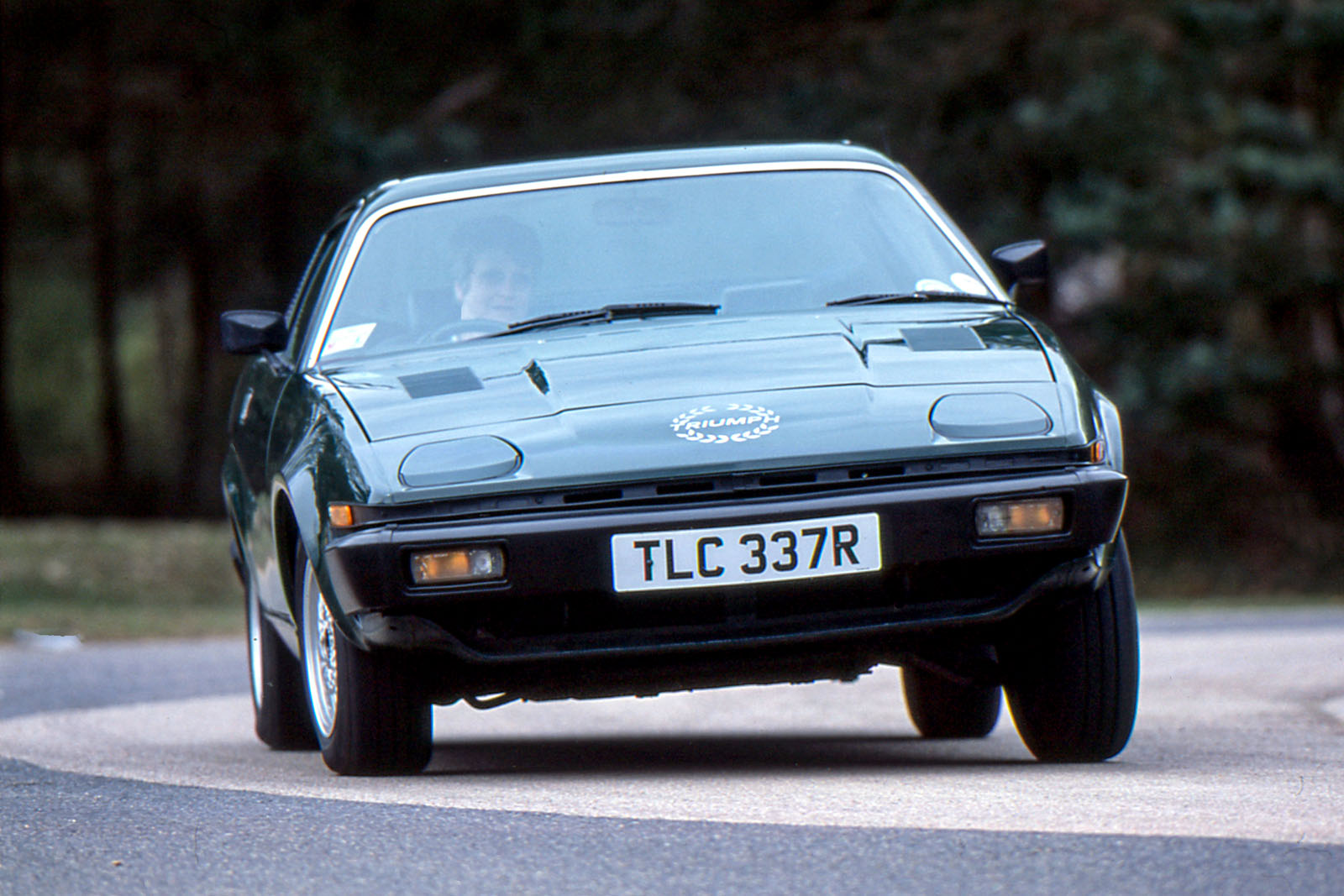
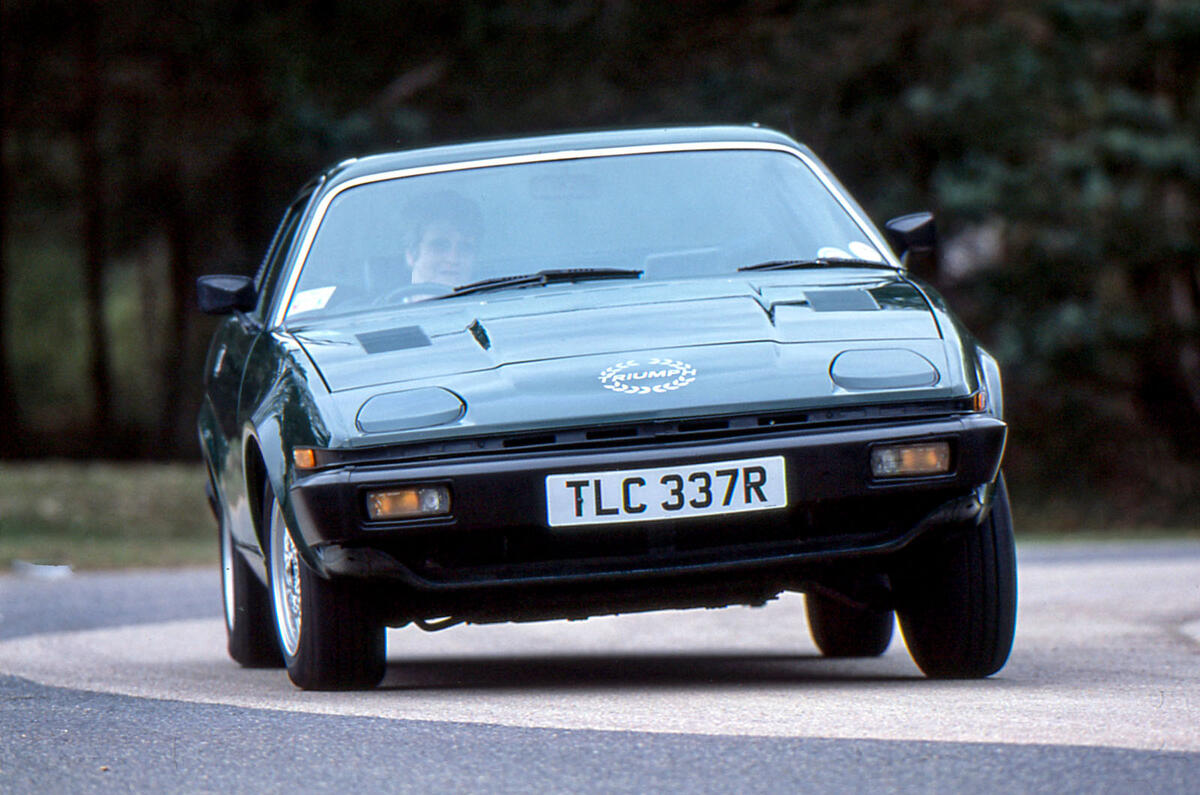
At the heart of the TR7’s narrative lies its striking design, the brainchild of a team led by Harris Mann. Launched in 1974, the TR7 eschewed the more traditional styling of its predecessors, embracing a radical wedge-shaped profile that was unequivocally modern for its time. Characterised by sharp lines, a low-slung stance, and an upwardly sweeping swage line, the car was deliberately marketed as "the shape of things to come." This forward-thinking aesthetic was a deliberate departure, aiming to capture a new generation of sports car buyers and compete with the increasingly sophisticated offerings from European manufacturers. The TR7’s body was a departure from the typical British sports car of the era, which often retained classic convertible lines. Instead, it featured a more integrated, almost aerodynamic form, foreshadowing the design language that would become prevalent in the 1980s.
The initial design intent was to produce a car that was both stylish and accessible. The platform was relatively straightforward: a front-engined, rear-wheel-drive layout powered by a 2.0-litre four-cylinder engine. This engine, derived from the Dolomite Sprint, was tuned to produce a moderate output, delivering adequate performance for spirited driving without being overtly aggressive. Braking was handled by a conventional disc and drum setup, further underscoring the car’s positioning as an accessible sports car rather than a high-performance machine. The interior, while functional, was also a reflection of the era, with a focus on driver ergonomics and essential instrumentation.
The Shadow of Manufacturing Woes: A Damaged Reputation
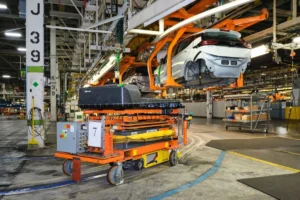
The TR7’s downfall, however, was not a matter of design or engineering conception, but rather of execution. The early years of production were plagued by significant quality control issues. British Leyland, then a vast and complex conglomerate, was struggling with industrial relations, outdated manufacturing processes, and a lack of investment. These systemic problems directly impacted the TR7.
Owners and critics alike reported a litany of problems, ranging from electrical gremlins and water ingress to poorly fitting body panels and premature rust. The paintwork was often found to be inconsistent, and the overall build quality was significantly below the standards expected by consumers, especially when compared to rivals from Japan and Germany. These issues were not isolated incidents; they were widespread and persistent, creating a perception of unreliability that was difficult to shake.
The perception of poor quality was exacerbated by the context of the time. The mid-1970s was a period of significant economic upheaval in the UK, with industrial strikes and a general sense of decline affecting many sectors, including manufacturing. British Leyland, in particular, was a lightning rod for criticism, and the TR7 became an unfortunate emblem of its perceived shortcomings. The narrative of the TR7 being a "disaster" was firmly established, and this narrative has largely persisted through the decades.
A Chronology of Production and Development
The story of the TR7 is a timeline of missed opportunities and challenging circumstances:
- 1971-1973: Design and development phase. Harris Mann and his team conceptualise and refine the wedge-shaped design. Prototypes are built and tested.
- October 1974: The Triumph TR7 is officially unveiled to the public. Initial production commences at the Speke factory in Liverpool.
- 1975-1976: Early production models are released. Reports of significant quality control issues begin to surface. This period is crucial in shaping the car’s negative reputation.
- 1977: A significant development occurs with the introduction of the TR7 Convertible. This variant, intended to inject new life into the model line, offered the open-top experience that many sports car enthusiasts desired. However, it did not entirely escape the quality concerns associated with the coupe.
- 1978: To address some of the persistent reliability issues, British Leyland makes efforts to improve manufacturing processes and introduce revisions to the car. The factory location also shifts to Canley, Coventry, in an attempt to improve production standards.
- 1979: The TR7 V8 is introduced. This potent variant, powered by the Rover 3.5-litre V8 engine, offered significantly improved performance and became a desirable model among enthusiasts, albeit in smaller numbers. This demonstrated the underlying potential of the chassis when paired with a more robust powertrain.
- 1981: Production of the TR7 ceases. By this time, the car had sold over 112,000 units, but its legacy was irrevocably marked by its early quality problems. The TR8, the V8-powered version, continued production in limited numbers until 1981.
Supporting Data: Market Performance and Production Figures
While exact sales figures for specific markets can be difficult to isolate for older models, general production numbers offer insight. Over its production run, approximately 112,000 Triumph TR7s were produced. Of these, roughly 25,000 were convertibles, and an even smaller number (around 2,700) were the V8-powered TR8 models.
In comparison to its predecessor, the TR6, which sold around 94,000 units between 1969 and 1976, the TR7 achieved a higher overall production volume. However, the TR6 enjoyed a more consistently positive reception throughout its life, benefiting from a more established reputation and fewer significant manufacturing crises.
The TR7’s market performance was also hampered by the increasing competition from imported vehicles. Japanese manufacturers like Datsun (now Nissan) and Toyota were rapidly gaining market share with reliable and well-engineered sports cars such as the Datsun 240Z/260Z and the Toyota Celica. These vehicles offered a compelling combination of performance, reliability, and value, setting a high bar that the TR7 struggled to meet.
Official Responses and Industry Context
During the TR7’s production, British Leyland was in a state of flux, grappling with financial difficulties and successive management changes. Public statements from the company often acknowledged the challenges and highlighted efforts to improve quality. However, these assurances were frequently met with skepticism from a public and automotive press already wary of the company’s track record.
The broader context of the British car industry at the time cannot be overstated. The period was marked by frequent strikes, which disrupted production schedules and further impacted quality control. The rationalisation of the industry, leading to the formation of British Leyland in 1968, aimed to create economies of scale but often resulted in a loss of brand identity and a dilution of engineering focus. The TR7, being a product of this complex and troubled organisation, bore the brunt of these systemic issues.
The government, at various times, intervened to support British Leyland through financial bailouts, recognising the strategic importance of the automotive sector to the UK economy. However, these interventions did little to immediately resolve the deep-seated operational and quality problems.
Broader Impact and Implications: A Cautionary Tale
The TR7’s story serves as a significant cautionary tale in automotive history. It demonstrates how even a bold and attractive design can be undermined by poor manufacturing quality. The damage to its reputation was so profound that it has continued to overshadow the car’s positive attributes for decades.
For enthusiasts and collectors today, the TR7 presents a different proposition. Well-maintained or meticulously restored examples can offer a stylish and engaging driving experience at a relatively accessible price point compared to other classic sports cars. The inherent design appeal, the unique styling, and the potential for a more potent driving experience, particularly in the TR8 variants, continue to attract a dedicated following.
The TR7’s legacy is complex. It is simultaneously a symbol of British Leyland’s struggles and a testament to the enduring appeal of sports car design. While its unreliability remains an undeniable part of its history, it is also important to acknowledge the car’s progressive styling and the passion it continues to inspire in its devotees. The TR7 remains a fascinating case study of how industrial challenges can impact even the most promising automotive projects, and how, with time and careful restoration, a car’s true character can begin to shine through its initial flaws. The "shape of things to come" ultimately became a shape of things that might have been, had quality control matched design ambition.