The quest for greener vehicles extends far beyond the immediate reduction of tailpipe emissions or the incorporation of recycled materials into interior components like seat covers. The automotive industry’s environmental impact is a complex tapestry, encompassing the entire lifecycle of a car, from the sourcing of raw materials and the energy-intensive manufacturing processes to its operational use and eventual end-of-life disposal. Accurately quantifying a vehicle’s carbon footprint is a monumental undertaking, a challenge that has spurred significant innovation and dedicated research efforts over the past two decades. This sustained focus on understanding the cradle-to-grave CO2 impact of vehicles and their powertrains has culminated in the development of sophisticated Life Cycle Analysis (LCA) databases, which are now instrumental in providing concrete figures on a new car’s environmental performance.
A New Benchmark in Sustainable Automotive Production
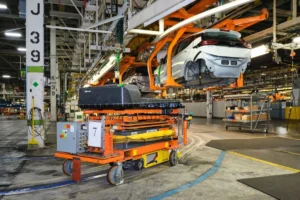
BMW has recently showcased its commitment to this comprehensive approach with the unveiling of its new X5 model, emphasizing a radical decarbonization of its entire production process. This initiative extends beyond the factory gates, actively engaging with suppliers to reduce the CO2 emissions associated with the manufacturing of every single component that constitutes the vehicle. While the definitive carbon footprint of the new X5, officially validated by the German Technical Inspection Association (TÜV), will be released upon the model’s formal market introduction, BMW has disclosed that its concerted efforts to reduce CO2 equivalent (CO2e) emissions throughout the product development phase have yielded an estimated 40% reduction.
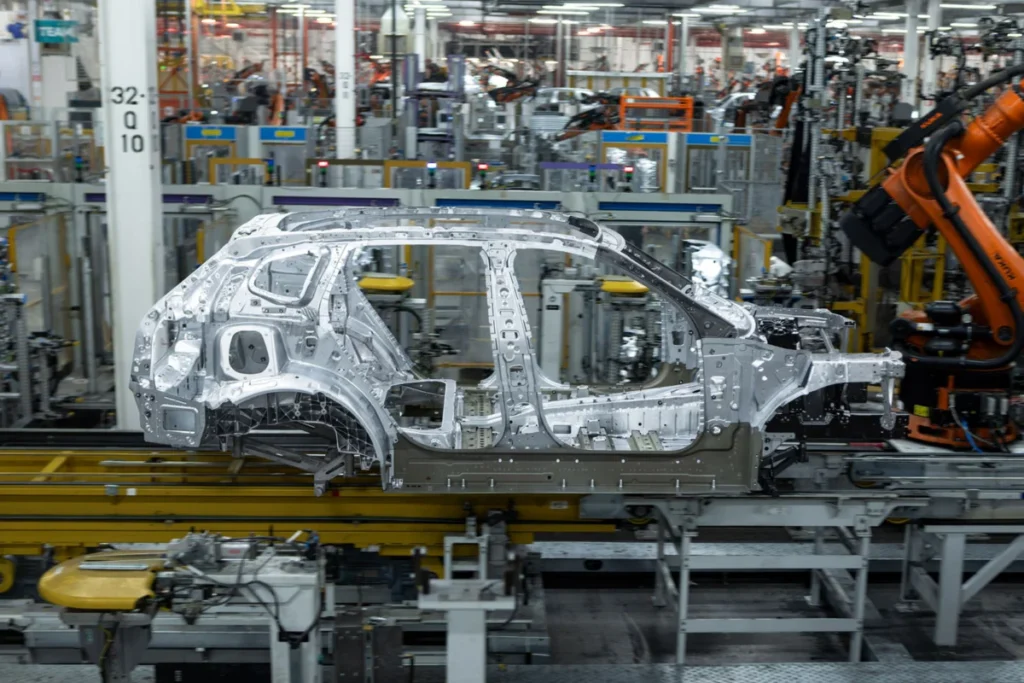
This significant reduction is not a singular achievement but rather the result of a multifaceted strategy integrating sustainable practices across various stages of production. For instance, approximately half of the steel utilized in the X5’s body construction is derived from electric arc furnace (EAF) steel. This method of steel production inherently incorporates a high percentage of recycled materials and, crucially, is powered by renewable energy sources, thereby dramatically lowering its carbon intensity compared to traditional blast furnace methods. Furthermore, the integration of secondary materials—those derived from recycled or reprocessed sources—is a pervasive theme throughout the X5’s structure and interior appointments, underscoring a deliberate move away from virgin resource dependency.
Material Innovation: From Steel to Batteries
The commitment to sustainability is particularly evident in the selection and processing of heavy-duty components. Aluminium, a material essential for numerous parts including wheel rims, wheel supports, rear axle supports, and brake calipers, is now manufactured using renewable energy. This applies to both the electrolysis process, which is energy-intensive, and the subsequent production stages. This conscious choice to power these operations with clean energy significantly diminishes the carbon footprint associated with these critical components.
Beyond energy sources, BMW is actively pursuing circular economy principles within its material sourcing. Thirty-five percent of the aluminium used in the X5’s doors, for example, originates from either external recycling streams or is sourced from scrap material generated within the press shop itself, a process known as "closed-loop" recycling. This approach not only reduces waste but also minimizes the need for energy-intensive primary aluminium production.
The interior of the X5 also reflects this dedication to sustainability. The yarn used for the cabin’s headliner material is exclusively 100% recycled polyethylene terephthalate (PET), a common plastic often sourced from discarded beverage bottles. On a broader scale, approximately one-third of the iX5 60 xDrive’s total mass—equating to a substantial 940 kilograms—is composed of secondary raw materials. This figure represents a significant shift in how vehicles are constructed, prioritizing resource efficiency and waste reduction.
Revolutionizing Battery Production and Recycling
The environmental impact of electric vehicles is intrinsically linked to their battery technology, and BMW has been at the forefront of advancing battery sustainability. While battery recycling has been a practice for some time, its early iterations were largely limited to the recovery of basic materials for use in less critical components, such as steel casings. However, the industry, and BMW in particular, has made significant strides. Modern battery recycling processes now focus on recovering and reusing the active materials themselves, which are the most valuable and energy-intensive to produce.
BMW’s sixth-generation (Gen6) battery technology exemplifies this progress. It incorporates a high proportion of secondary materials in its cobalt, lithium, and nickel content, the critical elements that define battery performance and sustainability. Moreover, the production of anode and cathode materials, as well as the overall cell manufacturing process for these advanced batteries, is increasingly powered by renewable energy sources.
The impact of these advancements is quantifiable. BMW reports that compared to the fifth-generation (Gen5) battery used in its iX model, the Gen6 battery achieves a reduction of approximately 28% in CO2e emissions per watt-hour of battery capacity. This represents a substantial improvement in the environmental credentials of their electric offerings.
The ‘Use Phase’ Advantage: Bridging the Gap
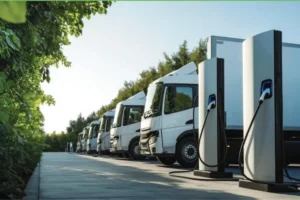
The reduction in a vehicle’s carbon footprint does not cease once it leaves the production line; it continues throughout its operational "use phase." For electric vehicles like the iX5 60 xDrive, the source of electricity used for charging plays a pivotal role in its overall environmental performance. BMW estimates that, depending on key variables such as the chosen drivetrain variant, the annual mileage driven, and the carbon intensity of the electricity grid used for charging, a new iX5 60 xDrive is projected to achieve a CO2e advantage over a comparable combustion engine vehicle after just one to two years of use.
This "use phase" advantage is a critical factor in the long-term sustainability of electric mobility. As electricity grids globally transition towards renewable energy sources, the carbon footprint of charging electric vehicles will continue to diminish, further solidifying their environmental superiority. This dynamic highlights the interconnectedness of automotive sustainability and the broader energy transition.
Broader Implications and Future Outlook
BMW’s comprehensive approach to decarbonizing the automotive lifecycle signifies a paradigm shift in the industry. It moves beyond superficial greenwashing and addresses the inherent environmental challenges of manufacturing complex machinery. The company’s commitment to Life Cycle Analysis and its transparent reporting of CO2e reductions are setting a precedent for other manufacturers to follow.
The implications of this holistic strategy are far-reaching. Firstly, it accelerates the adoption of circular economy principles within the automotive sector, fostering innovation in material science and recycling technologies. By prioritizing recycled and renewable materials, manufacturers can reduce their reliance on finite resources and mitigate the environmental damage associated with their extraction and processing.
Secondly, it underscores the importance of a decarbonized energy sector for the success of electric mobility. The true environmental benefits of EVs are maximized when they are charged with electricity generated from renewable sources. This symbiotic relationship incentivizes investment in clean energy infrastructure and promotes a faster transition away from fossil fuels.
Thirdly, BMW’s validated LCA data provides consumers with more informed choices. As consumers become increasingly aware of the environmental impact of their purchases, the availability of credible data on a vehicle’s lifecycle emissions empowers them to make decisions that align with their sustainability values. This can drive market demand for greener vehicles and further push manufacturers towards more sustainable practices.
The journey towards truly sustainable automotive manufacturing is ongoing and requires continuous innovation and collaboration across the entire value chain. BMW’s proactive stance with the new X5 and its advanced battery technologies demonstrates a tangible commitment to this future. The industry now faces the challenge of scaling these initiatives, driving down costs, and ensuring that the environmental gains achieved in production are sustained throughout the vehicle’s operational life and eventual disposal. The comprehensive LCA approach, as exemplified by BMW, is not just a reporting mechanism; it is a strategic imperative for building an automotive future that is both desirable and environmentally responsible.