For many horological enthusiasts, the path to discovering their perfect Omega Speedmaster is a swift revelation. They might immediately gravitate towards the iconic Moonwatch, a sleek modern automatic variant, a retro-inspired straight-lug design, or perhaps a specific vintage reference. Their journey of selection is often a brief, decisive affair. However, for this particular chronicler of timepieces, the quest for the quintessential Speedmaster has been a protracted, two-decade exploration, a testament to the model’s vast and diverse lineage. This extensive search, spanning twenty years, has culminated in the acquisition of a personal Moonwatch, the details of which are unveiled in an accompanying video.
The Omega Speedmaster’s allure has been a constant throughout the author’s more than two decades of immersion in the world of watches, a passion that predates the establishment of MONOCHROME in 2006. Its historical significance is undeniable, primarily rooted in its pioneering role as the first watch to grace the lunar surface and its unique distinction as the sole timepiece approved for all of NASA’s manned lunar missions. The rigorous testing conducted by NASA in 1965 saw the Speedmaster reference ST 105.003 emerge as the sole chronograph to survive, earning it the designation "flight-qualified by NASA for all manned space missions." This remarkable achievement in the annals of space exploration solidifies the Speedmaster’s unparalleled historical gravitas.
Beyond its celestial achievements, the Speedmaster is celebrated for its enduring aesthetic appeal and rich historical narrative. However, the sheer breadth of its iterations has presented a significant challenge for those seeking a specific model. The available options range from the original Moonwatch and a plethora of vintage models obtainable on the secondary market to numerous limited editions. Furthermore, the lineup includes not only the classic hand-wound movements but also various models equipped with automatic calibers, creating a landscape of choices that can be, as the author attests, somewhat overwhelming.
A Long and Winding Road: The Pursuit of the Ideal Speedmaster
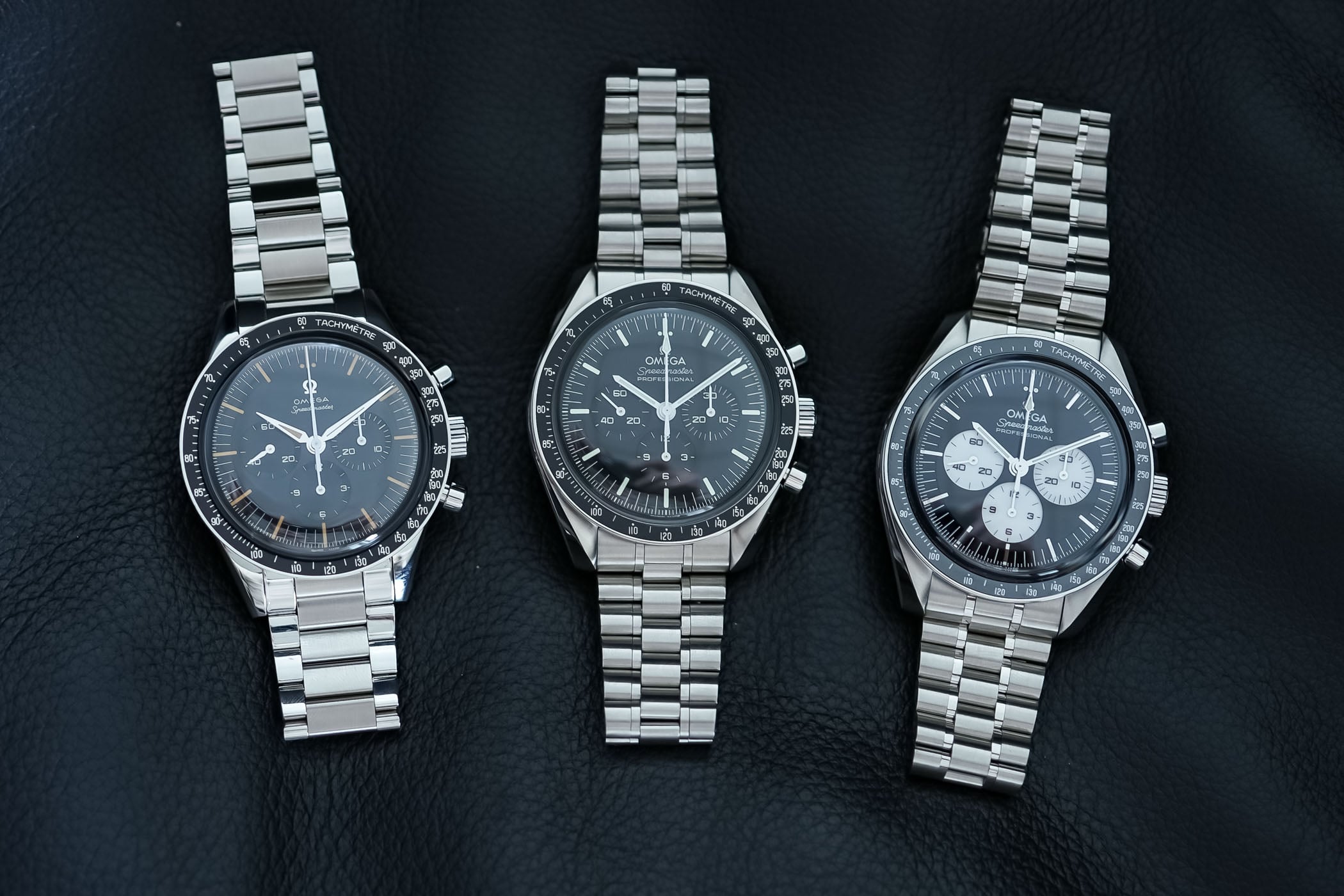
The author’s journey involved extensive research and hands-on experience. Numerous Speedmaster models were examined at collector gatherings, authorized dealerships, and watch fairs. Yet, the decision-making process remained elusive, with a constant internal debate regarding new Moonwatch editions, limited series, vintage pieces from one’s birth year, and the vast array of available options. This indecision persisted until 2013, when a significant milestone was reached at the inaugural "Speedy Tuesday" event held in Noordwijk, The Netherlands. It was at this event that the author finally acquired their first Speedmaster, a first-generation "First Omega in Space" (FOiS) model, after more than a decade of watch collecting.
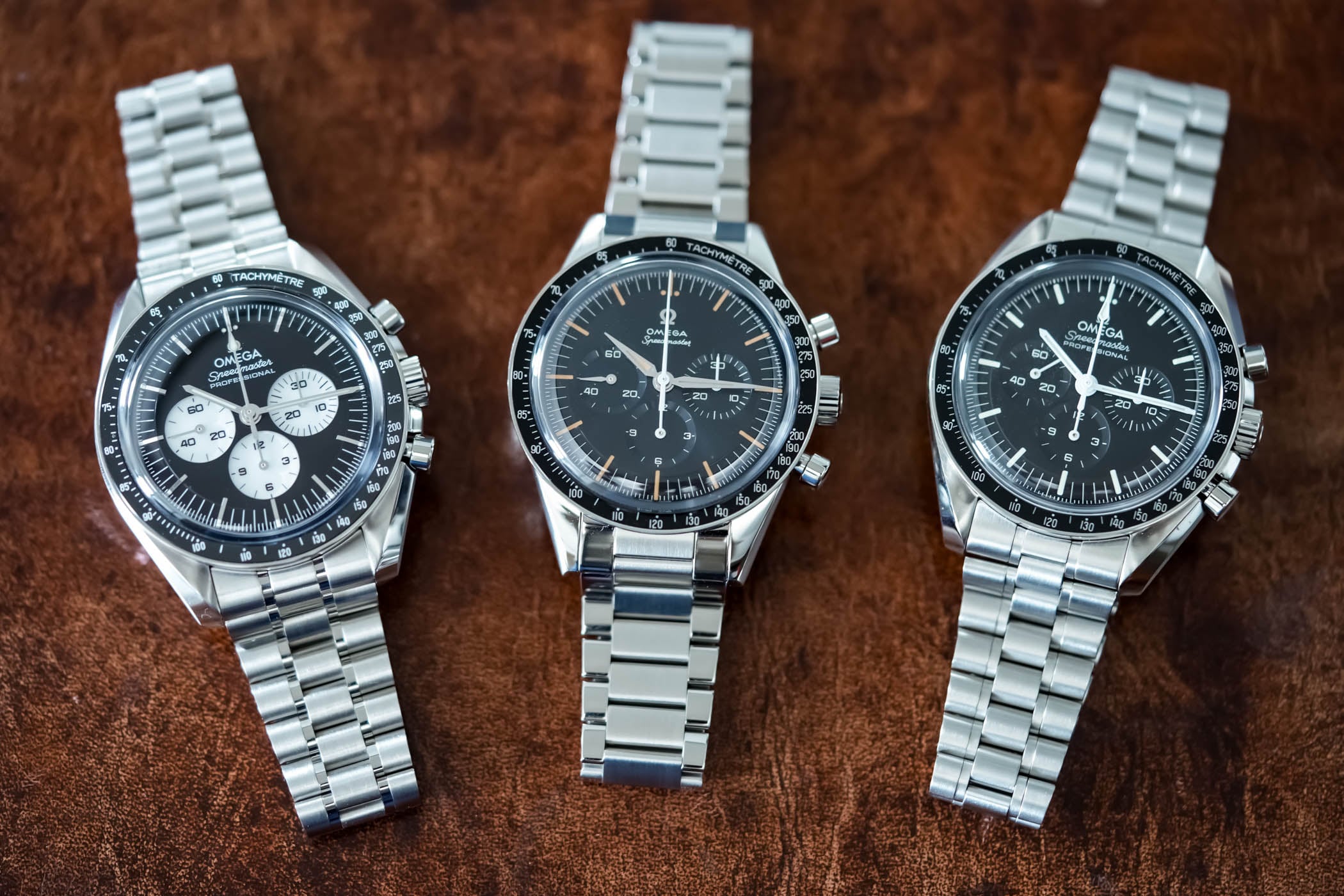
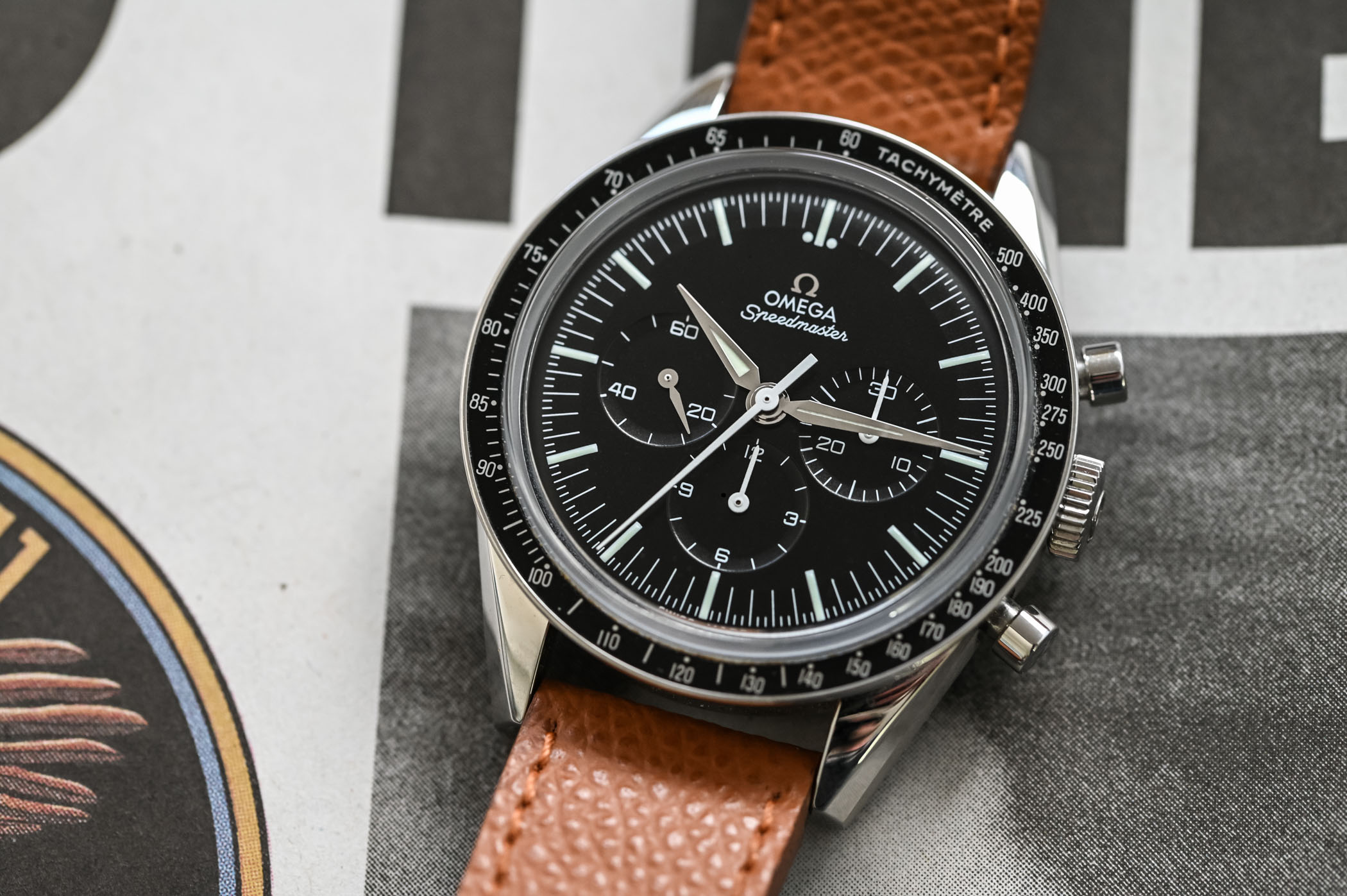
The FOiS, a re-edition of a historically significant model, represented a departure from the contemporary Moonwatch for the author. While acknowledging the essential nature of owning a Speedmaster within any serious watch collection, the author found the classic Moonwatch’s dimensions or bracelet less appealing. The FOiS, with its symmetrical case (distinct from the Moonwatch’s asymmetrical design with integrated crown and pusher guards) and its presentation on a leather strap, offered a more refined and perhaps purer iteration. This model harks back to the original CK2998, worn by astronaut Wally Schirra aboard the Sigma 7 capsule in 1962, thus earning its moniker "First Omega in Space."
The Siren Song of the Moonwatch: A Renewed Quest
Despite the satisfaction derived from the FOiS, a lingering thought persisted: it was a re-edition, not the definitive "Moonwatch" itself. This realization reignited the search, narrowing the focus to the authentic Moonwatch models. The criteria for this renewed pursuit excluded automatic movements, straight lugs, and exotic materials, seeking only the "real deal." The decision between a Hesalite or sapphire crystal, and a solid or exhibition caseback, continued to present a considerable dilemma. The introduction of the "Ed White" version, featuring a remade Calibre 321, and later the Canopus Gold edition, further complicated the landscape, though the latter’s price point rendered it inaccessible. This ongoing deliberation underscored the depth of Omega’s Speedmaster offerings and the subjective nature of "perfection" within the collection.
A Vintage Detour and a Modern Revelation
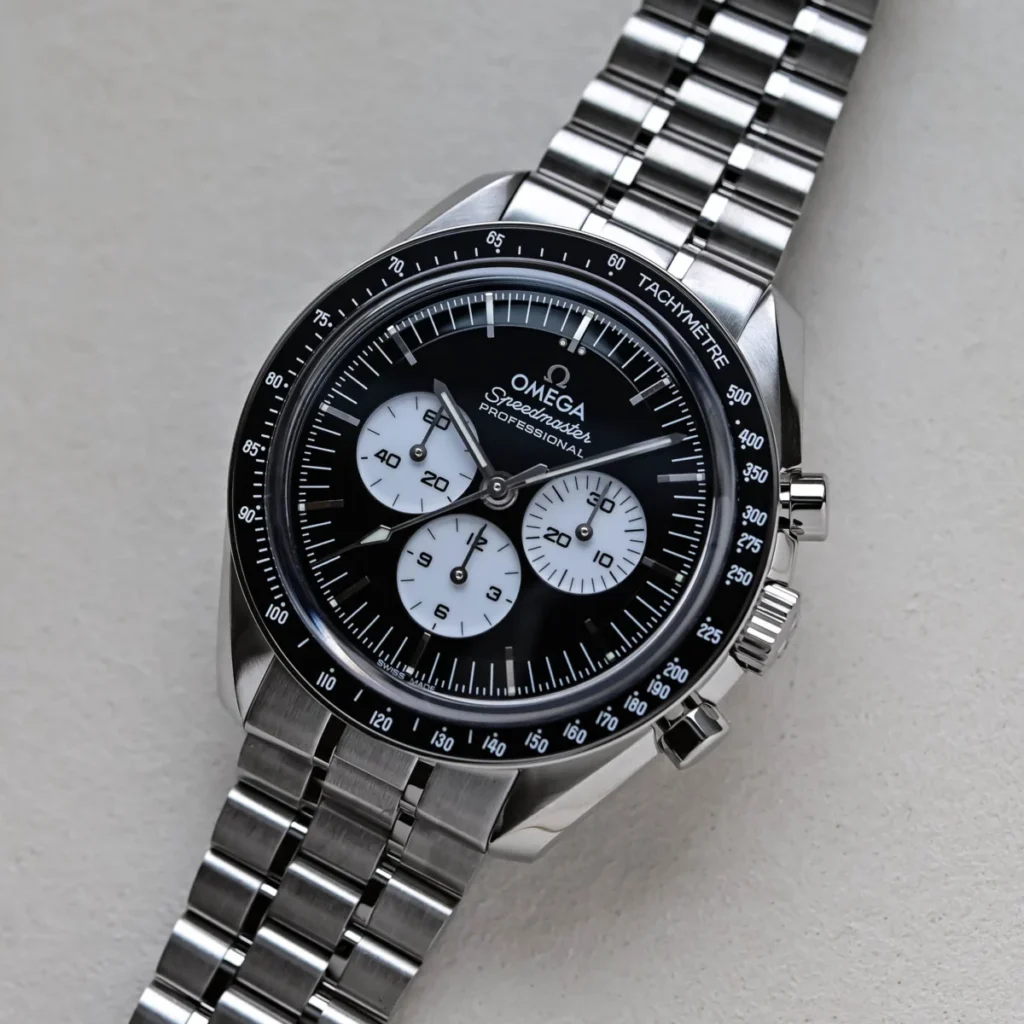
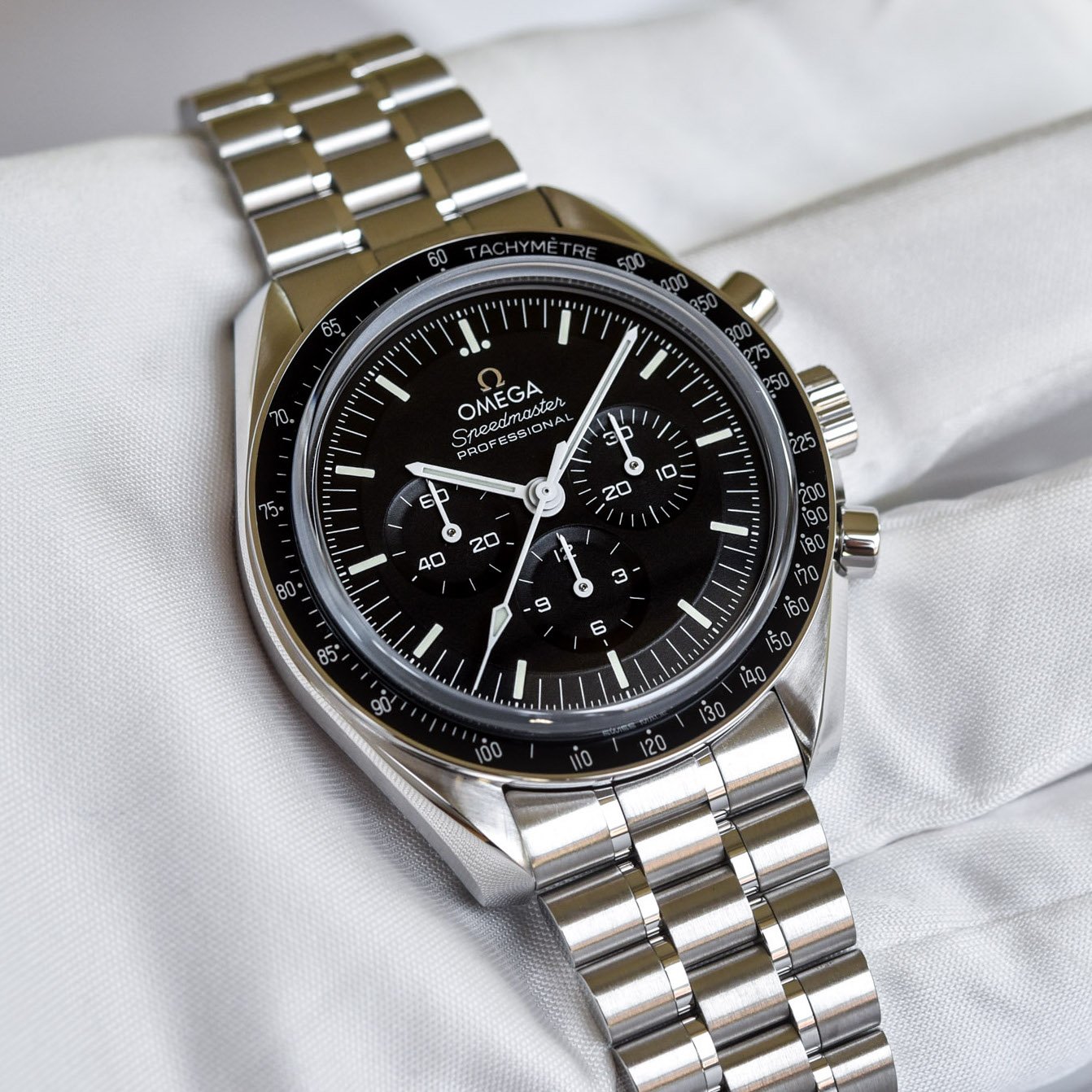
The search then took a turn towards vintage pieces, with an emphasis on models from the author’s birth year, ideally complete with original box and papers. This endeavor, as the author notes, proved to be a challenging undertaking. Concurrently, a significant development occurred earlier this year with Omega’s introduction of a new Speedmaster Moonwatch model that immediately captured the author’s attention. This latest release marked the definitive end to the twenty-year quest for the ultimate Speedmaster.
The accompanying video details the specific model that concluded this extensive two-decade search. The author invites viewers to watch the video to discover this final choice and encourages fellow enthusiasts to share their own favorite Speedmaster models in the comments section, fostering a community dialogue around this iconic timepiece.
The Enduring Legacy of the Speedmaster: A Chronological Perspective
The Omega Speedmaster’s journey began in 1957 with the reference CK2915, a chronograph designed for engineers and sportsmen. Its true ascent to legendary status, however, began in the 1960s.
- 1957: The first Omega Speedmaster, reference CK2915, is launched.
- 1962: Astronaut Wally Schirra wears his personal Speedmaster, reference CK2998, on the Sigma 7 mission, marking its unofficial entry into space.
- 1965: Following rigorous NASA testing, the Speedmaster reference ST 105.003 is officially declared "flight-qualified" for all manned space missions. This marks the beginning of its official space program heritage.
- 1969: The Speedmaster becomes the first watch worn on the Moon during the Apollo 11 mission by Buzz Aldrin, solidifying its "Moonwatch" moniker.
- 1970: The Speedmaster plays a crucial role in the Apollo 13 mission, where its functionality was vital for the astronauts’ survival after an in-flight emergency.
- 1971: The Speedmaster "Ed White" (reference ST 105.012) is launched, named after the first American to perform a spacewalk. This model featured an asymmetrical case with crown and pusher guards.
- 2012: Omega reintroduces the "First Omega in Space" (FOiS) model, a faithful re-edition of Wally Schirra’s CK2998.
- 2019: Omega revives the legendary Calibre 321 movement and releases the Speedmaster Calibre 321 "Ed White" in stainless steel, a highly anticipated and celebrated revival.
- 2020 onwards: Omega continues to expand the Speedmaster line with various iterations, including updated Moonwatch Professional Master Chronometer models featuring the Calibre 3861, and special editions in precious metals like Canopus Gold.
Data and Analysis: The Speedmaster’s Market Dominance
The Omega Speedmaster consistently ranks among the most sought-after and influential watch collections globally. Its enduring appeal is reflected in its robust resale value and continued demand across both new and pre-owned markets. The brand’s strategic approach to releasing diverse variations, from faithful historical re-editions to modern interpretations and limited editions, ensures sustained interest.
The "Moonwatch Effect" has a quantifiable impact on Omega’s brand perception and sales. The association with space exploration provides a unique and powerful marketing narrative that resonates with a broad demographic. Data from watch market analytics firms consistently show the Speedmaster as a top performer in terms of search volume, brand engagement, and secondary market activity. For instance, recent market analyses indicate that Speedmaster models, particularly those with historical significance or limited production runs, often appreciate in value, making them attractive investments for collectors.
The author’s protracted search highlights a common challenge faced by many collectors: the sheer diversity of the Speedmaster lineage. This complexity, while daunting, is also a significant strength for Omega, catering to a wide spectrum of tastes and preferences. The recent introduction of advanced in-house movements, such as the Master Chronometer-certified Calibre 3861, further enhances the Speedmaster’s appeal by offering superior precision, magnetic resistance, and power reserve, thereby bridging the gap between historical significance and modern horological innovation.
The narrative of the author’s two-decade quest underscores a fundamental truth in the world of horology: the pursuit of the perfect timepiece is often a deeply personal and evolving journey. The Omega Speedmaster, with its rich history, iconic design, and vast array of variants, provides an endlessly fascinating landscape for such exploration. The culmination of this journey, as revealed in the accompanying video, signifies not just the acquisition of a watch, but the realization of a long-held horological ambition.