BIRMINGHAM, Mich. – Healthcare companies are demonstrating a growing reliance on external manufacturing partners for a comprehensive suite of capabilities that extend far beyond mere production, according to the latest insights from Jabil’s 2026 Digital Health Technology Trends survey. The findings, released from Jabil, a global manufacturing services company, underscore a significant paradigm shift within the medical device and digital health sectors, as organizations strategically reassess their internal capacities versus the specialized expertise offered by contract manufacturers.
The survey, which polled decision-makers deeply involved in digital healthcare products and various medical device manufacturing domains—including diagnostics, surgical devices, pharmaceutical delivery, and orthopedics—revealed a marked increase in expectations from manufacturing partners. A substantial 63 percent of respondents now anticipate their manufacturing partners to provide capabilities crucial for developing new products, a notable jump from 43 percent just two years prior in 2024. This upward trend highlights a deepening integration of partners into the core innovation processes of healthcare companies. Furthermore, 72 percent of those surveyed expressed an expectation for manufacturing partners to assist in navigating the complex and rapidly evolving landscapes of technology, supplier networks, and regulatory environments.
The Evolving Landscape of Healthcare Manufacturing
The healthcare industry is currently undergoing a profound transformation, driven by an aging global population, the increasing prevalence of chronic diseases, the push for personalized medicine, and the rapid advancements in digital health technologies. These factors collectively contribute to a demand for more sophisticated, interconnected, and often miniaturized medical devices and digital health solutions. From smart wearables that monitor vital signs to advanced surgical robotics and highly specialized diagnostic equipment, the complexity of product development and manufacturing has escalated dramatically. This complexity often outstrips the internal capabilities of many original equipment manufacturers (OEMs), compelling them to seek external expertise.
Historically, medical device manufacturing was largely conducted in-house, driven by concerns over intellectual property, quality control, and regulatory compliance. However, the last decade has seen a gradual but consistent shift towards outsourcing, initially for basic production tasks and now increasingly for higher-value services. Contract Manufacturing Organizations (CMOs) and Electronic Manufacturing Services (EMS) providers have evolved from mere assemblers to strategic partners offering design assistance, engineering support, supply chain management, and regulatory guidance. This evolution is particularly pertinent in the digital health space, where integrating software, hardware, and data analytics requires a diverse skill set not always readily available or cost-effective to maintain internally.
Strategic Imperatives Driving Outsourcing Trends
The increasing selectivity healthcare companies exhibit in deciding which manufacturing capabilities to develop internally versus which to outsource is a direct reflection of several strategic imperatives. One of the primary drivers is the escalating cost of developing and maintaining state-of-the-art manufacturing infrastructure and specialized expertise. Establishing cleanrooms, acquiring advanced automation equipment, and retaining highly skilled engineers and technicians represent significant capital investments and ongoing operational expenses. For many healthcare companies, particularly smaller innovators or those focused on niche markets, outsourcing these functions becomes a more financially viable and agile option.
Speed to market is another critical factor. In a competitive and rapidly innovating sector, the ability to quickly bring new products from concept to commercialization can be a decisive advantage. Manufacturing partners, especially those with extensive experience across multiple clients and technologies, often possess streamlined processes, established supply chains, and readily available infrastructure that can significantly accelerate product development and launch timelines. This agility is particularly crucial for digital health products, which often have shorter development cycles and require iterative improvements.
Regulatory and quality requirements, while initially a reason for in-house manufacturing, are now increasingly seen as an area where specialized partners can add significant value. Navigating the labyrinthine regulations of bodies like the FDA in the United States, the European Medicines Agency (EMA) and the Medical Device Regulation (MDR) in Europe, and other global health authorities requires deep expertise and robust quality management systems. Experienced CMOs often have dedicated regulatory affairs teams and established quality systems (e.g., ISO 13485 certification) that can help healthcare companies ensure compliance and mitigate risks, thereby reducing time-consuming audits and potential market entry delays.
The Role of Manufacturing Automation
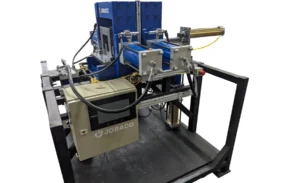
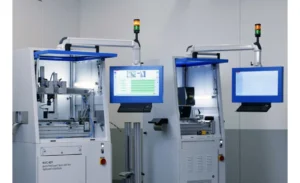
The survey’s findings on manufacturing automation further illustrate this strategic re-evaluation. In 2026, 46 percent of respondents indicated their organizations were developing manufacturing automation capabilities in-house, while 33 percent were looking to outsource them. This represents a subtle but significant shift from 2024, when 53 percent were developing automation internally and only 28 percent were considering outsourcing. While a slight majority still prefers internal development for automation, the growing inclination towards outsourcing signifies a recognition of the specialized knowledge and substantial investment required for advanced robotics, artificial intelligence (AI)-driven quality control, and sophisticated process automation.

Industry analysts suggest that this trend is driven by the rapid pace of technological advancement in automation itself. Keeping abreast of the latest robotic systems, vision inspection technologies, and data analytics platforms for process optimization demands continuous investment in R&D and employee training. For many healthcare OEMs, partnering with a CMO that specializes in advanced manufacturing automation allows them to leverage cutting-edge technologies without bearing the full cost and complexity of development and maintenance. This enables them to focus their internal resources on core competencies such as product design, clinical trials, and market strategy.
Navigating Regulatory and Technological Complexities
The complexity of the medical device and digital health landscape extends beyond manufacturing processes. The convergence of hardware, software, and data in digital health products introduces new layers of regulatory scrutiny, particularly concerning data privacy (e.g., HIPAA, GDPR) and cybersecurity. Manufacturing partners are increasingly expected to provide expertise in these areas, ensuring that products are not only manufactured to the highest quality standards but also designed and produced with security and compliance embedded from the outset.
The anonymous responses cited in the survey provide compelling real-world examples of these strategic decisions. One respondent involved in a medical device program highlighted the cost-effectiveness and efficiency of using a contract manufacturer for catheter extrusions. Developing this highly specialized capability internally, including the necessary equipment, cleanroom facilities, and expert personnel, would entail significant capital outlay and a prolonged development timeline. Outsourcing allows the company to access this specialized process immediately, reducing time to market and freeing up internal resources for other critical tasks.
Another respondent underscored the immense investment required to replicate a manufacturing partner’s existing infrastructure and expertise. Such an endeavor, encompassing years of development and substantial financial commitment, is often prohibitive for even large healthcare companies. This highlights the value proposition of CMOs: they offer ready-to-deploy, high-quality manufacturing ecosystems built over years, allowing OEMs to scale production and leverage advanced capabilities without the upfront burden.
Implications for Innovation and Market Access
The growing reliance on manufacturing partners has significant implications for innovation within the healthcare sector. By offloading manufacturing complexities, healthcare companies can dedicate more of their internal R&D budgets and engineering talent to core product innovation, clinical research, and user experience design. This focus can accelerate the development of truly novel therapies and diagnostic tools, ultimately benefiting patients.
Moreover, manufacturing partners often bring a broader perspective and cross-industry insights to the table. Having worked with multiple clients across various medical device categories, they can sometimes offer innovative solutions or best practices learned from other projects, fostering a collaborative environment that sparks new ideas. Their established global supply chains can also facilitate quicker market access, especially for companies looking to expand into international markets where local manufacturing expertise or regulatory knowledge is crucial.
However, outsourcing is not without its challenges. Intellectual property protection remains a paramount concern for healthcare companies. Robust legal agreements, stringent confidentiality clauses, and a thorough vetting process for manufacturing partners are essential to safeguard proprietary designs and technologies. Quality control and oversight are also critical; while CMOs are responsible for manufacturing quality, the OEM ultimately bears the responsibility for the safety and efficacy of the final product. Therefore, close collaboration, regular audits, and clear communication channels are vital for a successful partnership.
The Future Outlook for Digital Health and Medical Device Production
Looking ahead, the trends identified in Jabil’s survey are likely to intensify. The digital health market is projected to continue its robust growth, driven by advancements in AI, machine learning, the Internet of Medical Things (IoMT), and telehealth solutions. As these technologies become more integrated into medical devices, the demand for manufacturing partners capable of handling complex electronics, sophisticated software integration, and secure data management will only increase.
The global medical device market, valued at hundreds of billions of dollars, is expected to continue its expansion, with innovation cycles becoming shorter. This dynamic environment necessitates agile manufacturing strategies. Contract manufacturers that can offer end-to-end solutions—from design and engineering to manufacturing, supply chain management, and post-market support—will be increasingly sought after. Their ability to provide specialized expertise, accelerate time to market, and help navigate complex regulatory landscapes positions them as indispensable strategic allies for healthcare companies aiming to thrive in a rapidly evolving industry. The Jabil survey serves as a clear indicator that the future of healthcare manufacturing is increasingly collaborative, specialized, and outwardly focused.