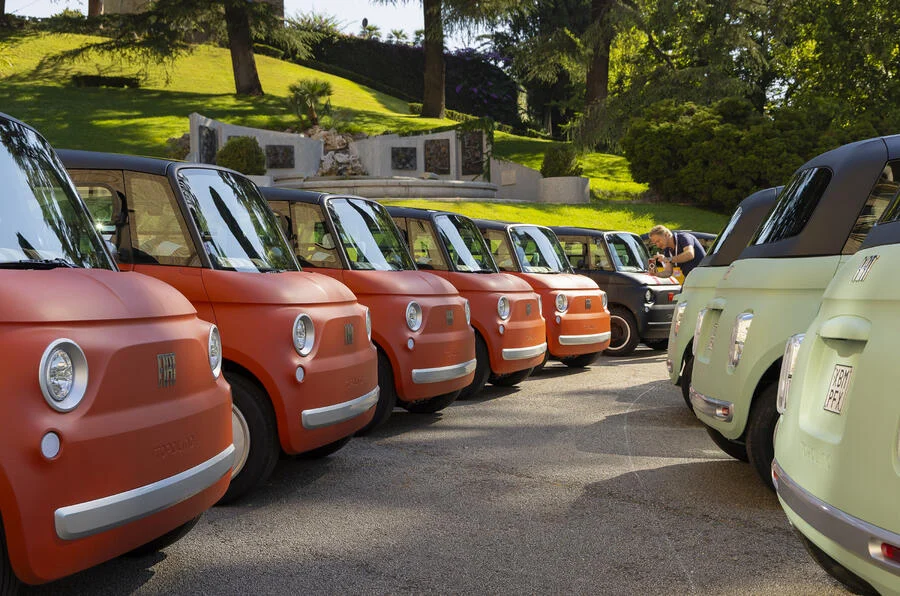
The Vatican City, the world’s smallest independent state, a sovereign territory of just 0.19 square miles, has long been a place of spiritual significance and architectural marvel. However, its unique geography, characterized by narrow access roads, steep inclines, and intricate gardens, presents an unusual challenge for personal transport. Recently, this challenge has taken a peculiar turn with the consideration of Fiat’s latest microcar, the Topolino, as a potential solution for navigating the confined yet dynamic terrain within the Vatican’s walls. This unlikely pairing of a Lilliputian automobile and a miniature nation raises questions about practicality, symbolism, and the future of mobility within this historic enclave.
The Vatican City: A Unique Urban Landscape
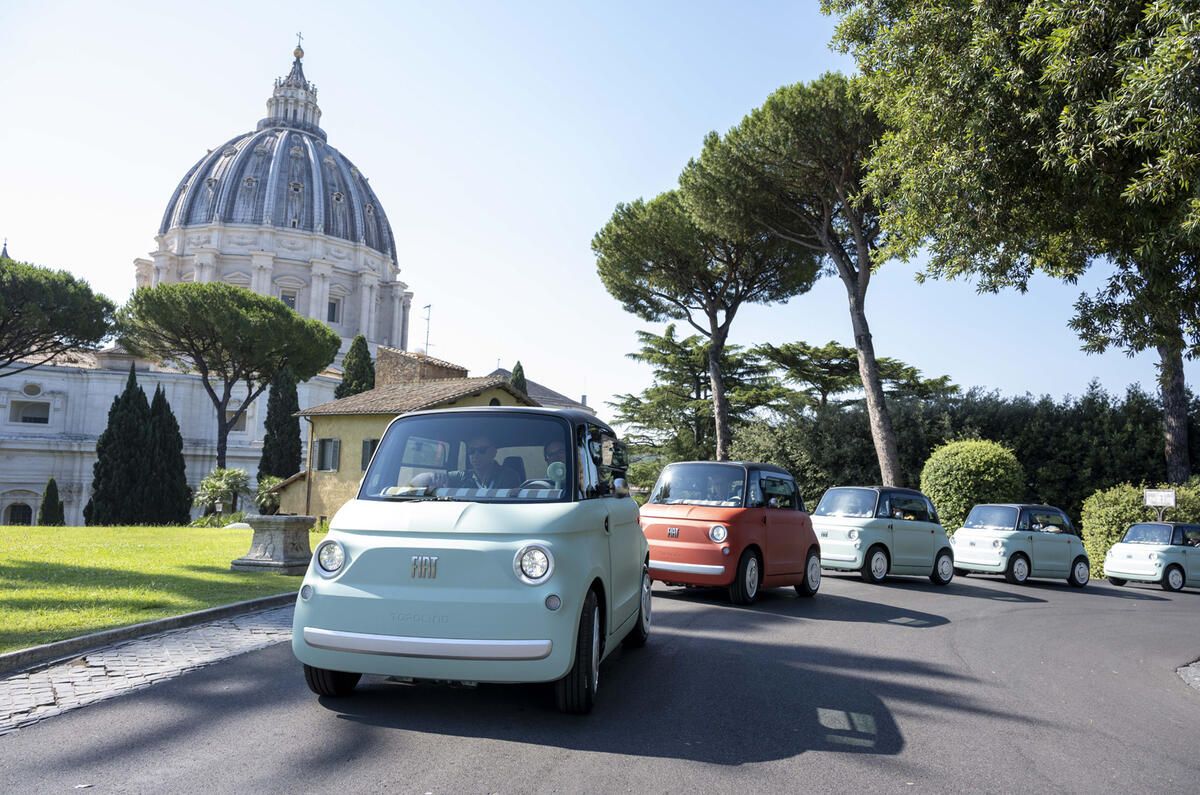
Nestled within Rome, the Vatican City is a sovereign entity established by the Lateran Treaty in 1929. Its limited acreage, comparable to London’s Regent’s Park, necessitates efficient and unobtrusive modes of transport. The infrastructure, designed more for pedestrian movement and ceremonial processions, includes winding roads through the Vatican Gardens, access routes behind St. Peter’s Basilica, and pathways leading to the Governorate Palace. These routes, while picturesque, feature steep gradients, sharp hairpin turns, and short straights, demanding a vehicle that is both agile and capable of handling such varied topography. The constant influx of tourists, clergy, and officials, coupled with the need for discreet movement within its sacred confines, further amplifies the demand for suitable vehicles.
Introducing the Fiat Topolino: A Modern Microcar
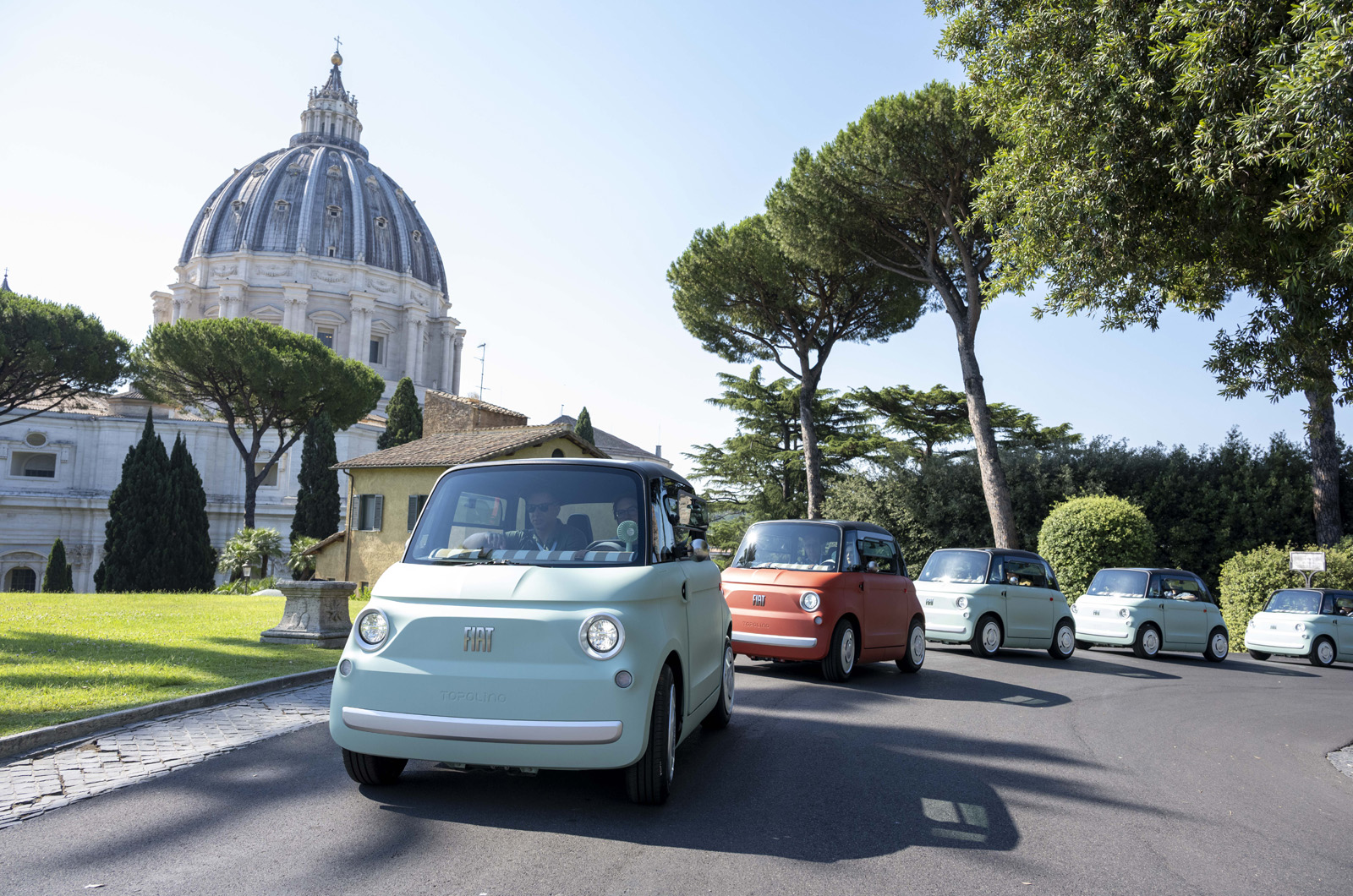
Fiat’s reintroduction of the "Topolino" nameplate signifies a return to its heritage of producing accessible and compact urban mobility solutions. The new Topolino, an all-electric quadricycle, is designed with the principles of simplicity, sustainability, and urban convenience in mind. Measuring just over 2.5 meters in length and weighing under 500kg, it is significantly smaller than a conventional car. Its electric powertrain offers a top speed of around 45 km/h (28 mph) and a range typically suitable for city commuting. The vehicle is characterized by its retro-inspired design, reminiscent of the original Fiat 500, and its open-top or glass-roof configurations, aiming to enhance the sense of connection with the environment.
The Rationale Behind the Vatican’s Consideration
The appeal of the Fiat Topolino for the Vatican City lies in several key factors:
- Size and Maneuverability: The microcar’s diminutive dimensions are ideally suited for navigating the Vatican’s tight corners and narrow lanes. Its small turning radius would allow for effortless maneuvering in confined spaces, reducing the risk of damage to the historic architecture and delicate landscaping.
- Environmental Credentials: As a sovereign state with a strong emphasis on preserving its heritage and promoting a tranquil atmosphere, the Vatican City is likely to favor environmentally friendly transportation. The Topolino’s all-electric powertrain aligns perfectly with these aspirations, offering zero tailpipe emissions and reduced noise pollution. This would contribute to maintaining the serene ambiance of the Vatican Gardens and its iconic landmarks.
- Symbolic Resonance: The Topolino, meaning "little mouse" in Italian, evokes a sense of charm and historical connection. This could resonate with the Vatican’s unique identity, blending tradition with a forward-looking approach to practical solutions. The idea of a "tiny car" for a "tiny country" possesses a certain poetic and fitting quality.
- Cost-Effectiveness and Accessibility: Microcars generally represent a more affordable entry point into personal transportation. For individuals within the Vatican who require a personal vehicle for internal movement, the Topolino could offer a cost-effective and practical option.
A Timeline of Consideration and Potential Adoption
While specific dates for official discussions or trials are not publicly disclosed, the recent unveiling and subsequent market introduction of the Fiat Topolino suggest that such considerations would have taken place in the late 2022 to early 2024 period. Fiat, as part of Stellantis, has been actively promoting its microcar segment, particularly in European markets where regulations for quadricycles are well-established. The Vatican City, with its unique requirements, would have likely initiated informal inquiries or been approached by Fiat representatives seeking potential niche markets for the Topolino.
The process would typically involve:
- Initial Inquiry and Information Exchange: Representatives from the Vatican’s administrative bodies, likely those responsible for infrastructure and transportation, would have engaged with Fiat to understand the Topolino’s specifications, capabilities, and suitability for their environment.
- Feasibility Study and Site Assessment: A thorough assessment of the Vatican’s road network, gradients, and typical usage patterns would have been conducted to determine if the Topolino could meet the demands. This would involve evaluating its performance on inclines, its ability to navigate sharp turns, and its overall practicality for daily use by Vatican personnel.
- Potential Pilot Program or Demonstrations: If initial assessments are positive, a pilot program or a series of demonstrations might be organized. This would allow Vatican officials and potentially some designated personnel to experience the Topolino firsthand in its intended operating environment.
- Formal Approval and Procurement: Following successful trials and a positive evaluation, formal approval would be sought from the relevant Vatican authorities. This would then lead to a procurement process, where a specific number of Topolino vehicles could be acquired for use by authorized individuals within the Vatican City.
Supporting Data and Context
- Vatican City’s Area: 0.19 square miles (0.49 square kilometers). This is significantly smaller than Monaco (0.81 sq mi) and San Marino (23.6 sq mi), the other two microstates in Europe.
- Fiat Topolino Dimensions: Approximately 2.53 meters (8.3 feet) in length, 1.53 meters (5.0 feet) in width, and 1.53 meters (5.0 feet) in height.
- Topolino Top Speed: Limited to 45 km/h (28 mph) in compliance with European quadricycle regulations.
- Topolino Range: Estimated at around 75 km (47 miles) on a full charge, sufficient for multiple trips within the Vatican.
- Vatican’s Existing Vehicle Fleet: The Vatican City maintains a fleet of vehicles, including official cars, service vehicles, and golf carts, for internal transportation and maintenance. The introduction of the Topolino would represent a shift towards smaller, more specialized electric mobility.
- Global Trend of Microcar Adoption: Across Europe, microcars and quadricycles are gaining traction as solutions for urban congestion, parking challenges, and environmental concerns. Cities like Paris and London have seen an increase in the use of such vehicles for last-mile delivery and personal mobility.
Potential Implications and Broader Impact
The adoption of the Fiat Topolino by the Vatican City could have several notable implications:
- Enhanced Mobility for Clergy and Staff: For individuals who require internal movement within the Vatican for administrative duties, pastoral visits within its grounds, or general work, the Topolino could offer a convenient and efficient personal transport solution.
- Reinforcement of Environmental Commitment: This move would further underscore the Vatican’s commitment to sustainability and its role as a global advocate for environmental stewardship. It would serve as a visible example of how even historically significant institutions can embrace modern, eco-friendly technologies.
- Niche Market Validation for Fiat: The Vatican’s endorsement, even if symbolic, could provide valuable validation for Fiat’s microcar strategy. It demonstrates the Topolino’s potential applicability in highly specialized and unique environments, potentially inspiring other similar institutions or historical sites to consider such solutions.
- A Unique Tourist Attraction: The sight of these charming little cars navigating the historic streets could become a minor, yet distinctive, tourist attraction, adding another layer of character to the Vatican experience.
- A Precedent for Other Microstates: The success of the Topolino in the Vatican could serve as a precedent for other microstates or similarly constrained urban environments, encouraging the adoption of compact, electric mobility solutions.
Statements and Reactions (Inferred)
While official statements from the Vatican regarding the Fiat Topolino are unlikely to be forthcoming in the same way as a major policy announcement, one can infer potential reactions:
- From Vatican Administration: Officials responsible for infrastructure and sustainability would likely express satisfaction with a solution that addresses practical mobility needs while aligning with the Vatican’s environmental goals and preserving the sanctity of its spaces. They might highlight the vehicle’s quiet operation and minimal footprint as key advantages.
- From Fiat: Fiat’s marketing and communications departments would undoubtedly leverage such a high-profile, albeit niche, adoption as a testament to the Topolino’s versatility and appeal. They might emphasize the vehicle’s ability to "fit perfectly" into unique environments, drawing parallels between the microcar and the microstate.
- From the Public and Media: The unusual pairing is likely to generate positive media attention, focusing on the charming juxtaposition of the historic Vatican and the modern microcar. It could be framed as a delightful, forward-thinking initiative, adding a touch of whimsy to the spiritual heart of Catholicism.
Conclusion
The potential integration of the Fiat Topolino into the Vatican City’s transport landscape represents a fascinating intersection of historical significance, modern technology, and practical necessity. The world’s smallest country, facing the unique challenges of its confined yet complex geography, finds a potential ally in one of the smallest modern automobiles. Beyond mere transportation, the adoption of the Topolino would symbolize a commitment to sustainability, a nod to historical charm, and a forward-looking approach to mobility within a globally recognized spiritual and cultural hub. As the Vatican City continues to balance its ancient traditions with the demands of the 21st century, the "little mouse" may well prove to be an unexpectedly perfect fit for its hallowed grounds.