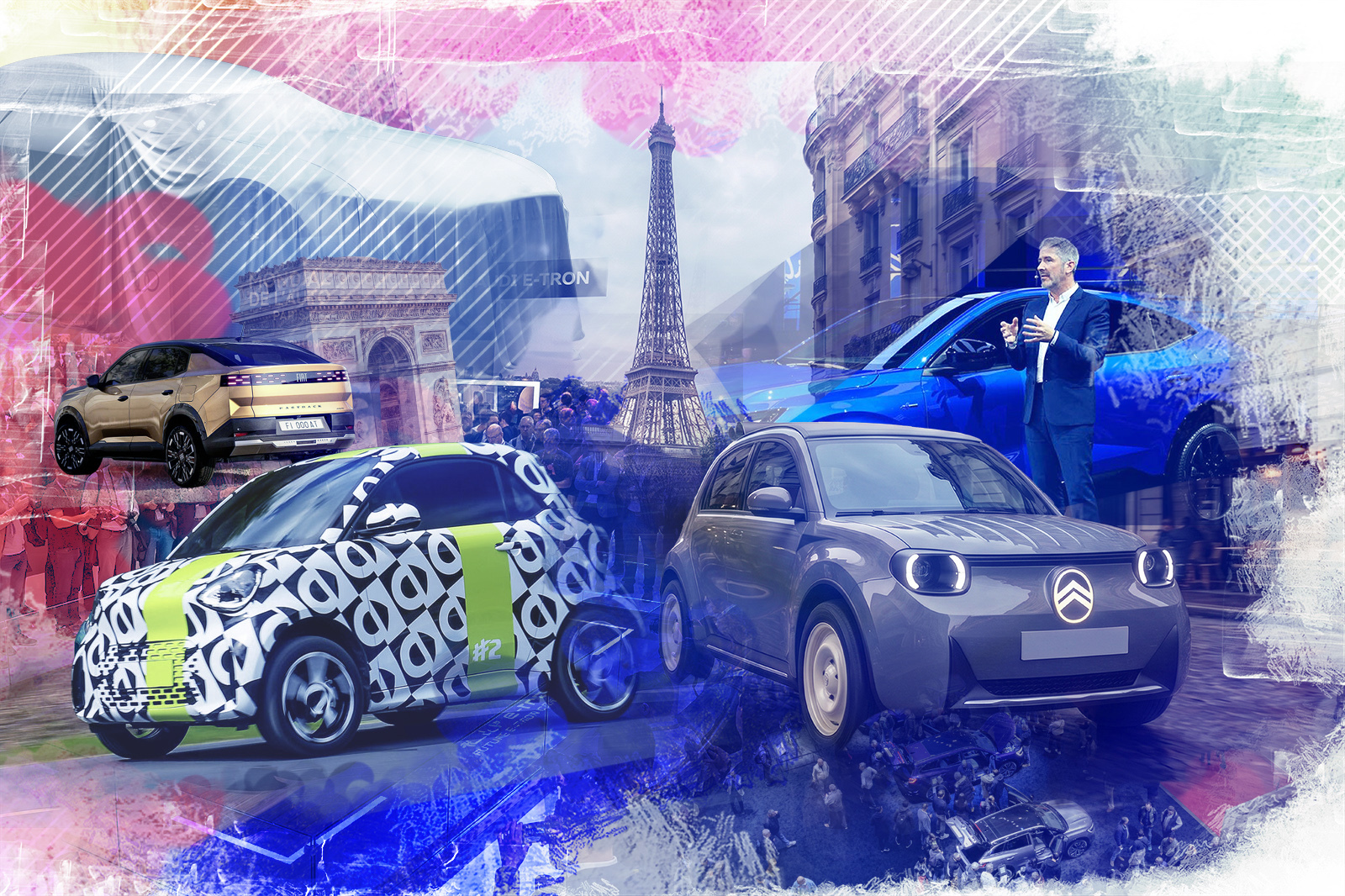
The automotive world is abuzz with anticipation for this year’s Paris Motor Show, poised to be one of the most significant gatherings in recent memory. This pivotal event is not merely a showcase of automotive innovation; it represents a strategic rallying point for the European car industry as it confronts the rapidly expanding presence of Chinese manufacturers. The show floor, a crucible of competition and creativity, will prominently feature electric vehicles, reflecting a global trend. However, a discernible shift towards the more accessible, lower end of the market will also be a dominant narrative, as established European brands like Citroën, Dacia, and Peugeot actively seek to address the crucial question of how to effectively persuade the majority of car buyers to transition away from traditional petrol-powered vehicles.
While the revival of the iconic Citroën 2CV is expected to capture significant media attention and public imagination, the Paris Motor Show will also offer a glimpse into the future of performance and practicality. Attendees can anticipate fresh details on the next-generation Alpine A110 sports car, a potential successor to the ubiquitous Smart Fortwo city car, and a host of other exciting reveals that underscore the industry’s dynamic evolution.
The European Defence: Electrification and Affordability as Key Strategies
The Paris Motor Show has historically served as a barometer for the automotive industry’s direction, and this year is no exception. The palpable tension between established European players and emerging Chinese competitors sets a unique backdrop for the proceedings. Chinese brands, bolstered by significant investment and rapid technological advancement, have been steadily increasing their market share in Europe, particularly in the burgeoning electric vehicle segment. This has prompted a more concerted and unified response from European manufacturers, who are leveraging their heritage, engineering expertise, and understanding of local consumer preferences to maintain their dominance.
The strategic focus on electric vehicles is unsurthing. Projections from the European Automobile Manufacturers’ Association (ACEA) indicate that by 2030, over 70% of new car registrations in the EU could be for electric or plug-in hybrid vehicles. This transition, however, is not without its challenges, chief among them being cost. The initial purchase price of many EVs remains a significant barrier for a large segment of the population. This is precisely why the emphasis on the "bottom end of the market" at the Paris show is so critical. Brands are not just aiming to electrify their lineups; they are aiming to democratize electric mobility, making it a viable option for the average consumer.
Key Debuts and Reveals at the Paris Motor Show
Alpine A110: Electrifying a Legend
The next-generation Alpine A110 is already a subject of considerable discussion, and the Paris Motor Show is expected to provide further illuminating details. Alpine, the performance brand of Renault, has been teasing the all-electric iteration of its celebrated sports car. While much of the design and powertrain architecture has been hinted at, the show is slated to unveil "new elements" that will offer a more comprehensive understanding of this highly anticipated model. This electric reincarnation aims to carry forward the legacy of the original A110, renowned for its lightweight construction and agile handling, into the electric era. Industry analysts suggest that this move is crucial for Alpine to remain competitive in the premium sports car segment, where electrification is rapidly becoming the standard. The brand’s commitment to preserving the driving dynamics that defined its predecessors, while embracing new powertrain technology, will be a key point of interest.
Audi A2: A Premium Electric Compact Reimagined
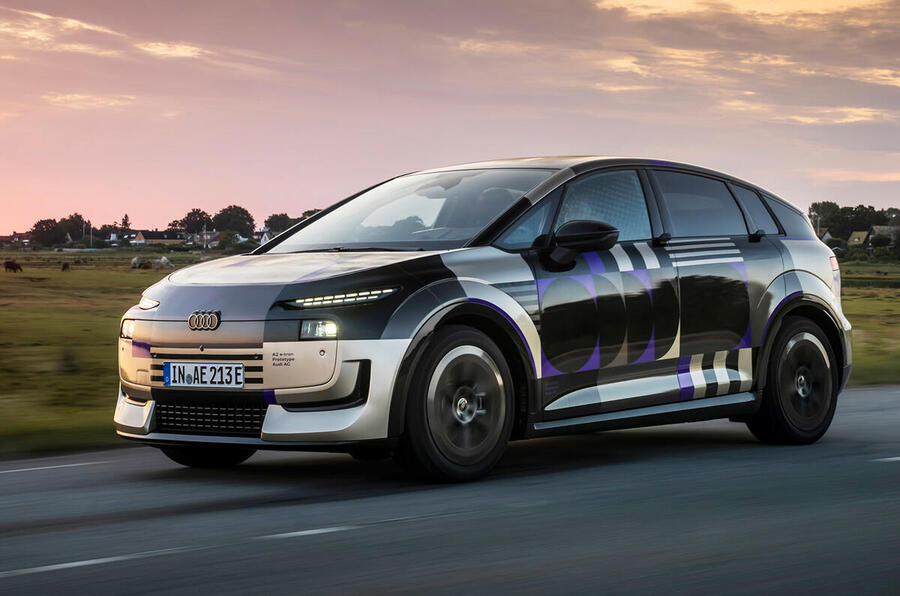
While Audi has remained tight-lipped about an official confirmation, strong indicators suggest the debut of the reborn Audi A2 at the Paris Motor Show. The German luxury manufacturer has pointed to an autumn debut for the model, and its confirmed participation as an exhibitor further fuels speculation. The A2, if present, will represent Audi’s ambitious foray into the premium compact electric vehicle segment. Styled to evoke the spirit of the original A2, a car lauded for its innovative design and efficiency in its time, this new EV is positioned as an upmarket sibling to the Volkswagen ID 3. Its appearance at Paris would signal Audi’s intent to offer a more refined and premium alternative in a growing market segment, potentially targeting consumers who value design, technology, and brand prestige alongside electric performance. The original A2, launched in 1999, was a pioneering vehicle for its aluminum construction and efficient packaging, and its spiritual successor aims to recapture that innovative essence in an electric package.
Citroën 2CV: Affordable Mobility for the Electric Age
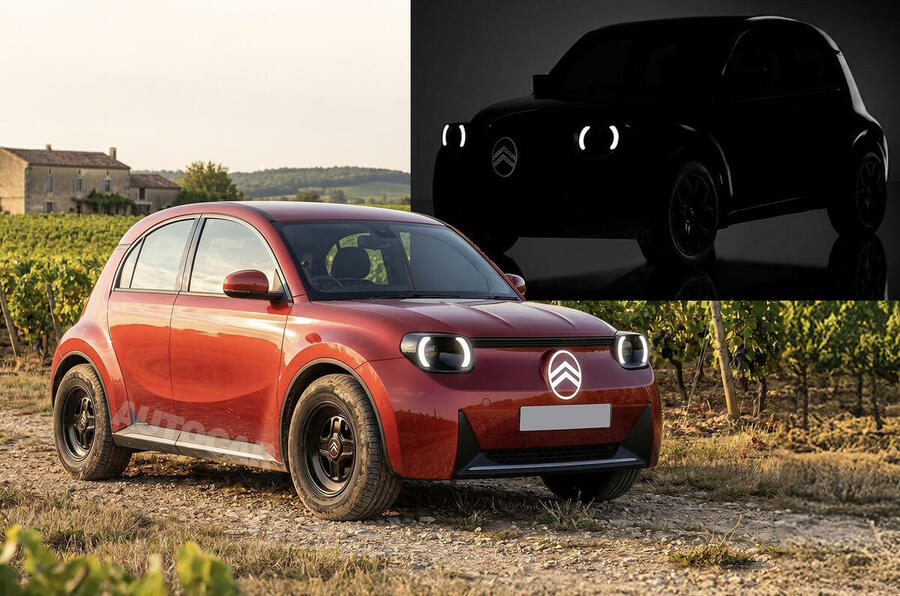
The return of the legendary Citroën 2CV, affectionately known as the "Tin Snail," is arguably the most anticipated reveal of the Paris Motor Show. Citroën CEO Xavier Chardon has articulated a clear vision for the new 2CV: to offer "exactly the same purpose as the 2CV did in the late 1940s" – providing affordable, accessible transportation for the masses, but this time, adapted for the electric era. The show car will be presented as a concept, but it is expected to serve as a near-production preview of the model slated for market entry in 2028. This revival is a strategic masterstroke for Citroën, tapping into a deep well of nostalgia while addressing the pressing need for affordable electric vehicles. The original 2CV, launched in 1948, was designed to be a utilitarian and economical car for rural French farmers. Its modern electric counterpart aims to fulfill a similar role in contemporary urban and suburban environments, offering a practical and environmentally conscious solution for everyday mobility. The challenge will be to balance affordability with the technological demands of an electric powertrain, a feat that, if achieved, could redefine accessible EV ownership.
Dacia Spring Mk2: A More Sophisticated and Stylish Entry-Level EV
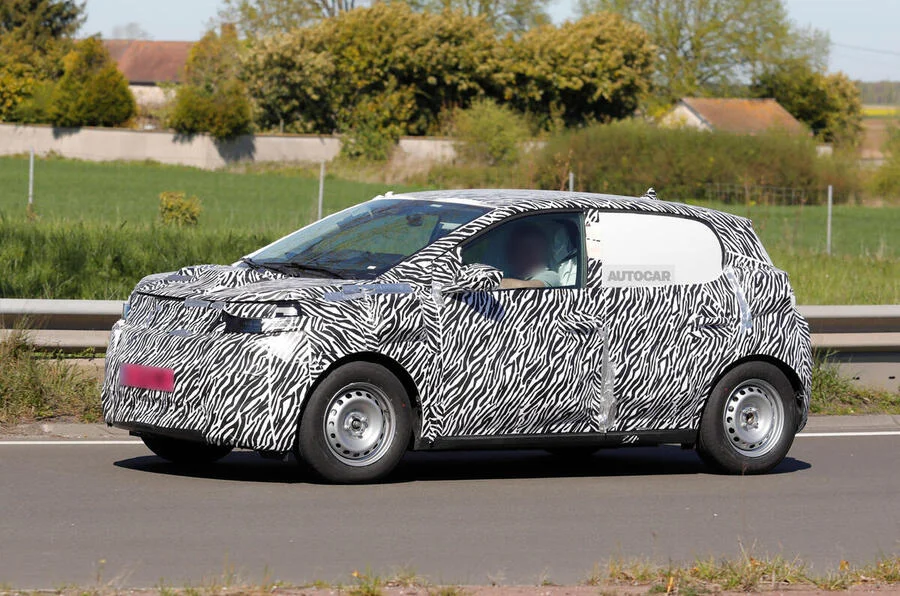
The Dacia Spring has already carved out a significant niche in the European market as a budget-friendly, no-frills electric car, ideal for short urban commutes and daily errands. However, the second-generation model, widely expected to be unveiled at Paris, promises a substantial leap forward. Moving away from its Indian city car platform, the new Spring will adopt the architecture that underpins the Renault Twingo. This crucial shift is anticipated to bring significant improvements in ride quality, safety, and overall refinement. Furthermore, the styling will be brought more in line with Dacia’s current design language, offering a more modern and appealing aesthetic. The "New Spring" moniker suggests a period of parallel sales with the outgoing model, allowing for a smoother transition for existing customers and broader market coverage. Dacia’s strategy of offering highly competitive pricing, even with these upgrades, positions the Spring Mk2 as a formidable contender in the affordable EV space, potentially attracting a wider demographic of buyers looking to make their first foray into electric motoring without breaking the bank.
Fiat Concept Car: A Stellantis Gambit for Affordability
The organizers of the Paris Motor Show have confirmed that Fiat will be showcasing an "exclusive concept car." While details remain scarce, the automotive community is speculating that this concept could be Fiat’s answer to the revived Citroën 2CV. Given that both Fiat and Citroën are part of the Stellantis automotive conglomerate, and both brands are actively pursuing strategies to target the affordable end of the European market, such a collaboration or parallel development would be a logical move. This concept could potentially leverage shared platforms and technologies within Stellantis to create a compelling and cost-effective electric vehicle. Fiat has a rich history of producing popular and accessible small cars, and a new electric offering in this vein would align perfectly with current market demands and Stellantis’s broader electrification strategy. The success of such a vehicle would depend heavily on its ability to deliver on affordability, practicality, and desirable design, all while meeting evolving European emissions and safety standards.
The Broader Implications for the European Automotive Landscape
The Paris Motor Show, in this context, transcends a simple exhibition of new models. It serves as a critical juncture where European automakers are demonstrating their collective resolve to adapt and compete in a rapidly changing global automotive landscape. The surge of Chinese manufacturers, characterized by their aggressive pricing and advanced EV technology, has undeniably disrupted the established order. However, the European response, as evidenced by the focus on affordability and the strategic revival of iconic models, suggests a nuanced approach.
The emphasis on accessible EVs is not merely a defensive strategy; it is a proactive attempt to shape the future of mobility for a broader consumer base. By making electric cars more attainable, European brands aim to accelerate the transition away from fossil fuels, contributing to environmental goals while simultaneously solidifying their market position. The success of these new affordable EVs will be a key determinant of the pace and direction of electrification across the continent.
Furthermore, the show highlights a growing trend of brand heritage being leveraged to connect with consumers. The resurrection of the 2CV and the reimagining of the A2 tap into decades of automotive history and emotional resonance, offering a compelling narrative that goes beyond pure technical specifications. This blend of nostalgia and innovation could prove to be a powerful differentiator against newer, less established brands.
The coming years will undoubtedly witness an intensified battle for market share in Europe. The Paris Motor Show is merely the opening salvo in this ongoing competition, signaling a renewed commitment from European manufacturers to not only embrace electrification but to make it a practical and desirable reality for all drivers. The industry’s ability to balance innovation with affordability, while drawing on its rich heritage, will be crucial in navigating the challenges and opportunities that lie ahead. The outcome of this strategic maneuver will have profound implications for the future of European automotive manufacturing and mobility for millions of consumers.