The watchmaking landscape in Glashütte, Germany, is a tapestry woven with rich history, shared heritage, and subtle rivalries. While the brands may operate with a polite distance, the unspoken dialogue between Moritz Grossmann and A. Lange & Söhne, two prominent horological houses situated in the same small town, is undeniable and profoundly influences their contemporary collections. This article delves into the unique characteristics that distinguish Moritz Grossmann watches, exploring the subtle yet significant features that set them apart, particularly when viewed against the backdrop of their esteemed neighbor.
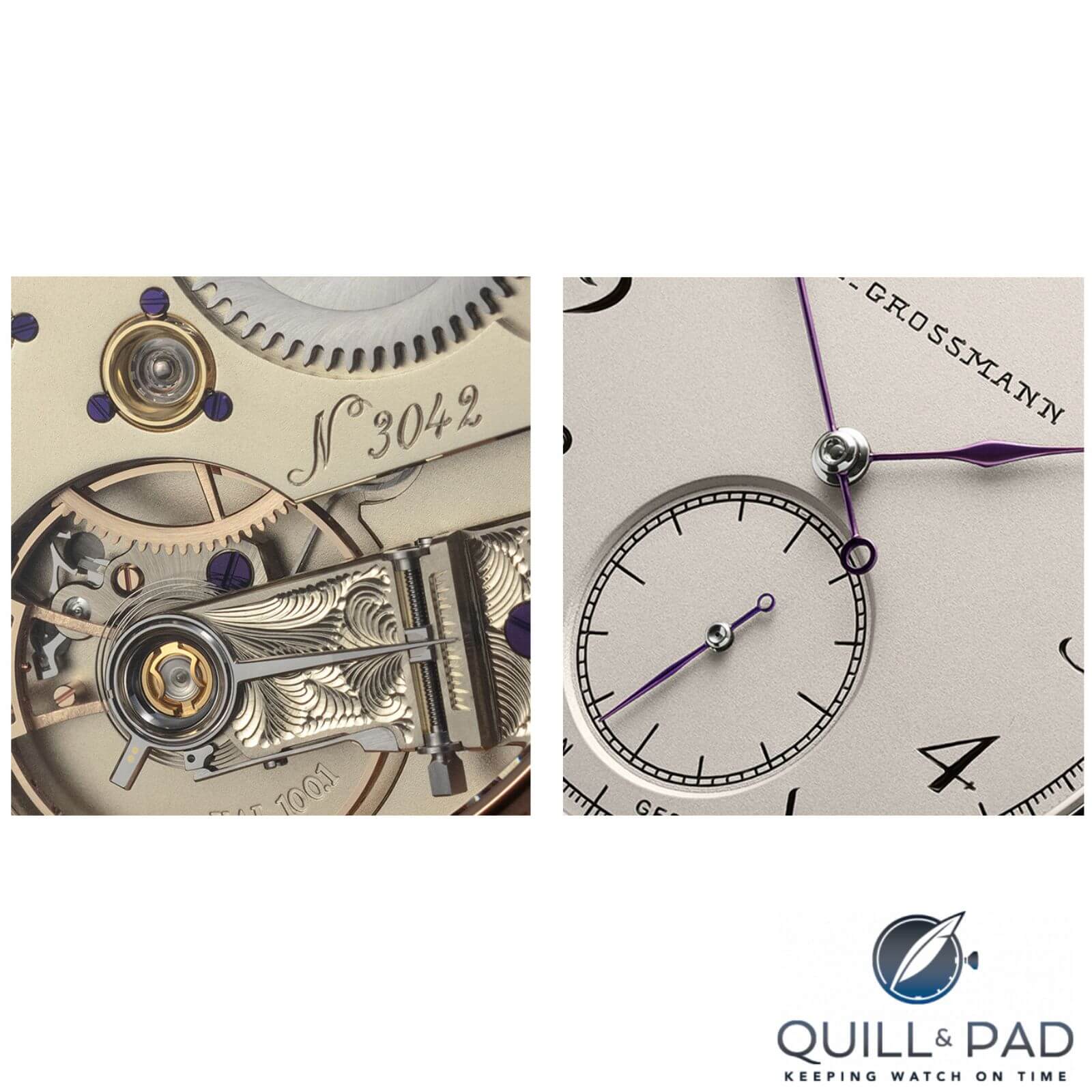
The genesis of modern watchmaking in Glashütte can be largely attributed to Ferdinand Adolf Lange, whose entrepreneurial spirit fostered an ecosystem that allowed numerous watch and clock businesses to flourish. Moritz Grossmann, established in 1854, emerged as a significant player within this environment, following in the footsteps of Lange’s enterprise. Historical pocket watches from both brands, exemplified by an A. Lange & Söhne piece from circa 1882 and a Moritz Grossmann from around 1875, showcase shared roots in terms of era, location, and fundamental caliber technology. This historical connection, while a testament to their shared origins, also forms the foundation for their distinct evolutionary paths.
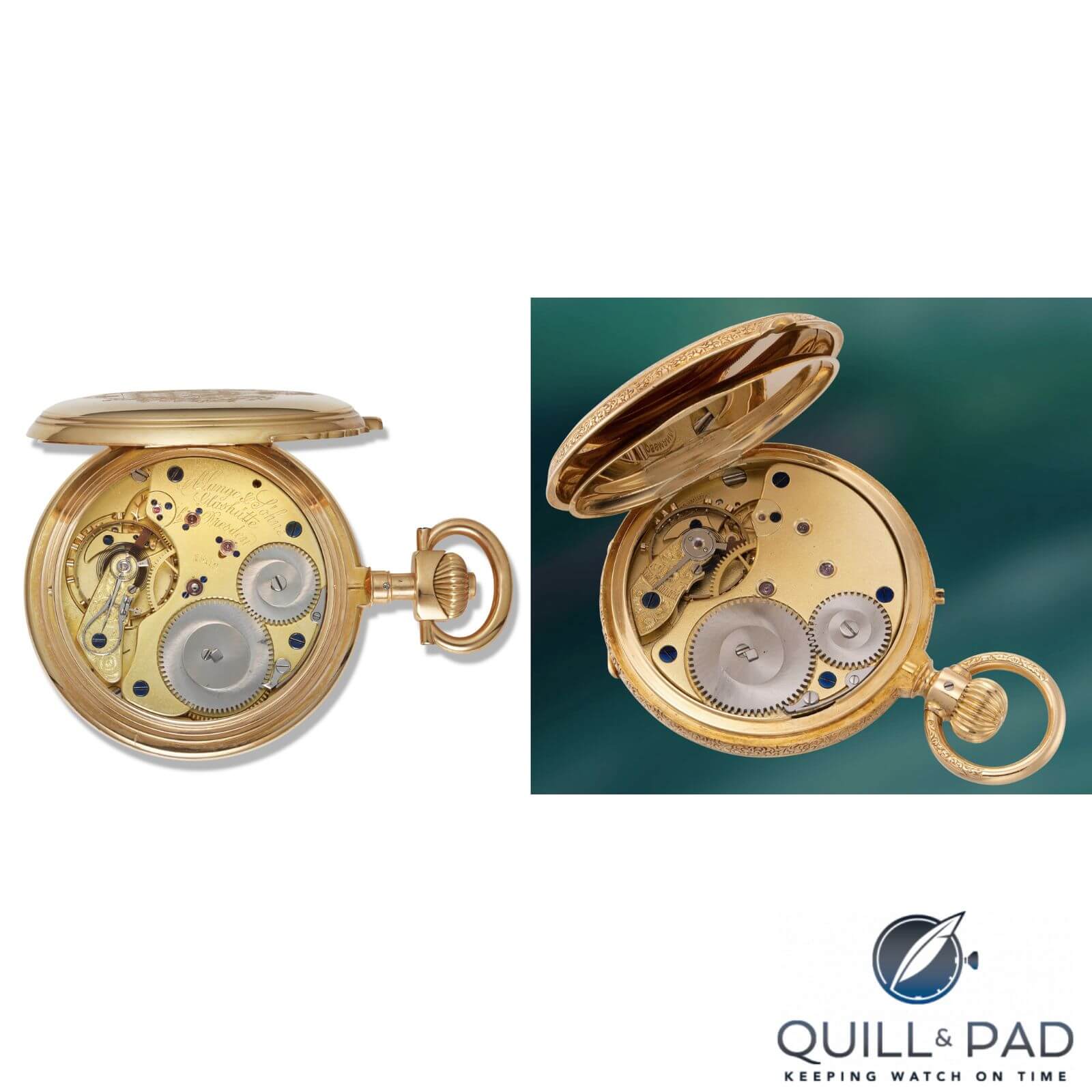
In the modern era, A. Lange & Söhne, re-established in 1990 with its first watches appearing in 1994, served as a pioneer. Moritz Grossmann, revived in 2008 with its initial offerings in 2010, followed a similar trajectory, adapting and innovating upon the established Glashütte tradition. This parallel re-establishment, though separated by over a decade, underscores a shared ambition to uphold the region’s horological legacy. Both brands prominently feature the 2/3 plate construction in Moritz Grossmann calibers and the 3/4 plate in A. Lange & Söhne movements, both utilizing nickel silver as the primary material for plates and bridges. The traditional engraving on the balance cock is a common characteristic, although Moritz Grossmann often extends this artistry to the escapement wheel bridge. Furthermore, both employ gold chatons for the jewels, with A. Lange & Söhne traditionally favoring red jewels and Moritz Grossmann opting for colorless ones, signaling a distinct aesthetic choice. The straight cut of the Moritz Grossmann 2/3 plate contrasts with the three-arc cut of the A. Lange & Söhne 3/4 plate, a design element rooted in 19th-century pocket watch architecture.
However, contemporary Moritz Grossmann has increasingly charted its own course, introducing watch types that are absent from A. Lange & Söhne’s current offerings. These include skeletonized and open-dial timepieces, watches with inverted calibers, and automatic models featuring a unique pedometer winding system. This divergence suggests a conscious effort by Moritz Grossmann to carve out its unique identity within the competitive Glashütte landscape, while still acknowledging and respecting the foundational principles of Saxon watchmaking.
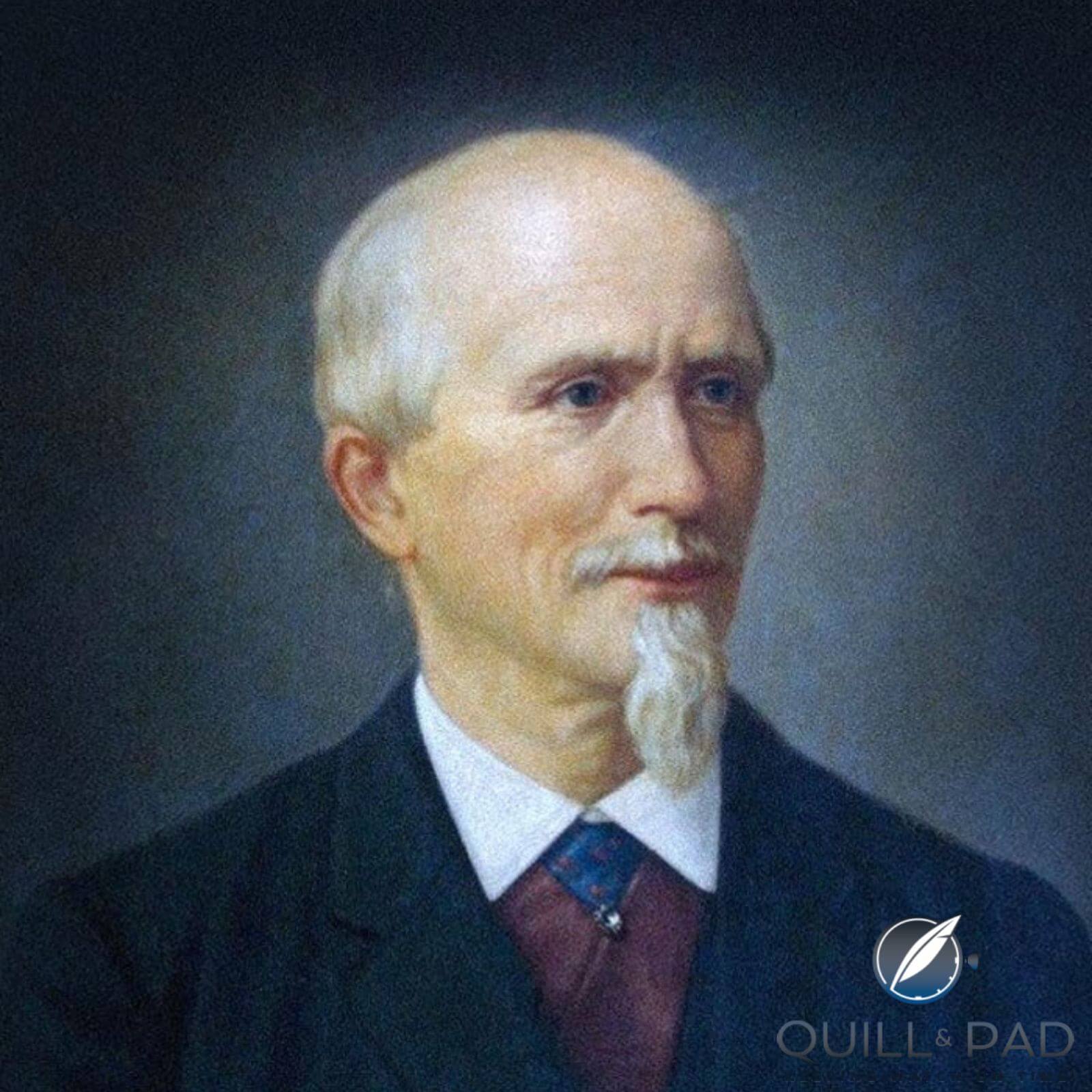
A Deep Dive into Carl Moritz Grossmann’s Legacy
Carl Moritz Grossmann, a visionary watchmaker, founded his company in 1854, establishing a reputation that extended far beyond mere timekeeping. His interests were remarkably broad, encompassing not only high-quality pocket watches but also marine chronometers, precision measuring instruments, watchmaker’s lathes, and model escapements. His development of the Glashütte seconds pendulum clock solidified his importance as a reference point for regional horologists. Grossmann’s production philosophy was one of exclusivity, with an estimated 8,000 pocket watches produced over three decades, averaging between 250 to 300 pieces annually. This commitment to niche production and exceptional craftsmanship continues to define the modern Moritz Grossmann brand.
Grossmann’s influence transcended his manufacturing activities. He was a prolific writer, significantly shaping the discourse and understanding of horology long after his death. His 1866 essay, "Der freie Ankergang für Uhren" (The Free Lever Escapement for Watches), offered a thorough analysis of the Swiss lever escapement, a pivotal component in modern watchmaking. In his 1880 treatise, "Über die Konstruktion einer einfachen, aber mechanisch vollkommenen Uhr" (On the Construction of Simple, Yet Mechanically Perfect Watches), he detailed the principles that would come to define Glashütte watches. Furthermore, Grossmann was instrumental in founding the German School of Watchmaking in Glashütte in 1878, recognizing the critical need for skilled artisans to sustain the region’s preeminence in the watch industry.
The Contemporary Collection: A Timeline of Innovation
The revival of the Moritz Grossmann brand in 2008 marked the beginning of a new chapter, focused on translating the founder’s design ethos and technical prowess into modern wristwatches. The Benu, launched in 2010, served as the inaugural timepiece, powered by the Caliber 100.0. This movement, much like the early calibers of A. Lange & Söhne, became a definitive expression of the brand’s DNA.
The evolution of the Moritz Grossmann collection can be traced through its key releases:
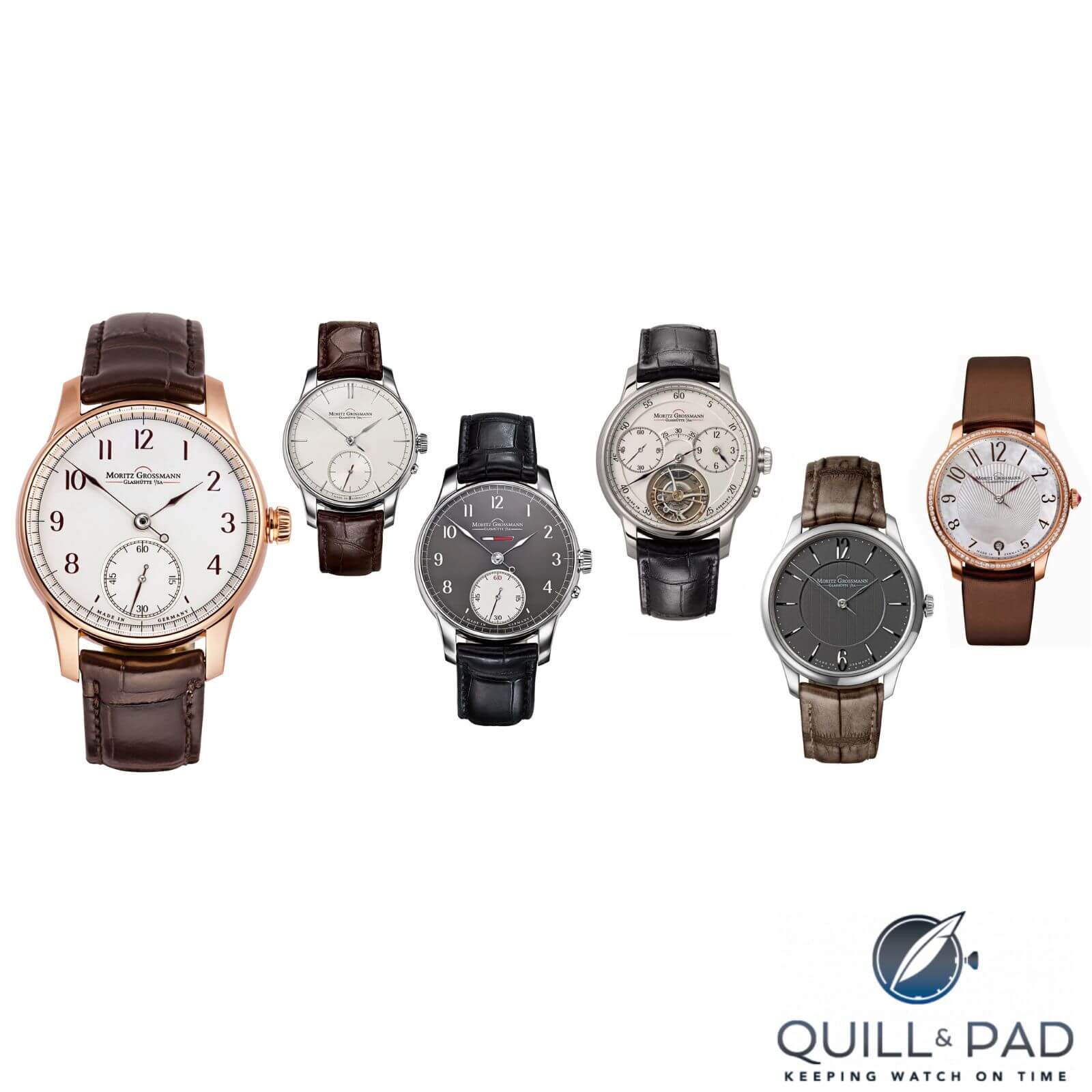
- 2010-2015: The initial phase saw the introduction of the Benu (2010), embodying traditionalism and restraint. The Atum (2013) offered a contemporary classic style, while the Benu Power Reserve (2013) introduced discreet additional indications. The Benu Tourbillon (2013) showcased a unique approach to complex mechanics, and the Tefnut (2015) presented a two-hand dress watch, followed by the Tefnut Lady (2015), the brand’s first women’s watch.
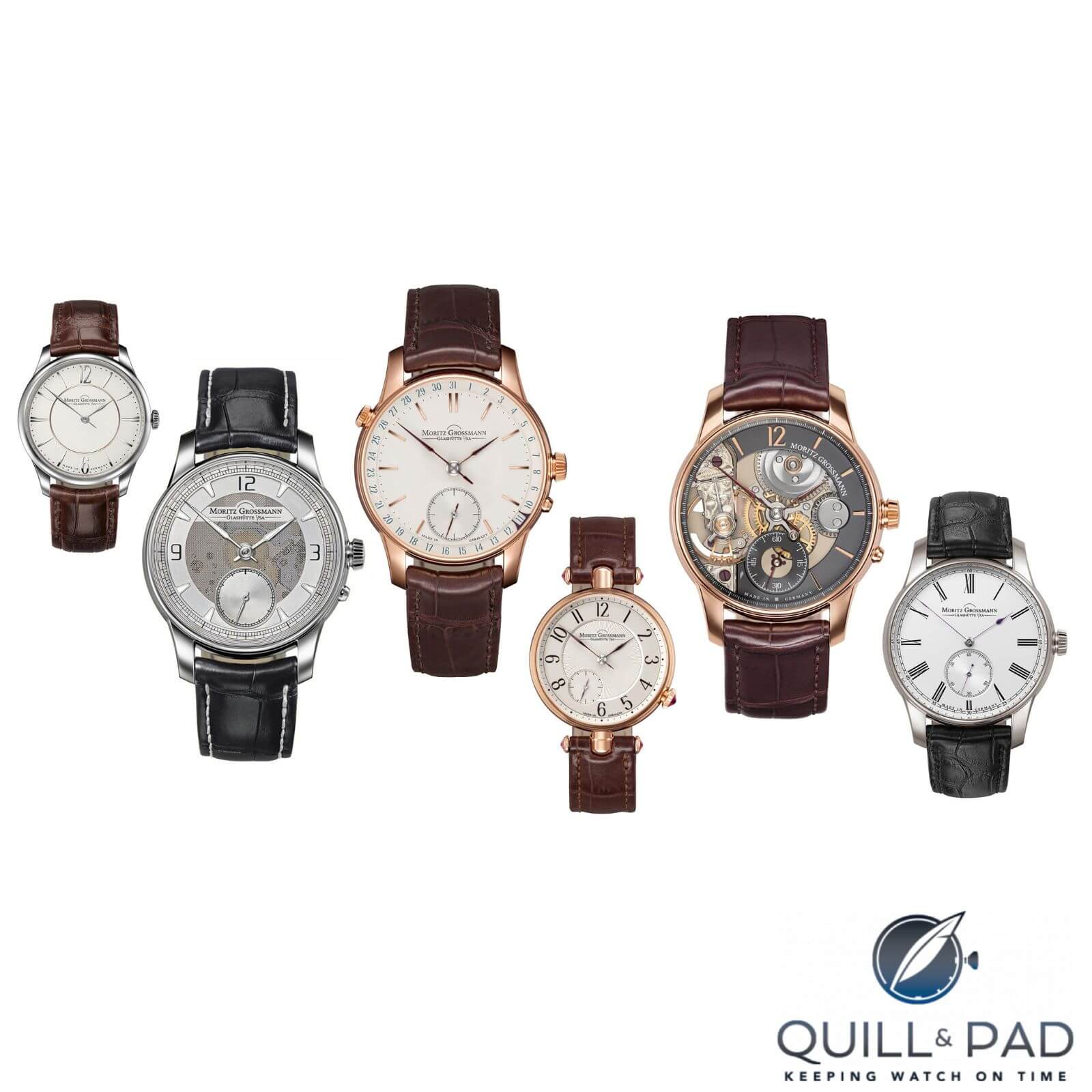
- 2016-2019: This period witnessed further refinement and diversification. The Tefnut Pure (2016), the brand’s first steel watch with the new caliber 201.0 (and later 202.0), featured unengraved bridges and a sandblasted finish. The Atum Pure M – "Mesh Dial" (2016) was a steel watch with a see-through dial center and a steel mesh bracelet. The Atum Date (2017) introduced an in-house developed date indication with both forward and backward setting. The Tefnut Twist (2017) incorporated the Grossmann "strap winder," and the Backpage (2018) presented a reversed caliber and openworked dial. The Atum Hamatic (2019) debuted as the first automatic watch with a unique pedometric winding system.
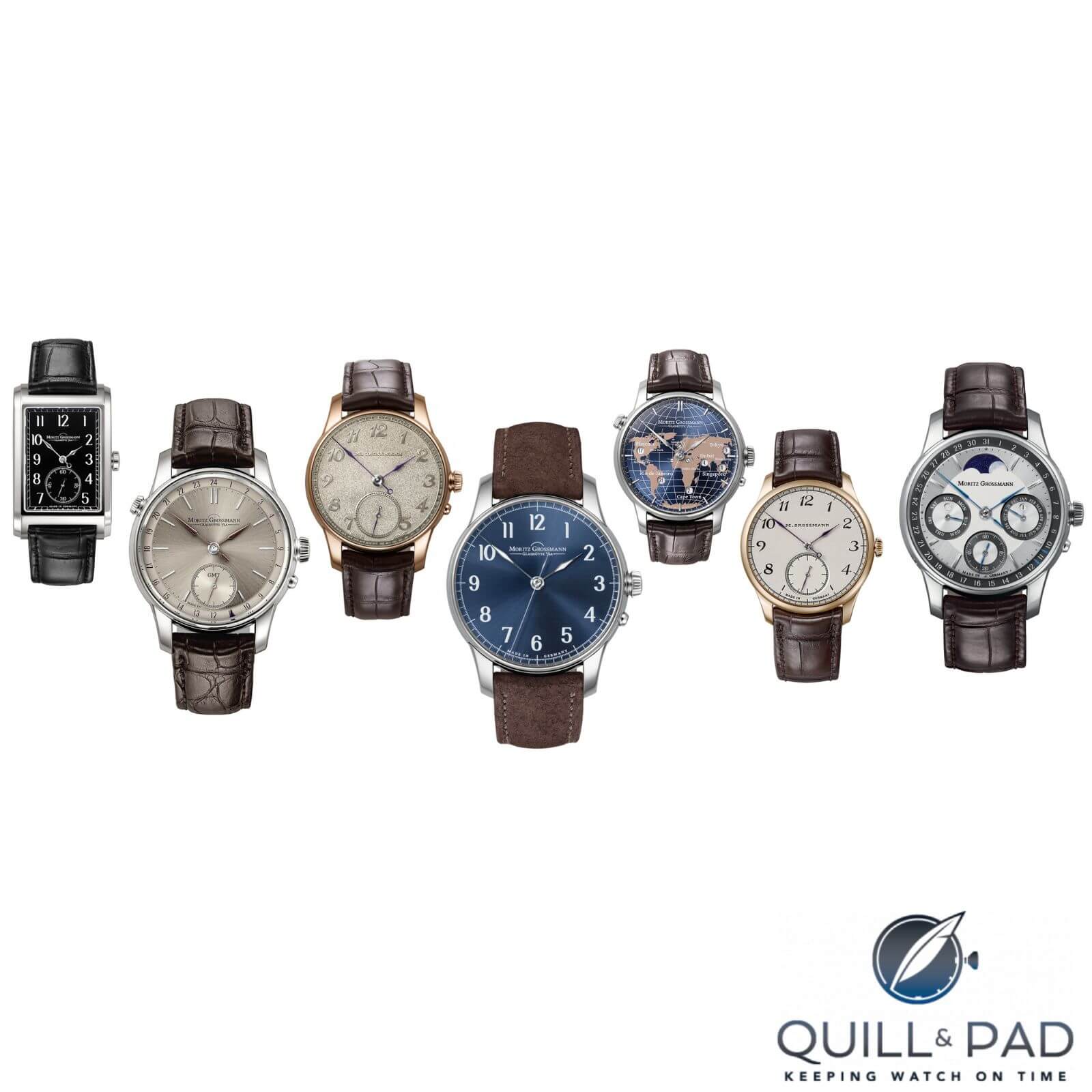
- 2019-2025: The most recent years have seen continued exploration of complications and finishing. The Corner Stone (2019) was the first rectangular watch with a shaped caliber, followed by the Atum GMT (2019), offering a practical function for globetrotters. The Tremblage (2021) featured an engraved, textured nickel silver dial, and the Central Second (2021) introduced the first version with a central seconds hand and its specialized drive. The Universalzeit (2022) presented a unique interpretation of world time display, and the Tefnut Silver-plated by Friction (2023) showcased a fresh antique dial decoration technique. The Perpetual Calendar (2025) marked the brand’s distinctive take on this complex mechanism.
This timeline highlights not only the brand’s commitment to horological innovation but also areas where trends have yet to be explored, such as chronographs or chiming watches. Potential future directions could include fusée-and-chain mechanisms, constant force escapements, or the development of sports watches with integrated bracelets, though the brand’s current focus on traditional haute horlogerie suggests these might remain in the realm of speculation.
The Subtle Art of Distinction: 14 Defining Features
The true allure of Moritz Grossmann watches lies in the "little details" – the "delicious" features that inspire contemplation and desire. These elements, often overlooked by the casual observer, are the hallmarks of true craftsmanship and horological artistry.
Particularity #1: The Gleam of Refined Detail
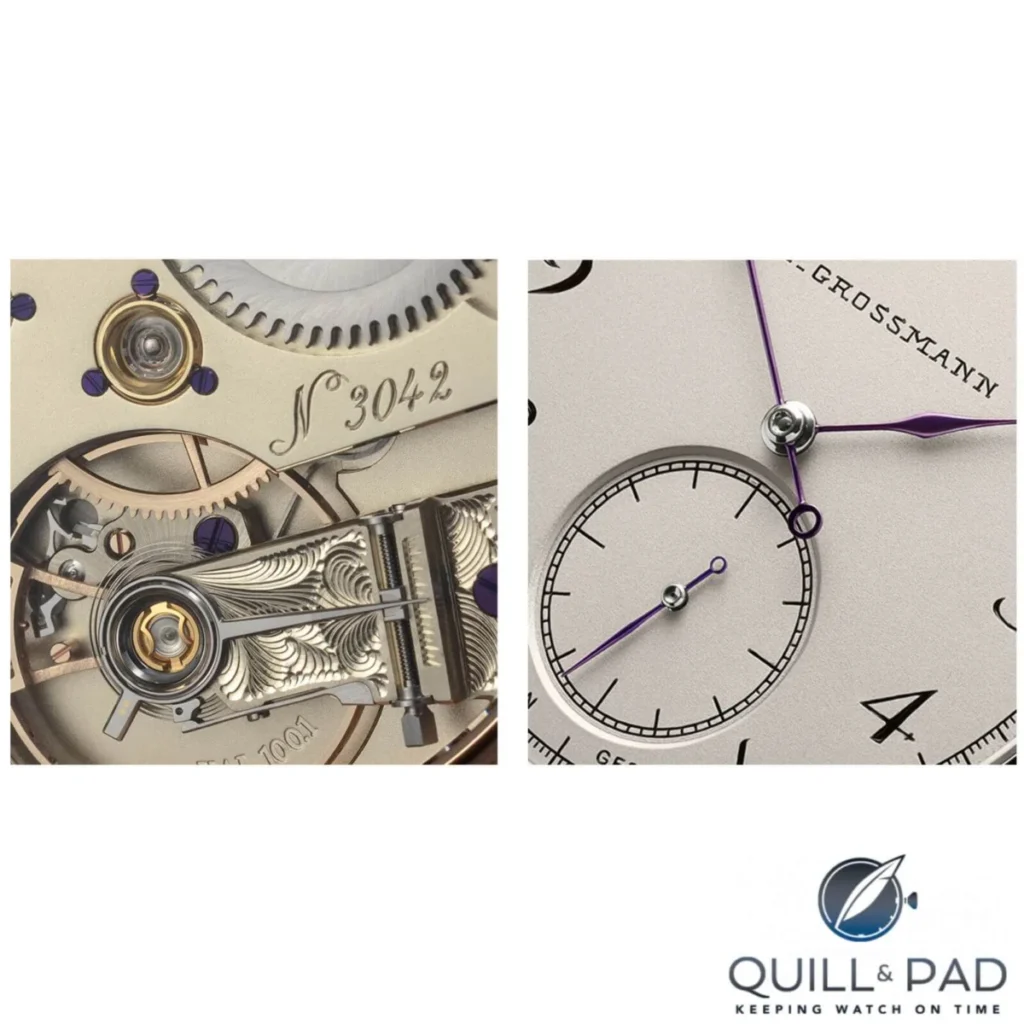
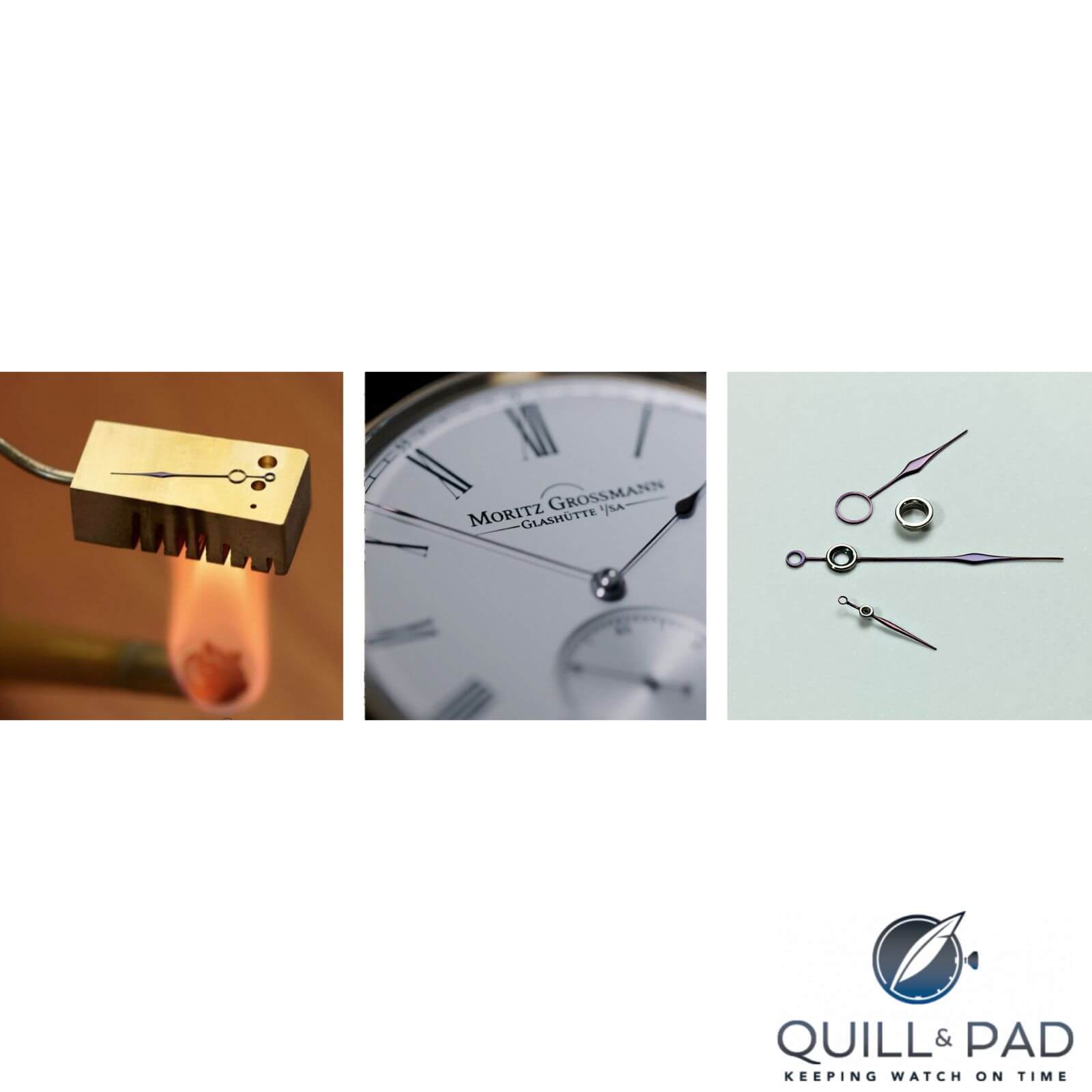
A striking feature that immediately captivates is the unusual, highly reflective shine emanating from the center of the dial. The minute hand collet, and similarly the small seconds hand collet, feature a concave, spherical, mirror-polished internal section surrounding the cannon pinion shaft. This meticulous detail, extending to the chatons on the movement where they protrude noticeably from the plate, creates a cohesive and stunning visual effect, demonstrating an unwavering commitment to aesthetic harmony from dial to caliber.
Particularity #2: The Enigmatic Hue of Blued Steel
The blued steel components, including hands and screws, possess a unique hue that deviates from the typical cornflower blue. Descriptions range from deep brownish-violet to ripe cherry or purple, a testament to the craftsman’s precise control over the heating process. This distinctive coloration adds a layer of sophistication and individuality to each timepiece.
Particularity #3: Hands of Unparalleled Refinement
Moritz Grossmann produces some of the most refined and meticulously crafted hands in modern watchmaking. Whether it’s the brushing and polishing of the tips to ensure a sharp aesthetic or the adoption of classic hand shapes like the elongated lozenge (popular in the 1930s) or the spade and whip styles reminiscent of the late 19th century, the attention to detail is paramount. This level of finishing is rarely seen outside of the most exclusive haute horlogerie houses.
Particularity #4: The Pillar-and-Plate Construction
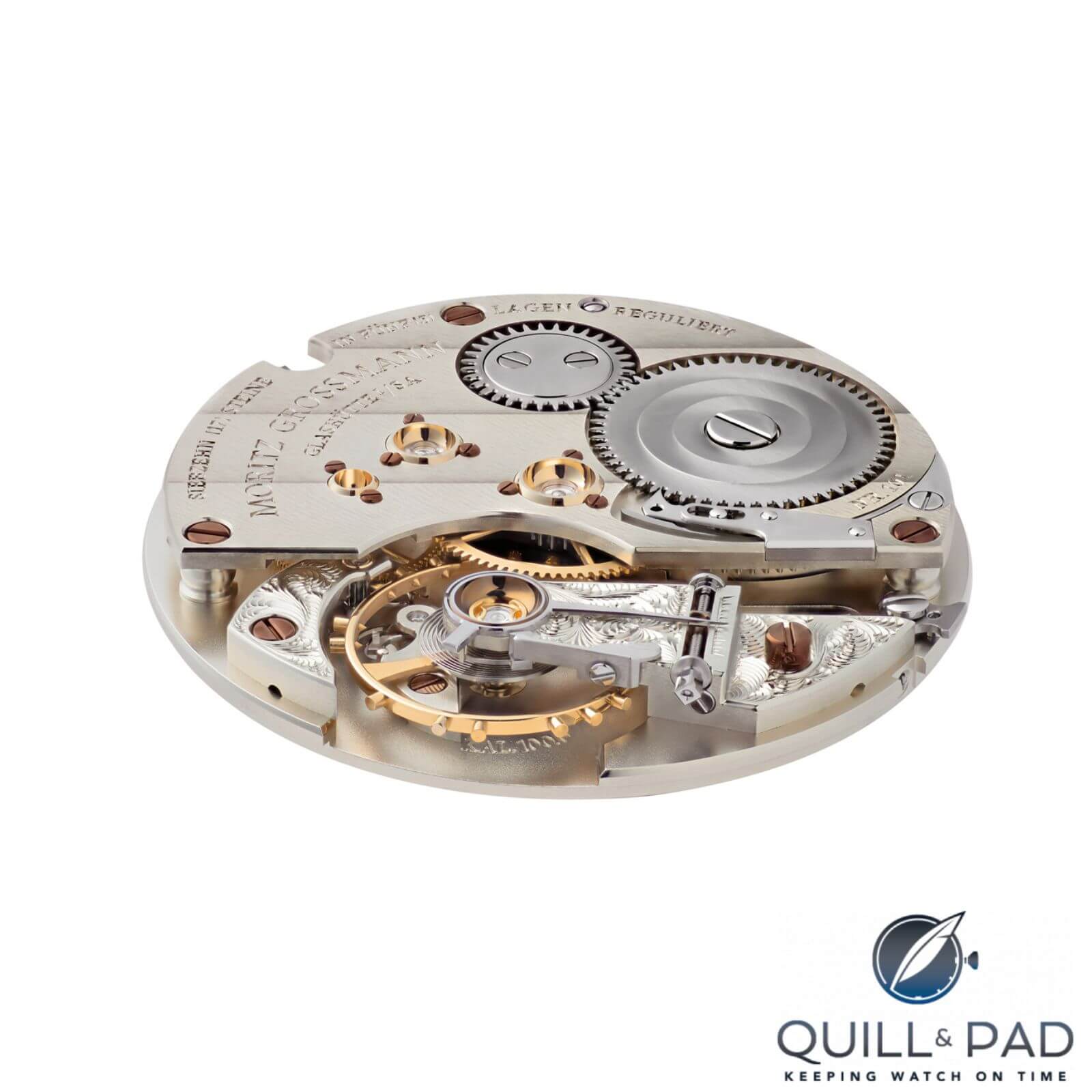
All Moritz Grossmann calibers are developed and produced in-house, ensuring their exclusivity. A significant design choice is the use of pillar-and-plate construction, a nod to historical German watchmaking. This design, adapted from traditional two-plate caliber schemes, demonstrates a commitment to heritage while incorporating modern horological advancements.
Particularity #5: The Breguet Overcoil’s Precision
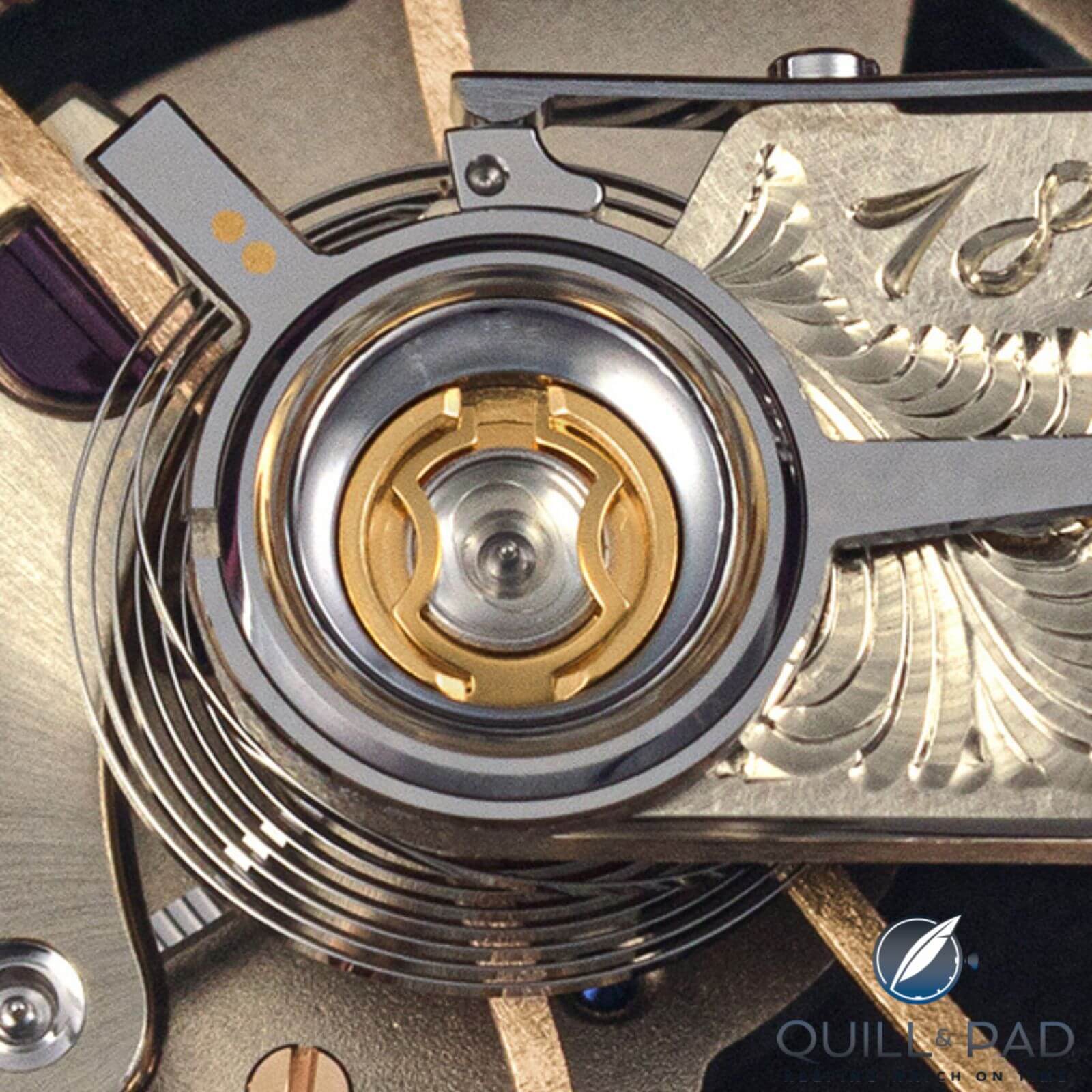
Many Moritz Grossmann calibers feature a balance spring with a Breguet overcoil. While considered by some modern watchmakers to be an unnecessary expense, its inclusion signifies a commitment to chronometer-quality components and a deep respect for traditional horological practices. This feature underscores the brand’s dedication to precision and enduring quality.
Particularity #6: The Manual Winding System with Perfect Restart
The manual winding system, featuring a crown and pusher, allows for a perfect restart of the movement after precise hand-setting. This complex mechanism, a modified remontoire, eliminates the common issue of minute hand shift that can occur with traditional systems. The wearer’s ability to pull out the crown, stop the movement, set the hands, and then restart the watch with a precise push of the pusher demonstrates a sophisticated approach to user experience and mechanical perfection.
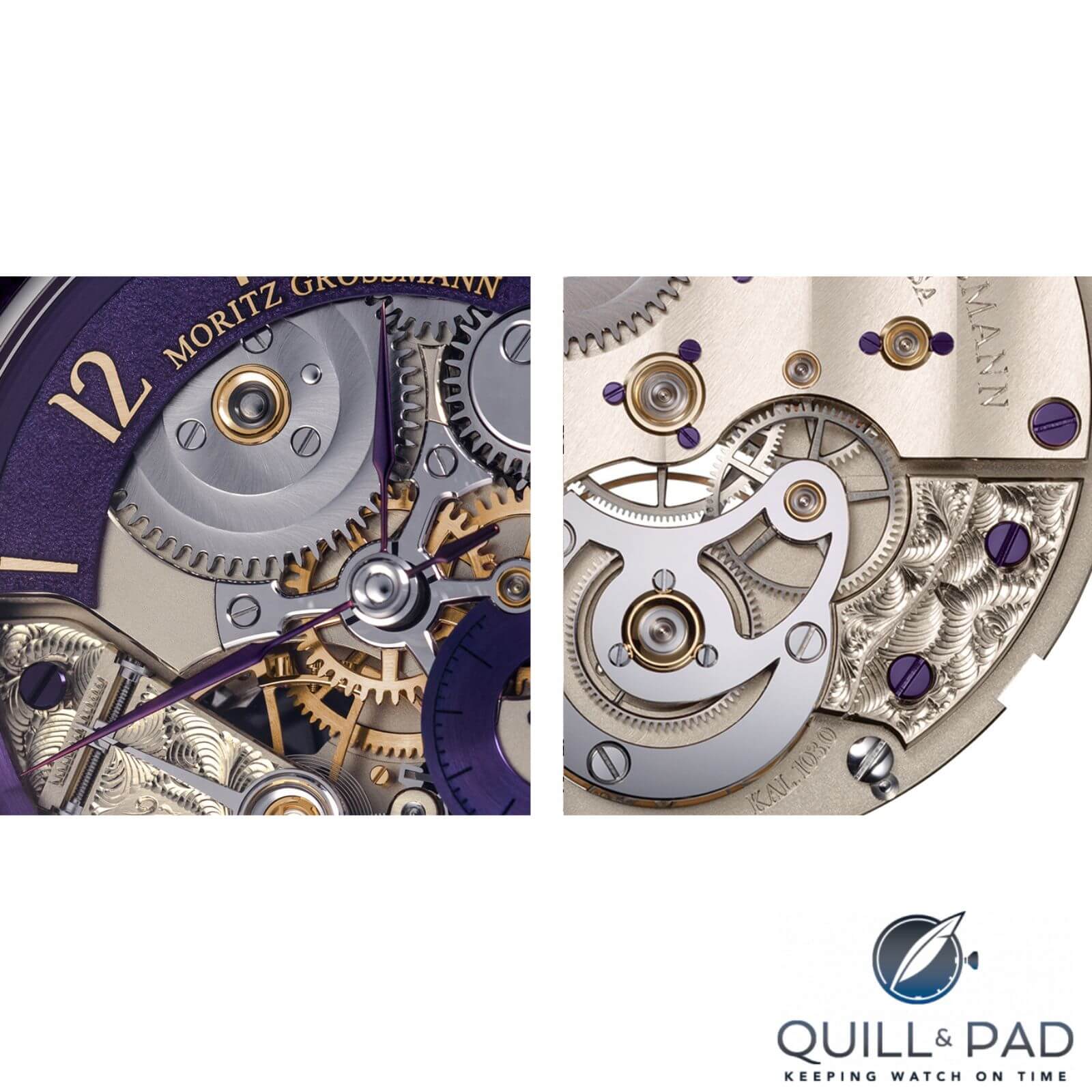
Particularity #7: A Symphony of Click Designs
The diversity of click designs employed across Moritz Grossmann calibers – with at least five distinct types observed – is a fascinating aspect of the brand’s engineering. The spectacular sliding-action ratchet wheel click found in the original Caliber 100.0, which relieves tension on the mainspring during manual winding, is a particular highlight, showcasing inventive solutions to mechanical challenges.
Particularity #8: The Elaborate Snailing Finish
The ratchet wheel of the winding barrel often features a traditional and now rare finishing technique: 3-band snailing. This intricate decoration, applied to components like the Caliber 100.0 and its derivatives, creates a visually striking element within the movement. Even the simpler 2-band snailing found in some models adds a significant aesthetic accent.
Particularity #9: The Grossmann Micrometer Screw Regulator
Moritz Grossmann utilizes its own micrometer screw regulator system for adjusting the hairspring. This system, featuring a long micrometer screw and a non-rotating sliding bolt, allows for precise adjustments to the effective length of the hairspring’s outer coil. The presence of two variations of this regulator, one open and one semi-open, adds another layer of technical intrigue and historical connection, with evidence suggesting its invention by Carl Moritz Grossmann himself.
Particularity #10: Colorless Sapphire Jewels: A Distinctive Choice
The use of colorless sapphire jewels is a notable characteristic, though a point of discussion. While technically sound, this choice deviates from the traditional aesthetic preference for red jewels, which often lend a richer appearance to high-quality movements. This decision by Moritz Grossmann highlights a unique design philosophy that prioritizes a specific visual outcome.
Particularity #11: Hand-Engraved Inscriptions: The Mark of a Master
The presence of hand-engraved inscriptions on the two-thirds mainplate is a crucial differentiator. Unlike the CNC-machine engraving common in many modern luxury watches, this artisanal approach imbues each watch with the distinctive touch of a master craftsman, reinforcing the brand’s commitment to traditional techniques and exclusivity.
Particularity #12: The Exquisite Scroll Motif
In most Moritz Grossmann movements (excluding the 200-series calibers), the balance cock and escapement wheel bridge are adorned with an exquisite hand-engraved scroll motif. This extensive engraving, covering nearly the entire upper surface of these bridges, showcases a remarkable level of artistry and dedication to decorative finishing.
Particularity #13: The "Tremblage" Dial Finish
Introduced in 2021, the "tremblage" dial finish presents a chaotic yet uniform textured engraved pattern. While this technique has been used by other brands, Moritz Grossmann’s application, particularly on nickel silver dials which develop a beautiful patina over time, creates a dramatically vintage and appealing mood.
Particularity #14: Silver-Plating by Friction: A Rare Art
The dials of Moritz Grossmann watches often feature a rare 19th-century technique called "silver-plating by friction." This method imparts a unique airy, warm, and soft quality with a fine matte texture, reminiscent of an eggshell’s surface. The application of engraved numerals, inscriptions, and tempered steel hands against this backdrop creates unforgettable visual compositions.
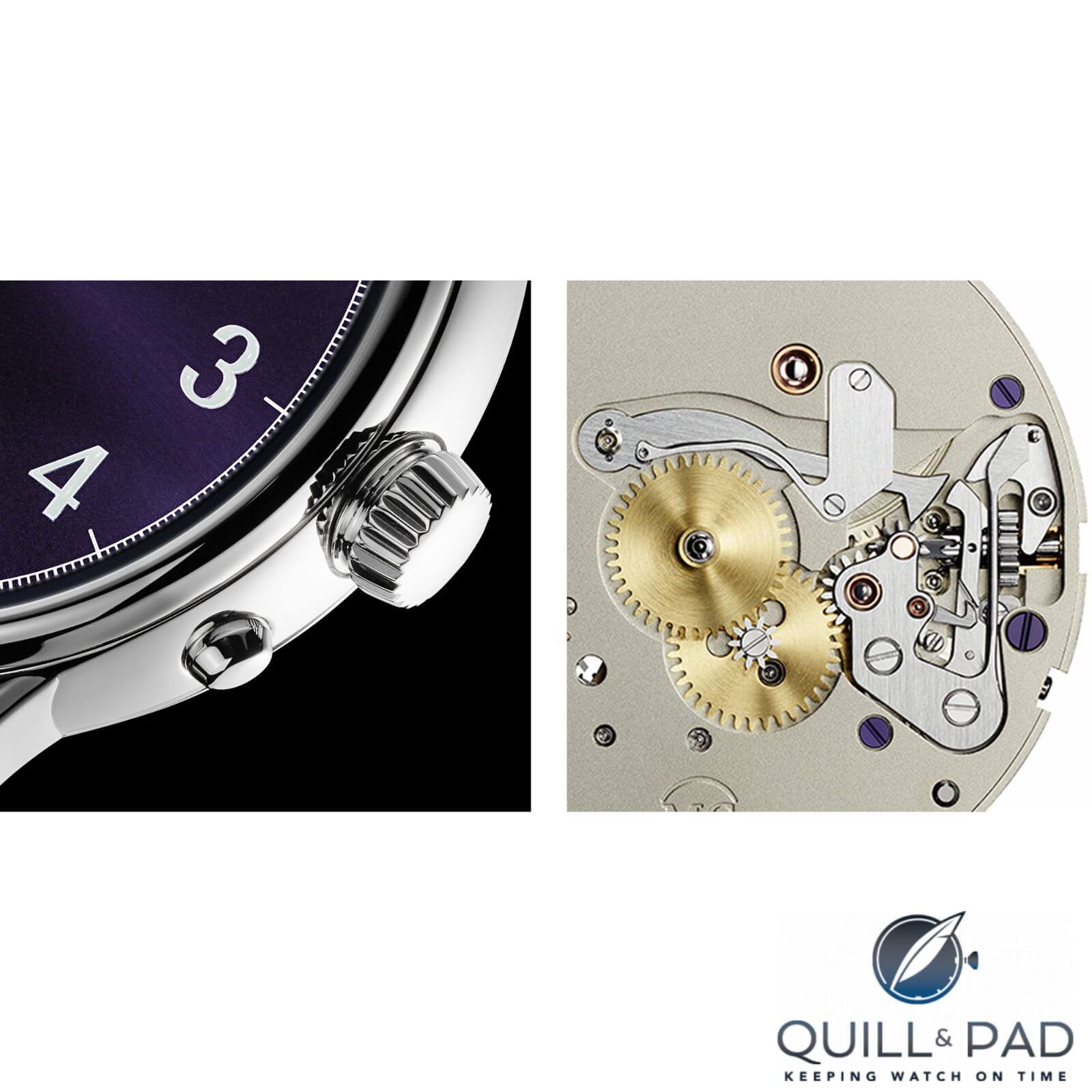
These 14 distinct features, from the subtle gleam of polished components to the intricate hand-engraving and the unique dial finishes, collectively define the horological identity of Moritz Grossmann. They represent a commitment to preserving traditional watchmaking arts while forging a distinct path in the modern era, offering discerning collectors timepieces that are not only technically sophisticated but also imbued with a profound sense of artistry and heritage. The implied dialogue with its Glashütte neighbors, particularly A. Lange & Söhne, seems to have spurred Moritz Grossmann to not only emulate certain traditional elements but also to boldly innovate and express its own unique horological vision.