The National Motor Museum (NMM) is embarking on a significant transition, announcing plans to relocate its extensive collection after a 60-year tenure at the historic Beaulieu Estate in Hampshire. While the NMM Trust has confirmed it will not renew its lease when it expires in the coming years, the Beaulieu Estate itself will continue to operate a motoring museum, ensuring the legacy of automotive history remains a core part of its identity. This momentous decision marks the end of an era for the NMM, which has been a cornerstone of motoring heritage at the picturesque Hampshire site since 1970.
A Strategic Shift for the Future
The NMM Trust, established in 1970 to oversee the collection previously managed by the estate’s owner, Lord Montagu, has framed the move as a critical component of its "long-term strategy to secure the future" of the museum. In a statement, the Trust articulated its vision: "This strategy is focused on reimagining and reinvigorating the museum, engaging with new generations of motoring enthusiasts and diverse communities, while developing and preserving the Designated collection for generations to come." This forward-looking approach underscores a commitment to evolving the museum’s offerings and broadening its appeal beyond its traditional audience.
The decision to relocate was not made lightly. The Trust and the Montagu family, who remain the proprietors of the Beaulieu Estate, engaged in extensive discussions regarding potential investment and redevelopment plans for the current site. However, after careful consideration, both parties concluded that relocating the NMM’s core collection represented the most advantageous path forward for the museum’s continued growth and preservation. This implies that while collaboration on future plans was explored, the physical separation of the NMM collection from its current home was deemed the optimal solution.
The Hunt for a New Home and Enhanced Reach
The NMM’s primary objective is to identify a "suitable new home" that will empower the museum to "share the stories of motoring heritage more widely than ever before." This ambition suggests a desire for a location that offers greater accessibility, increased visitor capacity, or enhanced opportunities for public engagement. Furthermore, the museum has outlined plans to establish a training centre for heritage engineering apprenticeships at its new site. This initiative signals a strong commitment to nurturing the next generation of skilled professionals dedicated to the preservation and restoration of classic vehicles, addressing a critical need within the heritage sector.
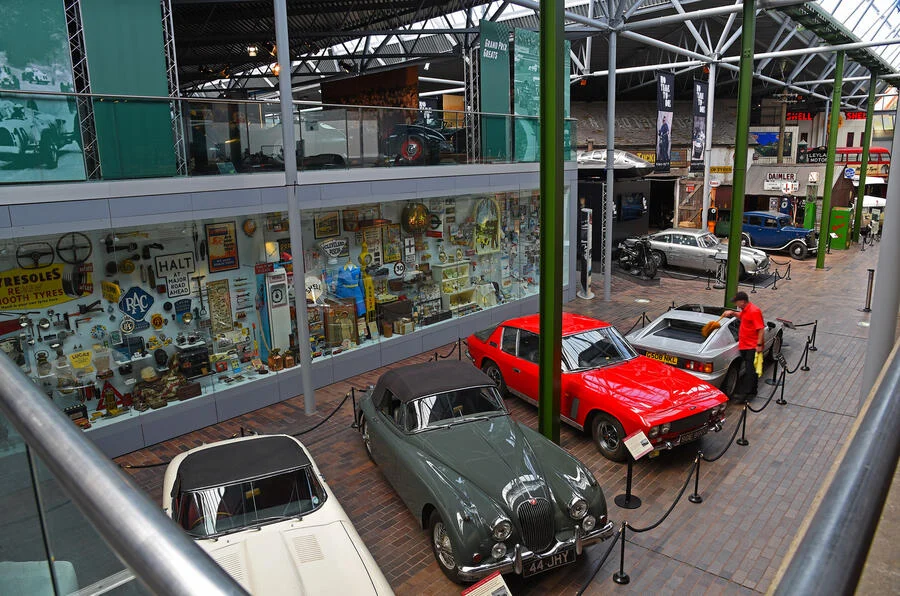
The current NMM collection comprises approximately 285 vehicles, a diverse assembly of automotive history. However, the Beaulieu Estate has clarified that it retains ownership of "a significant amount" of vehicles from the combined holdings, which will remain at the Hampshire site. This means that even after the NMM’s relocation, Beaulieu will continue to be a significant destination for motoring enthusiasts, albeit with a curated selection of its historical automotive assets.
Beaulieu’s Enduring Motoring Legacy
The Beaulieu Estate has emphatically stated that motoring will remain "very much a part of our identity" as it continues to develop its offerings as a premier tourist destination. The estate is committed to providing "a comparable range of experiences to what people enjoy today," assuring visitors that the essence of Beaulieu’s appeal will be preserved. Crucially, the estate has emphasized that its popular events calendar will remain unaffected by the NMM’s departure. This includes the highly anticipated Beaulieu Autojumble, a cornerstone event for vintage car parts and enthusiasts, scheduled to proceed as usual in September.
Beaulieu’s intention to continue operating a motor museum is a testament to its enduring connection with automotive history. The estate has been a hub for motoring exhibitions for over 70 years, and this tradition will persist. This continuity ensures that the broader historical narrative of motoring, encompassing the vehicles and the estate’s own heritage, will continue to be accessible to the public.
A Farewell to a Purpose-Built Icon
The NMM’s departure will mean vacating a distinctive, purpose-built building that has housed the collection since 1972. This architecturally significant structure is particularly renowned for its innovative monorail system, which offers visitors a unique aerial perspective of the exhibits. This feature has been a hallmark of the NMM experience, providing a memorable and engaging way to view the vast array of vehicles. The loss of this unique viewing platform will undoubtedly be a significant change for visitors accustomed to the NMM’s current presentation.
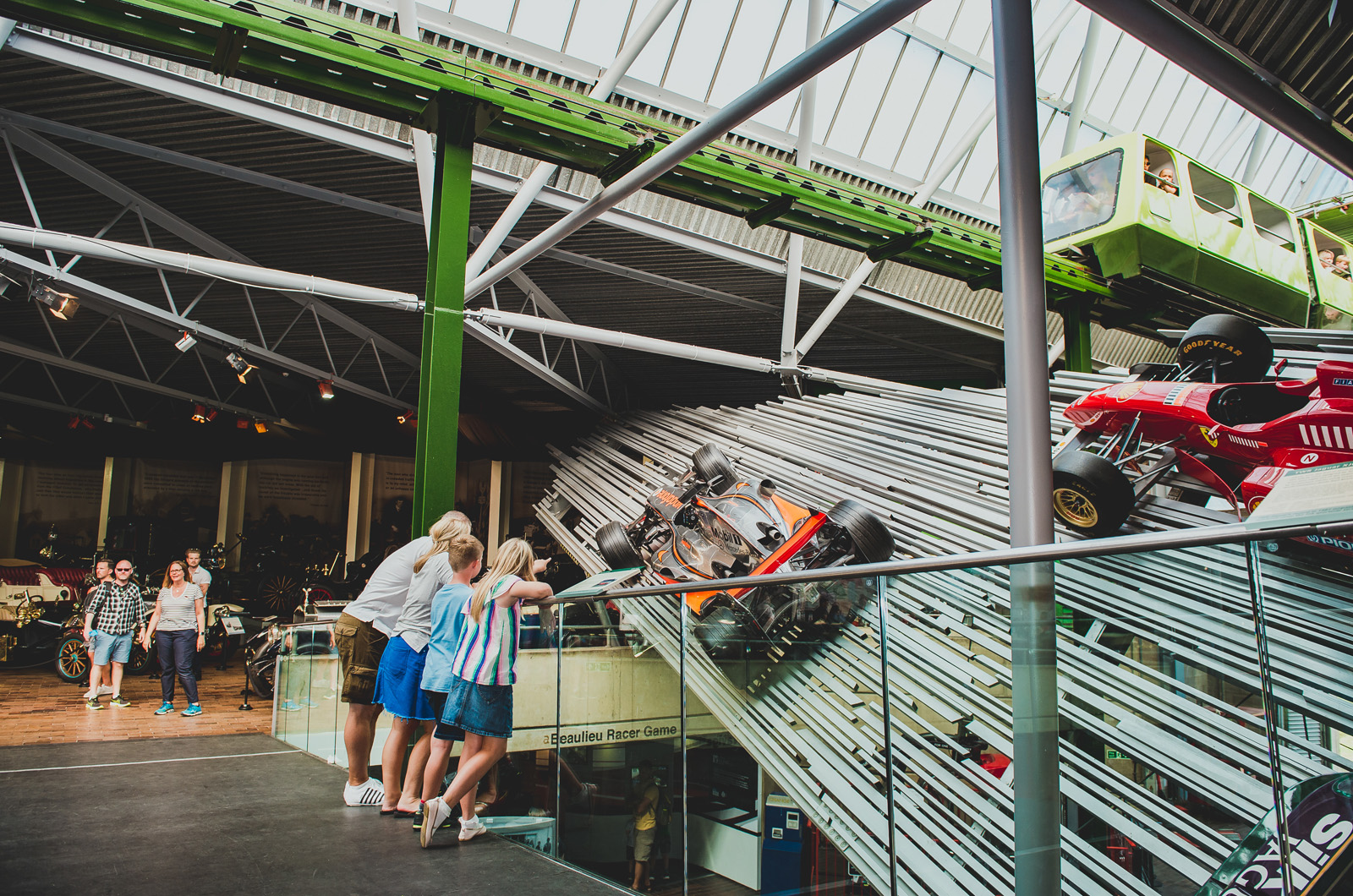
The NMM collection itself is a treasure trove of automotive milestones. It encompasses a broad spectrum of vehicles, including iconic TV and film cars that have captured the public imagination, record-breaking land speed machines, legendary Formula 1 racing cars, and some of the earliest "motorised carriages" that represent the dawn of automotive technology. This diverse collection tells a comprehensive story of innovation, design, and the evolution of personal transportation over more than a century.
Background and Context of the Move
The National Motor Museum at Beaulieu traces its origins back to the private collection of Edward, 3rd Baron Montagu of Beaulieu, who began amassing vehicles in the early 20th century. The collection was formally opened to the public as a museum in 1952. The establishment of the NMM Trust in 1970 was a pivotal moment, creating a dedicated entity to manage and preserve this growing collection for future generations. The purpose-built museum building, designed by architects Sir Hugh Casson and Derek Sugden, was completed in 1972, marking a significant investment in showcasing the collection.
The decision to move comes at a time when many heritage institutions are re-evaluating their operational models and strategic priorities. Factors such as rising operational costs, the need for enhanced visitor engagement in a competitive leisure market, and the desire to adapt to changing audience demographics are likely to have played a role in the NMM Trust’s strategic review. The pursuit of a new location that offers greater potential for expansion, modern facilities, and perhaps a more central or accessible position could be key drivers.
Supporting Data and Industry Trends
The automotive heritage sector faces ongoing challenges and opportunities. According to a report by the Heritage Lottery Fund (now The National Lottery Heritage Fund), heritage attractions are vital for local economies, drawing visitors and supporting jobs. However, the report also highlights the need for continuous adaptation and innovation to remain relevant. For the NMM, this could translate into seeking a site that allows for more dynamic exhibition spaces, interactive displays, and potentially greater integration with other cultural or educational institutions.
The trend towards immersive experiences and digital engagement is also shaping the museum landscape. A new NMM facility might be designed with these elements in mind, offering virtual reality tours, interactive digital archives, or augmented reality experiences that bring historical vehicles and their stories to life. The proposed heritage engineering apprenticeship centre also aligns with a broader industry push to preserve traditional crafts and skills that are essential for maintaining and restoring vintage vehicles. The shortage of skilled heritage engineers is a recognized concern within the automotive and broader heritage conservation fields.
Chronology of Key Events
- Early 20th Century: Edward, 3rd Baron Montagu of Beaulieu, begins collecting motor vehicles.
- 1952: The Montagu Motor Museum is opened to the public at Beaulieu.
- 1970: The National Motor Museum Trust is established to manage and preserve the collection.
- 1972: The purpose-built National Motor Museum building, featuring the iconic monorail, is completed and opens to the public.
- Present Day (2024): The NMM Trust announces it will not renew its lease at Beaulieu and will seek a new home for its collection.
- Future (Years to come): The NMM relocates its primary collection. Beaulieu Estate continues to operate its own motoring museum.
Analysis of Implications
The relocation of the National Motor Museum is a development with significant implications for both the institution itself and the wider world of automotive heritage. For the NMM, it presents a chance for reinvention and growth, potentially reaching new audiences and offering a revitalized visitor experience. The focus on training apprenticeships is particularly noteworthy, addressing a crucial skills gap and ensuring the future of automotive conservation.
For Beaulieu Estate, the decision allows them to refine their offering as a tourist destination while retaining a core part of their historical identity. The continued operation of a motoring museum on the estate ensures that the legacy of the Montagu family’s passion for automobiles endures. However, the departure of the NMM’s main collection will undoubtedly alter the visitor experience at Beaulieu, and the estate will need to effectively communicate its continued commitment to motoring heritage to maintain visitor interest.
The search for a new site will be a critical phase for the NMM. The chosen location will influence its accessibility, its ability to expand, and its potential for collaboration. The success of the NMM’s future strategy will hinge on its ability to secure a suitable new home that supports its ambitious vision for engaging new generations and preserving automotive history for the long term. The transition will be closely watched by motoring enthusiasts, heritage professionals, and the wider public.