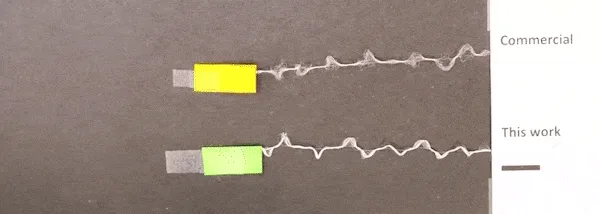
A groundbreaking innovation from engineers at the Massachusetts Institute of Technology (MIT) promises to revolutionize the textile industry by addressing the pervasive and rapidly escalating problem of global textile waste. The team has successfully developed a novel, recyclable yarn crafted from polyethylene, a common plastic already widely used in everyday items like milk bottles and grocery bags. This development represents a significant stride toward a circular economy for fashion, offering a viable alternative to conventional elastic materials that currently render a vast majority of textiles unrecyclable. The average American discards approximately 81 pounds of clothing each year, contributing to an astounding 11 million tons of textiles that ultimately end up in landfills or incinerators, underscoring the urgent need for such sustainable solutions.
The Unraveling Crisis of Textile Waste: A Global Challenge
The modern fashion industry, characterized by the rapid cycles of "fast fashion," has created an environmental dilemma of unprecedented scale. Consumers are encouraged to purchase new garments frequently and cheaply, leading to an accelerated disposal rate of clothing. Unlike bottles, cans, or paper, which benefit from established and relatively efficient recycling infrastructures, textile recycling remains largely rudimentary and inefficient. This deficiency is particularly acute for blended fabrics, which constitute the majority of contemporary apparel.
Current textile recycling efforts primarily focus on downcycling—converting old textiles into lower-value products like insulation, rags, or carpet padding—rather than true textile-to-textile recycling. A major hurdle lies in the composite nature of most garments. For instance, elastic fabrics, which account for a staggering 80% of textiles on the U.S. market, typically combine a spandex (polyurethane-based) core with a sheath of polyester or nylon. While this combination provides the desired stretch and durability, it creates a material entanglement that is notoriously difficult to separate and reprocess. Chemical treatments are often required to disjoin these different polymer types, a process that is both costly and environmentally detrimental due to the use of toxic chemicals. Without such separation, the mixed materials cannot be effectively melted down and reformed into new, high-quality fibers. Consequently, most stretchy garments are simply discarded, destined for landfills where they can take hundreds of years to decompose, or incinerators that release greenhouse gases and pollutants into the atmosphere.
The environmental footprint of textile waste extends beyond landfill burden. The production of virgin fibers, both natural and synthetic, is resource-intensive, demanding vast quantities of water, energy, and chemicals. The dyeing and finishing processes contribute significantly to water pollution. Furthermore, synthetic fibers like polyester and nylon are derived from fossil fuels, linking the fashion industry directly to petroleum consumption and carbon emissions. Even during their use phase, synthetic garments shed microplastic fibers with every wash, contributing to the global microplastic pollution crisis that impacts oceans, soil, and even the air we breathe. The economic implications are also substantial, as valuable raw materials are effectively lost from the supply chain, representing a squandered resource. This complex web of environmental, social, and economic challenges highlights the critical importance of innovations that promote material circularity within the textile sector.
MIT’s Innovative Approach: A Circular Solution for Elastic Fabrics
The MIT engineers, led by research scientist Svetlana Boriskina of the Department of Mechanical Engineering, have tackled this challenge head-on by designing a yarn that inherently sidesteps the recycling difficulties associated with blended elastic materials. Their new yarn is entirely composed of various forms of polyethylene (PE), a thermoplastic polymer known for its ability to be melted and reformed without significant degradation. This homogeneity is the cornerstone of its recyclability.
The team’s breakthrough centers on tailoring polyethylene to mimic the highly desirable properties of traditional elastic yarns. While polyethylene has not historically been considered a textile fiber, Boriskina’s group previously demonstrated its potential in 2021 by spinning it into yarns with moisture-wicking, stain-resisting, and cooling properties. Building on this foundation, their latest research specifically aimed to imbue polyethylene with the stretch and strength characteristic of spandex-polyester blends.
To achieve this, the researchers ingeniously utilized different polyethylene-based resins for the yarn’s core and sheath. For the elastic core, they selected a specific polyethylene-based copolymer formulation that yields a highly stretchy fiber. For the sturdier sheath, they opted for a stiffer polyethylene resin. The beauty of this approach lies in the fact that despite having distinct mechanical properties, both the core and the sheath are chemically from the same polyethylene family. This "same chemistry" ensures that when a garment made from this new yarn reaches the end of its useful life, it can be melted down as a whole, without the need for complex and costly chemical separation processes.
The fabrication process itself is designed for scalability. Starting with pellets of each chosen polyethylene resin, the material is heated to approximately 350 degrees Fahrenheit, exceeding its melting temperature. This molten polyethylene is then extruded through small nozzles, akin to a "spaghetti machine," to create hair-thin fibers. These fibers are then wound together using an industrial yarn spinner, with the sheath fibers carefully wrapped around the core fiber to form the final elastic yarn.
To rigorously demonstrate the yarn’s recyclability and durability, the MIT team subjected their innovative material to multiple recycling cycles. They spun a spool of yarn, melted it down, and then re-spun it into new yarn, repeating this process ten times. Crucially, even after these ten cycles, the recycled yarn maintained its strength and flexibility, proving to be as robust as conventional thread. This remarkable resilience to reprocessing is a critical factor for establishing a truly circular textile economy, where materials can be reused indefinitely without significant loss of quality.
The Core of the Problem: Spandex and its Environmental Footprint
Svetlana Boriskina aptly summarized the challenge: "Eighty percent of textiles on the U.S. market currently contain some amount of spandex, which makes them nonrecyclable. There’s no widely adopted technology now that recycles textiles into textiles. With our new yarn, we hope to change that." Her statement underscores the systemic issue that the widespread adoption of spandex has created for textile waste management.
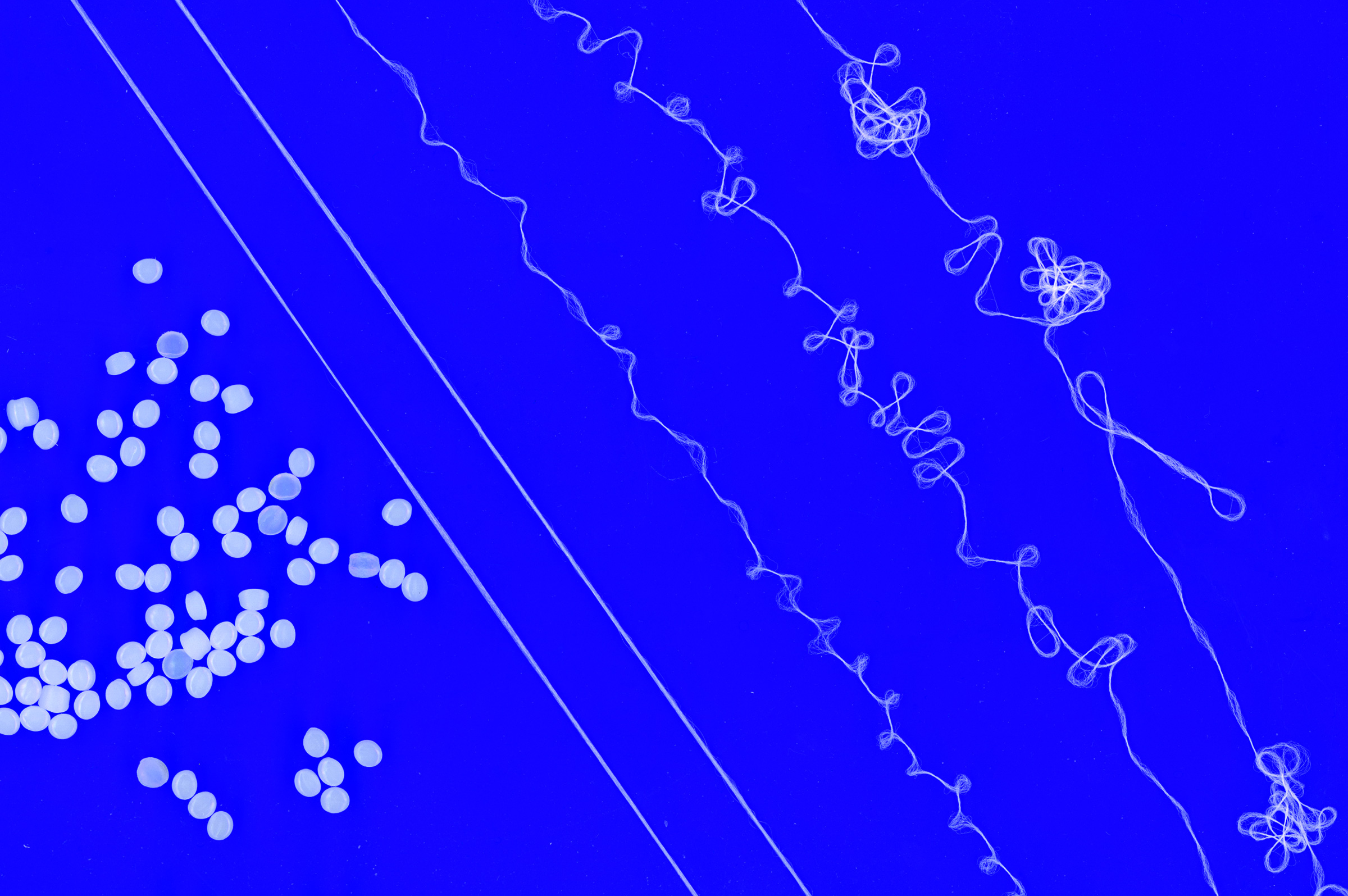
Spandex, also known as elastane or Lycra, is valued for its exceptional elasticity and ability to stretch up to 5-8 times its original length. However, its polyurethane-based composition, when combined with other fibers like polyester or nylon, forms a composite material that resists conventional mechanical recycling. The chemical bonds and structural differences between polyurethane and other synthetic polymers necessitate aggressive chemical treatments for separation, which are economically unfeasible and environmentally undesirable on a large scale. This reality means that millions of tons of perfectly functional material, once part of a garment, are effectively condemned to landfills.
The environmental cost of spandex production itself is also a concern. The manufacturing process for polyurethane involves petrochemicals and can be energy-intensive. By offering a recyclable alternative, the MIT team’s polyethylene yarn not only addresses the end-of-life problem but also potentially reduces the reliance on virgin, non-renewable resources for elastic fiber production.
Expert Insights and Broader Implications for a Circular Economy
The research, detailed in a study published in the journal ACS Materials Letters, involved a collaborative effort from MIT co-authors including first author SeongHyeon Kim, Duo Xu, Volodymyr Korolovych, Domingo Flores-Hernandez, Kaniz Moriam, and Daniel Braconnier. Their work represents a significant scientific and engineering achievement.
SeongHyeon Kim elaborated on the versatility of polyethylene, noting, "Polyethylene can give us a wide range of properties, depending on how you make it." This inherent adaptability of polyethylene’s chemical structure, which Boriskina likens to a "Christmas garland" of carbon backbones and dangling hydrogen atoms, allows for precise tailoring of its mechanical properties, making it suitable for diverse textile applications.
The potential implications of this innovation are vast, extending across environmental, economic, and industrial landscapes.
Environmental Impact:
The most direct environmental benefit is the drastic reduction in textile waste sent to landfills and incinerators. By enabling true textile-to-textile recycling for elastic garments, the technology could divert millions of tons of material from waste streams annually. This would alleviate landfill pressure, decrease greenhouse gas emissions from incineration, and reduce microplastic pollution by keeping plastic fibers within a closed loop. Furthermore, the lessened demand for virgin material production would translate to significant savings in water, energy, and chemical resources, thereby lowering the overall carbon footprint of the fashion industry.
Economic Impact:
While the initial investment in new manufacturing and recycling infrastructure would be necessary, the long-term economic benefits could be substantial. A circular economy for textiles creates new value streams from what was previously considered waste. It could foster new businesses in collection, sorting, reprocessing, and manufacturing of recycled polyethylene textiles. For brands, adopting such recyclable materials could enhance their sustainability credentials, appeal to eco-conscious consumers, and potentially lead to cost savings in the long run by reducing reliance on volatile virgin material markets. It also aligns with growing regulatory pressures and Extended Producer Responsibility (EPR) schemes that hold manufacturers accountable for the end-of-life management of their products.
Industry and Consumer Adoption:
The adoption of this new yarn by the fashion industry will depend on several factors, including cost-effectiveness, performance characteristics (beyond just stretch and strength, such as drape, comfort, and dyeability), and ease of integration into existing supply chains. While the "spaghetti machine" analogy suggests a relatively straightforward manufacturing process, scaling up production to industrial volumes will require significant investment and collaboration with textile manufacturers. Consumer acceptance will also be crucial; the feel and aesthetics of polyethylene-based fabrics will need to meet consumer expectations for comfort and style.
However, the tide is turning towards sustainability in fashion. Many major brands are actively seeking greener materials and circular solutions to meet consumer demand and regulatory requirements. The fact that this yarn can be cast into other plastic accessories like buttons and belt buckles further expands its utility and potential for complete material circularity within a single product lifecycle.
Pathways to a Circular Fashion Economy:
The vision articulated by the MIT team is one where a polyethylene garment, once worn out, could be simply dropped into a recycling bin, collected, sent to a specialized facility, melted down, and respun into new yarn, ready to become another garment. This dream of a truly circular fashion and textile economy, where materials are continuously cycled rather than discarded, is now closer to reality.
For this vision to materialize, a multi-faceted approach will be required:
- Industrial Scaling: The current laboratory-scale production needs to be scaled up to industrial capacities, necessitating partnerships between MIT, chemical manufacturers, and textile producers.
- Infrastructure Development: New collection, sorting, and reprocessing facilities specifically designed for polyethylene textiles would need to be established or integrated into existing recycling streams.
- Policy Support: Government policies, such as incentives for using recycled content, mandates for recyclability, and EPR schemes for textiles, could accelerate adoption.
- Consumer Education: Public awareness campaigns would be essential to inform consumers about the recyclability of these new materials and encourage proper disposal.
While challenges remain, the MIT engineers’ breakthrough provides a tangible and promising pathway forward. It addresses a critical bottleneck in textile recycling—the presence of unrecyclable elastic fibers—with an elegant, homogeneous solution. As Boriskina concludes, "Hopefully it will prevent the need for making more and more textile materials, because you can keep recycling a large portion of it." This work, supported in part by the DEVCOM Soldier Center through the U.S. Army Research Office, the Office of Naval Research Global via Tecnologico de Monterrey, and the MIT Portugal Program, represents not just a scientific achievement but a beacon of hope for a more sustainable future in fashion and textiles.