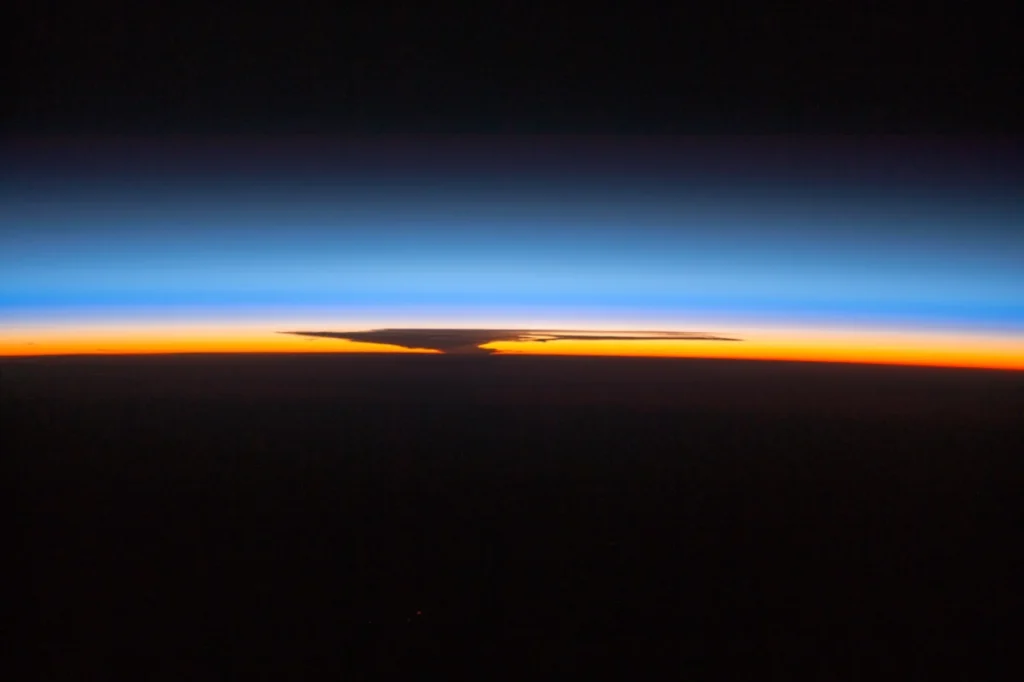
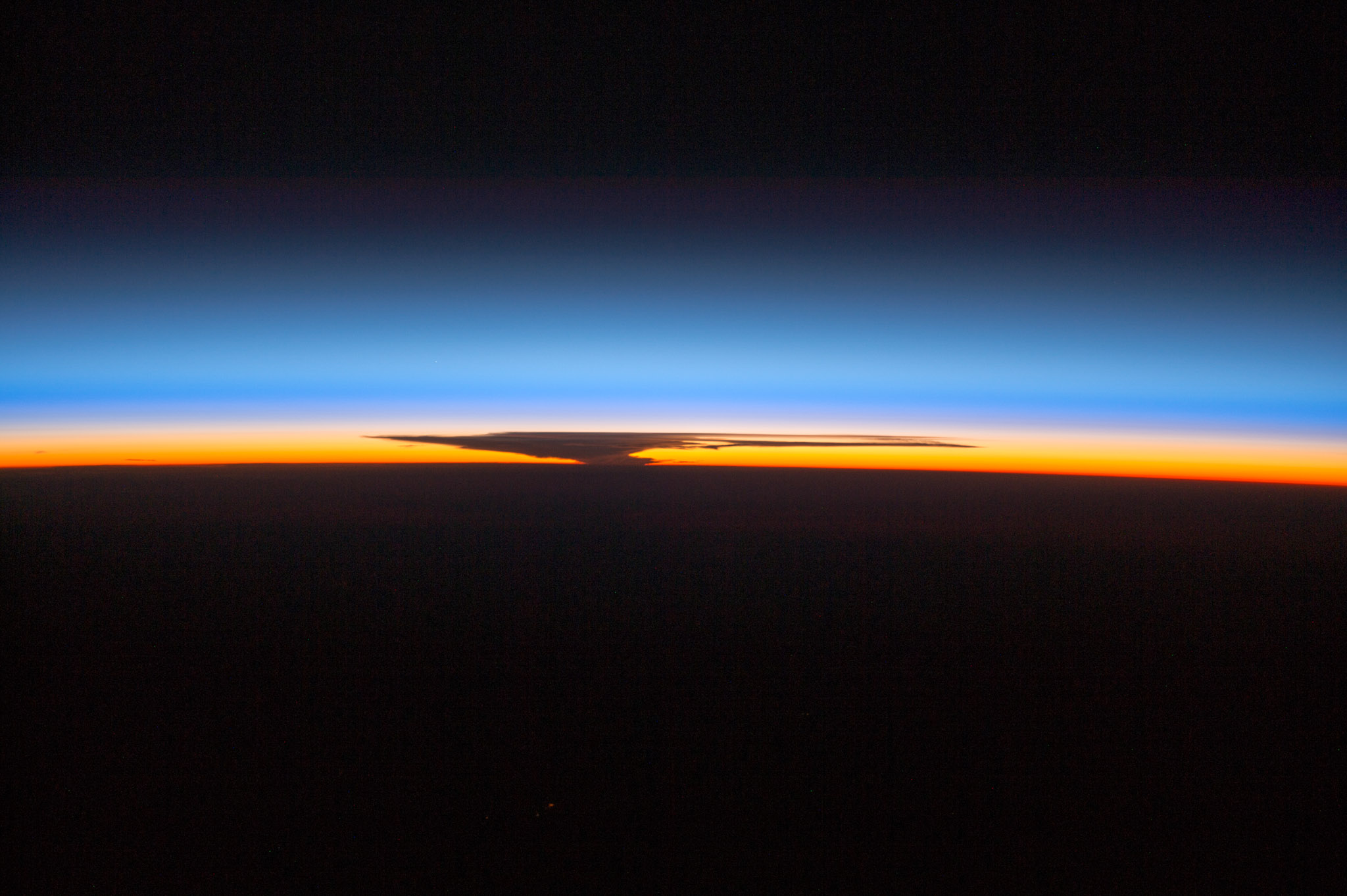
The stratosphere, a critical region of the Earth’s atmosphere located between approximately 10 and 50 kilometers above the surface, serves as the primary reservoir for ozone (O3). This triatomic molecule plays a vital role in terrestrial life by absorbing the majority of the sun’s harmful ultraviolet (UV) radiation. While professional meteorological agencies and space organizations like NASA employ multi-million dollar satellite arrays and high-altitude weather balloons to monitor this layer, a sophisticated method known as twilight photometry allows citizen scientists to measure the altitude of the ozone peak using relatively accessible, though highly sensitive, electronic equipment. By tracking the rate at which the sky darkens during the transition between day and night, researchers can derive the vertical distribution of ozone and other atmospheric aerosols.
The Science of Twilight Photometry
Twilight photometry relies on the geometric relationship between the sun, the atmosphere, and an observer on the ground. As the sun sinks below the horizon, its rays continue to illuminate the upper reaches of the atmosphere. Because the Earth is curved, the "shadow" of the planet rises through the atmosphere as the solar depression angle increases. By measuring the intensity of light at specific wavelengths—most notably in the Chappuis absorption band (roughly 500 to 700 nanometers)—scientists can determine the concentration of ozone at various altitudes.

Red light, specifically around the 620nm wavelength, is partially absorbed by ozone. By utilizing a high-gain photometer centered on this wavelength, an observer can detect the subtle "dip" in light intensity that occurs when the solar rays pass through the densest portion of the ozone layer. This peak typically resides between 20 and 30 kilometers, depending on latitude, season, and atmospheric conditions.
Precision Engineering in the Home Laboratory
The primary challenge in amateur ozone measurement is the extreme sensitivity required. As the sun sets, the amount of light available to a sensor drops by several orders of magnitude. To capture this data, a photometer must utilize an ultra-high-gain amplifier capable of detecting currents in the femtoampere range (one-quadrillionth of an ampere).
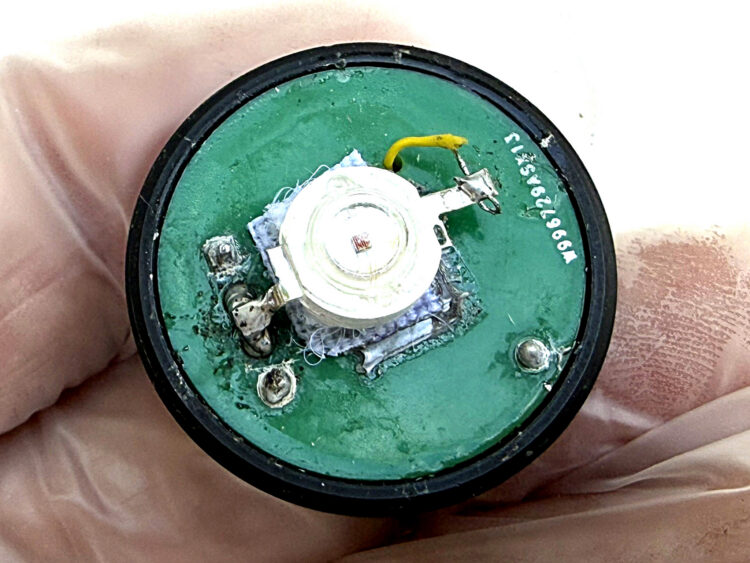
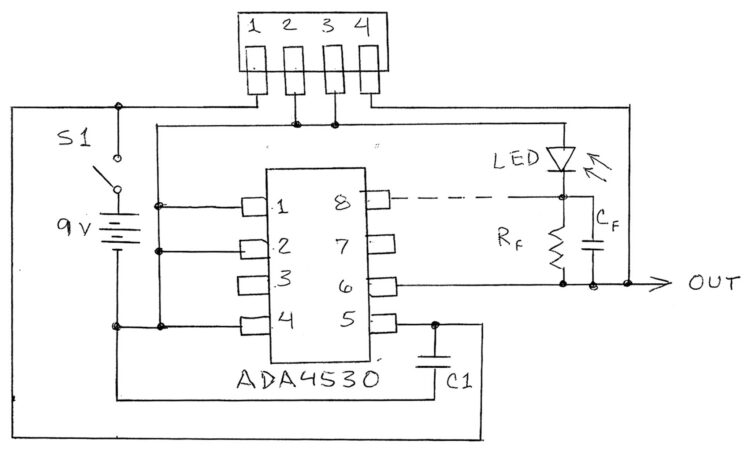
The heart of the modern amateur photometer is the ADA4530-1, an electrometer-grade operational amplifier. This component is specifically designed for applications where input bias currents must be kept to an absolute minimum. In this configuration, a standard 620nm red LED is used not as a light source, but as a photodiode. When light strikes the LED, it generates a minuscule current that the ADA4530-1 amplifies into a measurable voltage.
To maintain the integrity of these tiny signals, the assembly process must adhere to strict laboratory standards. Contaminants such as skin oils, dust, or residual solder flux can create "leakage paths" on a circuit board, allowing electricity to bypass the intended routes and ruining the accuracy of the data. Consequently, the assembly must be performed in a dust-free environment, with the builder wearing disposable vinyl gloves and cleaning all components with high-purity isopropyl alcohol.
Technical Chronology and Assembly Workflow
The construction of a twilight photometer follows a rigorous sequence designed to protect the sensitivity of the electronic components:
- Substrate Preparation: The printed circuit board (PCB) undergoes a multi-stage cleaning process. It is soaked in isopropyl alcohol and dried using canned air to ensure no particulates remain.
- Component Integration: Small surface-mount devices (SMDs), including a 100nF capacitor (C1), are soldered first. The builder then integrates the ADA4530-1 chip. A critical technical nuance involves bending "Pin 8"—the input pin—away from the board to prevent any contact with the PCB surface, further reducing the risk of current leakage.
- The Feedback Network: To achieve the necessary gain, a feedback resistor (Rf) of 5 to 10 gigohms (GΩ) is paired with a small feedback capacitor (Cf) of 10 to 20 picofarads. These components are cleaned in alcohol and soldered directly to the "floating" Pin 8 and the output terminal.
- Optical Housing: The electronics are housed within a light-tight enclosure, often a metal tin or a specialized aluminum chassis. A high-quality glass lens or a precision Fresnel lens is mounted at the end of a lens tube (often sourced from optical suppliers like Thorlabs). This lens focuses the twilight glow onto the LED sensor while narrowing the field of view to exclude stray light from artificial sources.
Data Acquisition and Field Methodology
Once the instrument is calibrated and housed, the measurement process begins approximately ten minutes before sunset or an hour before sunrise. The photometer must be placed on a perfectly level surface in a location with a clear view of the zenith (the point directly overhead) and away from urban light pollution.
As the sun descends, the device’s output voltage is recorded by a 16-bit data logger. A typical observation session lasts roughly 60 to 90 minutes. During this window, the sun’s rays sweep through the atmosphere from the troposphere up into the mesosphere, reaching heights of nearly 150 kilometers.
The resulting data is plotted as a "twilight curve." In a clear, aerosol-free sky, the curve would show a smooth decline in intensity. However, the presence of the ozone layer creates a distinct signature in the 600nm range. By calculating the solar depression angle at the moment of the greatest rate of change in light intensity, the observer can determine the altitude of the ozone peak.
Supporting Data and Comparative Analysis
Recent measurements conducted by amateur scientists using this specific photometer design have yielded results that align closely with professional satellite data. For instance, observations taken at a latitude of 29.6 degrees North showed an ozone peak ranging between 20 and 30 kilometers. An average of eleven separate twilight sessions resulted in a measured peak altitude of 25.13 kilometers.

This figure is remarkably consistent with data from the NASA Aura satellite, which frequently records an average ozone peak of 25 kilometers over similar latitudes. Such high correlation validates the efficacy of the "Mims-style" photometer (named after Forrest Mims III, a pioneer in the field) and demonstrates that high-precision atmospheric science is no longer the exclusive domain of government agencies.
Beyond ozone, these instruments are capable of detecting the "Junge Layer," a region of the stratosphere approximately 20 kilometers high that is rich in volcanic aerosols and sulfate particles. By swapping the 620nm LED for a near-infrared (885nm) variant, the photometer can be optimized to track forest fire smoke, Saharan dust plumes, and other particulate matter that influences global cooling and heating.
Broader Implications for Global Climate Monitoring
The democratization of atmospheric monitoring comes at a crucial time for environmental science. While the Montreal Protocol of 1987 successfully phased out most ozone-depleting substances like chlorofluorocarbons (CFCs), the ozone layer remains in a state of delicate recovery. Furthermore, the interaction between climate change and stratospheric chemistry is complex; changes in global temperatures can alter the "Brewer-Dobson circulation," the atmospheric current that moves ozone from the tropics toward the poles.

Widespread use of twilight photometers by citizen scientists provides a "ground-truth" network that complements satellite observations. Satellites, while comprehensive, can suffer from calibration drift or may have difficulty resolving fine-scale vertical structures in the lower stratosphere. A distributed network of ground-based observers provides a redundant and highly localized data set that can alert the scientific community to unexpected shifts in atmospheric composition.
Official Responses and the Future of Citizen Science
The scientific community has increasingly embraced the contributions of amateur observers. Organizations such as the Environmental Protection Agency (EPA) and various atmospheric research cooperatives have noted that long-term, ground-based data sets are invaluable for trend analysis.
The success of the twilight photometer project highlights a shift in the philosophy of science education and participation. It suggests that with the right tools—specifically electrometer-grade semiconductors and precision optics—individuals can move beyond mere observation and into the realm of quantitative research. As technology continues to evolve, the gap between "amateur" and "professional" instrumentation narrows, allowing a global community of observers to keep a watchful eye on the thin blue line that protects life on Earth.
The future of this field likely involves the integration of micro-controllers and wireless data transmission, allowing these photometers to operate as autonomous, solar-powered stations. This would enable the creation of a global, real-time map of ozone health, providing a level of transparency and public engagement in climate science that was previously unimaginable.