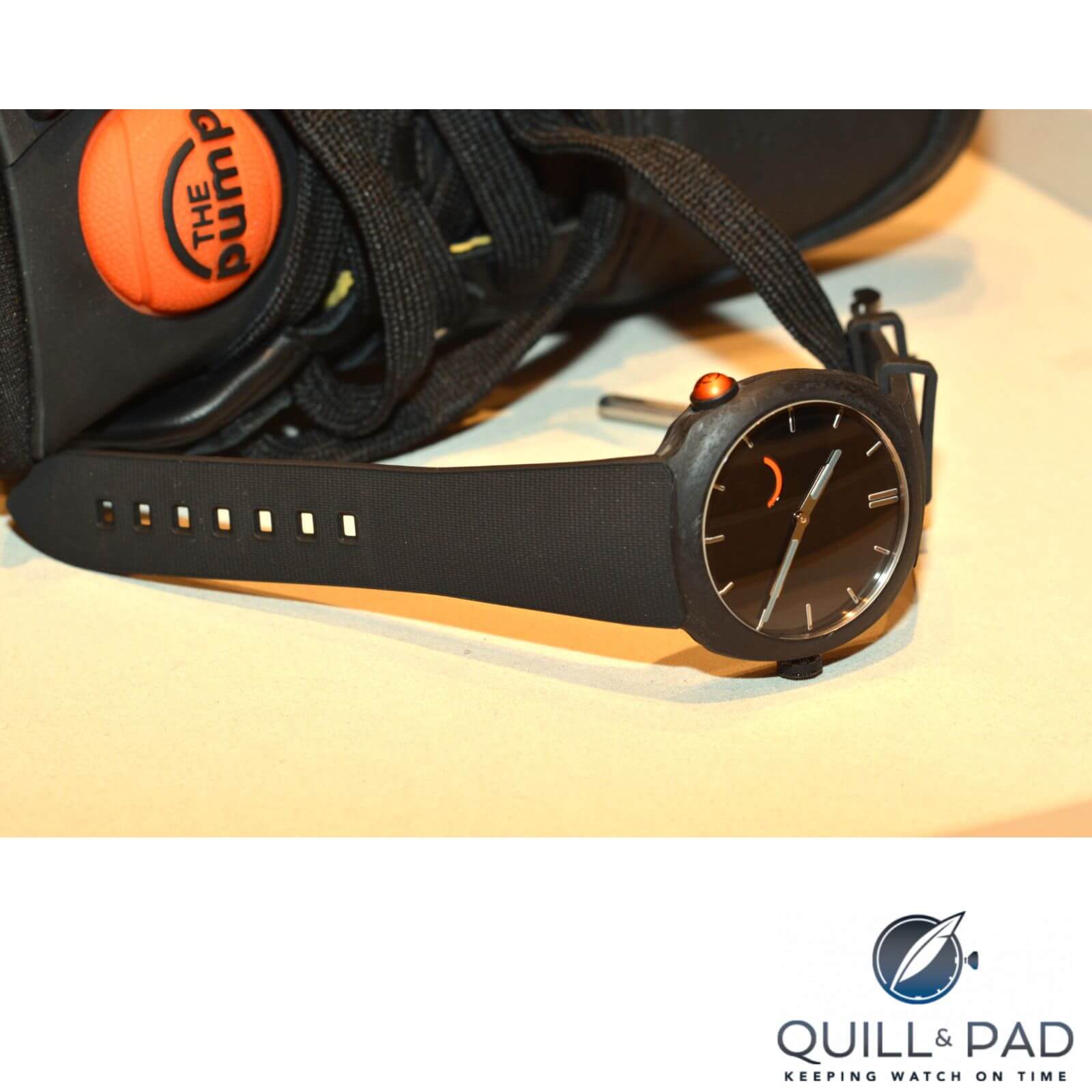
The hallowed halls of Watches & Wonders 2026 in Geneva bore witness to the ascent of H. Moser & Cie from the independent enclave of the Carré des Horlogers to a prominent presence amongst the industry’s titans. This strategic elevation, marked by an artfully designed booth at a bustling intersection of the Palexpo, underscored the brand’s deliberate evolution. Central to this new chapter were two striking new timepieces, the "Pump," presented in stark white and black. These watches, distinguished by an audacious orange protrusion at the 8 o’clock position resembling a remora clinging to a larger marine creature, immediately captivated visitors, serving as a magnetic focal point in the polished exhibition space.
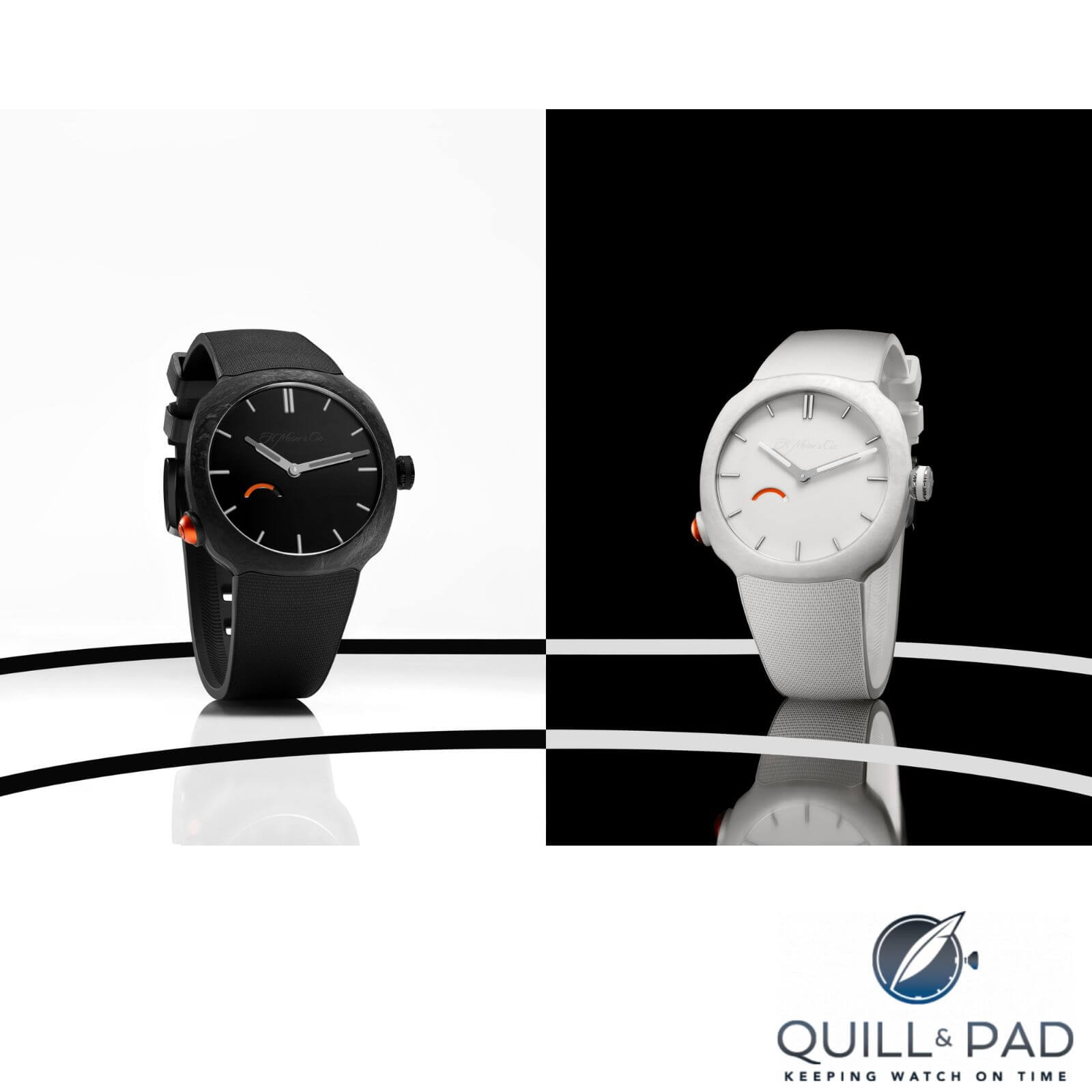
The Pump, a member of Moser’s distinctive Streamliner family, immediately commands recognition through its characteristic cushion shape and flowing, lug-less silhouette. This collection has become a canvas for the brand’s most avant-garde creations. True to Moser’s ethos, the interplay of tradition and innovation is not merely a proclaimed philosophy but a lived reality. In concert with its sister brand, Hautlence, the unassuming manufacture from Neuhausen am Rheinfall near Schaffhausen consistently delivers timepieces that are as surprising as they are technically robust.
H. Moser & Cie’s approach to brand building can be characterized by a deliberate embrace of the "unbrand" strategy, a concept that diverges from conventional marketing. This strategy, akin to the husbandry term for an unbranded stray calf, signifies a refusal to conform to established norms and an avoidance of overt, pervasive branding. In the realm of haute horlogerie, this translates to a company whose identity is forged not through ubiquitous logos and aspirational campaigns, but through distinctive product innovation and a confident, almost audacious, self-assuredness.
This maverick spirit is a cornerstone of Moser’s post-2012 trajectory, following its acquisition by MELB Holding, the investment vehicle of the Meylan family. Under the stewardship of brothers Edouard and Bertrand Meylan, with the seasoned guidance of their father, Georges-Henri Meylan—a veteran of the watch industry and former CEO of Audemars Piguet—the brand has embarked on a path of bold reinvention.
The Pump’s design draws inspiration from a rather unconventional source: the sneaker. Specifically, Moser has ingeniously integrated a feature reminiscent of Reebok’s iconic 1989 Pump shoe. This celebrated athletic footwear allowed wearers to inflate an internal air chamber via a distinctive orange button on the tongue, achieving a personalized, snug fit. Moser’s timepiece meticulously replicates this gesture with an anodized aluminum pusher at the 8 o’clock position. This novel mechanism serves as a manual winder, offering an alternative to the traditional crown at 3 o’clock, and is complemented by a power reserve indicator discreetly positioned on the dial.
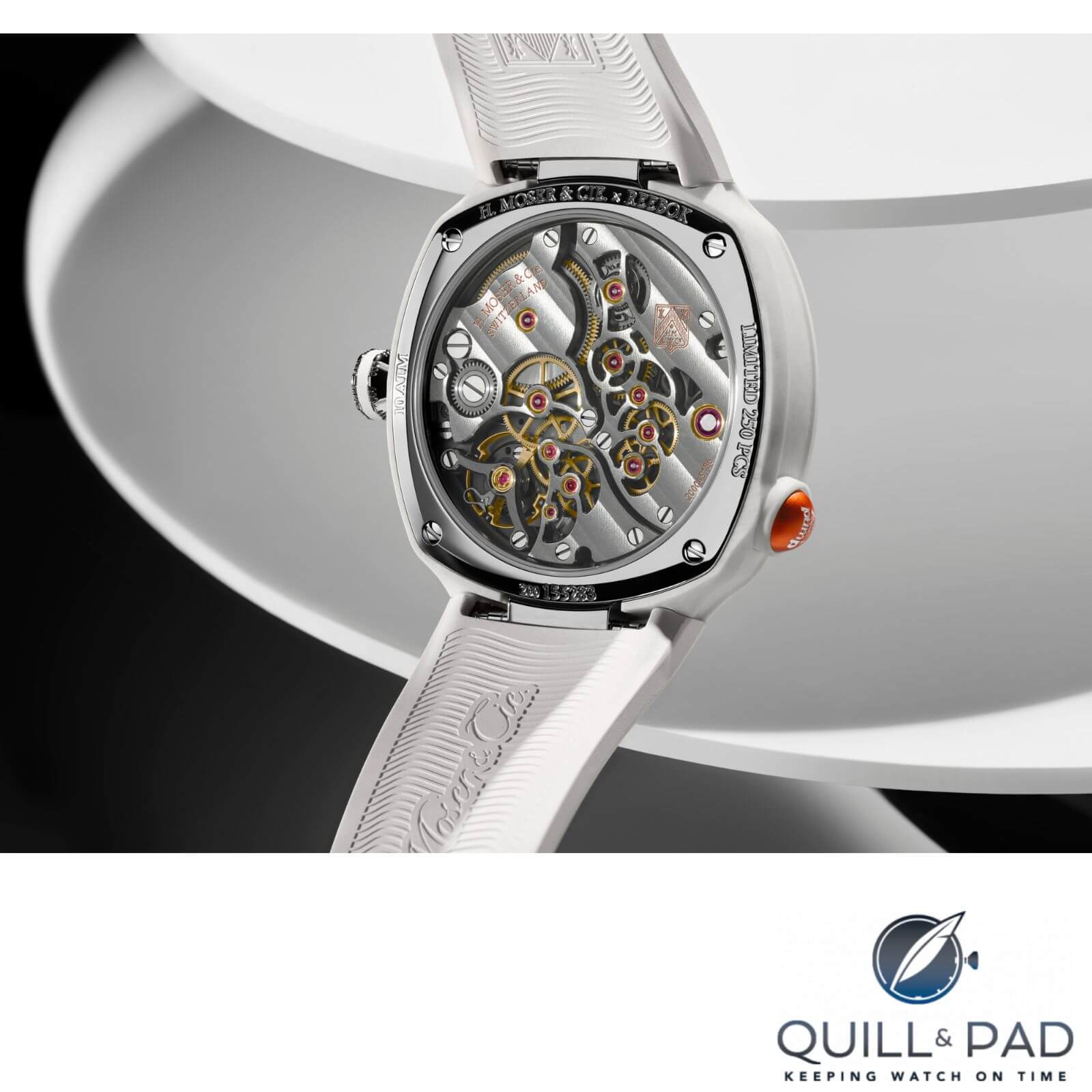
Beyond its whimsical inspiration, the Pump is a testament to intricate engineering. The orange pusher has been seamlessly integrated into the hand-wound HMC 103 manufacture calibre. The case itself is crafted from forged quartz fiber, a material prized for its lightness, resilience, and relative rarity in watchmaking. Currently available in limited editions of 250 pieces each in white and black, the potential for future color variations, given the material’s adaptability, suggests further exciting developments.
The Genesis of a Maverick Brand
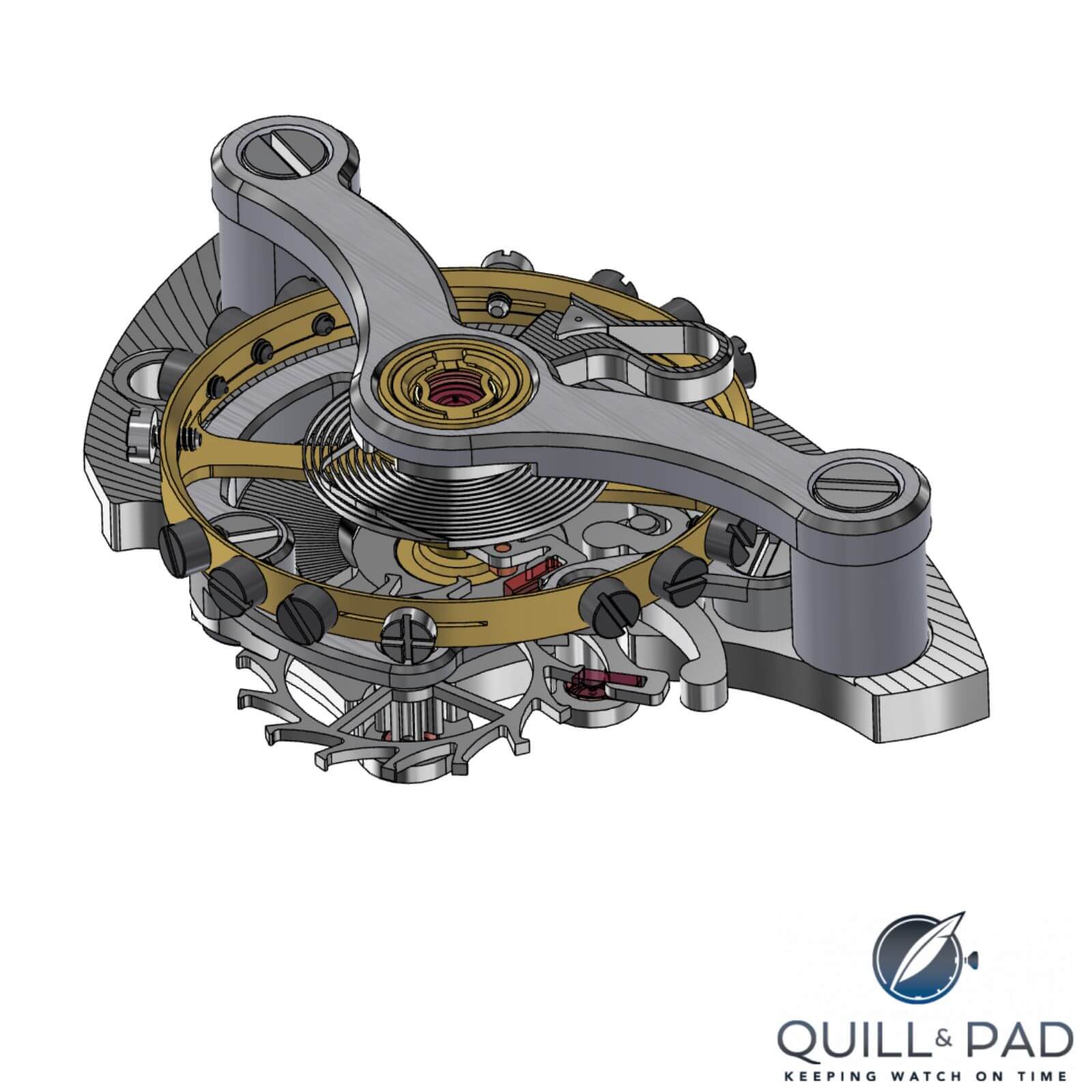
The strategy of surprising the watchmaking community has been a defining characteristic of H. Moser & Cie. since the Meylan family’s acquisition in 2012. Prior to this, the company was known for producing highly classical timepieces, often featuring exquisite fumé dials in subdued palettes of brown, green, blue, and grey. However, the horological foundations were always exceptionally solid. The "old Moser" was renowned for its innovative balance wheel, designed by Andreas Strehler, which incorporated two hairsprings oscillating in opposing directions. This unique design significantly enhanced chronometric precision. The hairsprings themselves were manufactured by Precision Engineering, a company that falls under Moser’s umbrella. Further enhancing the technical prowess, the balance, pallet lever, and escape wheel were housed in a removable module, simplifying servicing and replacement without the need for complete calibre disassembly.
The new ownership recognized the need to reposition the brand, charting a new course that necessitated calculated risks and substantial investments. Nicholas Hofmann, H. Moser & Cie.’s International Sales Director, articulated this vision: "We needed to discontinue some things and examine what could be improved. I think that was one of the biggest successes: not following in the footsteps of an existing brand, but truly carving out our own territory, our own segment in the market."
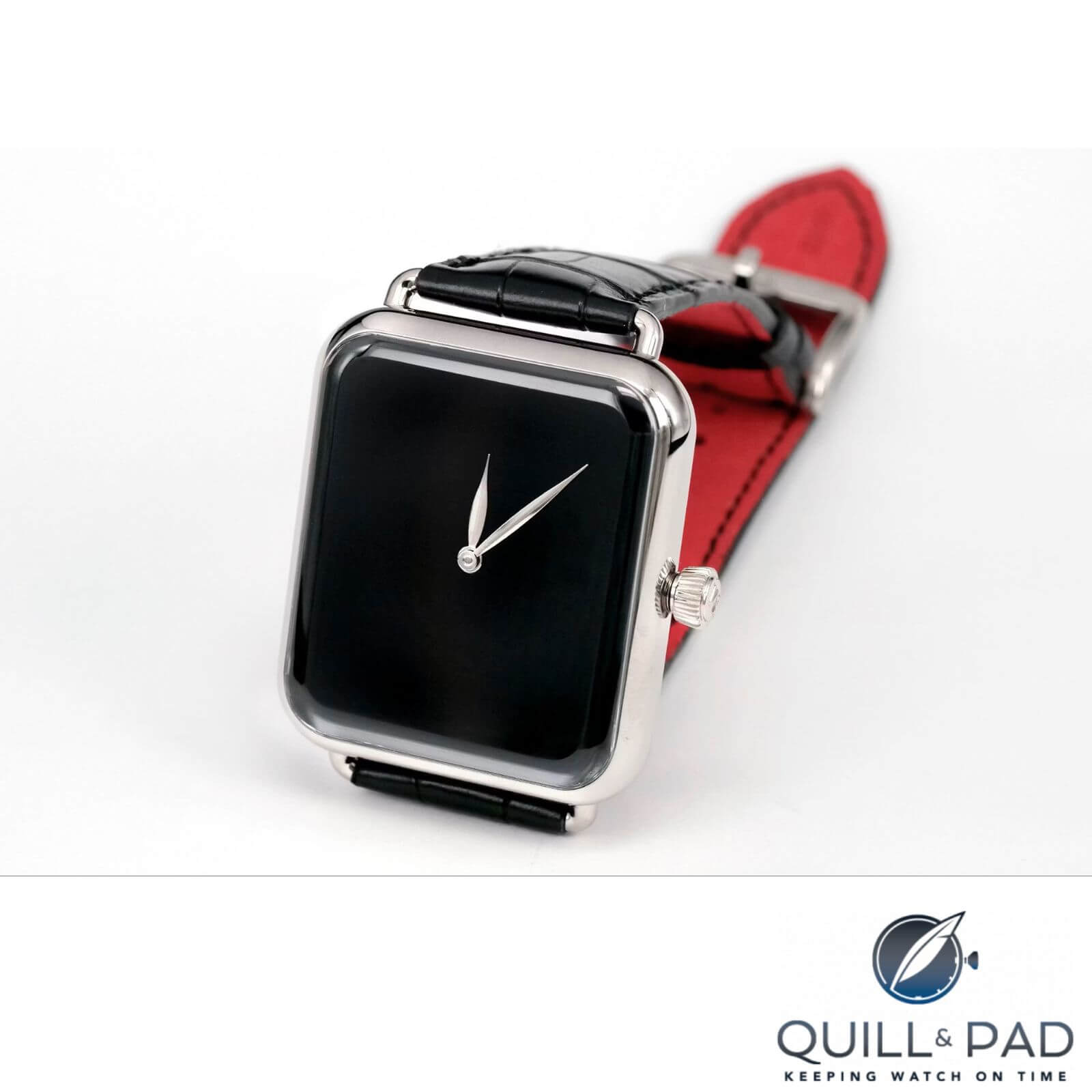
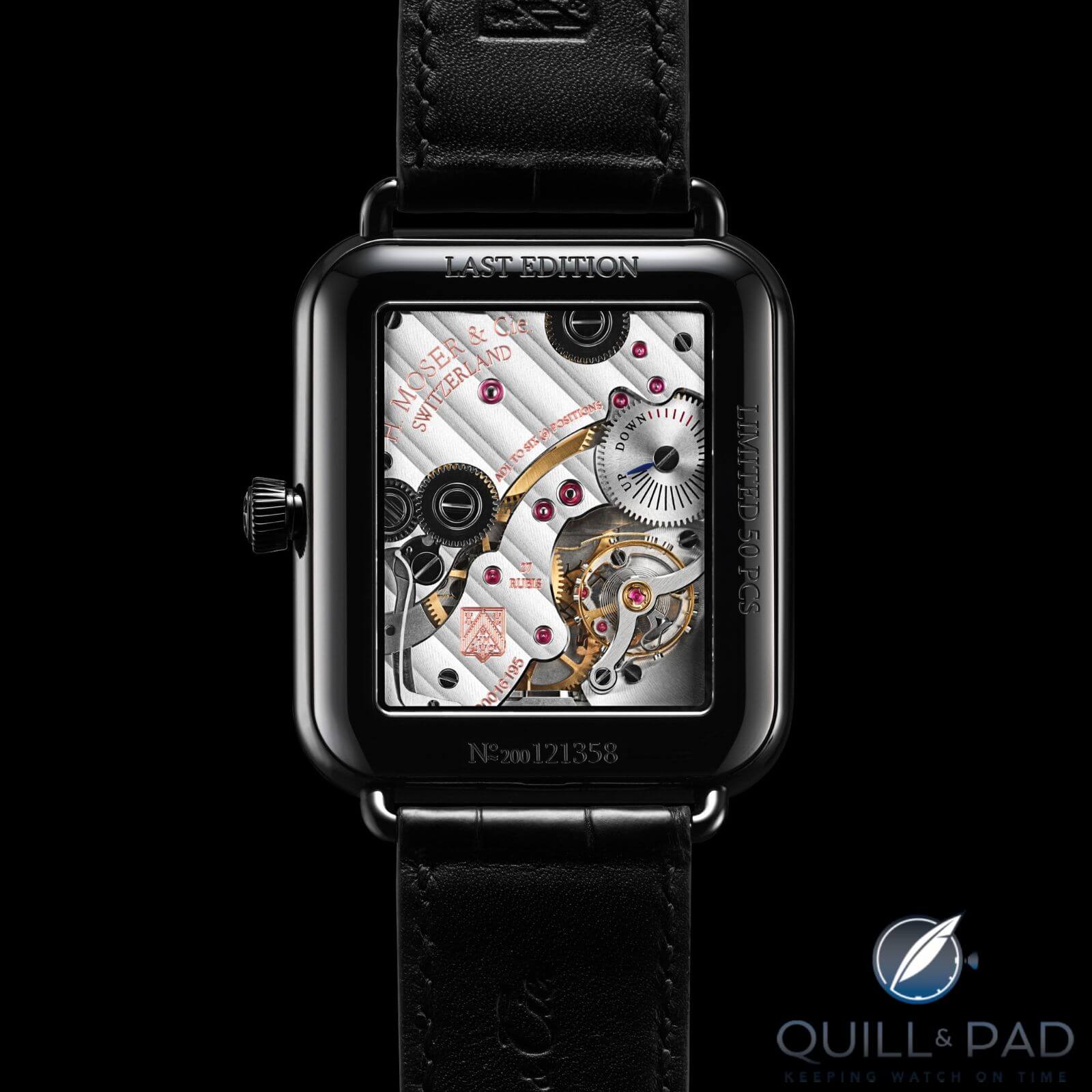
This strategic pivot transformed H. Moser & Cie. into a de facto "unbrand," a company that simultaneously continued to produce recognizable, traditional timepieces within its Heritage, Pioneer, and Endeavour collections—the latter featuring a discreet month hand cleverly integrated into the dial numerals. Concurrently, Moser began pushing boundaries in audacious directions, inevitably raising eyebrows. When Apple’s smartwatch launch in 2015 sent ripples of disruption through the industry, Moser responded in 2016 with the rectangular Swiss Alp Watch. This timepiece, measuring 38.2mm x 44.0mm, occupied a fascinating space between a running joke and a high-concept watch. The ensuing discourse surrounding these provocative creations proved invaluable for brand visibility, a crucial element in the competitive luxury market.
Despite the playful spirit, these watches were unequivocally designed for collectors. The finishing, particularly internal, remained outstanding. The HMC 324 calibre, beating at 18,000 vibrations per hour with a remarkable 100-hour power reserve, featured mainplates and bridges adorned with Moser’s signature double "Moser stripes."
The effectiveness of Moser’s disruptive approach, to borrow a phrase from Sigmund Freud, lies in its ability to "bypass censorship" through serious craftsmanship underpinning its humor. Moser possessed both the technical acumen and the youthful boldness to transform watches into genuine haute horlogerie statements. Hofmann elaborated on this crucial point: "People took us seriously with the Swiss Alp Watch, with and the ‘cheese watch’, because behind it all we had a genuine, vertically integrated manufacture. We had the expertise, we’re specialists in balance springs and balance wheels, so we had a certain credibility. If we’d just been assemblers of off-the-shelf movements and, on top of that, played up this slightly fun, disruptive side, I think it wouldn’t have gone down so well with collectors."
Evolution of a Distinctive Identity
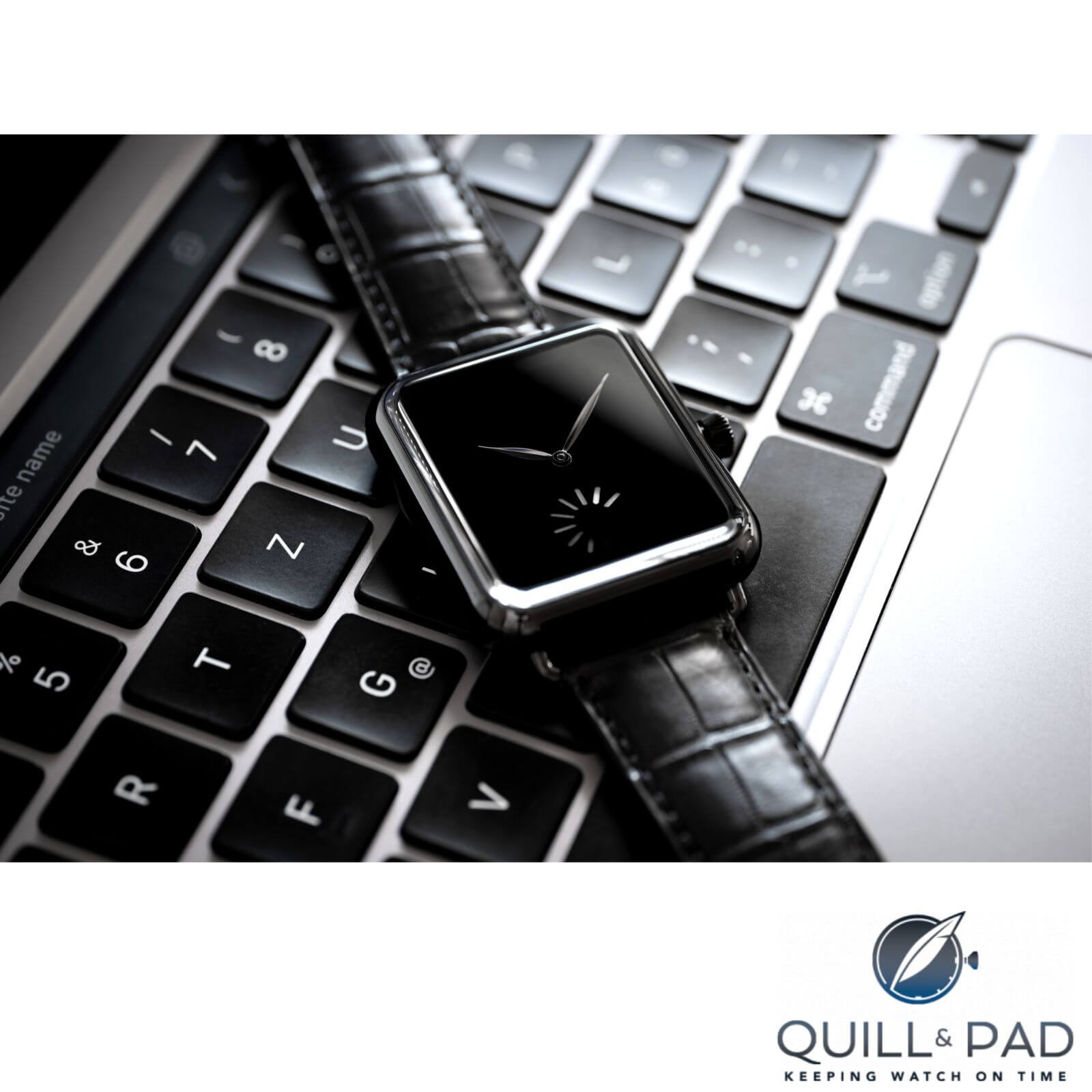
The brand’s commitment to surprising its audience has become a ritual, with the watch community eagerly anticipating Moser’s next move. In 2017, the Swiss Alp Watch Zzzz emerged, offering an all-black or blue fumé dial (the "Brrrr" edition) with a minimalist two-hand display, subtly encouraging wearers to embrace a slower pace. Subsequent iterations explored the depths of handless Vantablack, relying on a minute repeater to convey the time, and models featuring a tourbillon, a clear assertion of the brand’s serious horological credentials beneath its playful exterior. The final iteration, released in 2021, introduced a "loading" sub-seconds display at 6 o’clock, a tongue-in-cheek nod to the startup animation of the Apple Watch.
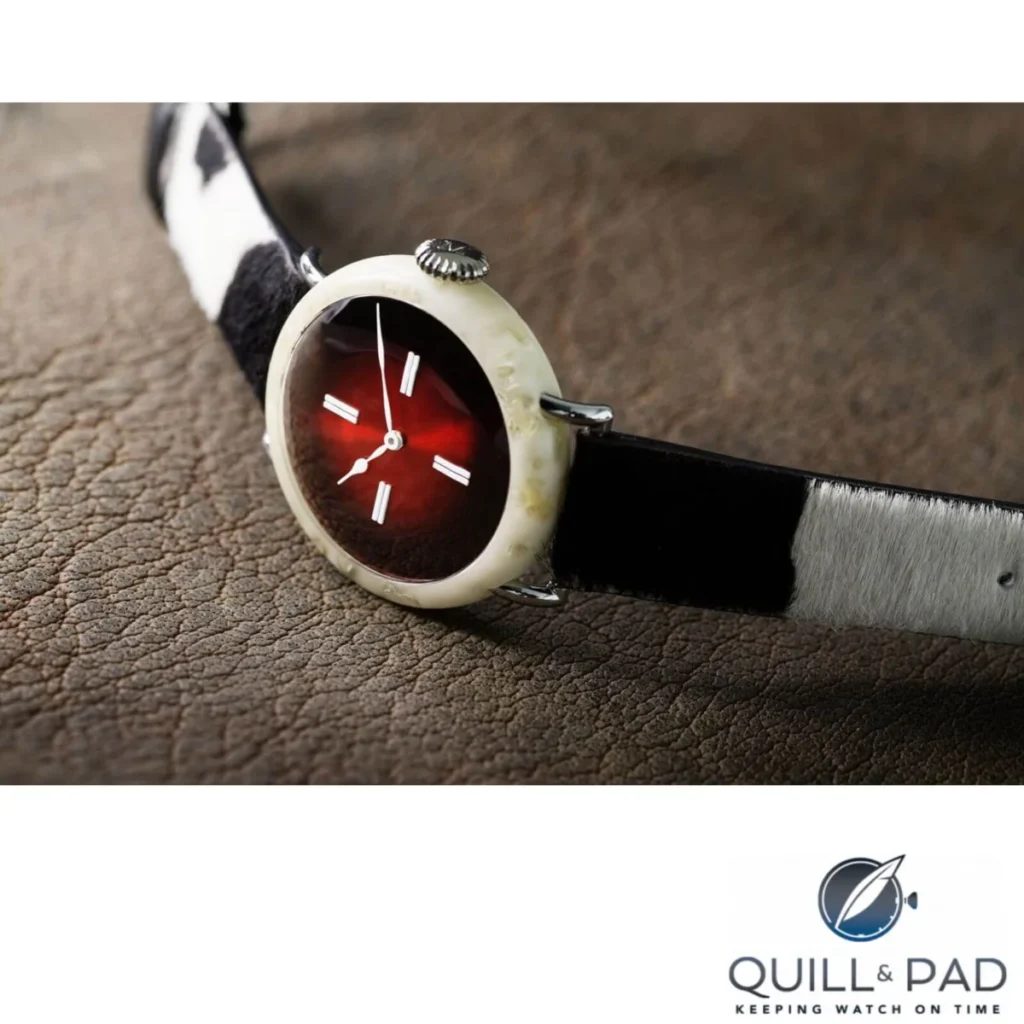
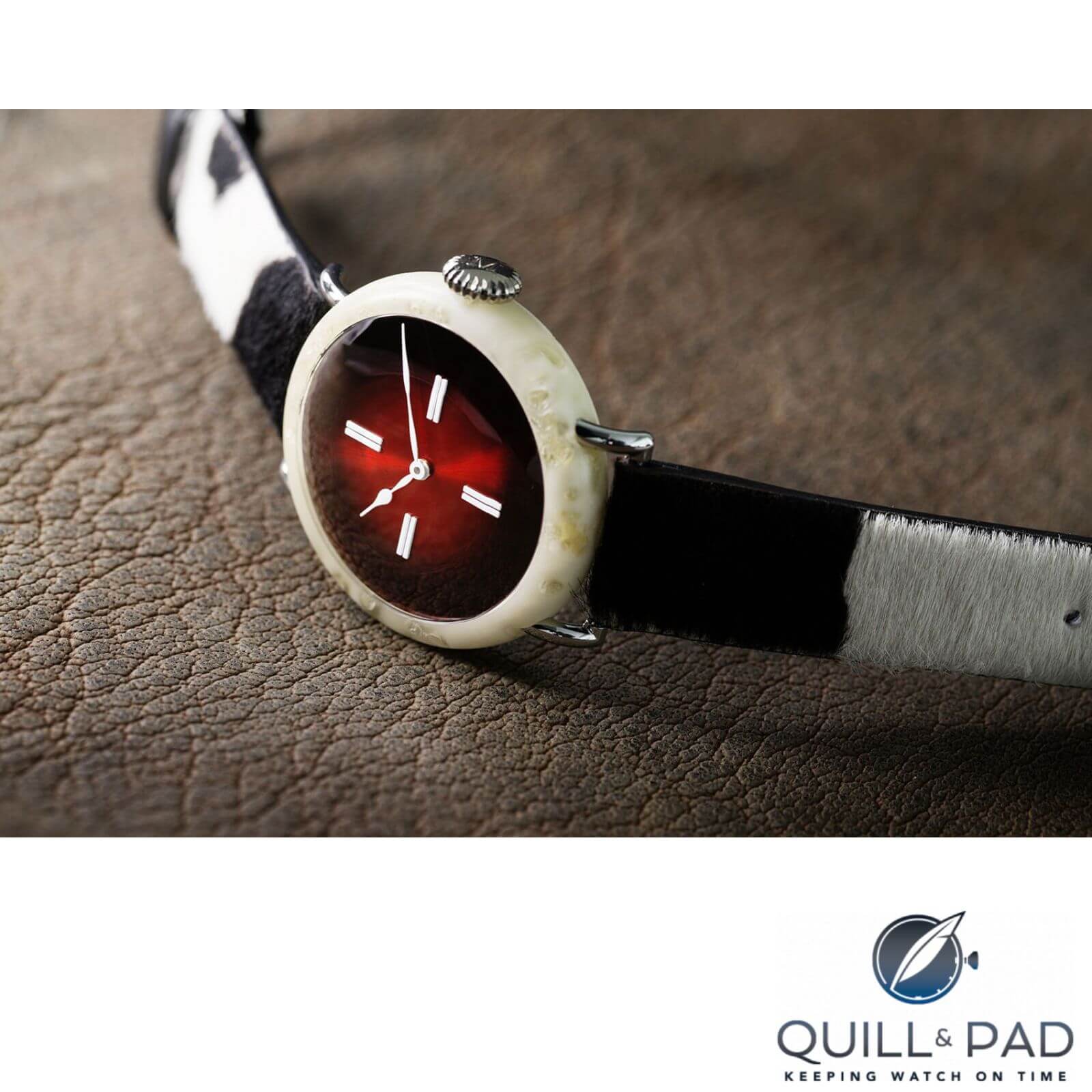
Moser continued to push the envelope with the Swiss Mad Watch, a timepiece encased in cheese that served as a protest against the perceived dilution of the "Swiss Made" label, especially when a significant percentage of components are sourced internationally. This was followed by the Frankenstein Watch, a daring assemblage of iconic design elements borrowed from rival brands, including a Rolex Pepsi bezel, a Patek Nautilus dial, and a Girard-Perregaux bridge over the balance wheel. This audacious move drew a stern reprimand from industry watchdogs, yet it solidified Moser’s reputation for boundary-pushing creativity.
These ventures are integral to a creative process that allows Moser to navigate the fine line between serious watchmaking and unadulterated fun. "We’re always on the lookout for ideas, asking ourselves: what can we bring to the table?" Nicholas Hofmann explained. "We’re here to provoke. We need to surprise people—and yes, if we do, we might lose a certain segment of the customer base who simply won’t relate. But we might also win others over. We have the luxury of being part of a family that owns the brand, and that lets us take risks that a CEO answerable to shareholders on a quarterly basis simply couldn’t."
In 2023, H. Moser & Cie. further solidified its commitment to cutting-edge movement development by acquiring a stake in Agenhor, a renowned provider of movements and modules. Agenhor is credited with significant contributions to many celebrated timepieces from brands such as Hermès, Fabergé, Singer, and Van Cleef & Arpels, reinforcing Moser’s access to exceptional horological expertise.
Navigating the Spectrum of Playfulness and Precision
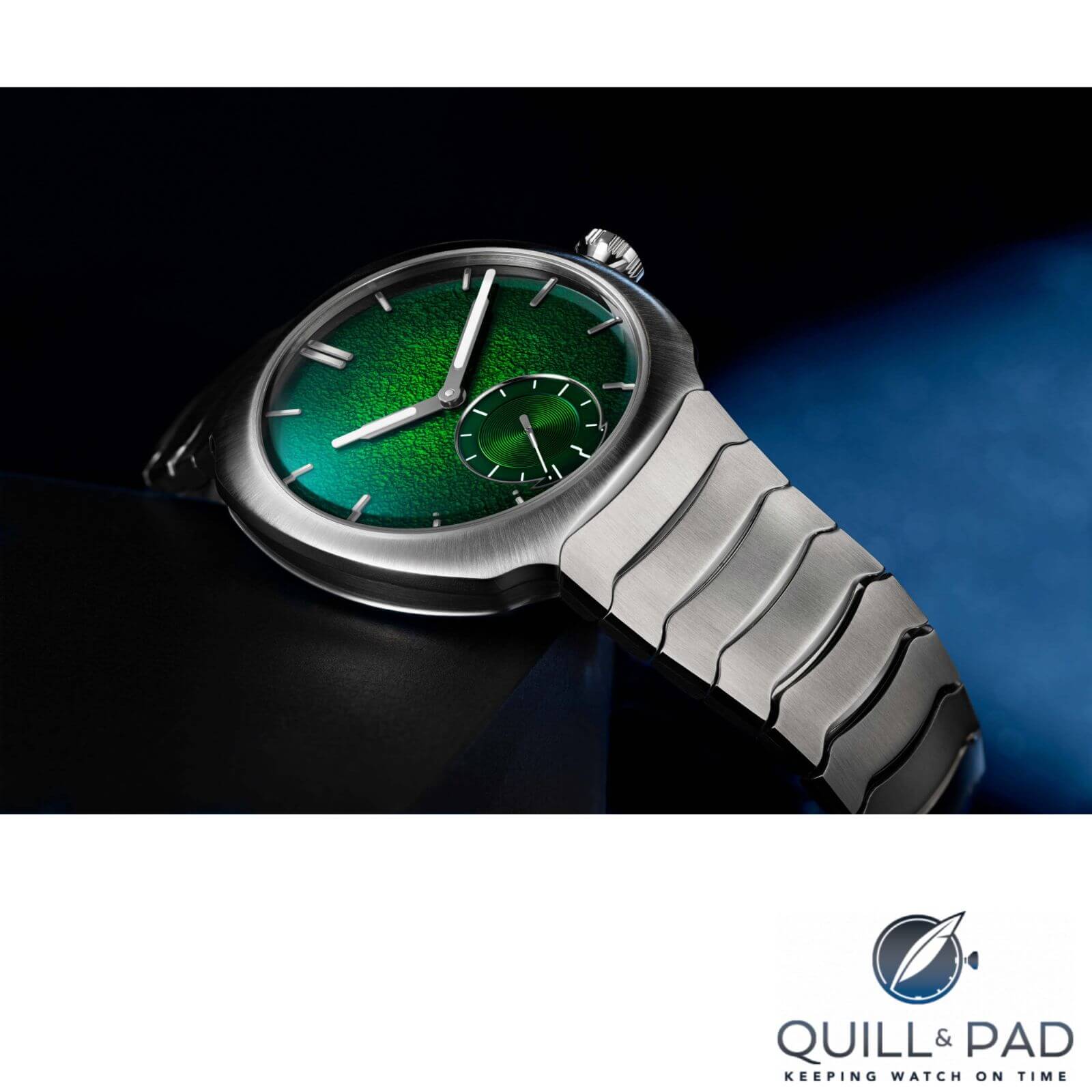
In the highly competitive landscape of luxury goods, attracting attention is paramount, and H. Moser & Cie. has masterfully employed this principle. While the Swiss Alp Watch series was undeniably polarizing, it also served as a catalyst for boldness across other aspects of the brand’s output. This emboldened approach manifested in the 2020 launch of the Streamliner family. Initially, the collection’s unconventional case design and its intricately winding minute chapter ring around the dial did not resonate with all observers. However, over time, the Streamliner has firmly established itself as a serious horological proposition, spawning numerous variations. It has become the preferred platform for minimalist dials in striking frosted colors, for tourbillon complications, for skeletonized movements, and for elegant creations like the griffé (scratched) dial in a gold case, or the more edgy Perpetual Moon presented on dyed meteorite.
Concurrently, Moser’s established collections continue to evolve, granting the brand the latitude to be both playful and serious. This dynamic allows Moser to operate at the vanguard of independent watchmaking, possessing the freedom and agility to deviate from routine at any moment. For the more technically inclined enthusiasts, the Endeavour Flyback Chronograph Dual Time presents a compelling offering, integrating a flyback chronograph, a second time zone, and a central date display—a testament to Agenhor’s significant input in the development of the HMC 730 calibre within.
To maintain a balance between horological correctness and a lighthearted demeanor, Moser frequently employs vibrant and striking colors for its dials. This is a bold strategy, as colors can rapidly become dated. The Pioneer Center Seconds Sun Berry, for instance, commands attention with its audacious yellow and pink hues. In 2025, the Endeavour Pop Collection debuted, featuring dials that freely incorporate turquoise, coral, lapis lazuli, and Burmese jade. For those with more reserved preferences, the Endeavour Perpetual Calendar Concept Tantalum offers a minimalist dial aesthetic.
The Unpredictability of Innovation
At the core of H. Moser & Cie.’s strategy lies a compelling paradox. It is a brand that consistently eschews conventional branding, yet has meticulously cultivated one of the most recognizable identities in independent watchmaking precisely through this unconventional approach. As the company prepares to commemorate its founding by Heinrich Moser in Saint Petersburg in 1828, anticipation for future innovations is palpable. Hofmann alluded to "big things awaiting," but by design, predicting Moser’s next surprise remains an impossible task. This inherent unpredictability has, perhaps, become the brand’s most enduring and defining characteristic.