The critical debate surrounding the integration and role of autonomy in aviation is poised to take center stage in early October as ASTM International, a leading global standards-setting organization, convenes its 7th Annual Autonomy in Aviation Symposium in Jacksonville, Florida. This pivotal gathering will bring together industry leaders, regulators, and technical experts to address the complex challenges and opportunities presented by increasingly sophisticated automated systems in aerospace.
Laying the Groundwork for Advanced Automation
At the heart of the symposium’s agenda is the examination of how "advanced systems reduce reliance on exceptional pilot skill or extensive training," as highlighted on the official event webpage. This core theme underscores a fundamental shift in aviation design philosophy, moving towards a future where automation plays a more significant role in ensuring safe and efficient flight operations. Wes Ryan, committee chair and Northrop Grumman fellow for airworthiness of autonomy and AI, emphasized that the symposium’s overarching goal is to "pave the way for increasingly capable automation."
ASTM International plays a crucial role in the aviation ecosystem by developing voluntary consensus standards for materials, methods, and processes. These standards are often adopted by regulatory bodies, providing a framework for innovation and ensuring a baseline level of safety and interoperability. A recent example of this influence is the Federal Aviation Administration’s (FAA) adoption of four ASTM standards in its final MOSAIC rule last year. This rule significantly updated the regulations for light-sport aircraft and sport pilot privileges, demonstrating the tangible impact of ASTM’s standardization efforts on the broader aviation landscape.
While the Autonomy in Aviation Administrative Committee is not yet formulating specific standards, Ryan indicated that the committee intends to publish a comprehensive paper on automation in aviation within a year of the symposium. This paper is expected to encapsulate the discussions and consensus-building that emerge from the event, serving as a foundational document for future standardization efforts.
A Paradigm Shift Towards Automation-Centric Design
The committee’s vision, as articulated by Ryan, is to "safely move the industry towards an automation-centric design paradigm to the extent mature technology allows, while making sure the system is designed to allow a human operator to perform their expected role to manage safe mission outcomes." This statement reflects a nuanced approach, acknowledging the indispensable role of human oversight while advocating for a redefinition of that role in an increasingly automated environment. The aim is not to eliminate human involvement but to elevate it, shifting the focus from direct control of basic flight functions to strategic management of complex systems and mission objectives.
Since its inception in 2019, ASTM has been steadily building a body of work dedicated to advancing autonomy in aviation. A significant milestone was the publication of the 2020 technical report, "Developmental Pillars of Increased Autonomy for Aircraft Systems." This report was instrumental in promoting the "sound application of technical best practices to increase aviation autonomy" and establishing a "technical foundation for the development and evaluation of these advanced systems." This proactive approach demonstrates a commitment to addressing the complexities of autonomous flight well in advance of widespread deployment.
Addressing the Unresolved Questions of Autonomous Flight
Despite the progress made, ASTM has also been at the forefront of identifying and highlighting the critical unanswered questions surrounding autonomous flight. A 2023 white paper delved into some of these profound challenges, posing questions such as: "If automation solves a challenge traditionally addressed by pilot qualification or medical fitness, are the relevant pilot qualifications or medical fitness no longer relevant?" and "Who has authority in emergency situations when the pilot is replaced by automation?" These inquiries strike at the core of regulatory frameworks, pilot training paradigms, and legal accountability in the context of autonomous aviation.
The symposium is designed to be a crucial forum for fostering in-depth discussions and collaborative problem-solving around these and other pressing issues. Ryan underscored the growing need for enhanced industry consensus and regulatory guidance, particularly in light of emerging initiatives such as the FAA’s e-Enablement Integration Program (eIPP), which aims to accelerate the rollout of electric aircraft services. Furthermore, the increasing adoption of autonomous aircraft and related technologies by the U.S. military necessitates a robust and unified approach to standardization.
Redefining the Pilot’s Role: From Operator to Systems Manager
A key focus of the October event will be on establishing best practices for aircraft design that not only ensure the highest levels of safety but also enable the pilot or operator’s role to evolve in alignment with the level of automation. Ryan expressed a strong conviction that aviation must transition away from a model that requires pilot intervention for basic system malfunctions. Instead, he advocates for automation to adeptly handle these "low-level" events, freeing up human operators to focus on higher-level responsibilities.
This paradigm shift, as described by Ryan, allows the pilot to "manage safe outcomes at a high level, a mission outcome level." In this future scenario, the human operator functions less as a direct controller of the aircraft and more as a sophisticated "systems manager." This concept, which Ryan aptly terms "carefree handling," envisions a future where routine operational complexities are managed by automation, allowing human pilots to concentrate on strategic decision-making, situational awareness, and ensuring the overall success of the mission.
Influential Voices and Industry Perspectives
The symposium will feature a distinguished lineup of speakers, including David Mindell, an esteemed aerospace professor at MIT and author of the influential book "Our Robots, Ourselves." His participation underscores the interdisciplinary nature of the autonomy debate, bridging technological advancements with societal and ethical considerations. Representatives from both the FAA and NASA are also confirmed to attend, signaling the active engagement of key regulatory and research bodies in shaping the future of autonomous aviation.
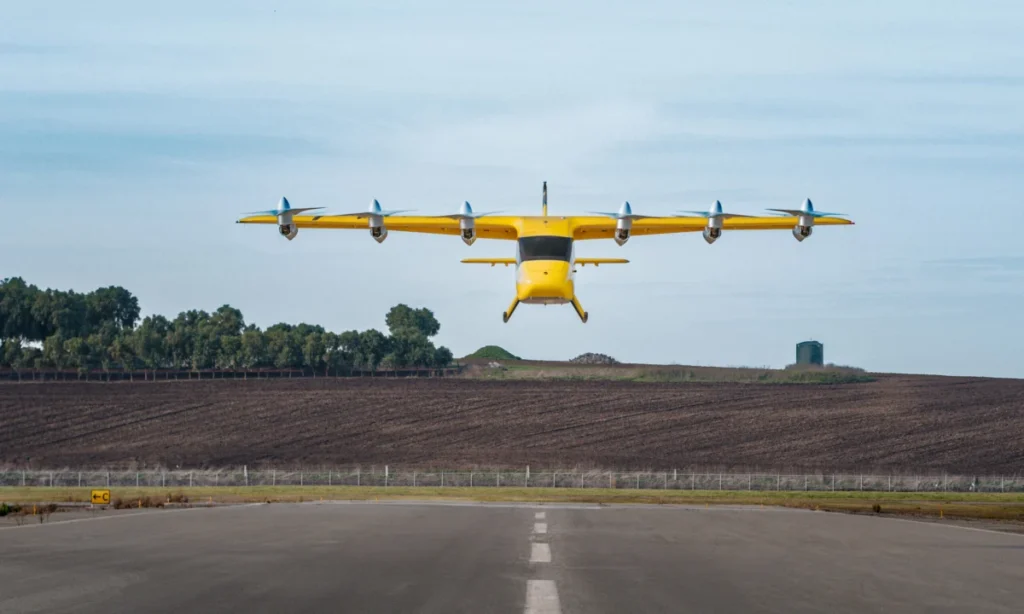
From the industry’s perspective, companies at the forefront of developing autonomous technologies are actively involved in the ASTM process. Wisk Aero, a Boeing-owned company developing autonomous electric air taxis with no traditional pilot cockpit, has a representative on the ASTM committee: Tom Gunnarson, their regulatory affairs lead. In a recent interview, Gunnarson described ASTM as a vital "broad forum," offering a more informal environment than a formal FAA rulemaking body, which is crucial for "steering oversight of new technology."
Gunnarson elaborated on the value of this collaborative approach: "First, we want to expose whatever this new innovation is and create dialogue. We also are often getting regulators participating, and not just FAA, and we let them raise the questions that they’re going to have. The regulators are focused entirely on safety, so if they tell us they will develop performance-based rules, then the standards bodies are ready to jump in to develop the means of compliance." This highlights the symbiotic relationship between industry innovation and regulatory oversight, facilitated by organizations like ASTM.
Trust Calibration: A Cornerstone of Autonomous Aviation
The aviation and aerospace industries are keenly observing the discussions at the symposium and the broader discourse on autonomy. Ella Atkins, a professor of aerospace engineering who directs Virginia Tech’s Autonomous Aerospace Systems Lab, noted that the ultimate goal of setting standards for autonomous aviation is fundamentally about "trust calibration."
Atkins articulated a critical aspect of this challenge: "Of course, humans need to be able to trust autonomy and have override if the machine starts to do something bad. But unfortunately, flight crews don’t necessarily always have the best intent. And so the machine also needs to make sure that their trust in the human is not absolute." This statement introduces a vital consideration: the calibration of trust must be a two-way street. While humans must be able to rely on autonomous systems, these systems must also be designed with safeguards that account for potential human error or suboptimal decision-making.
Implications for the Future of Flight
The outcomes of the ASTM Autonomy in Aviation Symposium will have far-reaching implications for the future of aviation. The development of robust, industry-accepted standards will be instrumental in accelerating the adoption of autonomous technologies across various sectors, including commercial aviation, cargo transport, urban air mobility, and defense.
Supporting Data and Context:
- Growth in Automation: The global market for autonomous aviation is projected to experience significant growth. Reports from market research firms indicate a compound annual growth rate (CAGR) of over 15% in the coming decade, driven by advancements in AI, sensor technology, and increasing demand for efficiency and safety.
- Electric and Autonomous Convergence: Initiatives like the FAA’s eIPP underscore a convergence of trends. The development of electric aircraft, often envisioned with a higher degree of automation to optimize energy efficiency and reduce pilot workload, is a key driver for autonomy research and standardization.
- Military Adoption: The U.S. military has been a significant adopter of autonomous systems for various applications, including reconnaissance, logistics, and unmanned combat aerial vehicles. This adoption pace necessitates standardized protocols for interoperability and safety.
- Regulatory Evolution: Regulatory bodies worldwide, including the FAA, European Union Aviation Safety Agency (EASA), and others, are actively working to adapt their frameworks to accommodate autonomous systems. ASTM standards serve as a vital bridge between technological development and regulatory approval.
Broader Impact and Analysis:
The Jacksonville symposium represents more than just a technical conference; it is a critical juncture in defining the operational and regulatory landscape of next-generation aviation. The standards developed through consensus-building processes like those at ASTM will directly influence:
- Aircraft Design and Certification: New standards will guide manufacturers in designing and certifying aircraft with varying levels of autonomy, ensuring safety and performance.
- Pilot Training and Licensing: The evolving role of the pilot will necessitate a reevaluation of training curricula and licensing requirements, focusing on systems management and higher-level decision-making.
- Air Traffic Management: The integration of autonomous aircraft will require advancements in air traffic management systems to ensure safe separation and efficient operations in increasingly complex airspace.
- Public Perception and Acceptance: The development of clear safety standards and transparent operational protocols will be crucial in building public trust and acceptance of autonomous aviation.
The discussions at the 7th Annual ASTM Autonomy in Aviation Symposium will undoubtedly shape the trajectory of aviation for decades to come, marking a significant step in humanity’s ongoing quest to make flight safer, more efficient, and more accessible through the judicious integration of intelligent automation. The consensus reached and the challenges identified will serve as a roadmap for innovation, regulation, and ultimately, the widespread adoption of autonomous capabilities in the skies.