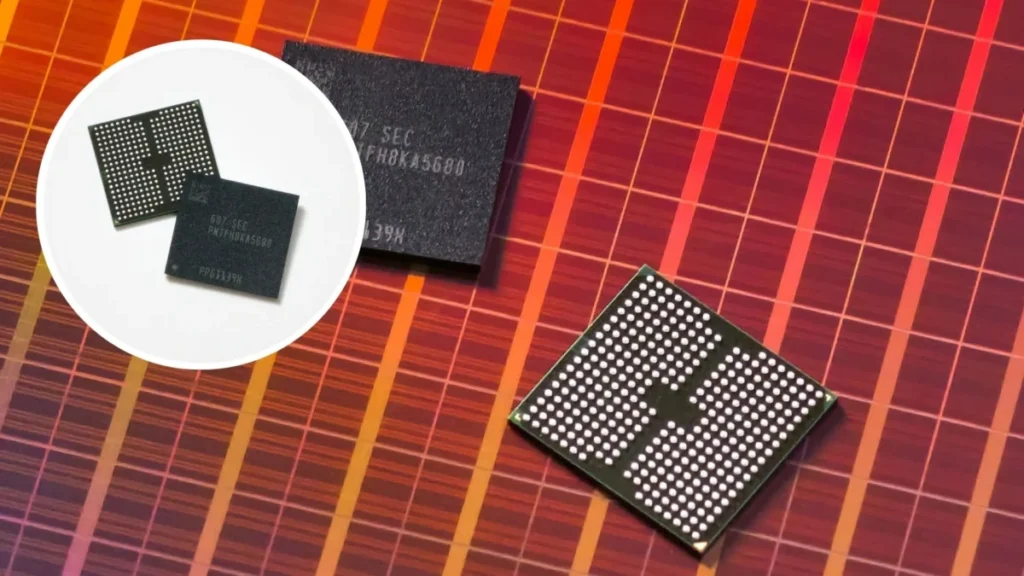
China’s Semiconductor Manufacturing International Corporation (SMIC), the nation’s largest contract chipmaker and the third largest globally, is poised for a significant expansion in its production capabilities, driven by an unprecedented surge in demand for mature-node chips essential for artificial intelligence (AI) infrastructure. This strategic pivot highlights the critical role of these often-overlooked components in the burgeoning AI revolution and underscores SMIC’s evolving position within the global semiconductor landscape amidst complex geopolitical dynamics.
The AI Infrastructure Boom and the Unsung Heroes of Silicon
The global push towards advanced AI capabilities has traditionally focused on the cutting-edge, ultra-low-nanometer chips produced by industry leaders like TSMC and Samsung, which power the most sophisticated AI accelerators. However, the foundational report indicates a major demand inflection point for SMIC, one driven less by the traditional consumer electronics market of smartphones and PCs, and more by the expansive infrastructure required to support AI. This infrastructure encompasses a vast array of components beyond the primary AI processing units, including sophisticated logic chips, robust power-management products, and critical optical module components for high-speed data transfer within data centers.
SMIC’s co-CEO, Zhao Haijun, articulated the scale of this demand, stating that "Future wafer starts are far exceeding our previous expectations," referring to the volume of new chip batches entering the production line. This signifies a recognition within the industry that the "global artificial intelligence infrastructure boom" has unveiled significant manufacturing gaps, particularly in the realm of supporting chips manufactured on mature process nodes. These mature nodes, typically ranging from 28nm to 180nm, are crucial for a wide array of applications, including microcontrollers, power management integrated circuits (PMICs), automotive electronics, industrial control systems, and various Internet of Things (IoT) devices. While not at the bleeding edge of transistor density, their reliability, cost-effectiveness, and established manufacturing processes make them indispensable for the ancillary systems that enable advanced AI operations. For instance, the report highlights that orders for BCD (Bi-polar-CMOS-DMOS) power-management products, vital for efficient energy delivery in data centers and servers, are visible through the end of 2027, indicating sustained long-term demand.
SMIC’s Pivotal Role in the Global Semiconductor Landscape
Established in 2000, SMIC has grown to become a cornerstone of China’s semiconductor ambitions. As a partially state-owned enterprise, its trajectory is intimately linked with Beijing’s strategic goal of achieving greater self-sufficiency in critical technologies, particularly under initiatives like "Made in China 2025." The company operates as a contract chipmaker, fabricating silicon wafers for external tech companies based on their proprietary designs. Its extensive portfolio includes chips for a diverse range of products, from everyday smartphones and consumer electronics to specialized automotive components, data centers, and IoT devices.
SMIC’s strategic importance has been amplified by the ongoing geopolitical tensions, specifically the technological rivalry between the United States and China. Since late 2020, SMIC has faced various restrictions from the U.S. government, including being placed on the Entity List, which limits its access to advanced chipmaking equipment and technology, particularly those related to extreme ultraviolet (EUV) lithography necessary for advanced node fabrication (below 10nm). These restrictions have effectively steered SMIC’s focus more intensely towards mature and specialized process nodes, where it possesses robust capabilities and less reliance on restricted Western technology. This strategic shift, initially perceived as a limitation, now appears to be aligning fortuitously with the unexpected surge in demand for these very mature nodes, driven by the AI boom’s broader infrastructural needs. This confluence of geopolitical pressure and market demand has inadvertently positioned SMIC to capitalize on a critical segment of the semiconductor market that underpins the entire AI ecosystem.
Unprecedented Demand Drives Strategic Expansion
The current demand inflection has pushed SMIC’s existing manufacturing capacity to its limits. According to its latest earnings report, the foundry’s capacity utilization rate reached an impressive 93.7 per cent in the second quarter, a slight increase from 93.1 per cent in the previous three months. This near-full utilization, coupled with a 14.4 per cent quarter-on-quarter rise in wafer shipments and a monthly production capacity equivalent to approximately 1.1 million 8-inch wafers, underscores the immediate need for expansion. The company has formally announced plans to install additional equipment at its various fabrication facilities, though specific details regarding the timing, location, and type of machinery remain undisclosed.
Expanding a semiconductor foundry is a capital-intensive and time-consuming endeavor. It involves significant investment in specialized equipment from global suppliers (many of whom are also subject to export controls), construction of highly specialized cleanrooms, and the recruitment and training of skilled personnel. Lead times for some advanced lithography tools can extend to 12-18 months or more, meaning that even with immediate orders, bringing new capacity online takes considerable time. SMIC’s ability to navigate these challenges, particularly in securing necessary equipment given the export controls, will be crucial to its expansion trajectory. The company’s proactive stance in considering new equipment underscores the seriousness of the demand and its commitment to seizing this market opportunity, even as it balances the need for expansion with continued investment in research and development.
Financial Resilience and Market Leverage
The robust demand for mature-node chips has translated directly into strong financial performance for SMIC. For the quarter ended June 30, the company reported revenues of US$3.01 billion, marking a substantial 20 per cent sequential increase and an impressive 36.1 per cent year-on-year growth. Gross margins also expanded significantly, climbing to 25.3 per cent from 20.1 per cent in the first quarter, indicating improved profitability and pricing power. This upward trend in sales was broad-based, positively impacting all three regions that SMIC serves. However, China emerged as the primary driver of this growth, attributed to heightened domestic chip demand, a general increase in overseas orders, and the ongoing push for supply-chain localization within the country.
This period of high demand has also afforded SMIC greater leverage in its pricing strategy. While the company has opted not to implement across-the-board price increases, particularly for sensitive segments like smartphone chips and display-driver integrated circuits (where competition remains fierce and volumes are high), it has raised prices for certain consumer electronics components. This selective pricing adjustment reflects a strategic approach to optimize revenue while maintaining competitiveness in key markets. The expectation of further price increases underscores the volatile yet favorable market conditions, characterized by persistent shortages alongside soaring demand, allowing foundries to command higher prices for their services. Market analysts generally view SMIC’s financial trajectory positively, acknowledging its resilience in a challenging geopolitical environment and its ability to capitalize on specific market niches.
The Broader Implications: Geopolitics, Supply Chains, and Technological Autonomy
SMIC’s growth in the mature-node segment carries significant geopolitical and economic implications. From China’s perspective, strengthening SMIC’s capabilities in these essential process technologies is a vital step towards reducing reliance on foreign supply chains and bolstering national technological autonomy. As the global semiconductor industry grapples with the complexities of "de-risking" and "friend-shoring," SMIC’s expansion offers China a more robust domestic source for a wide array of chips critical to its industrial base, national security, and burgeoning AI ecosystem. This internal capability becomes particularly crucial for components not directly subject to advanced technology export controls, enabling China to build out its AI infrastructure with less direct external dependence.
Globally, SMIC’s expansion could contribute to a more diversified and potentially resilient mature-node supply chain. While the company’s growth might intensify competition for other mature-node foundries like UMC and GlobalFoundries, it also addresses a collective industry concern about concentrated manufacturing capacity. However, the expansion is not without its challenges. The ongoing debate about technology transfer and export controls means that SMIC’s ability to acquire the most advanced equipment for any node size, even mature ones, could face scrutiny. The broader impact will depend on the extent to which SMIC can meet its ambitious expansion targets and how its increased capacity affects global pricing and availability for these foundational components. The strategic importance of mature nodes, often overshadowed by the pursuit of cutting-edge technology, is now undeniable, highlighting that a robust semiconductor ecosystem requires strength across the entire spectrum of process technologies.
Looking Ahead: Innovation Amidst Expansion
While SMIC is aggressively expanding its manufacturing capacity to meet immediate and forecasted demand, the company has also reiterated its commitment to research and development (R&D). This dual focus indicates a strategy to not merely scale production but also to enhance its technological capabilities within the mature-node space. Investing in R&D ensures that SMIC can optimize existing processes, develop new specialized technologies (like advanced power management or MEMS on mature nodes), and maintain a competitive edge. This approach prevents the company from simply pushing itself to "full operational limits" without investing in future innovation.
The positive outlook for SMIC is largely contingent on the sustained growth of AI-related demand, which shows no signs of abating. While weaknesses in certain segments like smartphones and consumer electronics remain a challenge, the overwhelming strength of demand for AI-enabling semiconductor components, coupled with improving margins and continued growth within its dominant China market, positions SMIC favorably. The company is strategically well-placed to benefit from the global AI boom, not just as a manufacturer of foundational components, but also as a key player in China’s broader drive for technological independence and leadership in the digital age. The coming years will reveal the full extent of SMIC’s transformation and its lasting impact on the intricate tapestry of the global semiconductor industry.