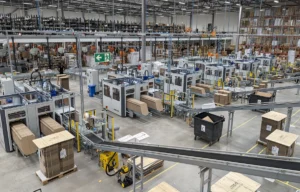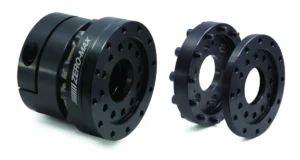
Modern warehousing, once a domain characterized by manual labor and intricate human coordination, has undergone a profound transformation, evolving into highly automated, sophisticated logistical hubs. At the heart of this revolution lies a critical, yet often understated, component: the gearmotor. These electromechanical workhorses are the silent enablers of the complex dance of robotics, conveyors, and lifting equipment that define today’s efficient material handling systems, ensuring the seamless flow of goods from receiving to dispatch.
The shift towards automation in warehouses is not merely a technological advancement but a strategic imperative driven by a confluence of factors. The explosive growth of e-commerce, amplified by global events, has placed unprecedented demands on supply chains, necessitating faster fulfillment times, increased throughput, and enhanced accuracy. Simultaneously, persistent labor shortages in many regions have compelled industries to seek automated solutions that can augment human capabilities and maintain operational continuity. In this context, mechanical engineers, collaborating extensively with armies of software engineers, design intricate systems where purpose-built autonomous robot fleets and an array of specialized machinery coordinate to optimize every facet of warehouse operations.
A visit to major industry trade shows like MODEX or ProMat quickly reveals the heavy reliance of modern warehouse equipment on electromechanical systems. Among these, the fractional-horsepower gearmotor stands out as a fundamental building block. Its ability to deliver precise torque and speed control in a compact, robust package makes it ideal for a multitude of applications. For instance, the autonomous mobile robots (AMRs) and automated guided vehicles (AGVs) responsible for moving product racks or pallets across vast factory floors depend on gearmotors for their primary locomotion, steering mechanisms, and, in many cases, for integrated lifting systems such, as jack screws, which enable them to transport items vertically. These gearmotors are engineered for continuous duty cycles, demanding high reliability and efficiency to keep operations running around the clock.
The Evolution of Warehouse Automation: A Brief Chronology
The journey towards the automated warehouse began in earnest in the mid-20th century with the introduction of basic conveyor systems and forklift trucks, significantly improving material handling efficiency compared to purely manual methods. The 1970s saw the advent of early automated storage and retrieval systems (AS/RS), marking a pivotal step towards computer-controlled inventory management. The 1980s and 90s brought more sophisticated programmable logic controllers (PLCs) and barcode scanning, further integrating technology into warehouse processes.
However, the true acceleration of automation has occurred in the 21st century. The early 2000s witnessed the rise of enterprise resource planning (ERP) systems and warehouse management systems (WMS) that provided holistic control over operations. The subsequent e-commerce boom, particularly from the 2010s onwards, acted as a catalyst, pushing the development and widespread adoption of more advanced robotics, AI-driven optimization, and intricate sensor networks. This era has seen the miniaturization and increased power density of electromechanical components, including gearmotors, making complex, compact automation solutions feasible and cost-effective. Today, warehouses are transitioning into "smart warehouses," leveraging Industry 4.0 principles, where every component, from the smallest gearmotor to the largest AS/RS, is interconnected and capable of data exchange, paving the way for predictive maintenance and real-time optimization.
Gearmotors in Action: Powering Key Warehouse Functions
The versatility of gearmotors is evident across virtually every segment of warehousing equipment.
-
Autonomous Mobile Robots (AMRs) and Automated Guided Vehicles (AGVs): These increasingly prevalent robots are the backbone of flexible material transport. Gearmotors provide the motive force for their wheels, enabling them to traverse complex routes, turn on a dime, and navigate dynamic environments. The precision offered by gearmotors is crucial for accurate docking, item retrieval, and obstacle avoidance. High-torque, fractional-horsepower gearmotors are particularly favored for their ability to handle varied loads and maintain consistent speeds.

-
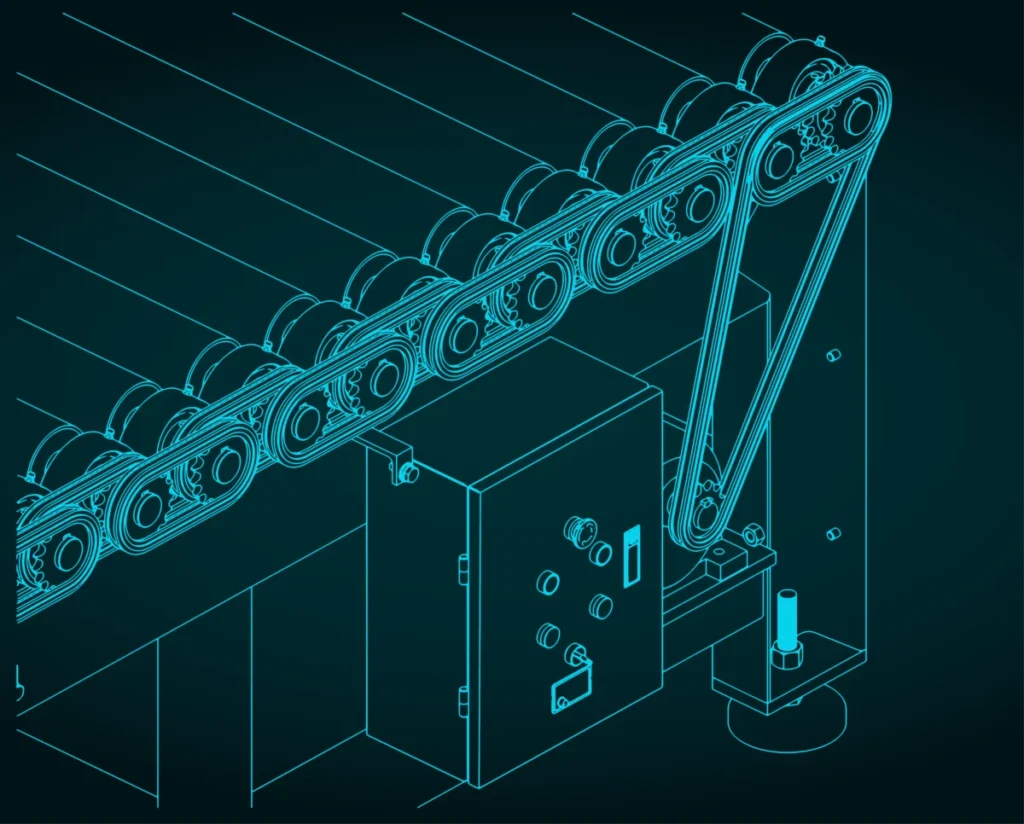
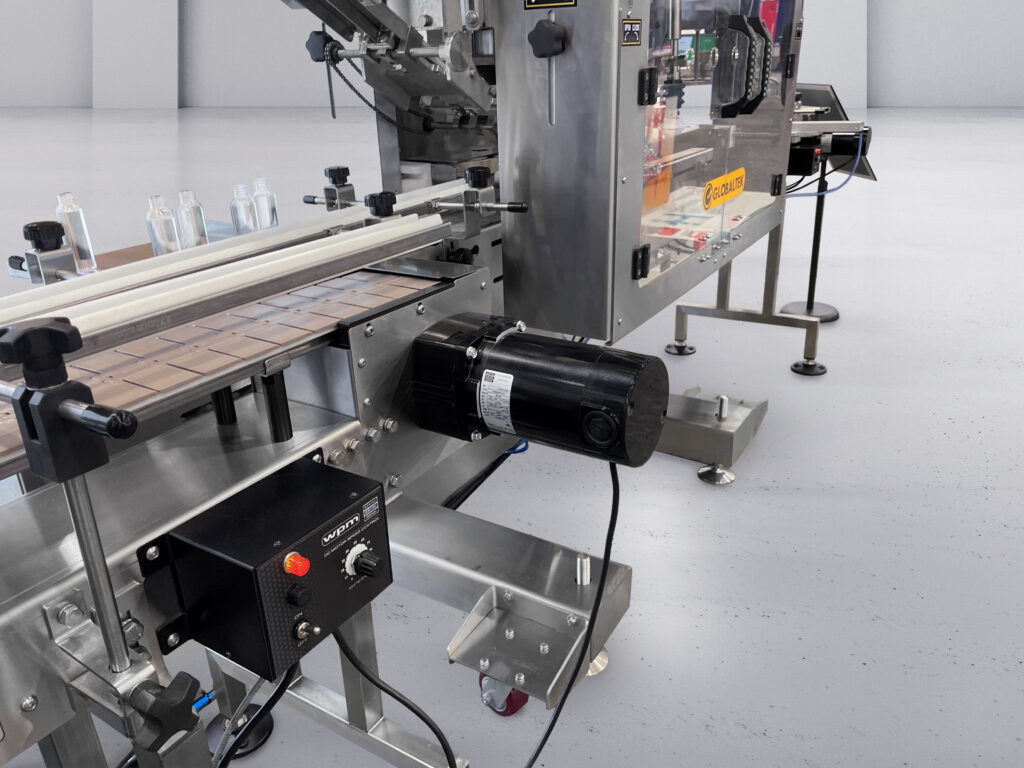
Conveyor Systems: From accordion-style and flexible powered conveyors to highly specialized sortation systems, gearmotors are indispensable. These systems, often comprising scissor-leg material-handling units with powered rollers linked by round belts, move goods efficiently through facilities or interface with shipping trucks at loading docks. In advanced setups, conveyors are often segmented into zones, each powered by its own gearmotor, allowing for asynchronous movement and precise control over item flow. This zonal control, often managed by a series of sensors and interconnected controls, ensures that goods move only when the next zone is clear, preventing bottlenecks and maximizing throughput. Bodine Electric, for example, has been a significant supplier of motors for various conveyor types, underscoring the industry’s reliance on proven, robust solutions.
-
Dock Restraints and Safety Systems: Safety at loading docks is paramount, and gearmotors play a critical role in preventing accidents. Motorized claw-type dock restraints, powered by reliable gearmotors, securely engage with specialized hardware on trucks. This prevents unintended truck movement while personnel, forklifts, or other equipment are still operating in the interface zone between the truck and the loading dock, significantly reducing the risk of costly and dangerous "trailer creep" incidents. These systems are often self-contained, operating via simple on-off switches and essential emergency-stop buttons, prioritizing straightforward operation and immediate safety response.
-
Motorized Caster Wheels, Carts, and Dollies: For handling extremely heavy or bulky workpieces that cannot be moved manually, motorized caster wheels, equipped with integrated gearmotors, provide the necessary propulsion. These wheels are installed on specialized carts, trolleys, and dollies, facilitating the ergonomic and safe movement of large components, particularly in settings supporting the assembly of large equipment with heavy subsystems. This automation mitigates strain on workers, enhances safety, and improves the overall efficiency of heavy material handling.
-
Lifting Equipment and Ergonomic Workpiece Lifts: Man lifts with "crow’s-nest" buckets, enabling operators to reach elevated areas, and ergonomic workpiece lifts are also heavily reliant on gearmotors. These lifts often feature motorized Z-axis platforms or end-effectors, such as pneumatic suction-cup arrays, allowing operators to safely raise and lower items with precision. The gearmotors ensure smooth, controlled vertical movement, which is essential for both operator safety and the integrity of the transported goods. In some cases, even the trolley wheels on these lifts may be motorized, further enhancing their maneuverability.
Controls: From Standalone Simplicity to Integrated Sophistication
The control systems paired with these gearmotor-based designs vary widely, reflecting the diversity and complexity of their applications. Simple systems, such as those found in dock restraints or basic lift trucks, are often self-contained. Lift trucks, for example, are operated and steered by warehouse personnel, typically featuring a straightforward current-limit control where motor torque is directly proportional to current, enabling acceleration, speed holding, and direction changes (forward/reverse). For such applications, some fractional-horsepower gearmotor suppliers offer basic speed controls with on-off and speed-adjustment functionalities.
However, the trend in more complex automated warehouses is towards highly integrated control systems. Original Equipment Manufacturers (OEMs) frequently design their own proprietary controls or outsource PC board production to their specifications. This approach allows OEMs to integrate a given gearmotor’s controls seamlessly into broader, global control-system functions, rather than managing multiple standalone control boards. For instance, in flexible powered conveyors, centralized controls coordinate separate command zones. A long conveyor might have a motor and interconnected controls every few feet. Sensors detect the presence of boxes or workpieces in each zone, activating its specific motor to carry items through. Once a zone is cleared, its motor is automatically deactivated, and the next zone is powered on in a domino-like effect, ensuring efficient and intelligent material flow. This level of integration is crucial for achieving the high levels of synchronization and optimization required in modern automated warehouses.
Procurement and Supply Chain Dynamics
The procurement of gearmotors for standard lifts, conveyors, and other warehouse equipment typically falls to OEM design engineers or purchasing managers armed with detailed specifications. These professionals interface directly with suppliers to size and specify components that meet stringent performance, reliability, and cost criteria. Distributors and system integrators then often work with plant engineers to tailor these standardized solutions to specific warehouse layouts and operational requirements.
The global supply chain landscape has, however, introduced new complexities. In instances where specific gearmotors from established manufacturers become suddenly unavailable due to disruptions, purchasing managers face the challenging task of rapidly identifying and qualifying new suppliers. This often requires a delicate balance of maintaining engineering specifications, ensuring compatibility, and navigating lead times, all while minimizing impact on production schedules and warehouse operational readiness. The insights gleaned from industry leaders like Terry Auchstetter of Bodine Electric Co. underscore the critical interplay between robust engineering, strategic procurement, and reliable supply partnerships in sustaining the pace of warehouse automation.
Broader Impact and Implications for the Future
The pervasive integration of gearmotors has profound implications for the efficiency, safety, and long-term sustainability of warehousing operations.
-
Enhanced Efficiency: Reliable gearmotors contribute directly to higher throughput and reduced downtime. Their consistent performance ensures that conveyor lines run smoothly, robots move predictably, and lifts operate without interruption, minimizing bottlenecks and maximizing the flow of goods. The precision control they offer enables tighter operational windows and optimized material handling processes.
-
Improved Safety: From dock restraints preventing accidents to ergonomic lifts reducing worker strain, gearmotors are instrumental in creating safer working environments. Automated systems reduce the need for manual handling of heavy items and minimize human interaction with potentially hazardous machinery, thereby lowering the incidence of workplace injuries.
-
Reduced Operational Costs: While initial investment in automated systems can be substantial, the long-term benefits in terms of reduced labor costs, increased accuracy, and decreased product damage often lead to significant operational savings. Energy-efficient gearmotors also contribute to lower utility bills, further enhancing cost-effectiveness.
-
Sustainability and Energy Efficiency: Modern gearmotors are increasingly designed with energy efficiency in mind, leveraging advanced materials and control algorithms. This focus aligns with broader industry goals for sustainability, reducing the carbon footprint of warehouse operations. The ability to precisely control power consumption based on load demand further optimizes energy use.
-
Industry 4.0 and Predictive Maintenance: The future of warehousing is inextricably linked to Industry 4.0, where interconnected devices and data analytics drive intelligent decision-making. Gearmotors, particularly those equipped with integrated sensors, are becoming key data points in this ecosystem. They can transmit data on temperature, vibration, current draw, and operational hours, enabling sophisticated predictive maintenance strategies. By analyzing this data, potential failures can be anticipated and addressed before they lead to costly downtime, moving from reactive repairs to proactive maintenance schedules. This also opens avenues for remote monitoring and diagnostics, further streamlining maintenance efforts.
-
Scalability and Flexibility: The modular nature of many gearmotor-driven systems allows for greater scalability and flexibility in warehouse design. As business needs evolve, new automated zones or robotic fleets can be integrated, or existing ones reconfigured, with relative ease, ensuring that warehouses can adapt to changing demands without significant overhahauls.
In conclusion, while software algorithms and AI often capture the headlines in the narrative of warehouse automation, the humble gearmotor remains an unsung hero, providing the fundamental mechanical power and precision that underpins these advanced systems. Its ubiquitous presence, from the smallest AGV to the largest conveyor system and the most critical safety restraint, highlights its indispensable role. As the demands on global supply chains continue to intensify, the ongoing innovation in gearmotor technology—focusing on greater efficiency, reliability, connectivity, and intelligence—will be paramount in shaping the next generation of smart, highly efficient, and safe warehousing operations. The symbiotic relationship between sophisticated software and robust electromechanical components like gearmotors will continue to drive the evolution of logistics, ensuring that goods move faster, safer, and more intelligently than ever before.